


✔ 100% Authentic Product
👁️ Currently Viewing 114
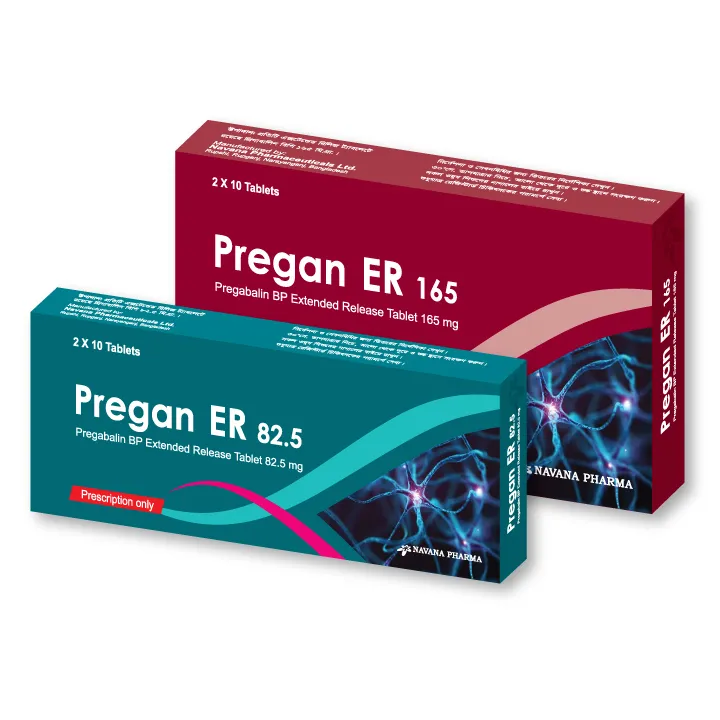
Pregan ER 165mg Tablet
Pregan ER works by binding to the alpha2-delta subunit of voltage-gated calcium channels, which reduces the release of neurotransmitters and neuronal excitability. It acts as a specific analgesic for peripheral and central neuropathic pain by blocking the transmission of pain signals across the nervous system. It relieves anxiety by reducing the release of certain brain chemicals (GABA) that cause abnormal mood stimulation and anxiety.
- Take Pregan ER as advised by your physician
- Swallow the medicine with a glass of water. Do not crush or chew the medicine
- It can be taken with or without food
- Your doctor will decide the correct dose and duration of therapy for you depending upon your age, body weight, and disease condition
- Do not stop taking the medicine without consulting your doctor
Discount
Price: ৳ 343
MRP:
৳
350
2%
Off

100% Genuine Products, Guaranteed

Safe & Secure Payments, Always

Fast, Secure & Efficient Delivery
Proper Packaging
 Cash on Delivery - All over Bangladesh
 Regular Delivery: 24-48 Hours, Dhaka City* Charge Tk.39-59
- Regular Delivery: 48-96 Hours, Other Cities* Charge Tk.99-125
 ফ্রি ডেলিভারিঃ - ১৪৯৯ টাকা+ অর্ডারে, ঢাকা
শহরে
ফ্রি ডেলিভারিঃ - ১৪৯৯ টাকা+ অর্ডারে, ঢাকা
শহরে- ফ্রি ডেলিভারিঃ - ৪৯৯৯ টাকা+ অর্ডারে, ঢাকার
বাহিরে
📲 মোবাইল অ্যাপ অর্ডারে সাশ্রয় বেশী
-
Google Play Store থেকে ডাউনলোড
-
Apple Store থেকে ডাউনলোড
100% Genuine Products, Guaranteed
Safe & Secure Payments, Always
Fast, Secure & Efficient Delivery
Proper Packaging
- Cash on Delivery - All over Bangladesh
- Regular Delivery: 24-48 Hours, Dhaka City* Charge Tk.39-59
- Regular Delivery: 48-96 Hours, Other Cities* Charge Tk.99-125
- ফ্রি ডেলিভারিঃ - ১৪৯৯ টাকা+ অর্ডারে, ঢাকা
শহরে
- ফ্রি ডেলিভারিঃ - ৪৯৯৯ টাকা+ অর্ডারে, ঢাকার
বাহিরে
- Google Play Store থেকে ডাউনলোড
- Apple Store থেকে ডাউনলোড
📲 মোবাইল অ্যাপ অর্ডারে সাশ্রয় বেশী
✅ Description:
Pregan ER is used to manage neuropathic pain, peripheral neuropathic pain, fibromyalgia syndrome, peripheral and central neuropathic pain. It contains Pregabalin which belongs to the group of medicines called Anticonvulsants. It can also be used to manage certain forms of epilepsy (fits or seizures) when used in combination with other anti-epileptic medicines. It may also be effective in managing generalized anxiety disorders (severe anxiety that affects daily activities) when other medicines are not effective.
Before taking Pregan ER, inform your doctor if you have or have had any lung, liver, kidney, or heart problems. You must also inform your doctor before taking the medicine if you have diabetes, any other nerve or brain disorders, or if you have a history of drug abuse. Avoid consuming alcohol while taking the medicine, as it may make you feel dizzier, which can eventually lead to an increased risk of injuries, falls, or accidents. Do not take the medicine if you are pregnant or a breastfeeding mother. Women of childbearing age must use a suitable contraceptive method to avoid pregnancy while undergoing therapy with the medicine.
Safety Advices
Alcohol
UNSAFE
Avoid consumption of alcohol while taking Pregan ER as it could aggravate your dizziness.

Pregnancy
UNSAFE
Pregan ER is not recommended for use in pregnant women unless considered necessary by the physician. Women of childbearing age must use a suitable contraceptive method (non-hormonal methods) to avoid pregnancy while undergoing therapy with the medicine.

Breastfeeding
UNSAFE
Pregan ER is not recommended for use in breastfeeding women unless considered necessary by the physician.

Driving
CAUTION
Do not drive or operate any heavy tools or machines if you feel dizzy or sleepy after taking Pregan ER.

Kidney
CAUTION
Pregan ER should be used with caution in patients with kidney diseases (such as decreased urination).
Liver
CAUTION
Pregan ER should be used with caution in patients with severe liver diseases.

Relevant Products / প্রাসঙ্গিক পণ্য
Same generic alternatives, ranked by customer interest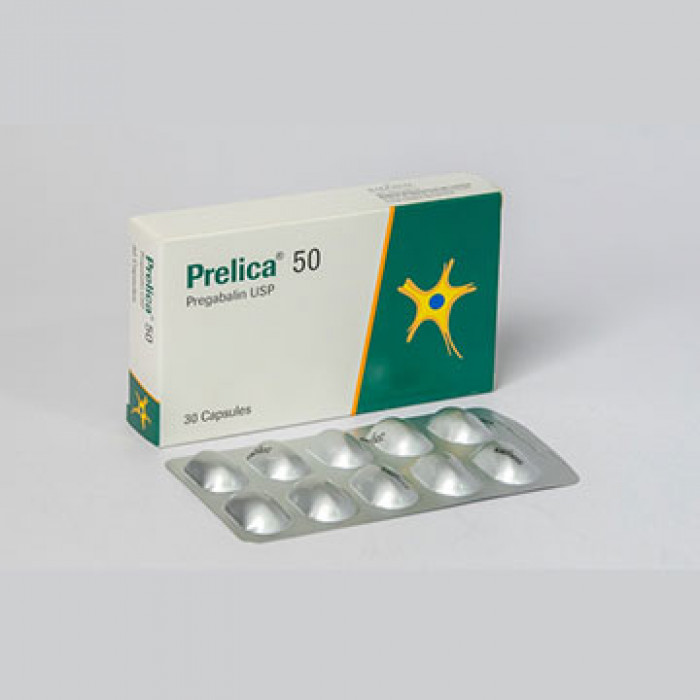
Prelica 50mg Capsule
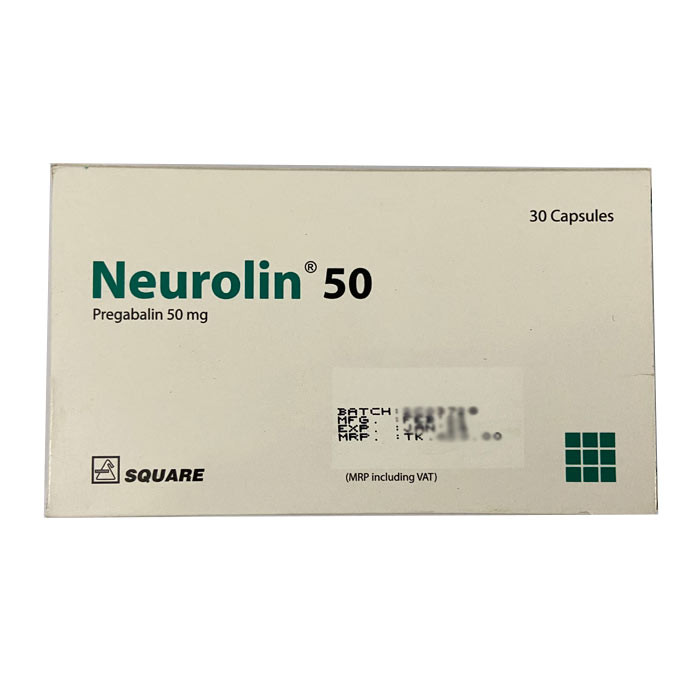
Neurolin 50mg 10pcs
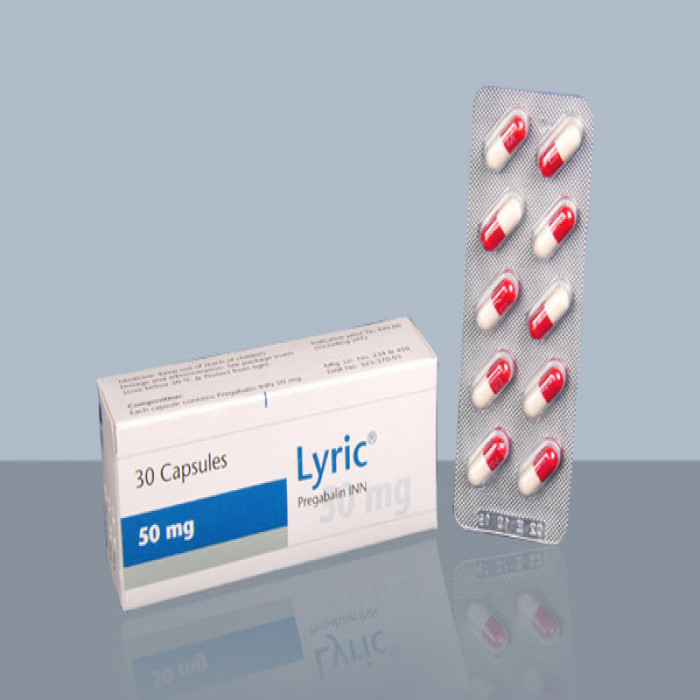
Lyric 50mg 10pcs
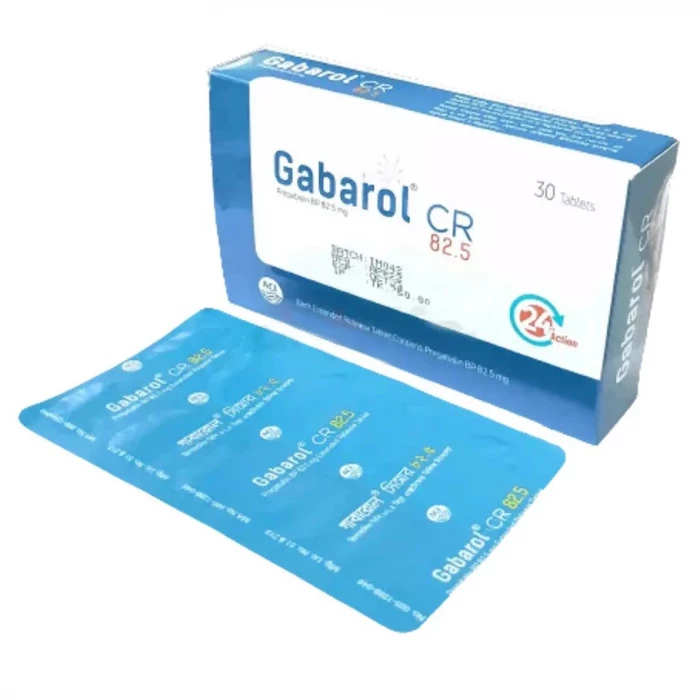
Gabarol CR 82.5mg Tablet 1 Strip
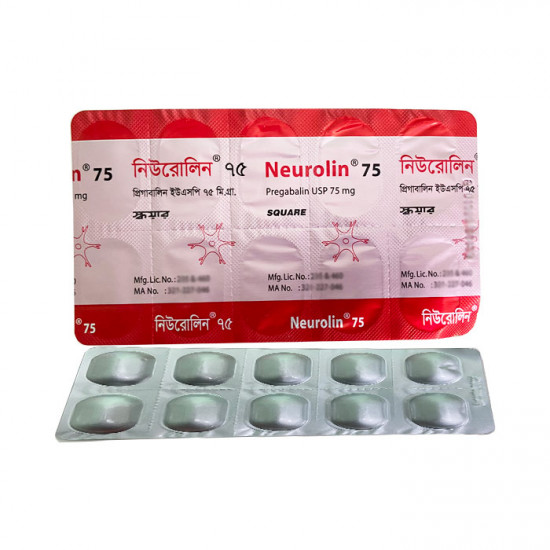
Neurolin 75mg 10pcs
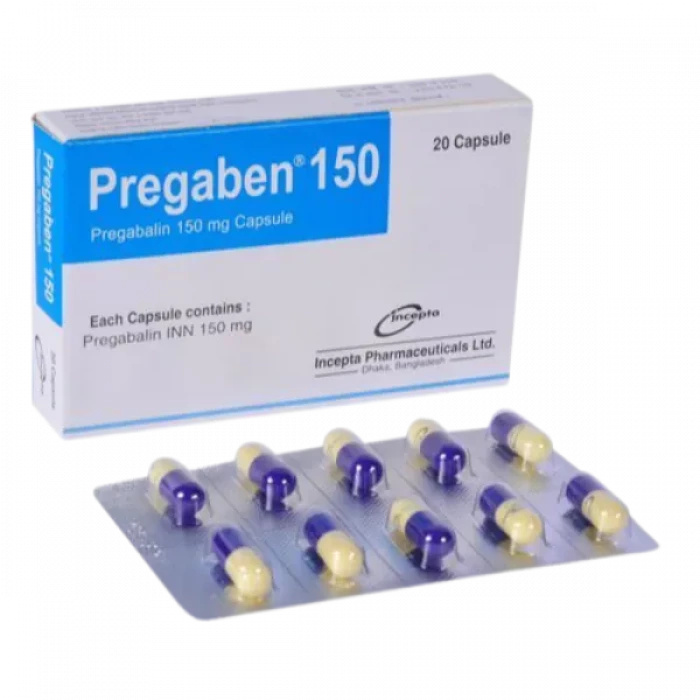
Pregaben 150mg Capsule 20pcs Box
Nervalin 25mg Capsule 10pcs
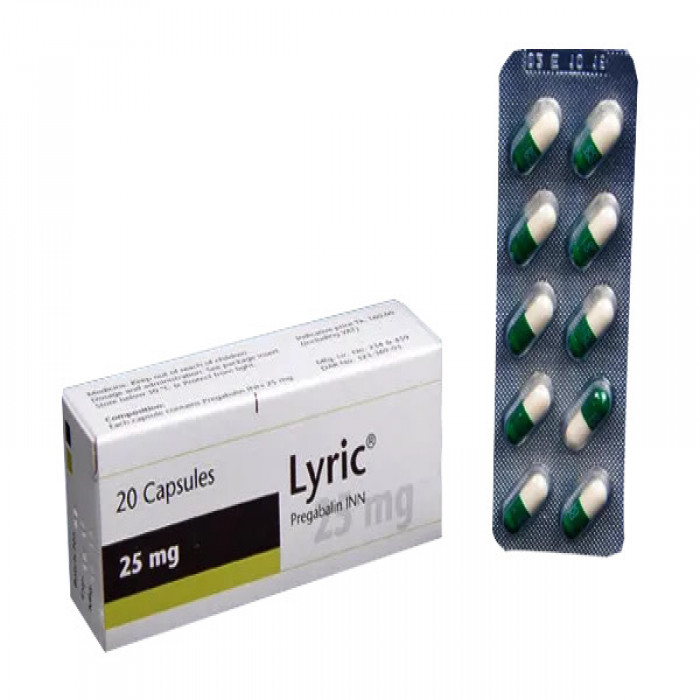
Lyric 25mg (20pcs Box)
More From Navana Pharmacuticals Ltd. / এই ব্র্যান্ডের আরও পণ্য
Popular products from this manufacturer/brand
Sulderm 1% Cream
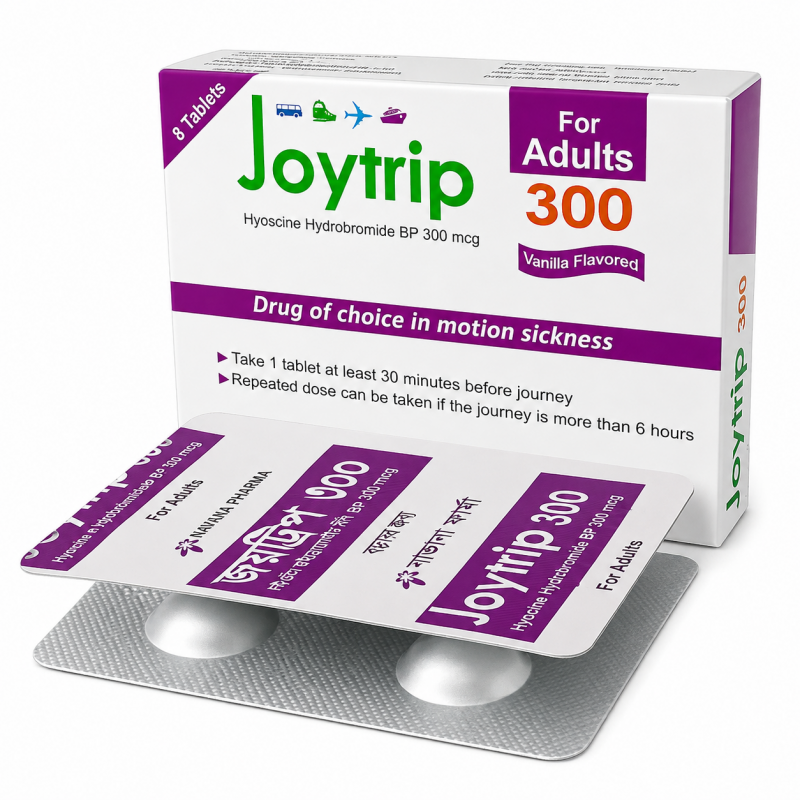
Joytrip 300mcg Tablet
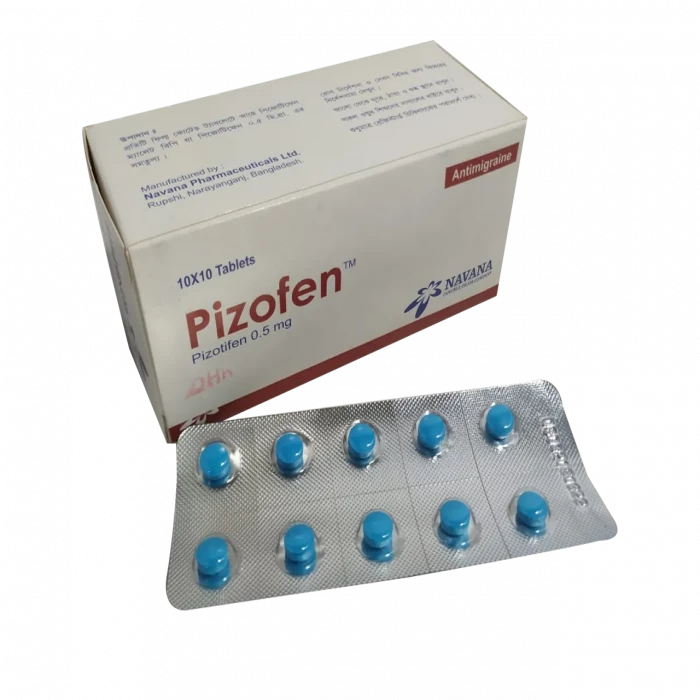
Pizofen 0.5mg Tablet 1 Strip
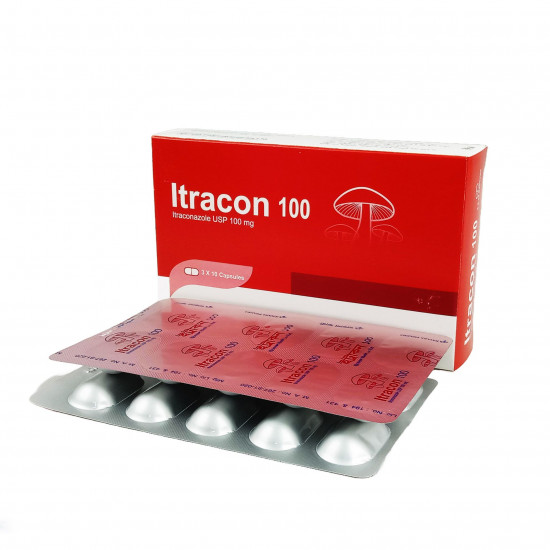
Itracon 100 | 1 Strip
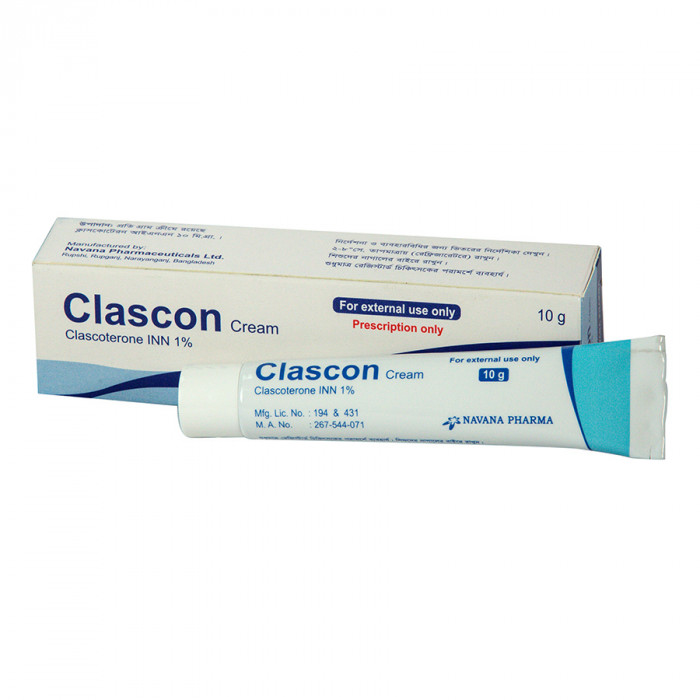
Clascon 1% Cream
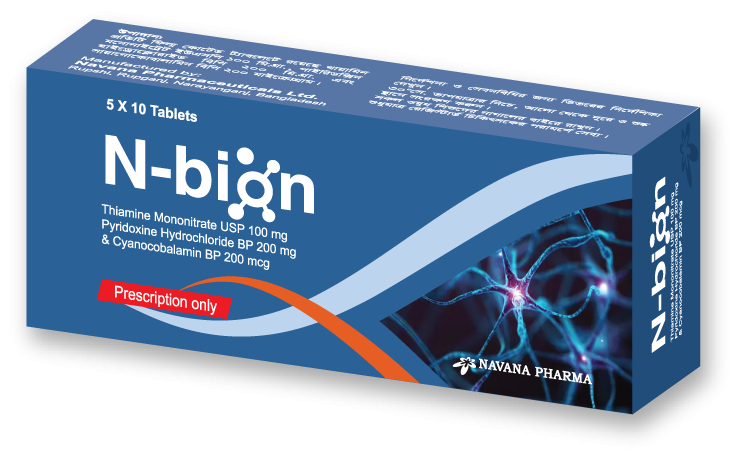
N-Bion 100mg+200mg+200mcg Tablet
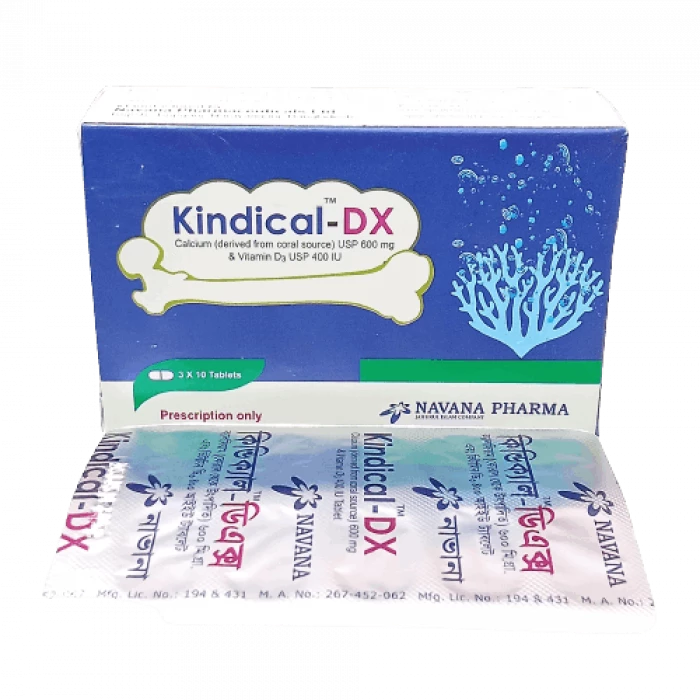
Kindical DX 600mg+400IU Tablet
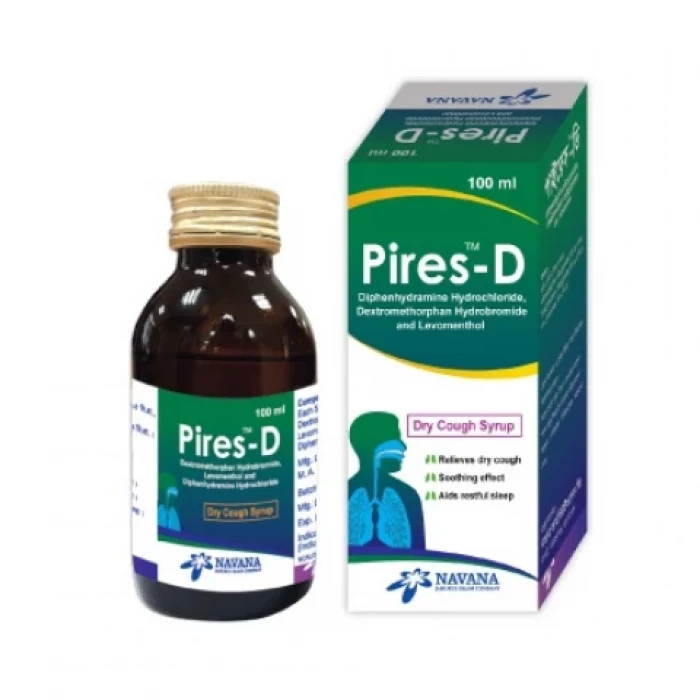
Pires-D Syrup 100ml
Related Posts



✔️ Uses of Pregan ER 165
- neuropathic pain
- peripheral neuropathic pain
- fibromyalgia syndrome
- peripheral and central neuropathic pain
- certain forms of epilepsy
- anxiety disorders
✔️ Side Effects of Pregan ER 165
- dizziness, drowsiness, headache
- increased appetite
- elevated mood, confusion, disorientation, irritability
- lack of attention, clumsiness, memory impairment
- tremor, difficulty in speaking
- tingling or numbness, sedation, lethargy
- difficulty in sleeping, tiredness
- visual disturbances
- spinning sensation, problems with balance
- dry mouth, constipation, vomiting, flatulence, diarrhoea, nausea, swelling in the abdomen
- muscle cramps, joint or back pain, pain in limbs
- sore throat
✔️ Dosage of Pregan ER
Neuropathic Pain Associated with Diabetic Peripheral Neuropathy
For adults with creatinine clearance ≥60 mL/min:
- Start Pregan ER at 165 mg once daily.
- Depending on response and tolerability, the dose may be increased to 330 mg once daily within 1 week.
- Maximum recommended dose: 330 mg once daily.
Postherpetic Neuralgia
For adults with creatinine clearance ≥60 mL/min:
- Start with 165 mg once daily.
- The dose may be increased to 330 mg once daily within 1 week, depending on response and tolerability.
- If adequate pain relief is not achieved after 2–4 weeks at 330 mg/day, and the medicine is well tolerated, the dose may be increased to as much as 660 mg once daily.
- Doses above 330 mg/day should generally be reserved for patients with persistent pain who tolerate 330 mg/day because higher doses are associated with more adverse effects.
- Maximum recommended dose: 660 mg once daily.
Fibromyalgia
The usual total daily pregabalin dose is 300–450 mg/day with the immediate-release formulation.
When using the extended-release formulation, the appropriate equivalent dose should be selected by the prescribing physician based on the patient's response and tolerability.
✔️ Dosage | Pregan ER
Neuropathic Pain Associated with Spinal Cord Injury
The usual pregabalin dose range is 150–600 mg/day with the immediate-release formulation.
Treatment is generally started at a lower dose and gradually increased according to effectiveness and tolerability. The extended-release equivalent should be determined by the physician.
Switching from Pregabalin Immediate-Release to Pregan ER
When changing from immediate-release pregabalin to the extended-release formulation:
- Take the usual morning dose of immediate-release pregabalin on the day of switching.
- Start the extended-release tablet after the evening meal.
- The extended-release formulation is then taken once daily according to the prescribed dose.
Immediate-Release to Extended-Release Dose Equivalents
| Pregabalin Immediate-Release Total Daily Dose | Pregan ER Once-Daily Equivalent |
|---|---|
| 75 mg/day | 82.5 mg/day |
| 150 mg/day | 165 mg/day |
| 225 mg/day | 247.5 mg/day |
| 300 mg/day | 330 mg/day |
| 450 mg/day | 495 mg/day |
| 600 mg/day | 660 mg/day |
Important Note
Pregabalin is primarily eliminated through the kidneys, so dose adjustment is necessary in patients with renal impairment. The appropriate dose for Pregan ER 165 mg should therefore be determined based on kidney function.
✔️ Drug-Drug interactions:
Before taking Pregan ER, inform your doctor if you are taking any of the following medicines:
- Strong opioids (Ex., oxycodone)
- Benzodiazepines (e.g., lorazepam)
- Oral contraceptives (Ex., ethinyl estradiol)
✔️ Before taking Pregan ER, inform your doctor if you:
- have or had constipation
- have a history of drug abuse
✔️ Stop taking Pregan ER and consult your doctor immediately if you experience any of the following side effects:
- Serious skin reaction involving reddish, non-elevated, target-like, or circular patches on the trunk, often with central blisters, skin peeling, ulcers of the mouth, throat, nose, genitals, and eyes (Stevens-Johnson syndrome, toxic epidermal necrolysis)
- Yellow discoloration of the skin and whites of the eyes
- self-harming thoughts
✔️ Storage:
- Store below 25°C.
⚠️Disclaimer:
At ePharma, we’re committed to providing accurate and accessible health information. However, all content is intended for informational purposes only and should not replace medical advice from a qualified physician. Please consult your healthcare provider for personalized guidance. We aim to support, not substitute, the doctor-patient relationship.
📦Pricing Information, Availability:
Product Availability & Pricing Notice
Please note that pricing, availability, and service offerings are subject to change due to: Market fluctuations, Manufacturer or supplier adjustments, Product discontinuation or temporary unavailability, Advertising errors. All orders depend on stock availability and staff resources. If services are provided on a time-and-materials basis, any shared estimates are for planning purposes only.


Reliable
All products displayed on ePharma are procured from govt. approved pharmaceuticals and verified licensed pharmacies from 2016.

Secure
ePharma uses Secure Sockets Layer (SSL) 128-bit 🔒 encryption and is Payment Card Industry DataSecurity Standard (PCI DSS) compliant.

Affordable
Find affordable medicine substitutes, save up to 50% on health products, up to 30% off on doctor consultations.

Social
Providing health care services under the health and beauty category with more than 170K Facebook audience and 10M+ reach.







Get more features!
Download the app now
✓ Doctor consultation ✓ 24/7 helpline