


✔ 100% Authentic Product
👁️ Viewed 3335 times
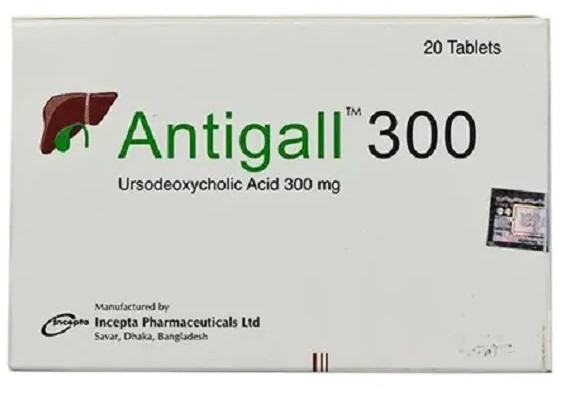
Antigall 300 Tablet 1 Strip
Antigall 300 is indicated for:
- Treatment of Primary Biliary Cirrhosis (PBC)
- Dissolution of small- to medium-sized, radiolucent, cholesterol-rich gallstones in patients with a functioning gallbladder
- Prevention of gallstone formation in obese patients undergoing rapid weight loss
Discount Price: ৳ 209
MRP:
৳
220
5%
off

100% Genuine Products, Guaranteed

Safe & Secure Payments, Always

Fast, Secure & Efficient Delivery

Proper Packaging
 Cash on Delivery - All over Bangladesh
 Regular Delivery: 24-48 Hours, Dhaka City* Charge Tk.39-59
- Regular Delivery: 48-96 Hours, Other Cities* Charge Tk.99-125
 ফ্রি ডেলিভারিঃ - ১৪৯৯ টাকা+ অর্ডারে, ঢাকা
শহরে
ফ্রি ডেলিভারিঃ - ১৪৯৯ টাকা+ অর্ডারে, ঢাকা
শহরে- ফ্রি ডেলিভারিঃ - ৪৯৯৯ টাকা+ অর্ডারে, ঢাকার
বাহিরে
📲 মোবাইল অ্যাপ অর্ডারে সাশ্রয় বেশী
-
Google Play Store থেকে ডাউনলোড
-
Apple Store থেকে ডাউনলোড
100% Genuine Products, Guaranteed
Safe & Secure Payments, Always
Fast, Secure & Efficient Delivery
Proper Packaging
- Cash on Delivery - All over Bangladesh
- Regular Delivery: 24-48 Hours, Dhaka City* Charge Tk.39-59
- Regular Delivery: 48-96 Hours, Other Cities* Charge Tk.99-125
- ফ্রি ডেলিভারিঃ - ১৪৯৯ টাকা+ অর্ডারে, ঢাকা
শহরে
- ফ্রি ডেলিভারিঃ - ৪৯৯৯ টাকা+ অর্ডারে, ঢাকার
বাহিরে
- Google Play Store থেকে ডাউনলোড
- Apple Store থেকে ডাউনলোড
📲 মোবাইল অ্যাপ অর্ডারে সাশ্রয় বেশী
✅ Description:
Antigall 300 contains Ursodeoxycholic Acid (UDCA), a naturally occurring hydrophilic bile acid derived from cholesterol. It normally constitutes only a small proportion of the bile acids found in human bile. Antigall 300 increases the proportion of Ursodeoxycholic Acid in a dose-dependent manner, allowing it to become the predominant bile acid and helping to replace or displace potentially toxic hydrophobic bile acids that may accumulate in cholestatic liver diseases.
In addition to reducing the concentration of toxic bile acids, Ursodeoxycholic Acid provides cytoprotective effects on injured bile duct epithelial cells (cholangiocytes), helps inhibit hepatocyte apoptosis, modulates immune responses, and stimulates bile secretion by hepatocytes and cholangiocytes.
Antigall 300 also lowers the ratio of cholesterol to bile salts and phospholipids in bile, thereby reducing cholesterol saturation and promoting the dissolution of cholesterol-rich gallstones.
During the first 3 months of treatment, liver function tests including AST (SGOT), ALT (SGPT), and γ-GT should be monitored by a physician every 4 weeks. Afterward, monitoring should generally be performed every 3 months.
Ursodeoxycholic Acid should not be used when the gallbladder cannot be adequately visualized on X-ray, or in patients with calcified gallstones, impaired gallbladder contractility, or frequent episodes of biliary colic.
If diarrhea develops, the dose should be reduced. Persistent diarrhea may require discontinuation of treatment.
Patients with rare hereditary conditions such as galactose intolerance, Lapp lactase deficiency, or glucose-galactose malabsorption should not take this medicine.

Relevant Products
Same generic alternatives, ranked by customer interest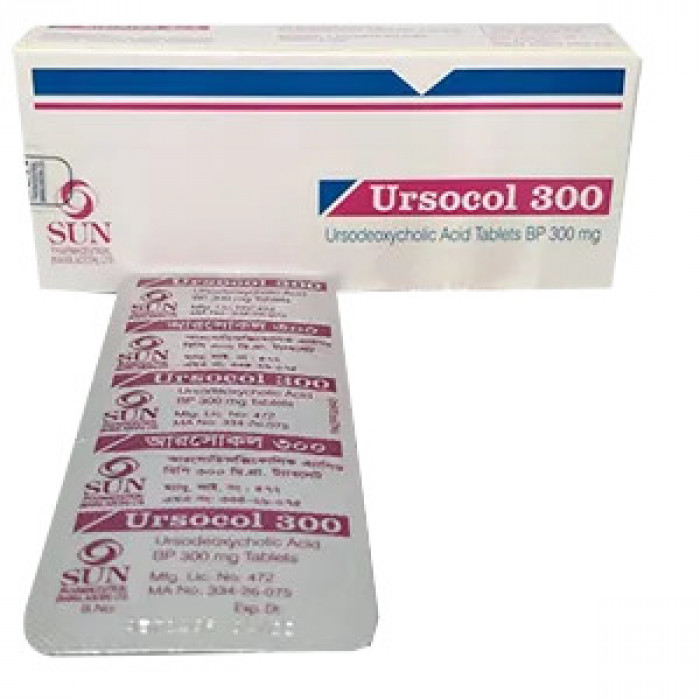
Ursocol 300 Tablet 1 Strip
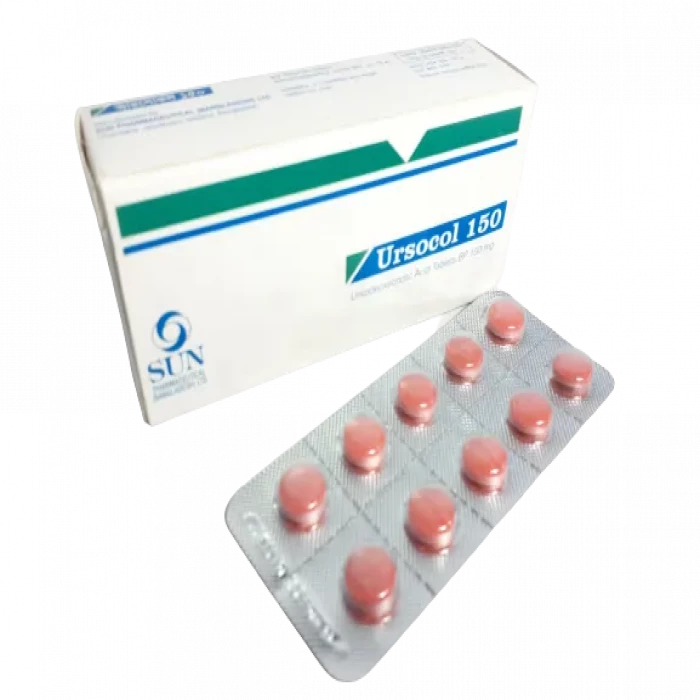
Ursocol 150mg 1 Strip
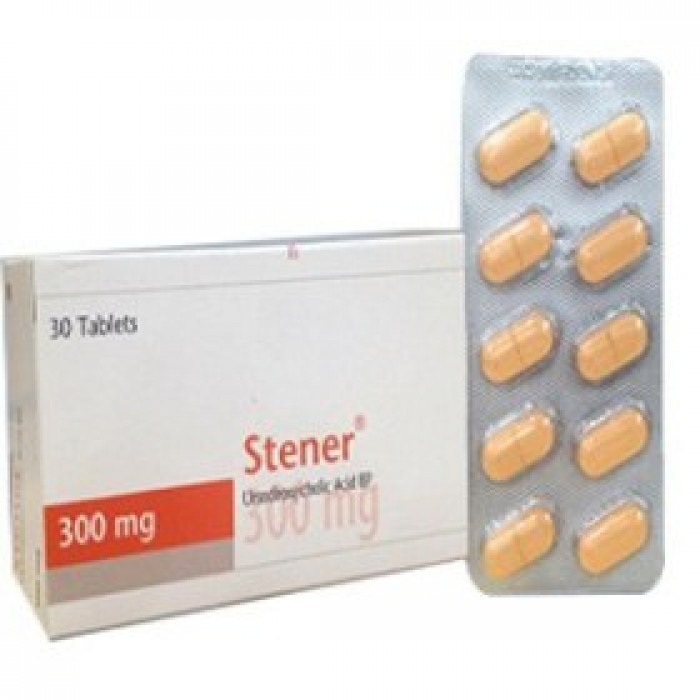
Stener 300mg Tablet 10pcs
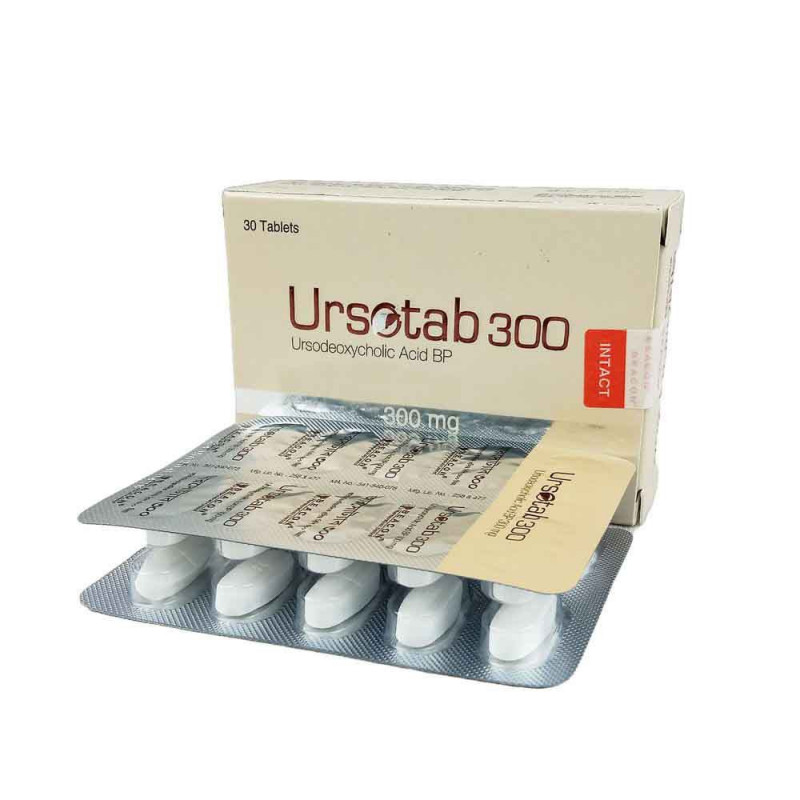
Ursotab 300mg Tablet
Stener 150mg Tablet 10pcs
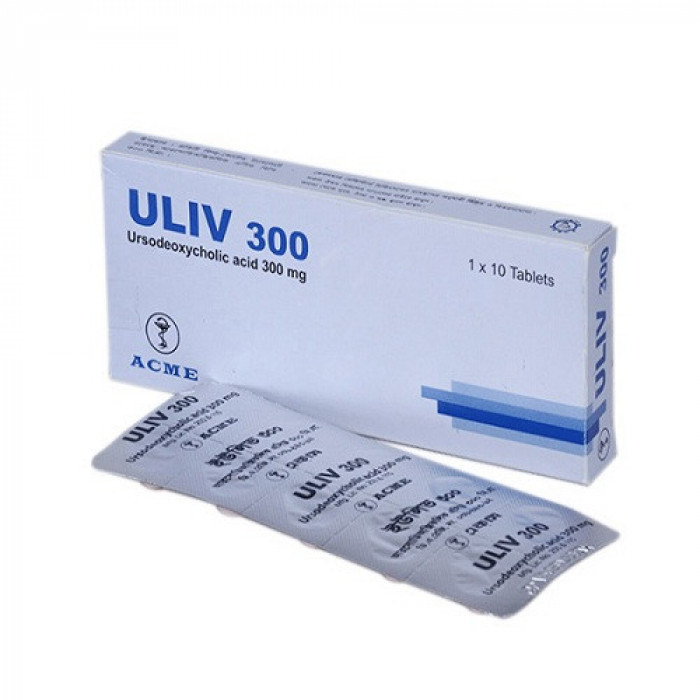
Uliv 150mg Tablet 1 Strip
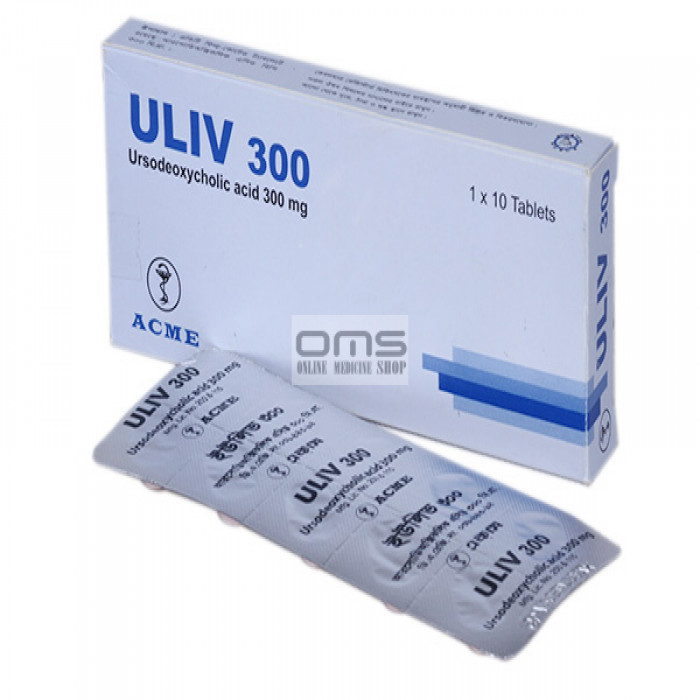
Uliv 300 Tablet
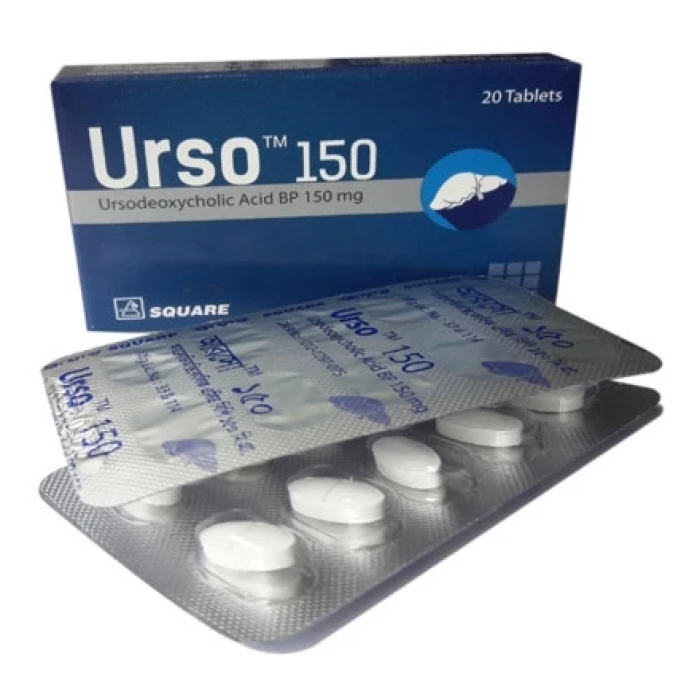
Urso 150mg Tablet 1 Strip
More From Incepta Pharmaceuticals Ltd.
Popular products from this manufacturer/brand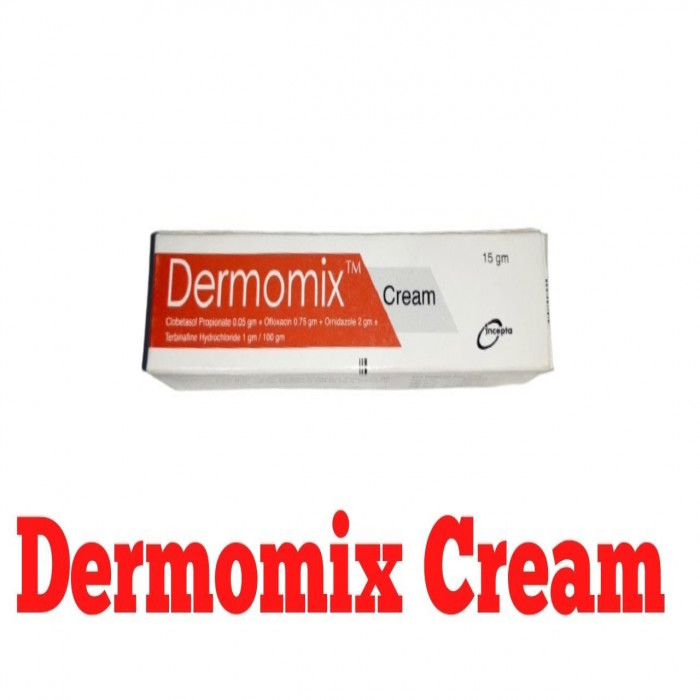
Dermomix Cream
Pantonix 20mg Tablet
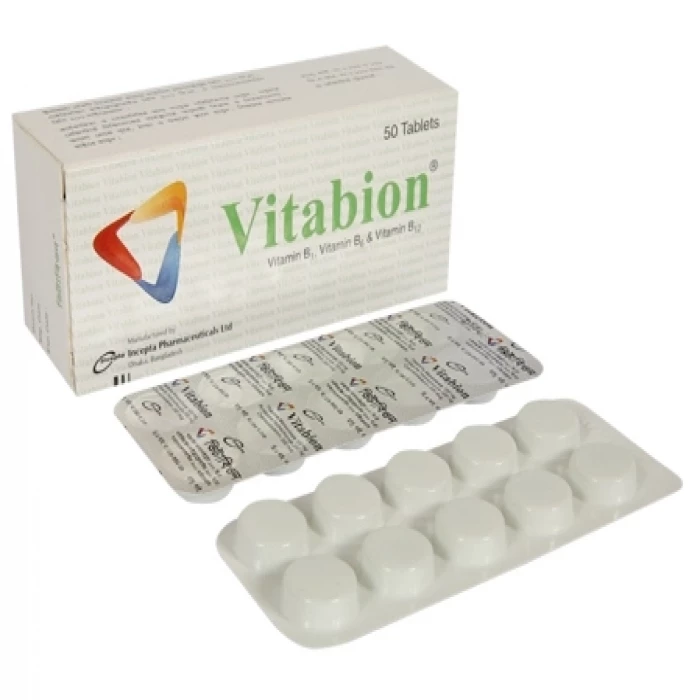
Vitabion 100mg+200mg+200mcg Tablet

Citofer 210mg Tablet 8pcs
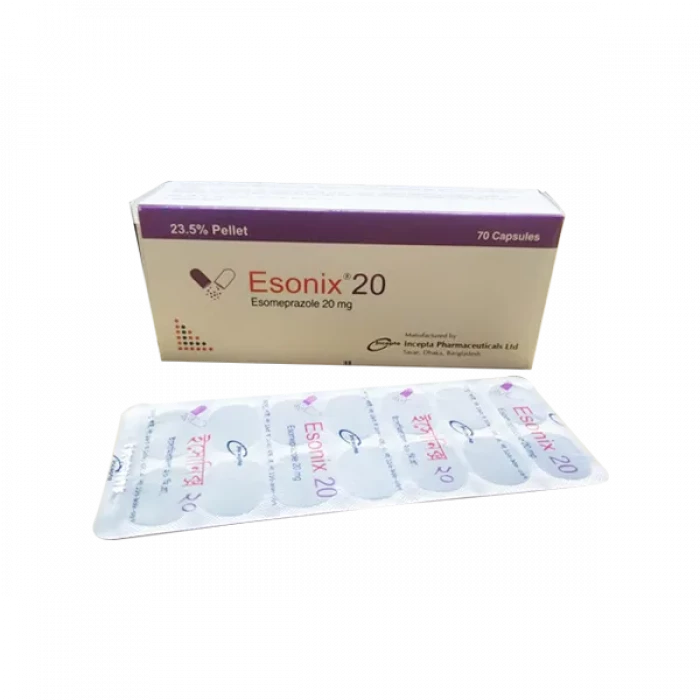
Esonix 20mg Capsule
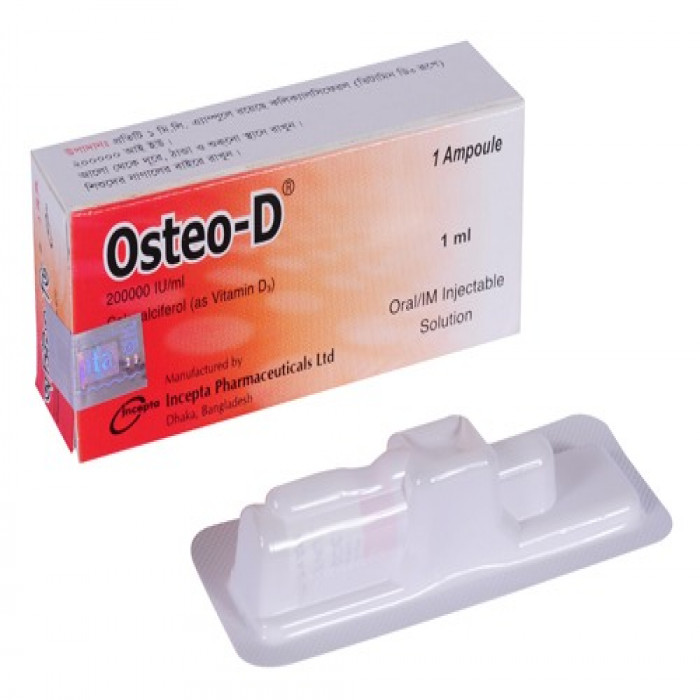
Osteo-D 200000IU/ml Injection
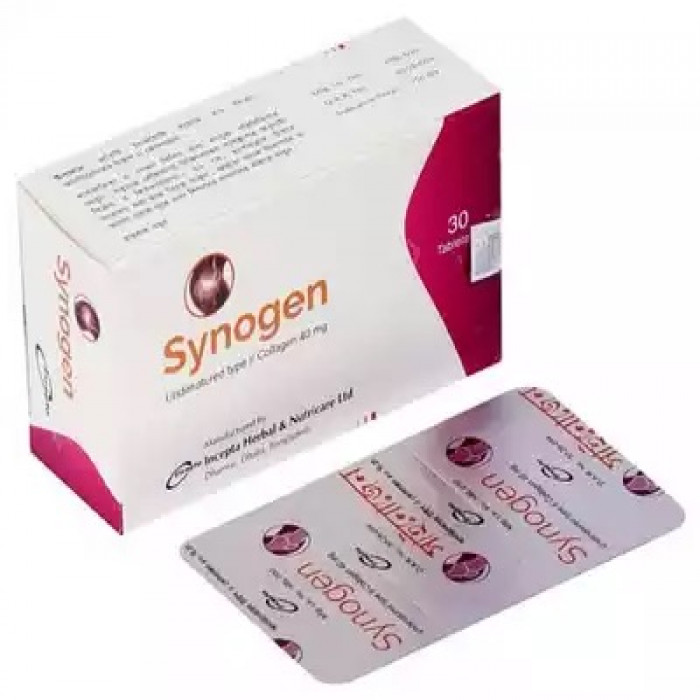
Synogen 40mg Tablet
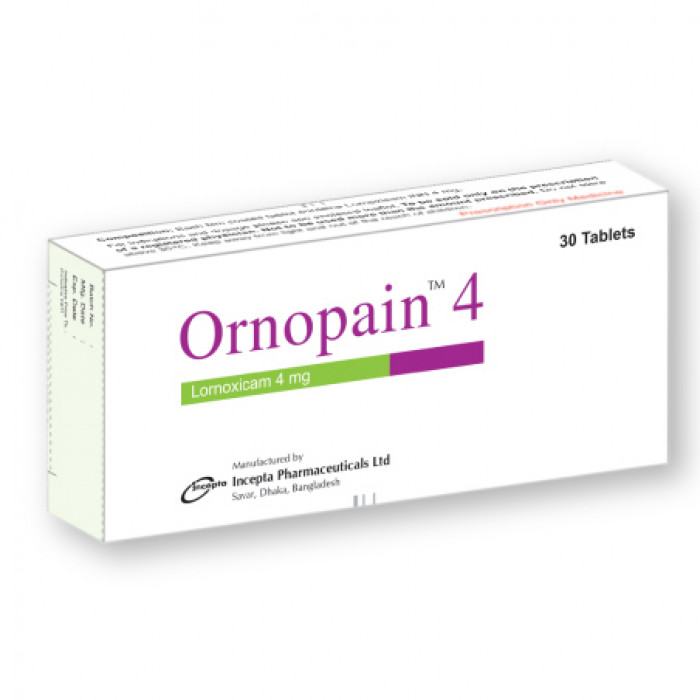
Ornopain 4mg Tablet
Related Posts


✔️ Dosage & Administration
Primary Biliary Cirrhosis (PBC)
The recommended adult dose is 13–15 mg/kg/day, administered in 2–4 divided doses with food.
Dissolution of Gallstones
Adults and elderly: The usual dose is 6–12 mg/kg/day, given either as a single dose at bedtime or in divided doses. In obese patients, the dose may be increased to 15 mg/kg/day when clinically appropriate.
Treatment may be required for up to 2 years, depending on the size of the gallstones. Therapy should generally be continued for 3 months after apparent dissolution of the stones.
Prevention of Gallstones
For patients undergoing rapid weight loss, the recommended dose is 600 mg daily, given as 300 mg twice daily.
Elderly Patients
No specific adjustment of the adult dosage is generally indicated. However, appropriate precautions should be considered based on the patient's clinical condition.
Children with Cystic Fibrosis (6 to <18 years)
The recommended dose is 20 mg/kg/day, divided into 2–3 doses. If necessary, the dose may be increased to 30 mg/kg/day.
Use in Special Populations
Hepatic and Renal Impairment
There are no specific dosage recommendations for patients with hepatic or renal impairment. Ursodeoxycholic Acid therapy has not generally been associated with liver damage; however, patients should be monitored appropriately.
✔️ Side Effects
- Diarrhea
- Pasty or soft stools
- Nausea
- Vomiting
- Pruritus (itching)
Rare adverse effects may include:
- Calcification of gallstones
- Urticaria (hives)
✔️ Pregnancy & Lactation
Adequate clinical data regarding the use of Ursodeoxycholic Acid during pregnancy, particularly during the first trimester, are limited. Animal studies have indicated potential teratogenic effects during early pregnancy. Therefore, Ursodeoxycholic Acid should only be used during pregnancy when clearly necessary. Treatment should be stopped if pregnancy occurs unless continued treatment is specifically advised by a physician.
It is not established whether Ursodeoxycholic Acid passes into human breast milk. Therefore, it should generally not be used during breastfeeding unless medically necessary. If treatment is considered essential, discontinuation of breastfeeding may be required.
✔️ Ursodeoxycholic Acid should not be taken at the same time as:
- Activated charcoal
- Cholestyramine
- Colestipol
- Antacids containing aluminium hydroxide and/or smectite
These medicines may reduce the absorption and effectiveness of Ursodeoxycholic Acid.
Ursodeoxycholic Acid may increase the intestinal absorption of ciclosporin. In some cases, it may decrease the absorption of ciprofloxacin.
It may also reduce the peak plasma concentration (Cmax) and overall exposure (AUC) of the calcium-channel blocker nitrendipine. A reduction in the therapeutic effect of dapsone has also been reported.
Oral contraceptives, estrogenic hormones, and cholesterol-lowering medicines such as clofibrate may increase the risk of biliary stone formation, which may counteract the intended effect of Ursodeoxycholic Acid when used for gallstone dissolution.
✔️ Overdose
Diarrhea may occur following an overdose. Other symptoms are generally unlikely because absorption of Ursodeoxycholic Acid decreases as the dose increases, resulting in greater elimination through the feces.
Specific treatment is usually not required. If diarrhea occurs, treatment should focus on maintaining adequate fluid and electrolyte balance. Ion-exchange resins may be considered to bind bile acids in the intestine. Monitoring of liver function may also be recommended.
✔️ Ursodeoxycholic Acid is contraindicated in patients with:
- Known hypersensitivity to Ursodeoxycholic Acid or any component of the formulation
- Radiopaque or calcified gallstones
- Acute inflammation of the gallbladder or biliary tract
- Biliary tract obstruction
- Frequent episodes of biliary colic
- Impaired gallbladder contractility
- Chronic liver disease
- Peptic ulcer disease
- Inflammatory diseases of the small intestine or colon
✔️ Storage:
Store in a cool, dry place and protect from light. Keep the medicine out of the reach of children
⚠️Disclaimer:
At ePharma, we’re committed to providing accurate and accessible health information. However, all content is intended for informational purposes only and should not replace medical advice from a qualified physician. Please consult your healthcare provider for personalized guidance. We aim to support, not substitute, the doctor-patient relationship.
📦Pricing Information, Availability:
Product Availability & Pricing Notice
Please note that pricing, availability, and service offerings are subject to change due to: Market fluctuations, Manufacturer or supplier adjustments, Product discontinuation or temporary unavailability, Advertising errors. All orders depend on stock availability and staff resources. If services are provided on a time-and-materials basis, any shared estimates are for planning purposes only.

Reliable
All products displayed on ePharma are procured from govt. approved pharmaceuticals and verified licensed pharmacies from 2016.

Secure
ePharma uses Secure Sockets Layer (SSL) 128-bit 🔒 encryption and is Payment Card Industry DataSecurity Standard (PCI DSS) compliant.

Affordable
Find affordable medicine substitutes, save up to 50% on health products, up to 30% off on doctor consultations.

Social
Providing health care services under the health and beauty category with more than 170K Facebook audience and 10M+ reach.







Get more features!
Download the app now
✓ Doctor consultation ✓ 24/7 helpline