

Fatty Liver: Symptoms, Causes, Diet and What to Do Next
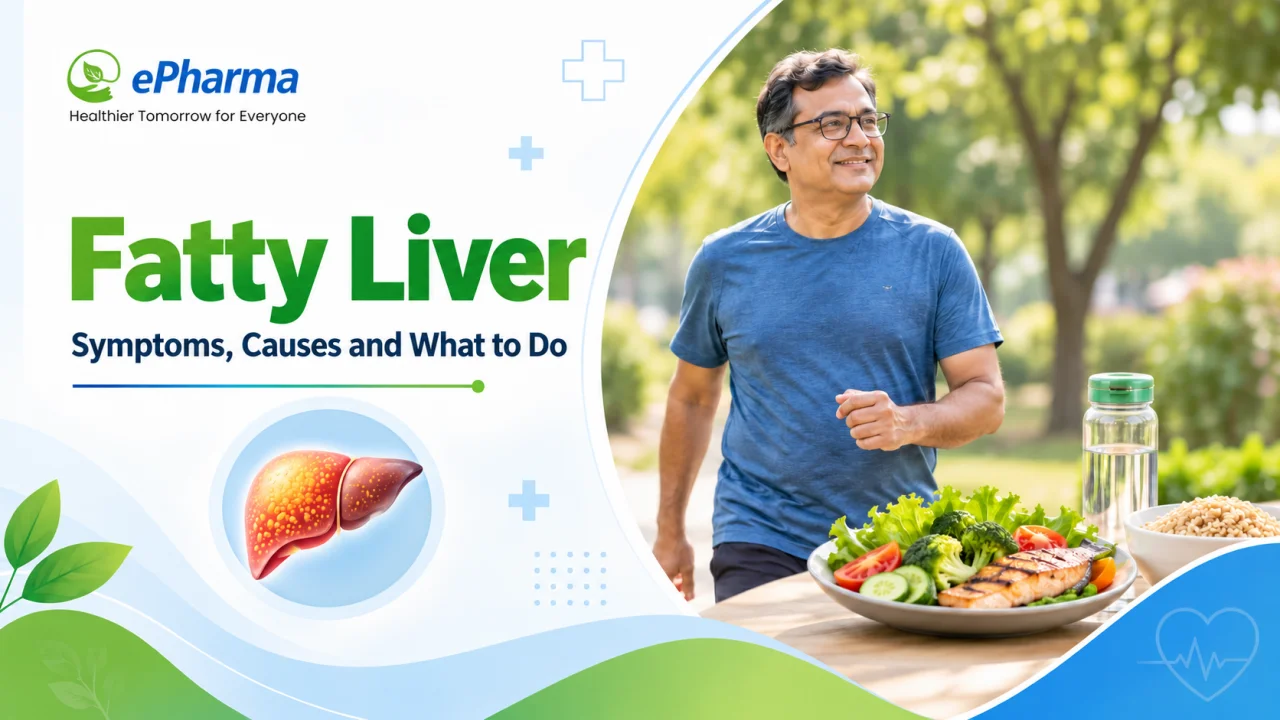
Fatty liver or Grade 1 on ultrasound? Learn what it means, common risks, what to eat, realistic weight-loss targets, exercise and when specialist care is needed.
You had an abdominal ultrasound for another reason, felt reasonably well, and then noticed a line in the report: “Fatty Liver Grade 1.” That wording can be unsettling. Some people panic; others are told it is “nothing” and forget about it. Neither extreme is very helpful.
Fatty liver is common and often causes no symptoms. In its early stages, improving weight, food choices, physical activity, sleep and metabolic health can reduce liver fat and lower the chance of progression. But an ultrasound grade alone cannot tell you how much inflammation or scarring is present. Your doctor looks at the whole picture—weight and waist size, diabetes risk, cholesterol, blood pressure, liver enzymes and, when needed, fibrosis assessment.
What is fatty liver disease?
Fatty liver means more fat than expected has accumulated inside liver cells. The condition long known as NAFLD is increasingly referred to as MASLD (Metabolic Dysfunction-Associated Steatotic Liver Disease) when it occurs in the setting of metabolic risk rather than being primarily alcohol-related. You may still see the older term in reports and websites.
Having fat in the liver does not automatically mean severe liver damage. Many people remain at the simple steatosis stage. In some, inflammation develops (MASH), followed by fibrosis and, over years, cirrhosis. NHS guidance describes these progressive stages, while NIDDK notes that fatty liver is often silent.
Important: ultrasound “Grade 1, 2 or 3” is not the same as the medical stage of fibrosis or cirrhosis.
What does “Grade 1 fatty liver” on ultrasound mean?
Ultrasound grades give a rough impression of how much fat is visible in the liver. Grade 1 usually suggests mild fatty change. It is not a reason to panic, but it should prompt a sensible review of metabolic risk and liver health.
Ultrasound cannot reliably show the full degree of inflammation or fibrosis. Depending on your risk, a clinician may review ALT/AST and other blood tests, glucose or HbA1c, triglycerides/cholesterol, blood pressure and body weight. FibroScan or another non-invasive fibrosis assessment may be recommended. Liver biopsy is not routinely needed for everyone.
What are the symptoms of fatty liver?
Most people have few or no symptoms. When symptoms do occur, they may include:
- tiredness or low energy
- discomfort or a heavy feeling in the upper-right abdomen
- in more advanced disease, jaundice, abdominal or leg swelling, or unexplained weight loss
These symptoms are not specific to fatty liver. If you have persistent or concerning symptoms, proper medical assessment matters more than trying to diagnose yourself from a list.
Who is more likely to develop fatty liver?
Being overweight or having central obesity is a major risk factor, but lean people can also develop MASLD. Risk is higher with:
- type 2 diabetes or insulin resistance
- high triglycerides or abnormal cholesterol
- high blood pressure or metabolic syndrome
- low physical activity
- PCOS or hypothyroidism
- family or genetic susceptibility
- some medicines or other liver conditions
- poor sleep and an unhealthy overall lifestyle pattern
Bangladeshi physicians interviewed in local health publications have repeatedly highlighted obesity, diabetes, inactivity and dyslipidaemia as common drivers. NIDDK similarly lists obesity, insulin resistance, type 2 diabetes and abnormal blood lipids among major risks.
How is fatty liver diagnosed?
Fatty liver may first appear on an abdominal ultrasound. Diagnosis and risk assessment can also involve blood tests and your medical history. A clinician may look for other causes of liver fat or abnormal liver enzymes and may assess metabolic conditions linked to fatty liver.
If there is concern about fibrosis, FibroScan or another non-invasive tool can help. A biopsy is reserved for selected situations when the result would change management or clarify the diagnosis.
Treatment: lifestyle is the foundation, but care should be individualised
Healthy weight management, nutritious food, regular physical activity and good control of diabetes, blood pressure and cholesterol are the foundation of fatty liver care. Some selected patients with more advanced disease may be considered for specific medicines or specialist treatments. That decision belongs with a liver specialist—not a supplement label or social-media “detox” plan.
Be cautious with liver tonics, herbal powders and “cleanse” products. Evidence for quick detox claims is poor, and some supplements can themselves injure the liver.
How much weight loss can help?
If you are overweight or have obesity, gradual weight loss can make a meaningful difference. NIDDK notes that losing about 3–5% of body weight can reduce liver fat, while around 7–10% may be needed for greater improvement in inflammation and fibrosis in some people.
Local Bangladeshi specialists have also discussed benefit beginning around 5% and stronger improvement around 7–10% or more. The goal is not a crash diet. Rapid weight loss and malnutrition can be harmful, so set a realistic target with a healthcare professional if you have diabetes, kidney disease, pregnancy or other medical conditions.
What should you eat with fatty liver?
You do not need an expensive “liver diet.” A practical Bangladesh-friendly plate works well:
- More vegetables: leafy greens, gourds, okra, cauliflower, cucumber, tomato and seasonal vegetables
- Controlled portions of rice or roti: you do not have to eliminate carbohydrates completely
- Good protein sources: fish, lentils, beans, eggs and appropriate lean protein
- Whole fruit instead of juice: fibre helps and there is less concentrated free sugar
- Whole grains when practical: oats, whole-wheat roti or other higher-fibre choices
- Unsaturated fats in modest amounts: for example from fish, nuts and seeds
If you have diabetes, kidney disease or another condition that changes your diet, use a personalised plan from your doctor or dietitian.
What should you limit?
- soft drinks, sweetened beverages and large amounts of added sugar
- packaged juices and sugary tea/coffee
- deep-fried food, fast food and frequent bakery snacks
- very large portions of white rice, refined flour and other refined carbohydrates
- processed meat and excessive fatty red meat
- alcohol
The aim is not perfection at every meal. A sustainable eating pattern and sensible portions are more useful than a short, restrictive “detox” diet.
How much exercise is useful?
A common practical target is at least 150 minutes of moderate activity each week, such as brisk walking. That could be 30 minutes on five days, but beginners can start with shorter sessions and build up gradually.
Physical activity can improve liver fat even before major weight loss occurs. If knee/back pain, heart disease or another condition limits exercise, ask your clinician what type and intensity are safe for you.
Sleep, smoking and alcohol matter too
Fatty liver often travels with other metabolic risks. Regular sleep, less sedentary time and smoking cessation support overall cardiovascular and metabolic health. Alcohol can add further liver stress, so avoidance is the safest approach when fatty liver is present, especially if liver enzymes are abnormal or there is fibrosis.
How can you track progress at home?
Because fatty liver can be symptom-free, progress is better tracked with objective habits and follow-up:
- check body weight about once a week under similar conditions
- measure waist circumference periodically
- if you have diabetes or prediabetes, monitor glucose as your clinician recommends
- if you have hypertension, keep a home blood-pressure log
- repeat liver enzymes, lipids or other tests when your doctor advises
For safe home monitoring, see How to Use a Glucometer Correctly and How to Measure Blood Pressure at Home.
Five common myths about fatty liver
- “I have no symptoms, so it cannot matter.” Fatty liver is often silent.
- “Only people with obesity get it.” Lean people with metabolic risk can also develop it.
- “A detox drink or liver tonic will clean the liver.” There is no proven quick cleanse.
- “I must stop eating rice completely.” Portion size and the overall diet pattern matter more.
- “Grade 1 means no follow-up is needed.” Risk depends on more than the ultrasound grade.
When should you see a gastroenterologist or liver specialist?
Specialist review is especially useful if:
- liver enzymes remain elevated
- you have type 2 diabetes, obesity, high triglycerides or several metabolic risks
- there is concern about fibrosis
- you have persistent right-upper abdominal discomfort
- you develop jaundice, swelling of the abdomen/legs or unexplained weight loss
Seek urgent medical care for vomiting blood, black stools, marked confusion/drowsiness, rapidly increasing abdominal swelling or severe illness. These are not typical “Grade 1” symptoms and may indicate advanced liver disease or another serious condition.
Frequently asked questions
Can fatty liver be reversed?
Early fatty liver can improve, especially when excess weight and metabolic risks are addressed. Established fibrosis or more advanced disease needs closer specialist follow-up.
Is Grade 1 fatty liver serious?
Grade 1 usually means mild fatty change on ultrasound, but it does not measure fibrosis by itself. Your blood tests and overall risk profile determine how much follow-up is needed.
What should I eat for fatty liver?
Prioritise vegetables, whole fruit, fish, lentils/beans, appropriate lean protein and higher-fibre carbohydrate choices, while controlling portions.
What foods should I avoid?
Limit sugary drinks, excessive sweets, deep-fried and fast foods, frequent refined carbohydrates, excess processed/fatty red meat and alcohol.
How much weight should I lose?
If you are overweight, 3–5% weight loss can reduce liver fat, while around 7–10% may provide greater benefit for inflammation or fibrosis in some people. Set an individual target with your clinician.
Do I need medicine for fatty liver?
Not everyone needs the same treatment. Lifestyle and metabolic risk control are the foundation, while selected patients may need specialist-directed medicines or other treatment.
Does everyone with fatty liver need a FibroScan?
No. Fibrosis assessment is based on your risk, blood results and clinical history. Your clinician can decide whether FibroScan or another test is useful.
Can I eat fruit?
Yes, whole fruit in sensible portions is generally preferable to juice or sweetened fruit drinks. If you have diabetes, the portion may need to fit your glucose plan.
Sources
- Dr Arifa Tasneem — Prothom Alo, article on key facts about fatty liver, 17 July 2023.
- Dr A.K.M. Musa — Prothom Alo, fatty liver disease overview, updated 12 May 2025.
- Lt. Col. Dr Nasir Uddin Ahmed — Prothom Alo, causes and prevention of fatty liver, 7 October 2022.
- Bangladesh expert roundtable on fatty liver — Prothom Alo, 5 February 2026.
- Dr Pradipta Chowdhury — iTV BD, diet guidance for fatty liver, 24 July 2024.
- NHS — Non-alcoholic fatty liver disease (NAFLD).
- NIDDK — NAFLD/MASLD symptoms, diagnosis, diet and treatment guidance.
This article is for general health information and is not a substitute for personal medical advice. Do not start, stop or change prescription medicines, supplements, herbal products or “liver detox” products without appropriate professional guidance.
Related Products