

Blood in Stool: Piles or Colorectal Cancer? Warning Signs
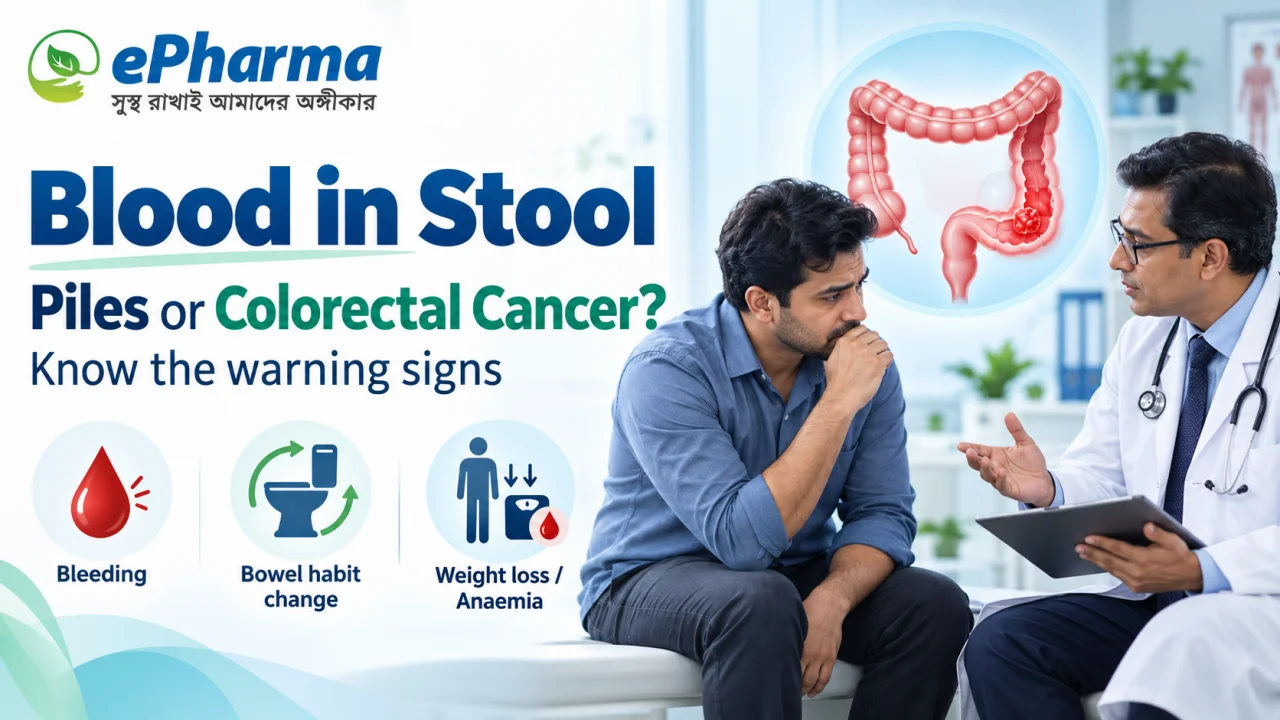
Blood in stool may be piles, fissures or colorectal cancer. Learn warning signs, bowel changes, tests and when rectal bleeding needs urgent care.
What blood in your stool may mean
Seeing blood after a bowel movement often makes people think of haemorrhoids. Piles and anal fissures are common explanations, but the colour of the blood and presence or absence of pain cannot reliably establish the cause. Polyps, inflammation, infection and colorectal cancer can also cause bleeding. Do not keep treating presumed piles without an assessment.
How haemorrhoids, fissures and cancer may differ
Internal haemorrhoids can cause painless bright-red bleeding at the end of a bowel movement. An anal fissure often causes sharp pain or burning during passage of stool. A fistula may produce discharge, recurrent swelling or pus. Rectal cancer can cause blood mixed with stool and a feeling of incomplete emptying. These patterns overlap; a person can even have piles and another serious problem at the same time.
Blood colour and accompanying warning signs
Bright-red blood can come from the rectum or lower bowel. Dark-red or black tarry stool can signal bleeding further up the digestive tract, although some foods and iron supplements can also change stool colour. New changes in bowel habits, pain, unintentional weight loss, fatigue or breathlessness are important clues. Bleeding can also be hidden, so stool may look normal.
Why unexplained iron-deficiency anaemia matters
Slow blood loss from the bowel can be invisible. A low haemoglobin or iron-deficiency result may be an early clue, although prolonged haemorrhoidal bleeding can also lead to anaemia. Replacing iron without finding the reason for unexplained blood loss may delay appropriate care. Ask your clinician to investigate the source.
Colorectal cancer can occur in younger adults
Yes. Although colorectal cancer is more common with increasing age, it can affect younger people. A small US study of 84 patients aged 21 or younger, discussed in a 2026 Bangladeshi report, illustrates the possibility of delayed diagnosis but cannot establish Bangladesh-wide rates. Persistent bleeding deserves evaluation regardless of age or family history.
How doctors investigate rectal bleeding
The clinician may ask about bleeding, bowel changes, medications, family history and other risks, then examine the abdomen and rectum. Blood counts, iron studies, proctoscopy or sigmoidoscopy may be appropriate. Colonoscopy can examine the colon directly and allow a biopsy. It is a diagnostic procedure, not the same as surgery, and the appropriate tests depend on the findings.
Screening is not the same as investigating symptoms
The American Cancer Society's 2026 guidance recommends routine screening from age 45 for average-risk people without symptoms. That is a US recommendation, not a verified national screening age for Bangladesh. If you have bleeding, weight loss or unexplained anaemia, do not wait until screening age. The clinical evaluation of symptoms is different from routine screening; a negative stool test does not settle every cause of visible bleeding.
When bleeding needs urgent attention
Black or dark-red stool or bloody diarrhoea calls for urgent same-day medical advice. Continuous bleeding, a large amount of blood or sizeable clots, fainting or increasing weakness warrants emergency care; do not drive yourself. Even small recurrent amounts of bleeding deserve a scheduled clinical assessment, particularly with bowel habit changes.
Reducing colorectal cancer risk
Not all colorectal cancers are preventable. Staying active, maintaining a healthy weight, eating fibre-rich foods, limiting processed meat, avoiding tobacco and reducing alcohol exposure are sensible steps. A family history of colorectal cancer, advanced polyps or inflammatory bowel disease may change when and how screening should begin.
Important note about the related products
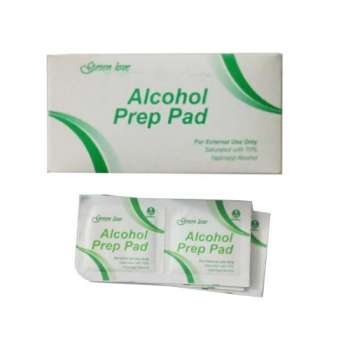
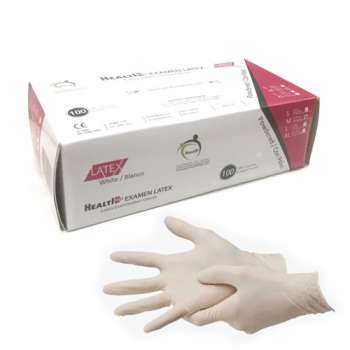
The gloves, alcohol pads and cotton shown below are general clinic examination or sample-handling supplies. They are not FIT kits, colonoscopy devices, colorectal screening tools or treatment for bleeding. They are not a reason to self-test. Haemorrhoid ointments have intentionally been excluded because bleeding needs a diagnosis.
Bleeding pattern: a quick comparison
| Possible cause | Possible features |
|---|---|
| Haemorrhoids | Bright-red blood, sometimes painless |
| Anal fissure | Sharp pain during stool passage, small bleeding |
| Fistula | Discharge, swelling and sometimes blood |
| Colorectal cancer | Bleeding, bowel changes, anaemia or weight loss |
These patterns do not establish a diagnosis.
Piles and fissure guide · Constipation · CBC test guide
Frequently asked questions
Is blood in stool always piles?
No. Haemorrhoids are common, but colorectal cancer and other causes are possible.
Can blood colour distinguish piles and cancer?
No. Patterns can overlap and clinical evaluation is needed.
Can younger adults get colorectal cancer?
Yes. Persistent symptoms deserve evaluation at any age.
What if stool is black or dark red?
Get urgent medical advice, especially if it is tarry or accompanied by symptoms.
When is rectal bleeding an emergency?
For continuous heavy bleeding, large clots, fainting or severe weakness.
Which tests might be needed?
Examination, blood tests and sometimes sigmoidoscopy or colonoscopy.
Is colonoscopy surgery?
No. It is an examination that may include biopsy.
Does age 45 apply to everyone?
It is a US average-risk screening guideline, not a reason to delay assessment of symptoms.
How can risk be reduced?
Maintain healthy habits and discuss appropriate screening based on personal risk.
Sources
- NHS bowel cancer symptoms
- American Cancer Society colorectal cancer symptoms
- American Cancer Society screening guidance 2026
- Prothom Alo colorectal differential
- The Daily Star Bangla piles symptoms
- Jugantor colorectal symptoms
For general education. Ask a qualified doctor to identify the cause of bleeding.
Related Products