


✔ 100% Authentic Product
👁️ Viewed 2634 times
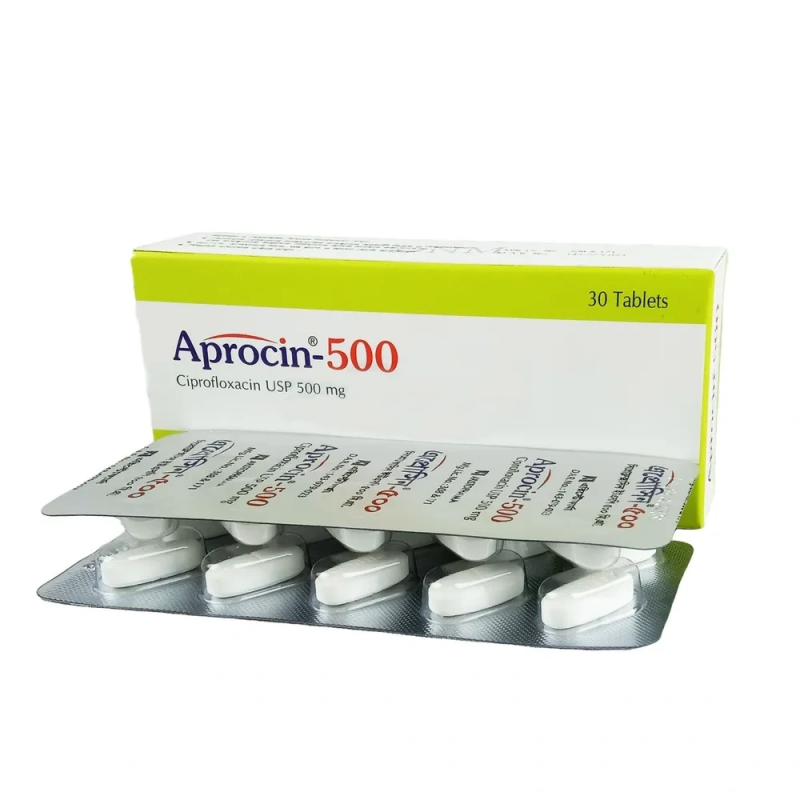
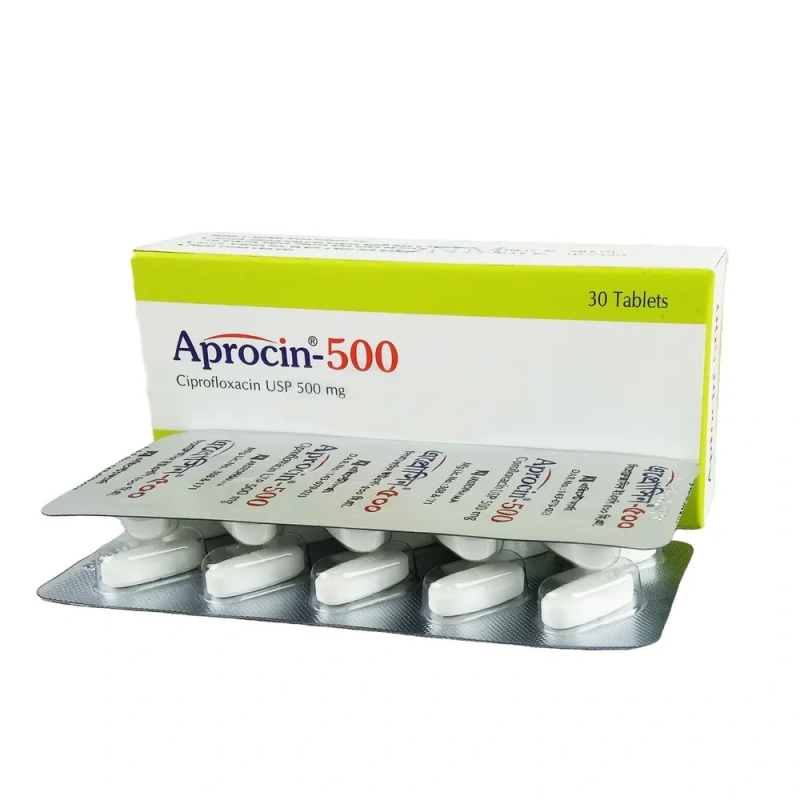
Aprocin 500mg Tablet 1 Strip
Aprocin 500 Tablet may be prescribed for susceptible bacterial infections, including:
- Urinary tract infections: Certain uncomplicated or complicated UTIs, including cystitis and pyelonephritis.
- Bacterial respiratory infections: Selected lower respiratory tract infections when ciprofloxacin is considered appropriate.
- Skin and soft-tissue infections: Certain bacterial infections of the skin and underlying tissues.
- Bone and joint infections: Osteomyelitis and septic arthritis caused by susceptible organisms.
- Infectious diarrhoea: Selected bacterial gastrointestinal infections.
- Typhoid fever: May be used where the causative organism remains susceptible.
- Chronic bacterial prostatitis: Treatment of susceptible bacterial infection of the prostate.
- Certain intra-abdominal infections: Usually when used as part of an appropriate antibiotic regimen.
- Certain gonococcal infections: Only where the organism is known to be susceptible, as resistance to ciprofloxacin is widespread.
Discount Price: ৳ 143
MRP:
৳
150.5
5%
off

100% Genuine Products, Guaranteed

Safe & Secure Payments, Always

Fast, Secure & Efficient Delivery

Proper Packaging
 Cash on Delivery - All over Bangladesh
 Regular Delivery: 24-48 Hours, Dhaka City* Charge Tk.39-59
- Regular Delivery: 48-96 Hours, Other Cities* Charge Tk.99-125
 ফ্রি ডেলিভারিঃ - ১৪৯৯ টাকা+ অর্ডারে, ঢাকা
শহরে
ফ্রি ডেলিভারিঃ - ১৪৯৯ টাকা+ অর্ডারে, ঢাকা
শহরে- ফ্রি ডেলিভারিঃ - ৪৯৯৯ টাকা+ অর্ডারে, ঢাকার
বাহিরে
📲 মোবাইল অ্যাপ অর্ডারে সাশ্রয় বেশী
-
Google Play Store থেকে ডাউনলোড
-
Apple Store থেকে ডাউনলোড
100% Genuine Products, Guaranteed
Safe & Secure Payments, Always
Fast, Secure & Efficient Delivery
Proper Packaging
- Cash on Delivery - All over Bangladesh
- Regular Delivery: 24-48 Hours, Dhaka City* Charge Tk.39-59
- Regular Delivery: 48-96 Hours, Other Cities* Charge Tk.99-125
- ফ্রি ডেলিভারিঃ - ১৪৯৯ টাকা+ অর্ডারে, ঢাকা
শহরে
- ফ্রি ডেলিভারিঃ - ৪৯৯৯ টাকা+ অর্ডারে, ঢাকার
বাহিরে
- Google Play Store থেকে ডাউনলোড
- Apple Store থেকে ডাউনলোড
📲 মোবাইল অ্যাপ অর্ডারে সাশ্রয় বেশী
✅ Description:
Aprocin 500 Tablet contains ciprofloxacin, a fluoroquinolone antibiotic used to treat certain bacterial infections. It may be prescribed for susceptible infections affecting the urinary tract, respiratory tract, skin and soft tissues, bones and joints, gastrointestinal tract, and other parts of the body.
Ciprofloxacin works by interfering with bacterial DNA replication and repair, preventing susceptible bacteria from multiplying and ultimately causing their death. It does not work against viral infections such as the common cold or influenza.
Aprocin 500 should be taken exactly as prescribed. Take doses at evenly spaced intervals and complete the prescribed treatment unless your doctor advises otherwise. It may be taken with or without food, but should not be taken together with dairy products or calcium-fortified drinks when consumed alone because they can reduce ciprofloxacin absorption.
- Drink adequate water during treatment unless medically advised otherwise.
- Avoid excessive exposure to strong sunlight or artificial UV light because ciprofloxacin may increase photosensitivity.
- Use appropriate sun protection when outdoors.
- Do not share antibiotics with other people.
- Do not save leftover antibiotics for future illnesses.
- Take the medicine only for the infection and duration prescribed by your doctor.
The exact regimen should be determined by the treating physician based on renal function and the infection being treated.

Relevant Products
Same generic alternatives, ranked by customer interest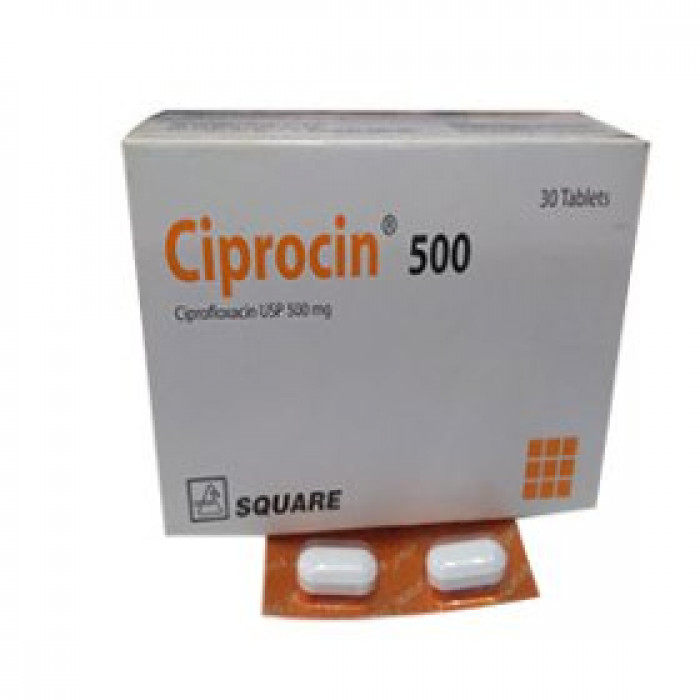
Ciprocin 500 Tablet 1 Strip
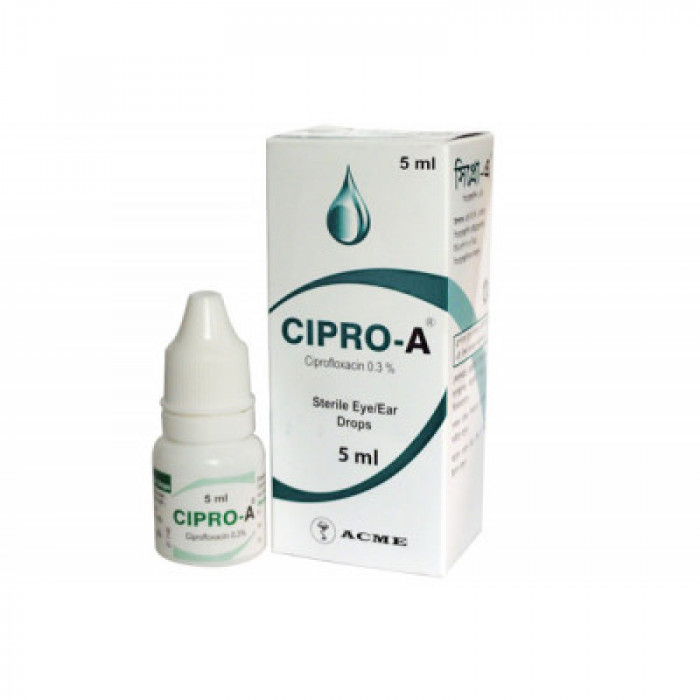
Cipro-A 0.3% Ear/Eye Drops 5ml
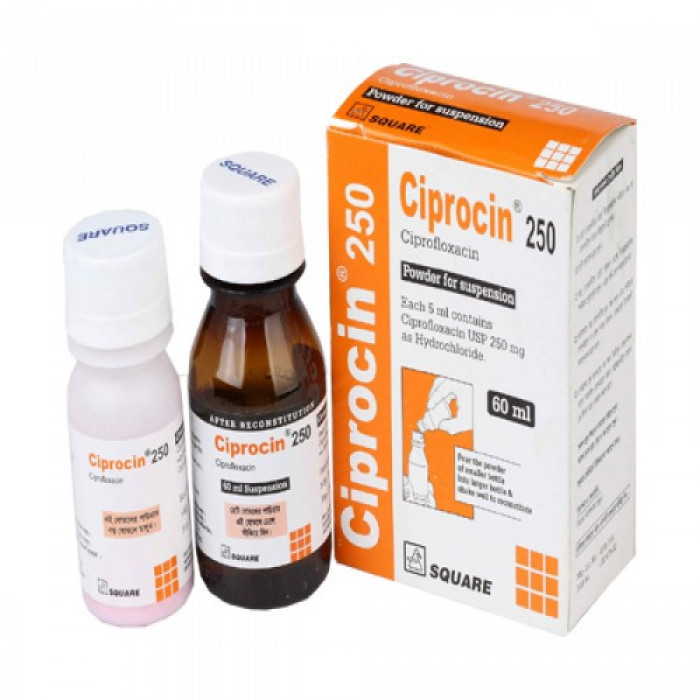
Ciprocin Suspension

Neofloxin 500mg Tablet

Bactin Ophthalmic Solution

Aprocin 0.3% Eye Ointment 3gm Tube
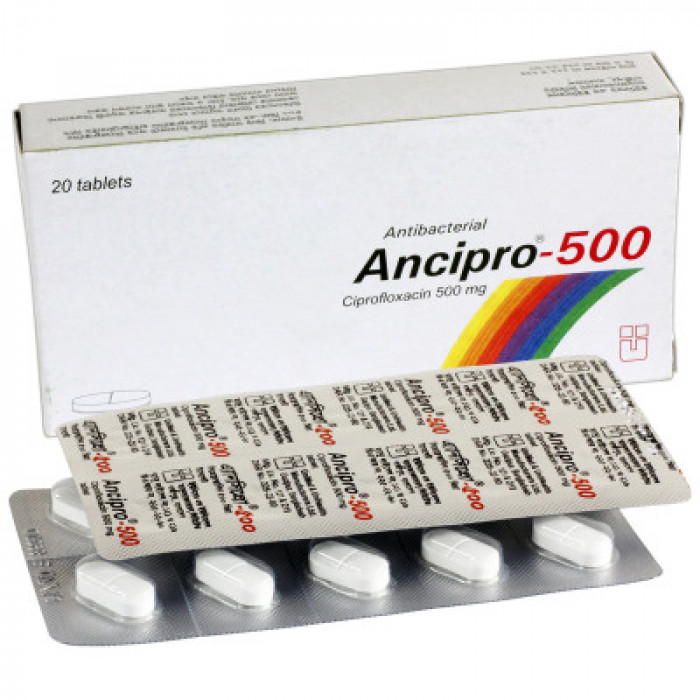
Ancipro 500mg Tablet

Aprocin 0.3% Eye/Ear Drop 10ml
More From Aristopharma Limited
Popular products from this manufacturer/brand
Ketozol 2% Medicated Anti-Dandruff Scalp Shampoo 100ml

Neobion 100mg+200mg+200mcg Tablet

Rupa 10mg Tablet
Avolac Oral Solution 200ml

Afrin 0.05% Nasal Drops

Rabe 20mg Tablet
Avolac Oral Solution 100ml

Optimox Eye Drops 0.5%
Related Posts



✔️ Benefits:
- Broad-spectrum antibacterial activity: Effective against a range of susceptible Gram-negative and some Gram-positive bacteria.
- Treats multiple bacterial infections: Can be used for selected infections involving different body systems.
- Good tissue penetration: Ciprofloxacin reaches therapeutic concentrations in several body tissues and fluids.
- Bactericidal action: Directly inhibits bacterial enzymes required for DNA replication and repair.
✔️ Directions for Use
- Take Aprocin exactly as prescribed by your doctor.
- Swallow the tablet whole with a full glass of water.
- It may be taken with or without food.
- Do not crush or chew the tablet unless specifically instructed.
- Take each dose at approximately the same time every day.
- Drink adequate fluids during treatment unless your doctor has advised fluid restriction.
- Complete the prescribed course unless your doctor tells you to stop.
- Do not take ciprofloxacin together with milk, yoghurt, or calcium-fortified juice when consumed alone.
- Avoid taking ciprofloxacin at the same time as aluminium- or magnesium-containing antacids, sucralfate, iron, calcium, or zinc supplements. These products should generally be taken at least 2 hours before or 6 hours after ciprofloxacin.
✔️ Avoid taking Aprocin 500 simultaneously with:
- Aluminium- or magnesium-containing antacids
- Sucralfate
- Iron supplements
- Calcium supplements
- Zinc supplements
- Dairy products or calcium-fortified beverages when consumed alone
Other medicines that may interact with ciprofloxacin include certain anticoagulants, antidiabetic medicines, antiarrhythmic drugs, theophylline, phenytoin, methotrexate, and medicines that prolong the QT interval.
Tizanidine must not be used together with ciprofloxacin.
Tell your doctor about all prescription medicines, over-the-counter products, and supplements you are taking.
✔️ Side Effects
Possible side effects include:
Common:
- Nausea
- Vomiting
- Diarrhoea or loose stools
- Indigestion
- Abdominal discomfort
- Headache
- Dizziness
- Rash
Other possible effects:
- Increased liver enzymes
- Joint or muscle discomfort
- Photosensitivity
- Injection-site or vein irritation with IV administration
Serious Adverse Effects
Fluoroquinolones, including ciprofloxacin, can rarely cause serious and potentially prolonged adverse effects.
Seek immediate medical attention if you develop:
- Tendon pain, swelling, or rupture
- Severe or persistent watery or bloody diarrhoea
- Severe allergic reactions
- Seizures or significant neurological symptoms
- Severe mental or behavioural changes
- Significant heart rhythm abnormalities
- Severe muscle weakness, particularly in patients with myasthenia gravis
- Symptoms of significant blood glucose disturbance
✔️ Pediatric Use
Ciprofloxacin is generally avoided in children and adolescents because of potential effects on developing joints. However, it may be used for specific serious infections when the expected benefits outweigh the potential risks.
When pediatric use is specifically indicated, dosing is based on body weight and the infection being treated. Specialist supervision is recommended.
✔️ Adult Dosage
The appropriate dose depends on the type and severity of infection, bacterial susceptibility, renal function, and the patient's clinical condition.
Oral dosage:
- Acute uncomplicated urinary tract infection: 250 mg twice daily for 3 days.
- Mild-to-moderate UTI: 250 mg twice daily for 7–14 days.
- Severe or complicated UTI: 500 mg twice daily for 7–14 days.
- Chronic bacterial prostatitis: 500 mg twice daily for 28 days.
- Lower respiratory tract infection: 500 mg twice daily for 7–14 days in mild-to-moderate infection; 750 mg twice daily for severe or complicated infection when appropriate.
- Acute sinusitis: 500 mg twice daily for 10 days when ciprofloxacin is considered appropriate.
- Skin and skin-structure infection: 500 mg twice daily for 7–14 days for mild-to-moderate infection; 750 mg twice daily for severe or complicated infection.
- Bone and joint infection: 500 mg twice daily for approximately 4–6 weeks for mild-to-moderate infection; 750 mg twice daily may be used for severe or complicated infection.
- Intra-abdominal infection: 500 mg twice daily for 7–14 days, generally as part of appropriate combination therapy.
- Infectious diarrhoea: 500 mg twice daily for 5–7 days, depending on the causative organism and clinical circumstances.
- Typhoid fever: 500 mg twice daily for 10 days where ciprofloxacin susceptibility has been confirmed or is expected.
- Uncomplicated gonococcal infection: Ciprofloxacin should only be used when susceptibility has been established because of widespread resistance.
✔️ Pregnancy and Breastfeeding
Ciprofloxacin is generally avoided during pregnancy unless the potential benefits clearly outweigh the possible risks.
Ciprofloxacin passes into breast milk. Breastfeeding mothers should consult their doctor before taking this medicine, who can assess the benefits and potential risks and determine whether an alternative treatment is more appropriate.
✔️ Aprocin should not be used in patients with:
- Known hypersensitivity to ciprofloxacin or other fluoroquinolone antibiotics.
- Previous serious adverse reactions associated with fluoroquinolones.
- Concurrent treatment with tizanidine, as ciprofloxacin can significantly increase tizanidine concentrations and cause serious adverse effects.
✔️ Renal Dose Adjustment
Dose adjustment may be necessary in patients with significant renal impairment.
- CrCl >50 mL/min: Usually no adjustment required.
- CrCl 30–50 mL/min: 250–500 mg orally every 12 hours may be used depending on the infection.
- CrCl <30 mL/min: Dose and/or dosing interval should be adjusted according to the formulation and clinical situation.
- Hemodialysis or peritoneal dialysis: Individualized dosing is required.
✔️ Use ciprofloxacin cautiously in patients with:
- Epilepsy or a history of seizures
- Central nervous system disorders
- Severe renal or hepatic impairment
- G6PD deficiency
- Myasthenia gravis
- Diabetes or a history of blood glucose abnormalities
- Existing tendon disorders
- QT prolongation or risk factors for abnormal heart rhythm
- Bradycardia or significant cardiac disease
- Uncorrected electrolyte abnormalities
✔️ Storage:
Store Aprocin Tablet in a dry place at room temperature, protected from excessive heat, moisture, and direct light.
⚠️Disclaimer:
At ePharma, we’re committed to providing accurate and accessible health information. However, all content is intended for informational purposes only and should not replace medical advice from a qualified physician. Please consult your healthcare provider for personalized guidance. We aim to support, not substitute, the doctor-patient relationship.
📦Pricing Information, Availability:
Product Availability & Pricing Notice
Please note that pricing, availability, and service offerings are subject to change due to: Market fluctuations, Manufacturer or supplier adjustments, Product discontinuation or temporary unavailability, Advertising errors. All orders depend on stock availability and staff resources. If services are provided on a time-and-materials basis, any shared estimates are for planning purposes only.



Reliable
All products displayed on ePharma are procured from govt. approved pharmaceuticals and verified licensed pharmacies from 2016.

Secure
ePharma uses Secure Sockets Layer (SSL) 128-bit 🔒 encryption and is Payment Card Industry DataSecurity Standard (PCI DSS) compliant.

Affordable
Find affordable medicine substitutes, save up to 50% on health products, up to 30% off on doctor consultations.

Social
Providing health care services under the health and beauty category with more than 170K Facebook audience and 10M+ reach.







Get more features!
Download the app now
✓ Doctor consultation ✓ 24/7 helpline

