


✔ 100% Authentic Product
👁️ Viewed 2697 times
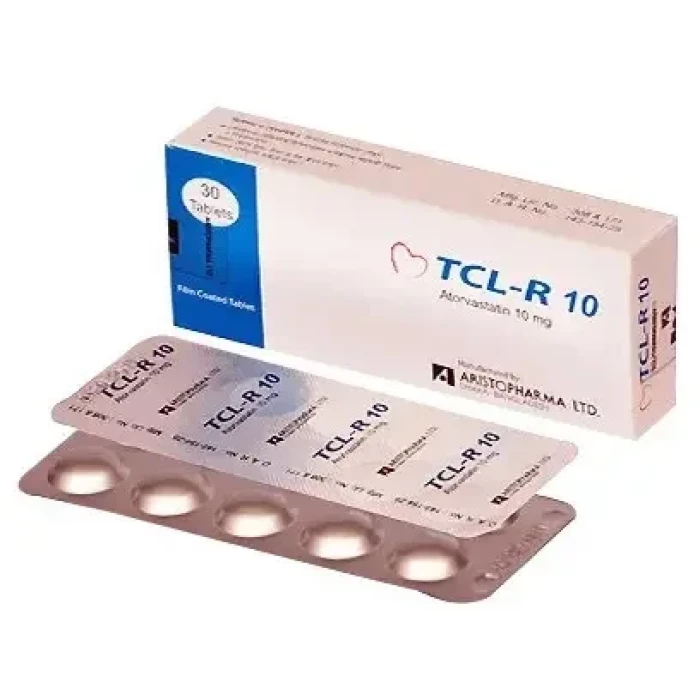
TCL-R 10mg Tablet 1 Strip
- The dose of TCL-R should be individualized according to the patient's condition, cholesterol levels, treatment goals, and response to therapy. Patients should follow a standard cholesterol-lowering diet before starting treatment and continue it throughout therapy.
- Primary hypercholesterolemia and combined hyperlipidemia
- Adults: The usual starting dose is 10 mg once daily. If necessary, the dose may be increased at intervals of at least four weeks, up to a maximum of 80 mg once daily.
- Children and adolescents aged 10–18 years: The initial dose is 10 mg once daily. Adjustments may be made at intervals of at least four weeks according to response and the applicable treatment guidelines.
- Familial hypercholesterolemia
- Adults: Treatment usually starts at 10 mg once daily and may be increased to 40 mg daily after appropriate intervals. If additional reduction is required, the dose may be increased to a maximum of 80 mg daily. In heterozygous familial hypercholesterolemia, 40 mg daily may be combined with an anion-exchange resin when appropriate.
- Children and adolescents aged 10–18 years: Treatment generally starts at 10 mg once daily, with dose adjustments according to clinical response and specialist guidance.
- Prevention of cardiovascular events
- - Adults: The usual initial dose is 10 mg once daily, with subsequent adjustments based on the patient's response and cardiovascular risk.
- General administration guidelines
- The recommended adult starting dose is usually 10 or 20 mg once daily.
- Patients requiring a substantial LDL cholesterol reduction of more than 45% may be started on 40 mg once daily when clinically appropriate.
- The usual dose range is 10–80 mg once daily.
- Atorvastatin may be taken at any time of day, with or without food.
- Lipid levels should generally be reassessed within 2–4 weeks after starting treatment, and the dose adjusted if necessary.
- For pediatric patients aged 10–17 years with hypercholesterolemia, the usual starting dose is 10 mg daily, with a maximum recommended dose of 20 mg daily under the referenced pediatric guideline. Doses above 20 mg have not been adequately studied in this population.
- Dosage must be determined by a registered physician.
Discount Price: ৳ 114
MRP:
৳
120
5%
off

100% Genuine Products, Guaranteed

Safe & Secure Payments, Always

Fast, Secure & Efficient Delivery

Proper Packaging
 Cash on Delivery - All over Bangladesh
 Regular Delivery: 24-48 Hours, Dhaka City* Charge Tk.39-59
- Regular Delivery: 48-96 Hours, Other Cities* Charge Tk.99-125
 ফ্রি ডেলিভারিঃ - ১৪৯৯ টাকা+ অর্ডারে, ঢাকা
শহরে
- ফ্রি ডেলিভারিঃ - ৪৯৯৯ টাকা+ অর্ডারে, ঢাকার
বাহিরে
📲 মোবাইল অ্যাপ অর্ডারে সাশ্রয় বেশী
-
Google Play Store থেকে ডাউনলোড
-
Apple Store থেকে ডাউনলোড
100% Genuine Products, Guaranteed
Safe & Secure Payments, Always
Fast, Secure & Efficient Delivery
Proper Packaging
- Cash on Delivery - All over Bangladesh
- Regular Delivery: 24-48 Hours, Dhaka City* Charge Tk.39-59
- Regular Delivery: 48-96 Hours, Other Cities* Charge Tk.99-125
- ফ্রি ডেলিভারিঃ - ১৪৯৯ টাকা+ অর্ডারে, ঢাকা
শহরে
- ফ্রি ডেলিভারিঃ - ৪৯৯৯ টাকা+ অর্ডারে, ঢাকার
বাহিরে
- Google Play Store থেকে ডাউনলোড
- Apple Store থেকে ডাউনলোড
📲 মোবাইল অ্যাপ অর্ডারে সাশ্রয় বেশী
✅ Description:
TCL-R (atorvastatin) is used alongside a cholesterol-lowering diet to reduce elevated total cholesterol, LDL cholesterol, apolipoprotein B (Apo-B), and triglyceride levels when dietary changes and other non-drug measures do not provide adequate results. It is indicated for:
- Familial hypercholesterolemia: Reducing total cholesterol and LDL cholesterol in patients with heterozygous or homozygous familial hypercholesterolemia.
- Mixed dyslipidemia: Managing elevated cholesterol and triglyceride levels in patients with Fredrickson Type IIa and IIb disorders.
- Hypertriglyceridemia: Treating elevated serum triglyceride levels associated with Fredrickson Type IV hyperlipidemia.
- Dysbetalipoproteinemia: Managing lipid abnormalities associated with Fredrickson Type III hyperlipidemia.
- Coronary artery disease: Reducing the risk of cardiac ischemic events in patients with asymptomatic or mild-to-moderate symptomatic coronary artery disease and elevated LDL cholesterol.
- Diabetes mellitus or renal transplantation: Lowering total and LDL cholesterol in patients with hypercholesterolemia associated with or worsened by diabetes or kidney transplantation.

Relevant Products
Same generic alternatives, ranked by customer interest
Atova 20mg Tablet
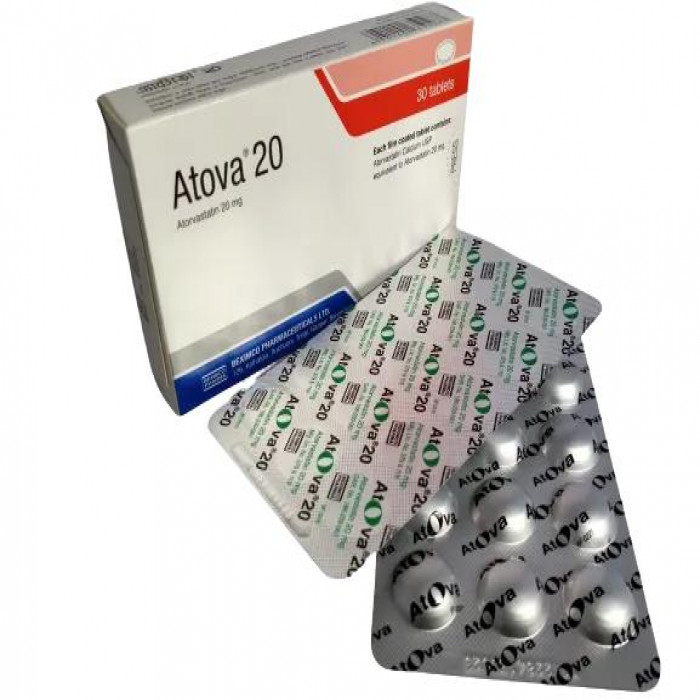
Atova 10mg Tablet 15pcs
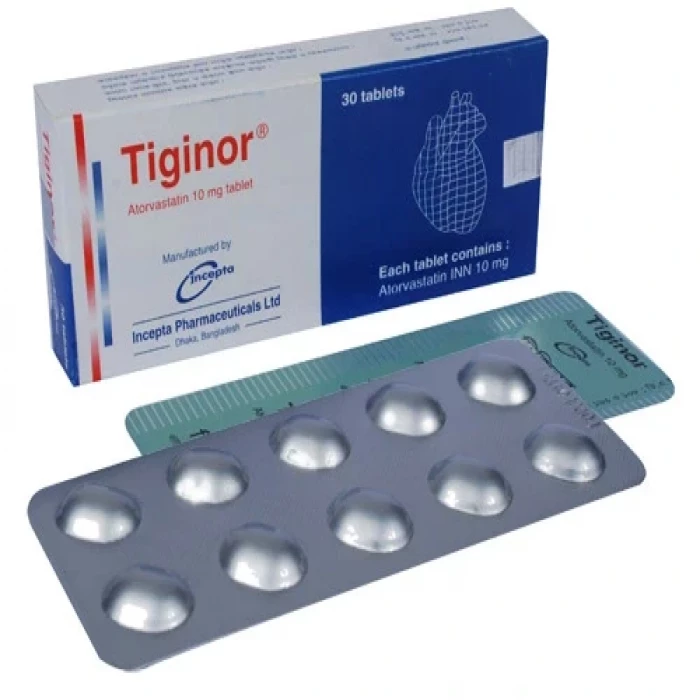
Tiginor 10mg Tablet 1 Strip
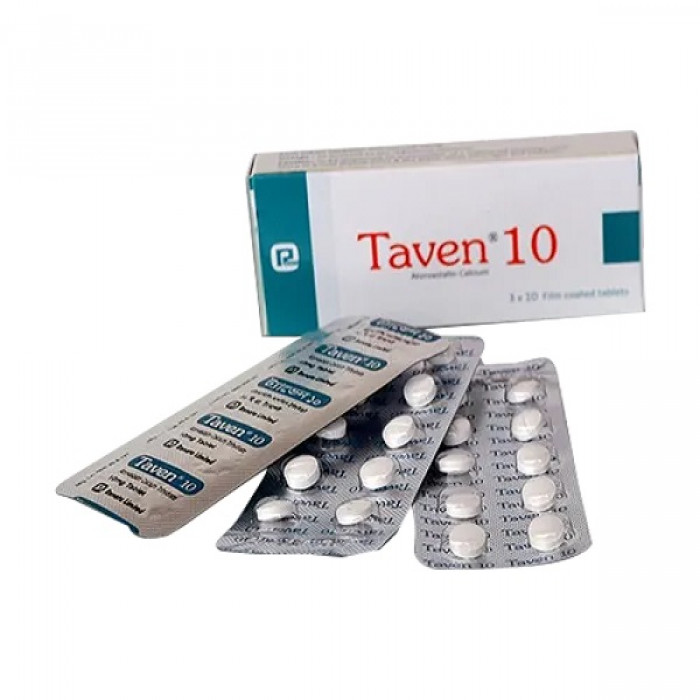
Taven 10mg Tablet 1 Strip
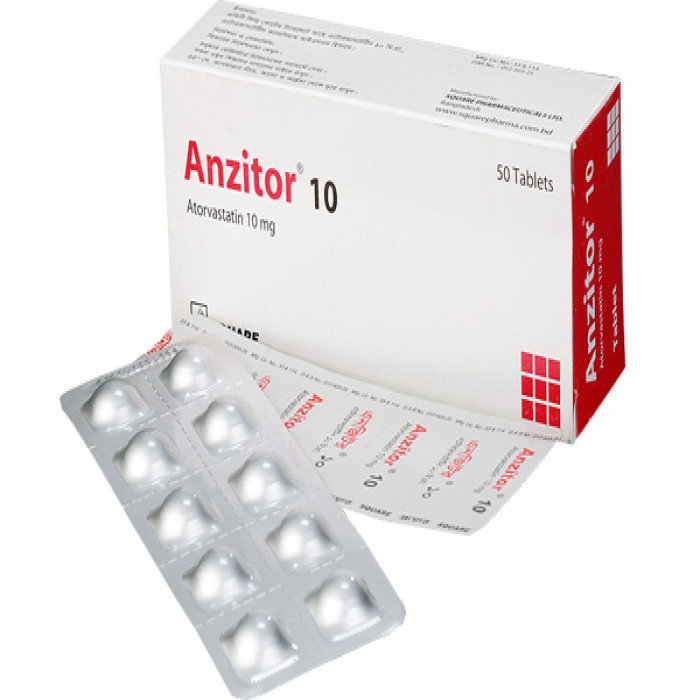
Anzitor 10 Tablet 1 Strip

Anzitor 20mg Tablet

ATV 10mg Tablet 1 Strip
Frenvas 20mg 21pcs
More From Aristopharma Limited
Popular products from this manufacturer/brand
Apetiz Syrup 200ml
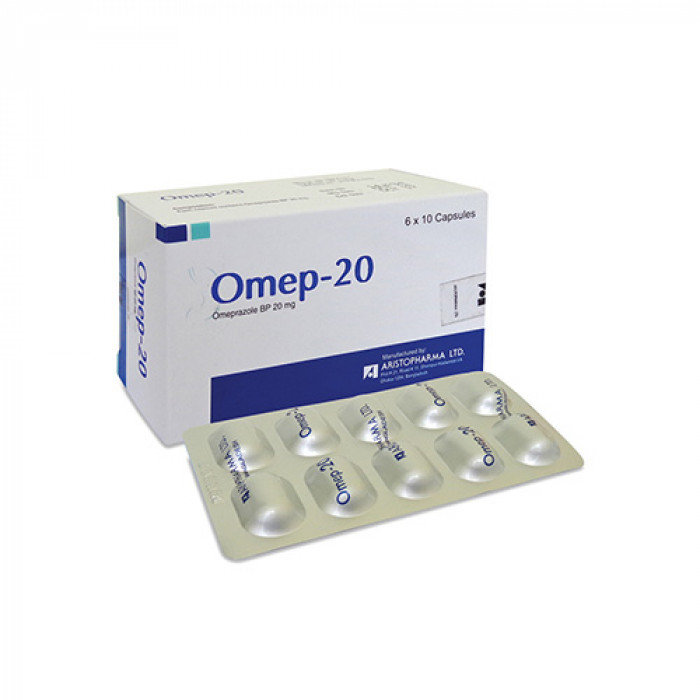
Omep 20mg Capsule 1 Strip
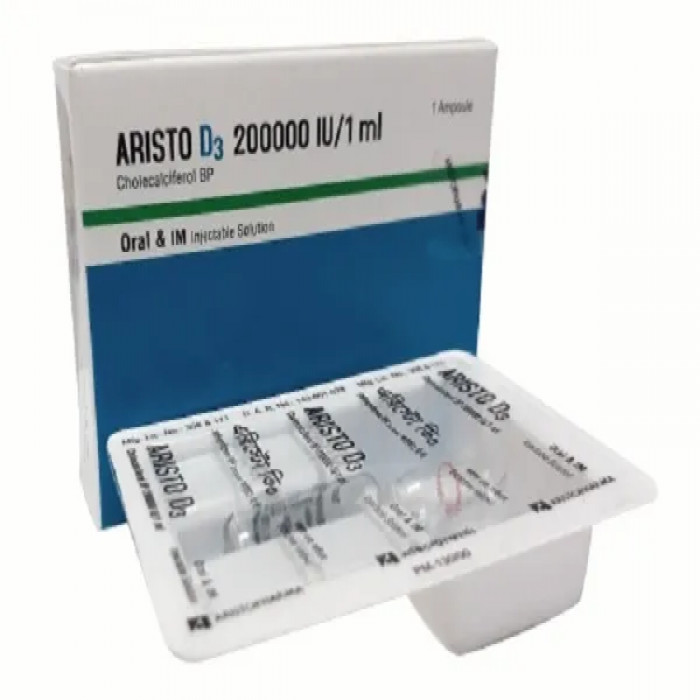
Aristo D3 200000 IU/1ml Injection
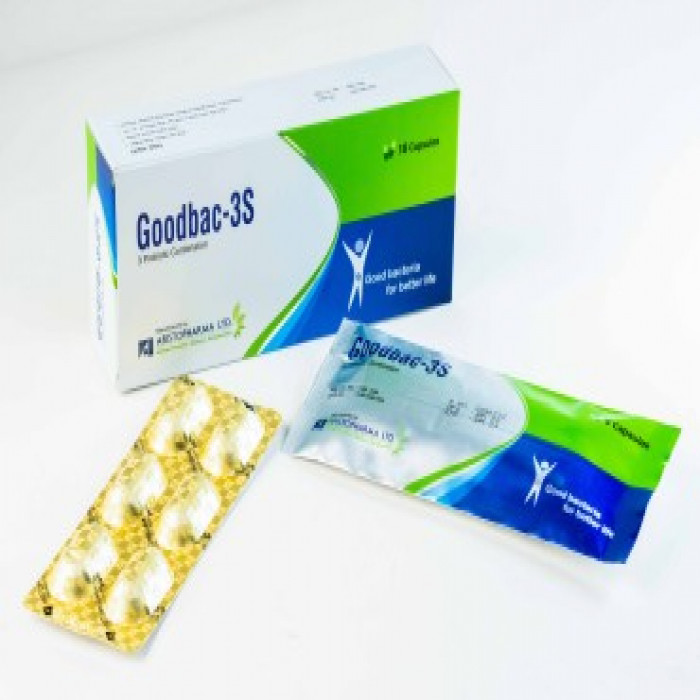
Goodbac 3S 4Billion Capsule 1 Strip
Audicare 0.3%+1%+0.025%+2% Ear Drops 10ml
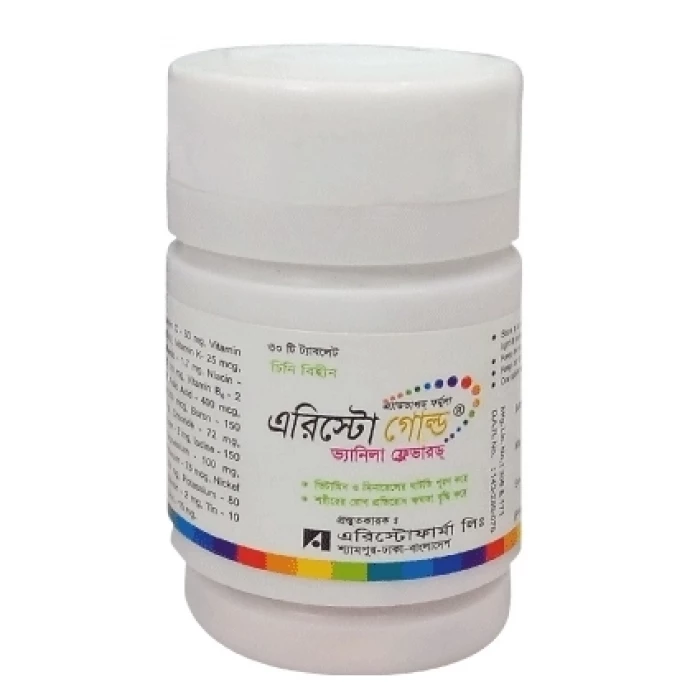
Aristo Gold Tablet (30pcs Pot)
Cutin 5mg Capsule 10pcs
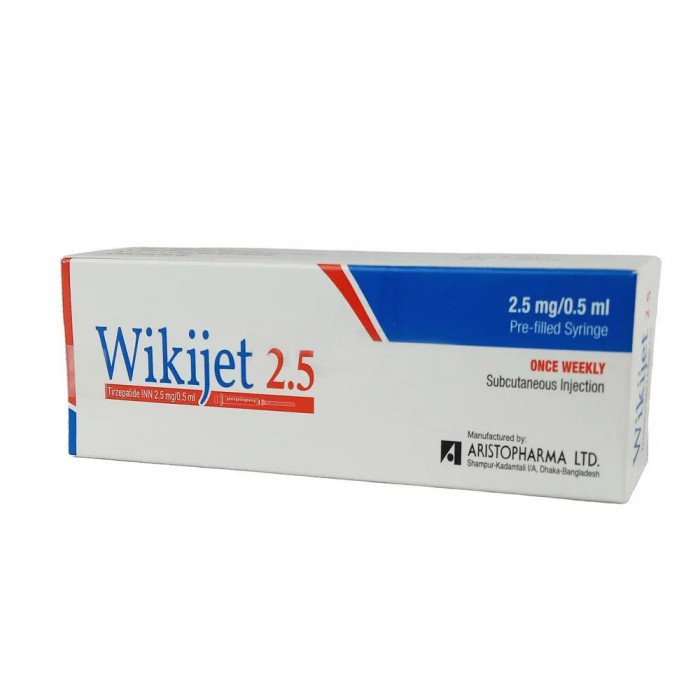
Wikijet 2.5mg/0.5ml Pre-Filled Syringe
কীভাবে অর্ডার করবেন?How to Order?
How to Orderওয়েবসাইট থেকে অর্ডার করার সহজ ভিডিও গাইড।
অ্যাপ থেকে অর্ডারের সহজ ভিডিও গাইড
অ্যাপ ডাউনলোডDownload ePharma App বিস্তারিত গাইড ›Detailed App Ordering GuideRelated Posts



✔️ Pharmacology
Atorvastatin is a selective inhibitor of the enzyme HMG-CoA reductase, which plays a key role in converting HMG-CoA into mevalonate, a precursor required for cholesterol synthesis. By inhibiting this enzyme, atorvastatin reduces cholesterol production in the liver and lowers circulating cholesterol and lipoprotein levels. It also increases the number of LDL receptors on liver cells, enhancing the removal and breakdown of LDL cholesterol from the bloodstream.
Absorption: Atorvastatin is rapidly absorbed after oral administration, reaching peak plasma concentrations within 1–2 hours. Its absorption increases proportionally with the administered dose. The absolute bioavailability of the parent drug is approximately 14%, while the systemic availability of HMG-CoA reductase inhibitory activity is about 30%.
Distribution: The mean volume of distribution is approximately 381 litres, and about 98% of atorvastatin binds to plasma proteins. Its blood-to-plasma ratio of approximately 0.25 indicates limited penetration into red blood cells. Animal studies suggest that atorvastatin may also be secreted into breast milk in humans.
Metabolism: Atorvastatin undergoes extensive metabolism into ortho-hydroxylated and para-hydroxylated derivatives, along with several beta-oxidation products. These active metabolites contribute substantially to its cholesterol-lowering action, accounting for approximately 70% of circulating HMG-CoA reductase inhibitory activity. The enzyme CYP3A4 plays an important role in its metabolism, which explains why medicines such as erythromycin can increase atorvastatin concentrations. In animals, the ortho-hydroxy metabolite undergoes further glucuronidation.
Excretion: Atorvastatin and its metabolites are eliminated mainly through bile following hepatic and extrahepatic metabolism. The drug does not appear to undergo significant enterohepatic recirculation. Its average plasma elimination half-life is approximately 14 hours, while the inhibitory activity persists for 20–30 hours due to active metabolites. Less than 2% of an oral dose is excreted in urine.
✔️ Dosage & Administration
Geriatric patients: In healthy adults aged 65 years and older, atorvastatin plasma concentrations may be approximately 40% higher for peak concentration (Cmax) and 30% higher for overall exposure (AUC) than in younger adults. Older patients may experience a greater LDL cholesterol reduction at the same dose.
Pediatric patients: Pharmacokinetic information in children is limited. Use in children should follow approved age-specific indications, dosage recommendations, and specialist advice.
Gender: No clinically significant difference in LDL cholesterol reduction has been observed between men and women.
Renal impairment: Kidney disease generally does not significantly affect atorvastatin plasma concentrations or its LDL cholesterol-lowering effect. Dose adjustment is usually unnecessary in patients with renal impairment.
Hemodialysis: Hemodialysis is not expected to substantially increase atorvastatin clearance because the drug is extensively bound to plasma proteins.
Hepatic impairment: Atorvastatin concentrations may increase substantially in patients with chronic alcoholic liver disease. It should not be used in patients with active liver disease or unexplained persistent transaminase elevations.
✔️ Interaction
- TCL-R may interact with other medicines, potentially affecting its safety or cholesterol-lowering effect.
- Cyclosporine, fibrates, niacin, erythromycin, and azole antifungals: Concomitant use may increase the risk of myopathy and muscle-related complications.
- Antacids: Antacid suspensions may reduce atorvastatin plasma concentrations by approximately 35%, although the reduction in LDL cholesterol may remain unchanged.
- Colestipol: May lower atorvastatin plasma concentrations by approximately 25%. However, the combination may produce a greater reduction in LDL cholesterol than either medicine alone.
- Digoxin: Concurrent administration may increase steady-state digoxin concentrations by approximately 20%. Appropriate monitoring is recommended.
- Erythromycin: May increase atorvastatin plasma concentrations by approximately 40% through inhibition of CYP3A4.
- Oral contraceptives: Atorvastatin may increase the exposure to norethindrone and ethinyl estradiol by approximately 30% and 20%, respectively. These effects should be considered when selecting an oral contraceptive.
- Warfarin: TCL-R has not shown a clinically significant effect on prothrombin time in patients receiving long-term warfarin therapy. Monitoring may still be appropriate when treatment is initiated or adjusted.
✔️ Side Effects:
- Constipation
- Flatulence
- Indigestion (dyspepsia)
- Abdominal pain
- Headache
- Back pain
- Skin rash
- Weakness or fatigue (asthenia)
- Joint pain (arthralgia)
- Muscle pain (myalgia)
- Infections
✔️ TCL-R should not be used in patients who:
- Have a known hypersensitivity to atorvastatin or any component of the formulation.
- Have active liver disease or unexplained, persistent elevations in serum transaminase levels.
- Have previously experienced a serious adverse reaction to an HMG-CoA reductase inhibitor.
✔️ Pregnancy & Lactation
Pregnancy: Atorvastatin is contraindicated during pregnancy because its safety has not been established in pregnant women. Animal studies have shown reproductive toxicity, and cholesterol synthesis is important for fetal development. Women who are pregnant, planning to become pregnant, or suspect they may be pregnant should not use atorvastatin. Treatment should be discontinued if pregnancy occurs, under medical guidance.
Lactation: It is unknown whether atorvastatin or its metabolites pass into human breast milk. Animal studies have demonstrated the presence of the drug and its active metabolites in milk. Because of the potential risk of serious adverse effects in infants, atorvastatin is contraindicated during breastfeeding.
✔️ Precautions & Warnings
- Liver function: Liver function tests should be performed before treatment begins and periodically during therapy when clinically indicated.
- Alcohol consumption: Use with caution in patients who consume substantial amounts of alcohol or have a history of liver disease.
- Muscle complications: If myopathy is suspected or diagnosed, or creatine phosphokinase (CPK) levels become markedly elevated, treatment should be discontinued or reassessed by the treating physician.
- Diet and lifestyle: Continue the prescribed cholesterol-lowering diet and recommended lifestyle measures during treatment.
- Drug interactions: Inform the physician about all prescription medicines, over-the-counter products, and supplements being taken.
✔️ Storage Conditions
Store in a dry place, protected from light and heat. Keep out of the reach of children.
⚠️Disclaimer:
At ePharma, we’re committed to providing accurate and accessible health information. However, all content is intended for informational purposes only and should not replace medical advice from a qualified physician. Please consult your healthcare provider for personalized guidance. We aim to support, not substitute, the doctor-patient relationship.
📦Pricing Information, Availability:
Product Availability & Pricing Notice
Please note that pricing, availability, and service offerings are subject to change due to: Market fluctuations, Manufacturer or supplier adjustments, Product discontinuation or temporary unavailability, Advertising errors. All orders depend on stock availability and staff resources. If services are provided on a time-and-materials basis, any shared estimates are for planning purposes only.


Reliable
All products displayed on ePharma are procured from govt. approved pharmaceuticals and verified licensed pharmacies from 2016.

Secure
ePharma uses Secure Sockets Layer (SSL) 128-bit 🔒 encryption and is Payment Card Industry DataSecurity Standard (PCI DSS) compliant.

Affordable
Find affordable medicine substitutes, save up to 50% on health products, up to 30% off on doctor consultations.

Social
Providing health care services under the health and beauty category with more than 170K Facebook audience and 10M+ reach.







Get more features!
Download the app now
✓ Doctor consultation ✓ 24/7 helpline