


✔ 100% Authentic Product
👁️ Viewed 2441 times
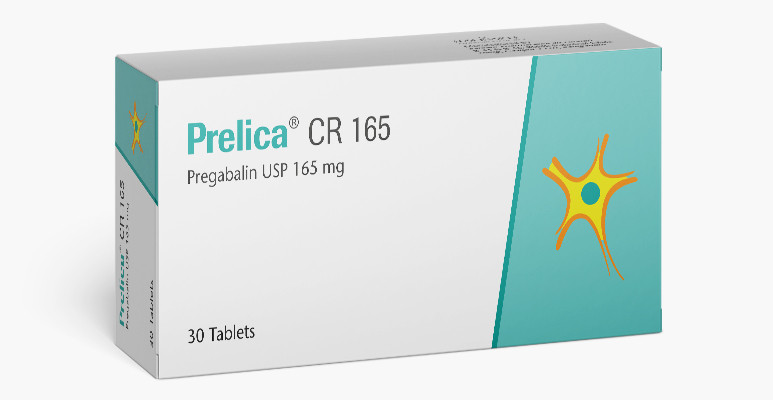
Prelica CR 165 Tablet
Diabetic peripheral neuropathy:
Treatment generally starts at 50 mg three times daily (150 mg/day). Depending on response and tolerability, the dose may be increased to 300 mg/day within one week. The maximum recommended dose is 300 mg/day for patients with adequate renal function.
For the controlled-release formulation, treatment may begin with 165 mg once daily, increasing to 330 mg once daily if required.
Postherpetic neuralgia:
The usual starting dose is 75 mg twice daily or 50 mg three times daily (150 mg/day). The dose may be increased to 300 mg/day within one week. In patients who continue to have significant pain and tolerate treatment, doses up to 600 mg/day may be considered under medical supervision.
For controlled-release tablets, treatment may begin at 165 mg once daily and increase to 330 mg once daily. In selected patients, the dose may be increased to a maximum of 660 mg once daily.
Fibromyalgia:
Treatment usually starts at 75 mg twice daily (150 mg/day). The dose may be increased to 300 mg/day, and if necessary, up to 450 mg/day depending on response and tolerability.
Neuropathic pain associated with spinal cord injury:
The recommended range is 150–600 mg/day. Treatment may begin with 75 mg twice daily, increasing to 300 mg/day within one week. If required and tolerated, the dose may be increased further under medical supervision.
Partial-onset seizures:
Pregabalin is used as adjunctive therapy. The usual initial dose is 150 mg/day, which may be increased to 300 mg/day after approximately one week. The maximum recommended dose is 600 mg/day.
Discount Price: ৳ 202
MRP:
৳
210
4%
off

100% Genuine Products, Guaranteed

Safe & Secure Payments, Always

Fast, Secure & Efficient Delivery

Proper Packaging
 Cash on Delivery - All over Bangladesh
 Regular Delivery: 24-48 Hours, Dhaka City* Charge Tk.39-59
- Regular Delivery: 48-96 Hours, Other Cities* Charge Tk.99-125
 ফ্রি ডেলিভারিঃ - ১৪৯৯ টাকা+ অর্ডারে, ঢাকা
শহরে
ফ্রি ডেলিভারিঃ - ১৪৯৯ টাকা+ অর্ডারে, ঢাকা
শহরে- ফ্রি ডেলিভারিঃ - ৪৯৯৯ টাকা+ অর্ডারে, ঢাকার
বাহিরে
📲 মোবাইল অ্যাপ অর্ডারে সাশ্রয় বেশী
-
Google Play Store থেকে ডাউনলোড
-
Apple Store থেকে ডাউনলোড
100% Genuine Products, Guaranteed
Safe & Secure Payments, Always
Fast, Secure & Efficient Delivery
Proper Packaging
- Cash on Delivery - All over Bangladesh
- Regular Delivery: 24-48 Hours, Dhaka City* Charge Tk.39-59
- Regular Delivery: 48-96 Hours, Other Cities* Charge Tk.99-125
- ফ্রি ডেলিভারিঃ - ১৪৯৯ টাকা+ অর্ডারে, ঢাকা
শহরে
- ফ্রি ডেলিভারিঃ - ৪৯৯৯ টাকা+ অর্ডারে, ঢাকার
বাহিরে
- Google Play Store থেকে ডাউনলোড
- Apple Store থেকে ডাউনলোড
📲 মোবাইল অ্যাপ অর্ডারে সাশ্রয় বেশী
✅ Description:
Prelica CR 165 is used for the management of:
- Neuropathic pain associated with diabetic peripheral neuropathy
- Postherpetic neuralgia
- Fibromyalgia
- Neuropathic pain caused by spinal cord injury
- As adjunctive treatment for partial-onset seizures in patients aged 1 month and above
Pregabalin is structurally related to the inhibitory neurotransmitter GABA, although it does not directly act on GABA or benzodiazepine receptors. It binds strongly to the alpha-2-delta subunit of voltage-gated calcium channels in the central nervous system. This action reduces the release of several neurotransmitters involved in pain transmission and abnormal neuronal activity, contributing to its analgesic and anticonvulsant effects

Relevant Products
Same generic alternatives, ranked by customer interest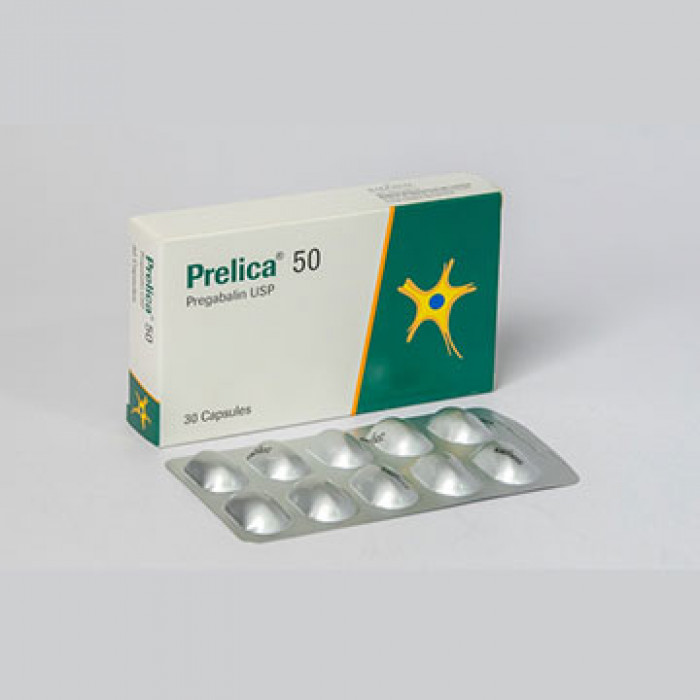
Prelica 50mg Capsule

Neurolin 50mg 10pcs
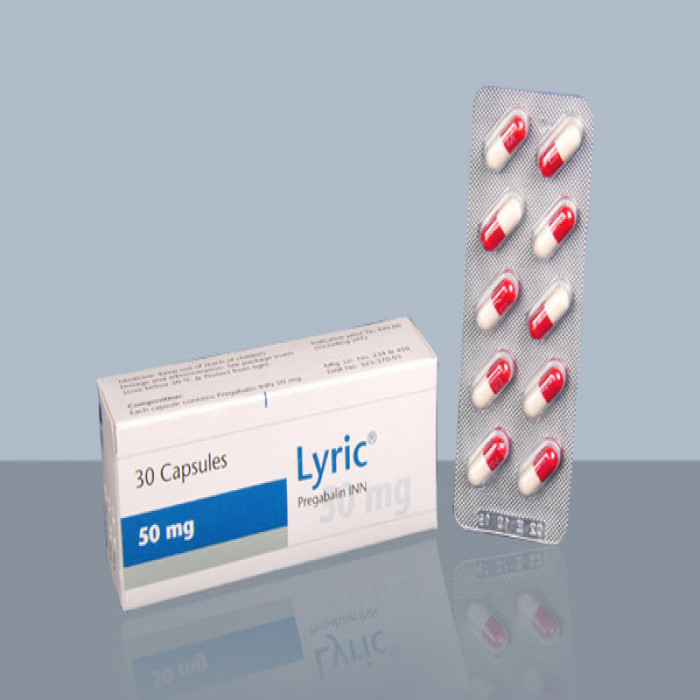
Lyric 50mg 10pcs
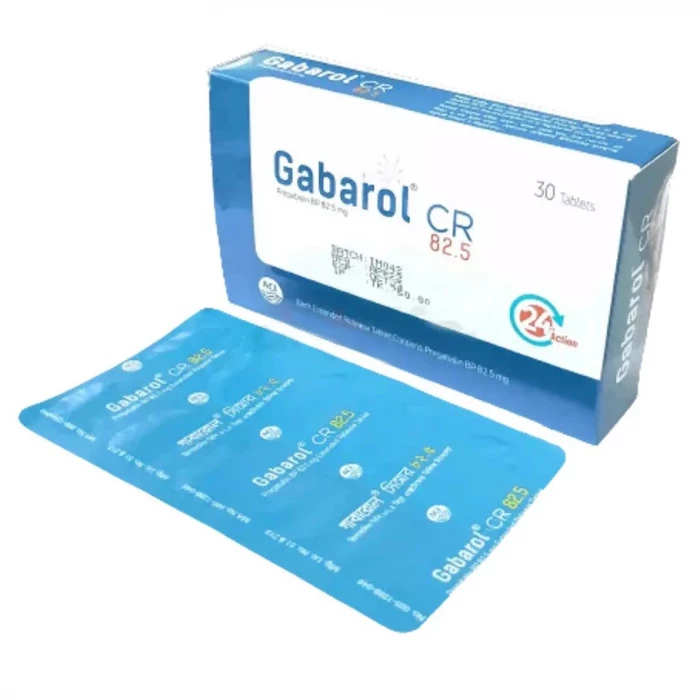
Gabarol CR 82.5mg Tablet 1 Strip
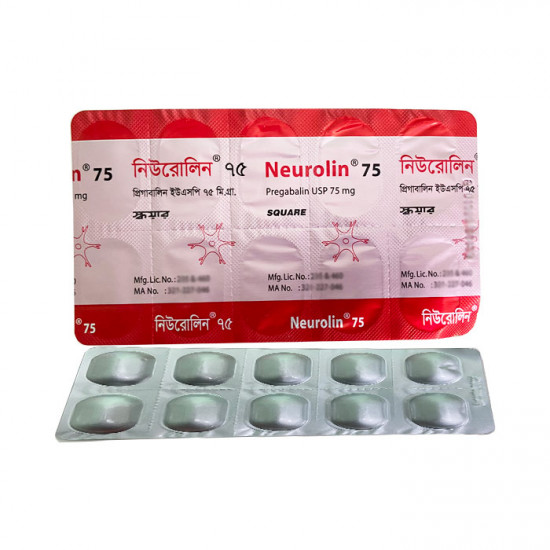
Neurolin 75mg 10pcs

Pregaben 150mg Capsule 20pcs Box

Nervalin 25mg Capsule 10pcs
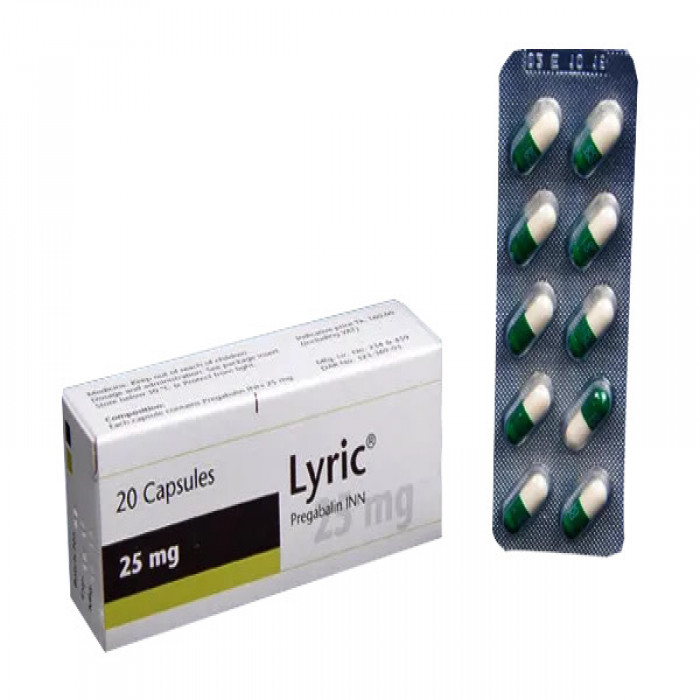
Lyric 25mg (20pcs Box)
More From Radiant Pharmaceutical Ltd.
Popular products from this manufacturer/brand
ATOZ Premium

Floriz 5000mcg Tablet

Floriz 1000mcg Tablet
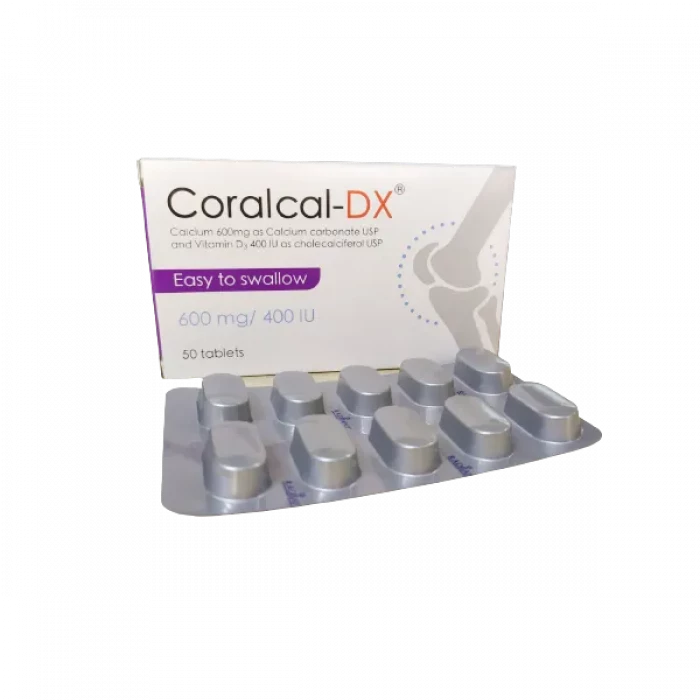
Coralcal DX Tablet
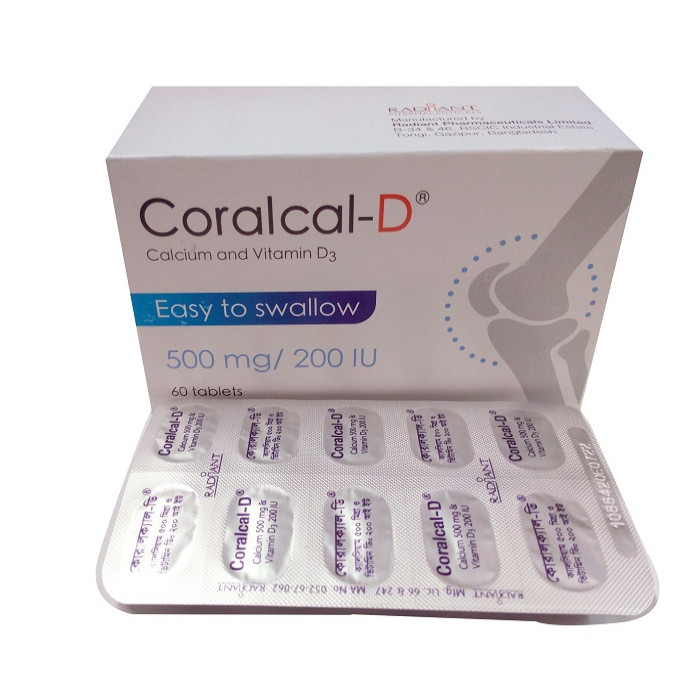
Coralcal-D Tablet

Acteria Sachet 4 Billion
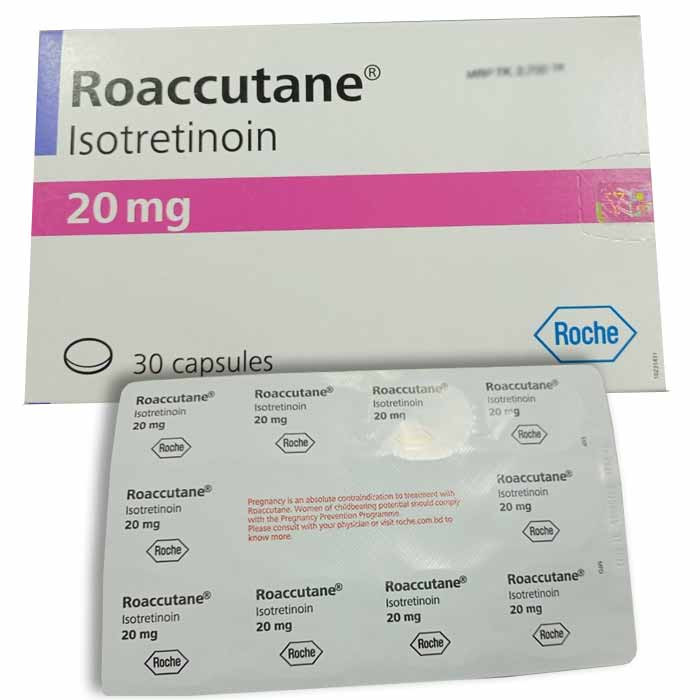
Roaccutane 20mg Capsule

Panaseng 500mg Capsule (30pcs Pot)
কীভাবে অর্ডার করবেন?How to Order?
How to Orderওয়েবসাইট থেকে অর্ডার করার সহজ ভিডিও গাইড।
অ্যাপ থেকে অর্ডারের সহজ ভিডিও গাইড
অ্যাপ ডাউনলোডDownload ePharma App বিস্তারিত গাইড ›Detailed App Ordering GuideRelated Posts



✔️ Renal Impairment
Pregabalin is eliminated mainly through the kidneys, so the dose should be adjusted according to renal function. Lower doses are recommended when creatinine clearance is reduced. Patients receiving haemodialysis may require an additional dose after each dialysis session.
✔️ How to Take Prelica CR
Prelica CR should generally be taken once daily after an evening meal. Swallow the tablet whole with water; do not crush, chew, or split it.
If a dose is missed after the evening meal, specific timing instructions should be followed based on when the missed dose is remembered. Do not take extra doses to compensate.
When stopping pregabalin, treatment should be gradually reduced over at least one week rather than discontinued suddenly.
✔️ Drug Interactions
Pregabalin has relatively few significant pharmacokinetic drug interactions. However, caution is required when it is combined with other medicines that can cause sedation or respiratory depression.
✔️ Contraindication
Prelica CR should not be used in patients with known hypersensitivity to pregabalin or any component of the formulation.
✔️ Side Effects
- Dizziness
- Sleepiness
- Dry mouth
- Swelling of the hands, feet, or ankles
- Blurred vision
- Weight gain
- Difficulty concentrating or abnormal thinking
✔️ Pregnancy & Lactation
Adequate controlled studies in pregnant women are unavailable, so pregnant women should discuss the potential risks and benefits with their doctor.
Small amounts of pregabalin can pass into breast milk. Breastfeeding is generally not recommended during treatment because of potential risks.
✔️ Precautions & Warnings
Pregabalin may cause dizziness and drowsiness, which can affect driving and the ability to operate machinery. Avoid these activities until you know how the medicine affects you.
Rarely, angioedema involving the face, lips, tongue, throat, or airway may occur. Stop the medicine and seek immediate medical attention if swelling or breathing difficulty develops.
Pregabalin and other antiepileptic medicines may increase the risk of suicidal thoughts or unusual changes in mood or behaviour. Patients and caregivers should monitor for these changes.
Respiratory depression may occur, particularly when pregabalin is combined with other central nervous system depressants or in patients with underlying respiratory problems.
Peripheral edema may occur, and caution is advised when pregabalin is used with thiazolidinedione antidiabetic medicines.
✔️ Storage:
Store below 30°C in a cool, dry place protected from light and moisture. Keep out of reach of children.
⚠️Disclaimer:
At ePharma, we’re committed to providing accurate and accessible health information. However, all content is intended for informational purposes only and should not replace medical advice from a qualified physician. Please consult your healthcare provider for personalized guidance. We aim to support, not substitute, the doctor-patient relationship.
📦Pricing Information, Availability:
Product Availability & Pricing Notice
Please note that pricing, availability, and service offerings are subject to change due to: Market fluctuations, Manufacturer or supplier adjustments, Product discontinuation or temporary unavailability, Advertising errors. All orders depend on stock availability and staff resources. If services are provided on a time-and-materials basis, any shared estimates are for planning purposes only.


Reliable
All products displayed on ePharma are procured from govt. approved pharmaceuticals and verified licensed pharmacies from 2016.

Secure
ePharma uses Secure Sockets Layer (SSL) 128-bit 🔒 encryption and is Payment Card Industry DataSecurity Standard (PCI DSS) compliant.

Affordable
Find affordable medicine substitutes, save up to 50% on health products, up to 30% off on doctor consultations.

Social
Providing health care services under the health and beauty category with more than 170K Facebook audience and 10M+ reach.







Get more features!
Download the app now
✓ Doctor consultation ✓ 24/7 helpline