


✔ 100% Authentic Product
👁️ Viewed 2298 times
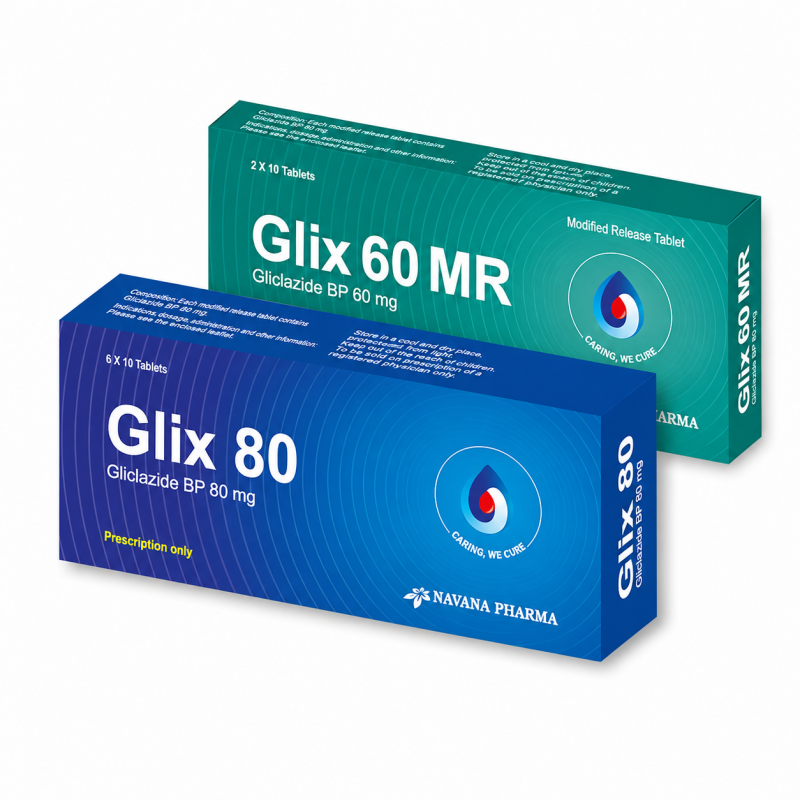
Glix 60 MR Tablet
Gliclazide is a second-generation sulfonylurea that lowers blood glucose primarily by stimulating insulin release from pancreatic beta cells. It enhances calcium transport within these cells, promoting insulin secretion, and also helps reduce hepatic glucose production.
Glix MR is an oral antidiabetic medicine containing gliclazide, a sulfonylurea. It is used to control blood glucose in adults with type 2 diabetes mellitus when diet, exercise, and weight management alone are not sufficient.
Discount Price: ৳ 115
MRP:
৳
120
4%
off

100% Genuine Products, Guaranteed
Safe & Secure Payments, Always
Fast, Secure & Efficient Delivery
Proper Packaging
 Cash on Delivery - All over Bangladesh
 Regular Delivery: 24-48 Hours, Dhaka City* Charge Tk.39-59
- Regular Delivery: 48-96 Hours, Other Cities* Charge Tk.99-125
 ফ্রি ডেলিভারিঃ - ১৪৯৯ টাকা+ অর্ডারে, ঢাকা
শহরে
ফ্রি ডেলিভারিঃ - ১৪৯৯ টাকা+ অর্ডারে, ঢাকা
শহরে- ফ্রি ডেলিভারিঃ - ৪৯৯৯ টাকা+ অর্ডারে, ঢাকার
বাহিরে
📲 মোবাইল অ্যাপ অর্ডারে সাশ্রয় বেশী
-
Google Play Store থেকে ডাউনলোড
-
Apple Store থেকে ডাউনলোড
100% Genuine Products, Guaranteed
Safe & Secure Payments, Always
Fast, Secure & Efficient Delivery
Proper Packaging
- Cash on Delivery - All over Bangladesh
- Regular Delivery: 24-48 Hours, Dhaka City* Charge Tk.39-59
- Regular Delivery: 48-96 Hours, Other Cities* Charge Tk.99-125
- ফ্রি ডেলিভারিঃ - ১৪৯৯ টাকা+ অর্ডারে, ঢাকা
শহরে
- ফ্রি ডেলিভারিঃ - ৪৯৯৯ টাকা+ অর্ডারে, ঢাকার
বাহিরে
- Google Play Store থেকে ডাউনলোড
- Apple Store থেকে ডাউনলোড
📲 মোবাইল অ্যাপ অর্ডারে সাশ্রয় বেশী
✅ Description:
The dose of Glix MR should be individualized according to blood and, when necessary, urine glucose levels.
For the modified-release formulation, the usual dosage is 30–120 mg once daily, taken at breakfast. The tablet should be swallowed whole with water and should not be crushed or chewed. A meal should always be eaten after taking the medicine.
Changes in weight, diet, physical activity, stress, or improvement in blood glucose control may require dose adjustment.
When gliclazide is used together with medicines such as metformin, alpha-glucosidase inhibitors, thiazolidinediones, DPP-4 inhibitors, GLP-1 receptor agonists, or insulin, the doctor will determine the appropriate dose of each medicine.
If a dose is missed, take the next dose at the regular time. Do not take a double dose to compensate for the missed dose.
Glix MR should not be discontinued without medical advice, as stopping treatment may cause blood glucose levels to rise.

Relevant Products
Same generic alternatives, ranked by customer interest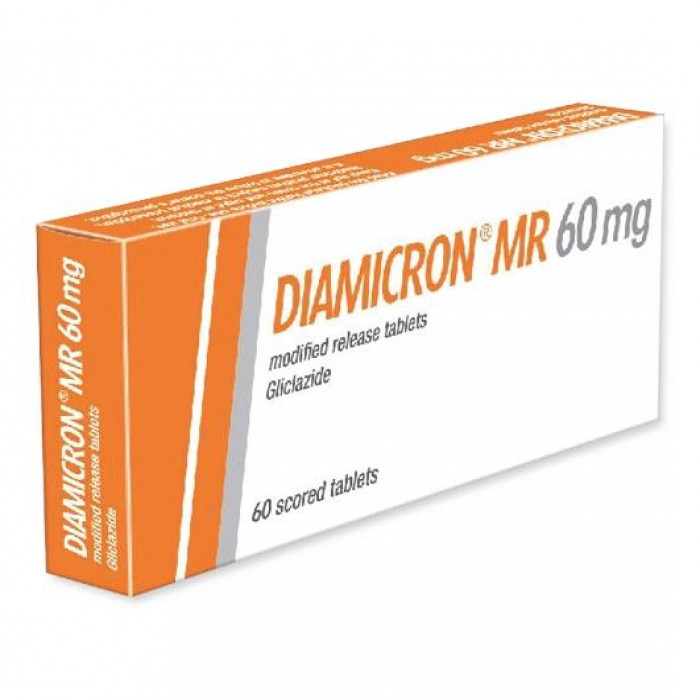
Diamicron MR 60mg 15pcs
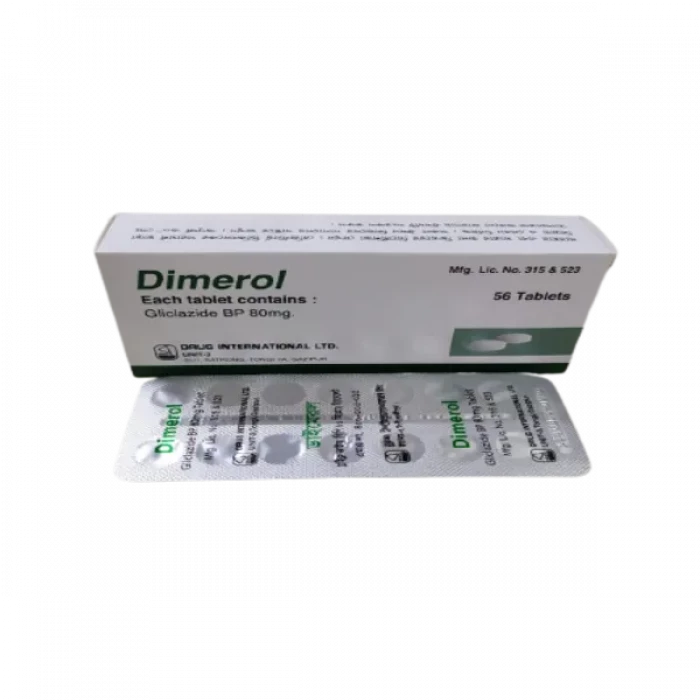
Dimerol 80mg 14pcs
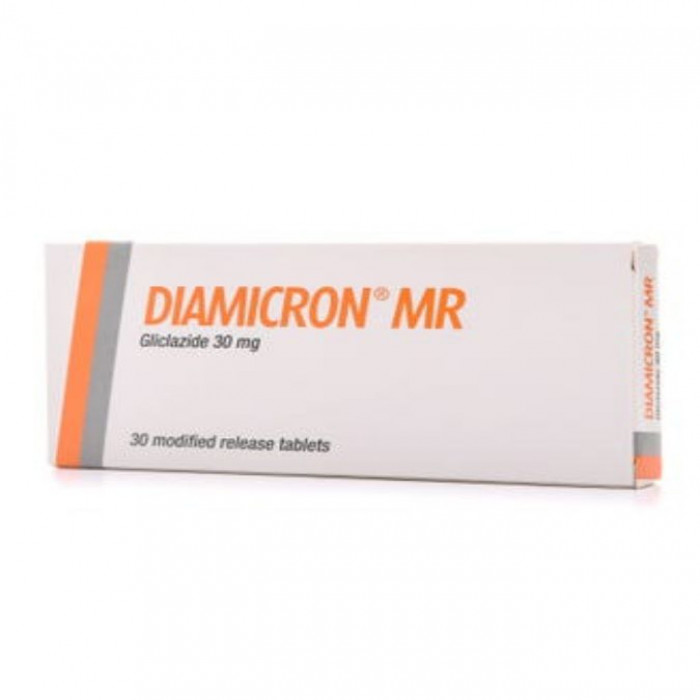
Diamicron MR 30 | Box
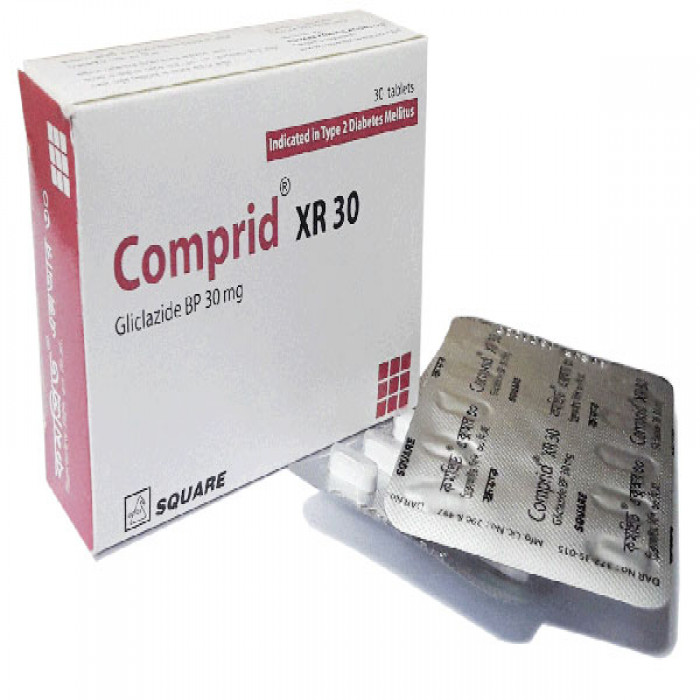
Comprid XR 30mg 10pcs Tablet
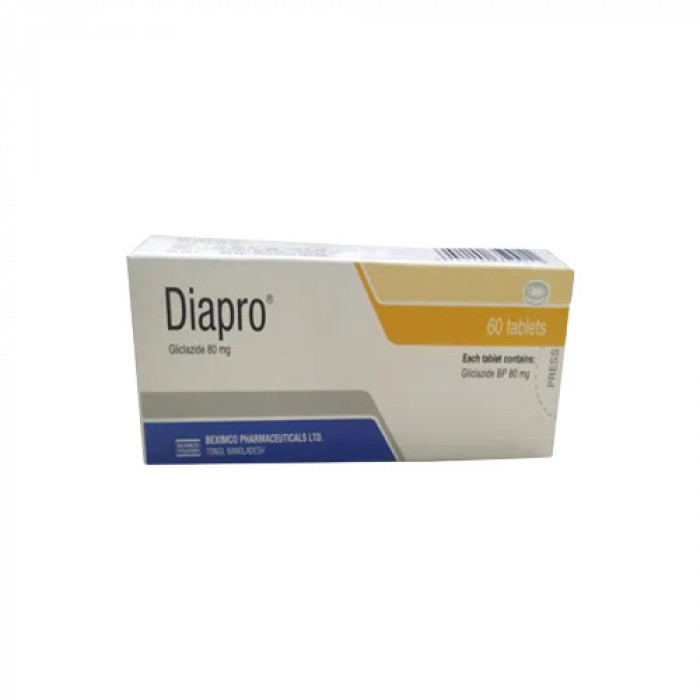
Diapro 80mg Tablet 15pcs
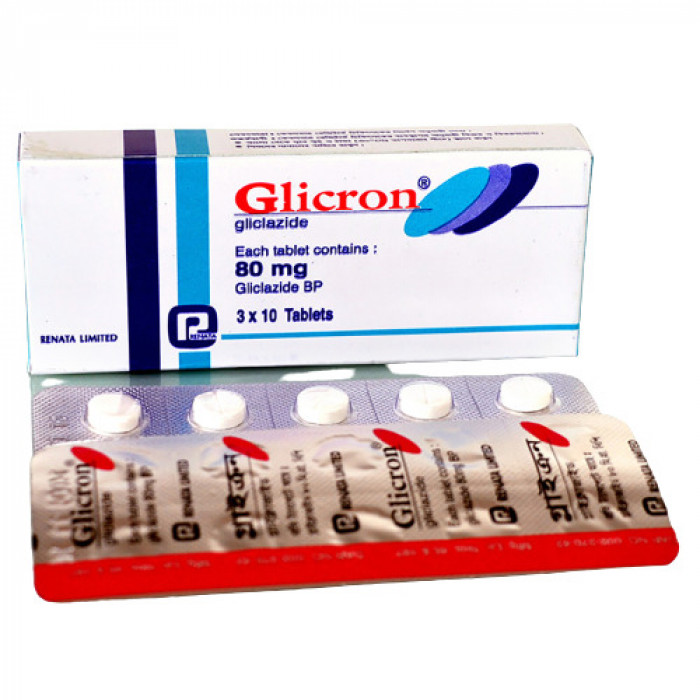
Glicron 80mg Tablet 1 Strip
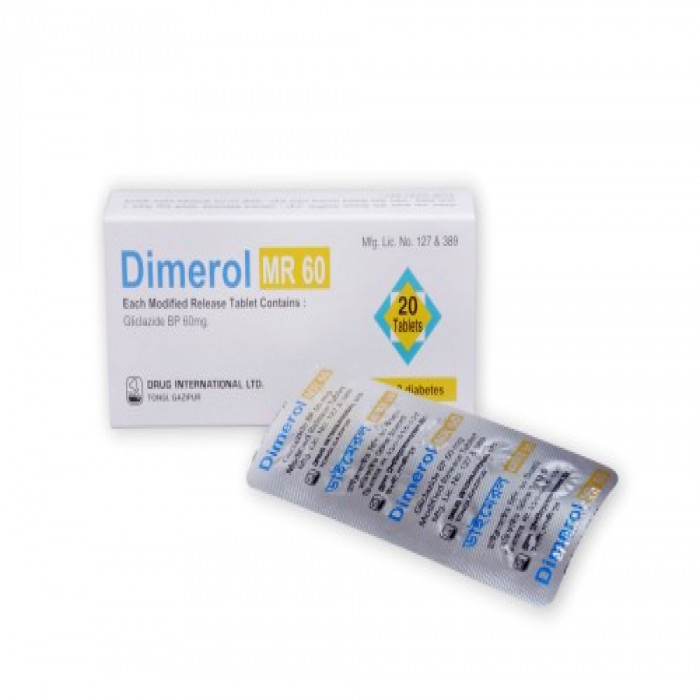
Dimerol MR 60mg 10pcs
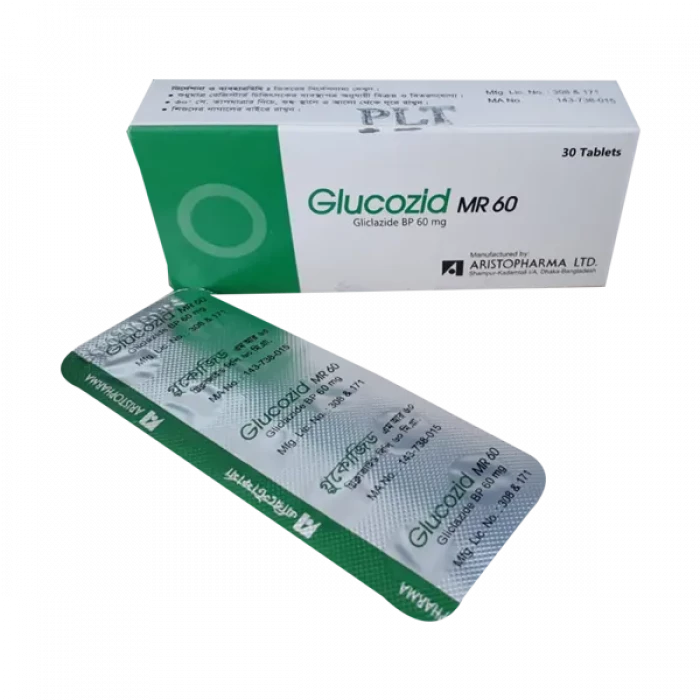
Glucozid MR 60mg Tablet
More From Navana Pharmacuticals Ltd.
Popular products from this manufacturer/brand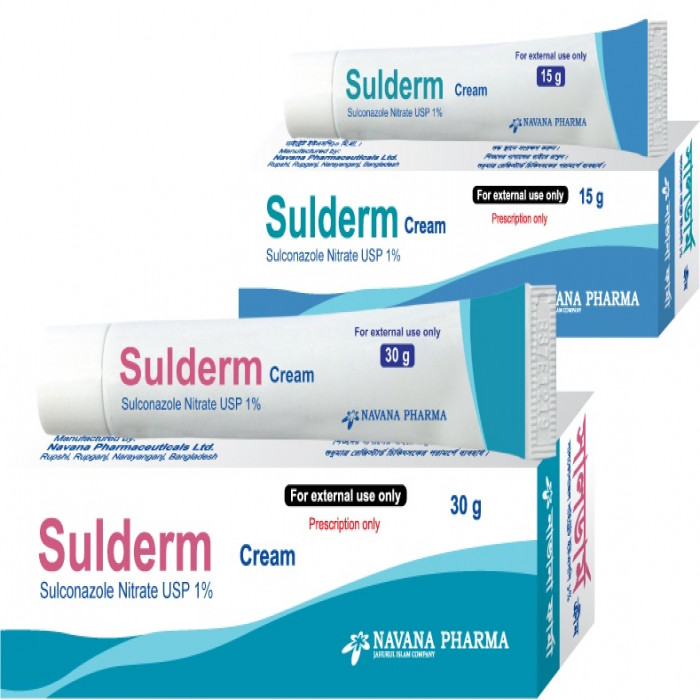
Sulderm 1% Cream
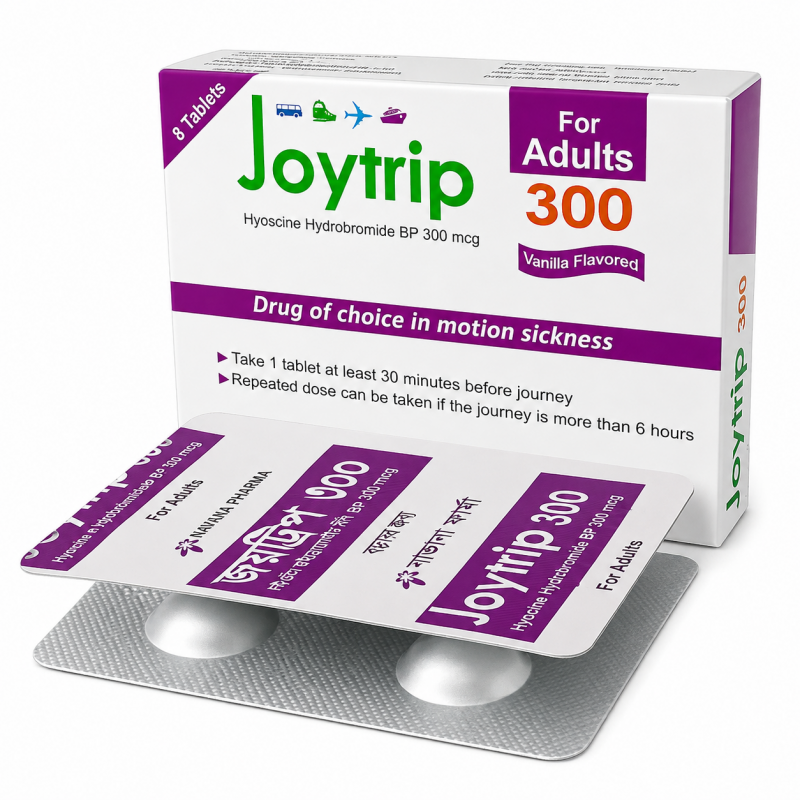
Joytrip 300mcg Tablet
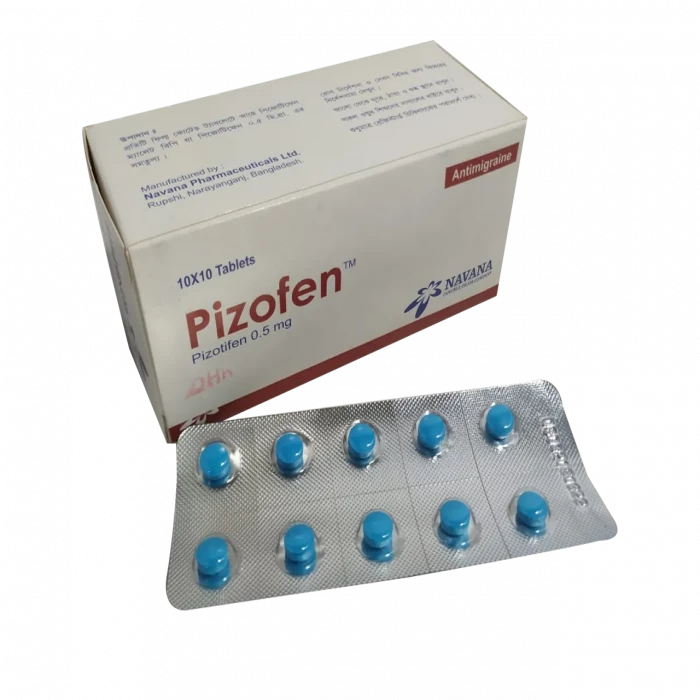
Pizofen 0.5mg Tablet 1 Strip
Clascon 1% Cream
Itracon 100 | 1 Strip
N-Bion 100mg+200mg+200mcg Tablet
Kindical DX 600mg+400IU Tablet
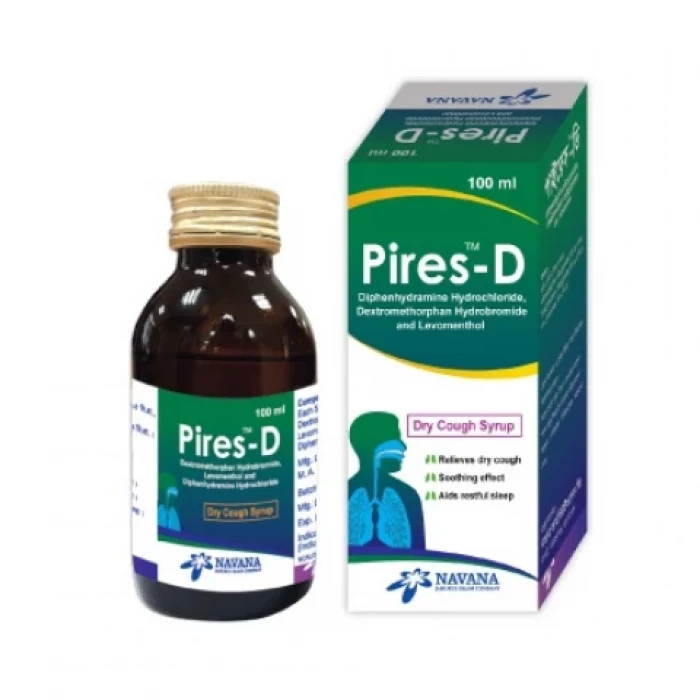
Pires-D Syrup 100ml
Related Posts


✔️ Side Effects
The most important adverse effect is hypoglycaemia (low blood sugar). Symptoms can include intense hunger, sweating, trembling, dizziness, headache, weakness, confusion, difficulty concentrating, visual or speech disturbances, and rapid heartbeat. Severe hypoglycaemia may cause seizures or loss of consciousness and requires urgent medical attention.
Other possible side effects include:
- Nausea and vomiting
- Abdominal pain or indigestion
- Diarrhea or constipation
- Skin rash, itching, or hives
- Temporary visual disturbances
- Changes in liver function or jaundice
- Changes in blood cell counts
- Rare allergic reactions or angioedema
- Rarely, reduced blood sodium levels
Taking the medicine with a meal as directed may help reduce digestive problems.
✔️ Overdose
Taking too much gliclazide can cause severe hypoglycaemia. Early symptoms should be treated promptly with a source of rapidly absorbed sugar, such as glucose or a sugary drink, followed by a meal or snack.
If the person is unconscious, do not give food or drink by mouth and seek emergency medical attention immediately.
✔️ Glix MR should not be used in patients with:
- Allergy to gliclazide, sulfonylureas, or related sulfonamide medicines
- Type 1 diabetes
- Diabetic ketoacidosis, diabetic pre-coma, or coma
- Severe kidney or liver disease
- Breastfeeding
- Certain antifungal treatments such as miconazole
✔️ Drug Interactions
Glix MR may have stronger blood-glucose-lowering effects when taken with other antidiabetic medicines, insulin, certain antibiotics such as sulfonamides or clarithromycin, beta-blockers, ACE inhibitors, miconazole, fluconazole, H2-receptor antagonists, monoamine oxidase inhibitors, certain painkillers such as ibuprofen, and alcohol.
Medicines such as corticosteroids, chlorpromazine, danazol, certain inhaled or intravenous beta-agonists, and St. John's wort may reduce the blood-glucose-lowering effect of gliclazide.
Fluoroquinolone antibiotics may cause either low or high blood glucose when used with gliclazide, particularly in older patients.
Gliclazide may also enhance the effects of warfarin. Always inform your doctor or pharmacist about other medicines, supplements, or herbal products you use.
✔️ Pregnancy & Lactation
Gliclazide is not generally recommended during pregnancy. Women who are pregnant, planning to become pregnant, or who think they may be pregnant should consult their doctor.
Gliclazide should not be used while breastfeeding.
✔️ Precautions & Warnings
Regular monitoring of blood glucose and HbA1c is important during treatment.
The risk of hypoglycaemia may be increased when meals are skipped, during fasting, with inadequate nutrition, increased physical activity without adequate carbohydrate intake, excessive alcohol consumption, or when excessive doses are taken.
Patients with significant kidney or liver impairment require particular caution. Stressful conditions such as surgery, serious infection, fever, or trauma may require temporary treatment with insulin.
Patients with G6PD deficiency may have an increased risk of haemolytic anaemia and should inform their doctor before treatment.
Glix MR is not generally recommended for children because adequate safety and efficacy data are unavailable.
✔️ Storage:
Store below 30°C, away from excessive heat and moisture, and keep out of the reach and sight of children. Do not use the medicine after its expiry date.
⚠️Disclaimer:
At ePharma, we’re committed to providing accurate and accessible health information. However, all content is intended for informational purposes only and should not replace medical advice from a qualified physician. Please consult your healthcare provider for personalized guidance. We aim to support, not substitute, the doctor-patient relationship.
📦Pricing Information, Availability:
Product Availability & Pricing Notice
Please note that pricing, availability, and service offerings are subject to change due to: Market fluctuations, Manufacturer or supplier adjustments, Product discontinuation or temporary unavailability, Advertising errors. All orders depend on stock availability and staff resources. If services are provided on a time-and-materials basis, any shared estimates are for planning purposes only.

Reliable
All products displayed on ePharma are procured from govt. approved pharmaceuticals and verified licensed pharmacies from 2016.

Secure
ePharma uses Secure Sockets Layer (SSL) 128-bit 🔒 encryption and is Payment Card Industry DataSecurity Standard (PCI DSS) compliant.

Affordable
Find affordable medicine substitutes, save up to 50% on health products, up to 30% off on doctor consultations.

Social
Providing health care services under the health and beauty category with more than 170K Facebook audience and 10M+ reach.







Get more features!
Download the app now
✓ Doctor consultation ✓ 24/7 helpline