

Joint Pain in Winter: Why It Feels Worse and What Can Help
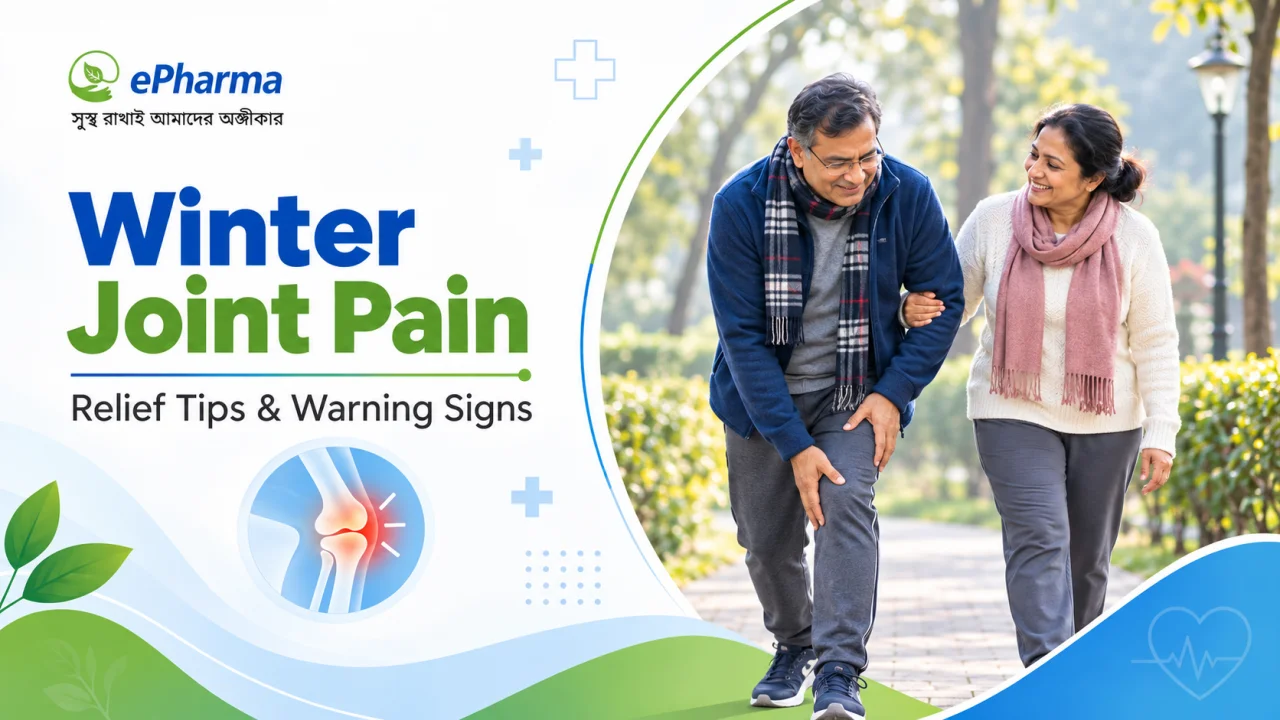
Cold mornings can make knee, back and other joint symptoms feel more noticeable. Learn practical ways to stay mobile, use warmth safely and recognise warning signs.
Cold mornings can make an old knee ache feel sharper, a stiff back take longer to loosen up, or finger joints feel less flexible than usual. Many people with osteoarthritis, inflammatory arthritis or long-standing joint problems notice this pattern during winter. The weather may contribute to how symptoms feel, but it is rarely the whole story. Less movement, tighter muscles, changes in routine and simply spending more time indoors can all add to stiffness.
The practical goal is not to “fight winter” with more medicine. It is to keep the body comfortably warm, stay safely active and recognise when pain is no longer something to manage at home.
Why can joint pain feel worse in winter?
Bangladeshi rheumatology and physiotherapy specialists have described several possible reasons. Cold conditions can make muscles and tissues around joints feel tighter, people often become less active, and some may drink less water because they feel less thirsty. Dr Habib Imtiaz Ahmed has also discussed increased nerve sensitivity and reduced movement as possible contributors to winter discomfort.
The important point is that weather affects people differently. Winter does not automatically create arthritis, and not every flare of pain is caused by cold. New, severe or persistent symptoms still deserve proper assessment.
Who may notice more difficulty during winter?
- People with osteoarthritis of the knee, hip, hand or other joints
- People living with rheumatoid arthritis or another inflammatory arthritis
- People with long-standing back pain or sciatica
- Older adults whose daily movement drops during colder months
- People who sit for long periods and do very little regular exercise
If knee pain is your main problem, see our guide on Knee Pain: Causes, Symptoms & Treatment.
7 practical ways to manage winter joint discomfort
1. Use comfortable warmth, not intense heat
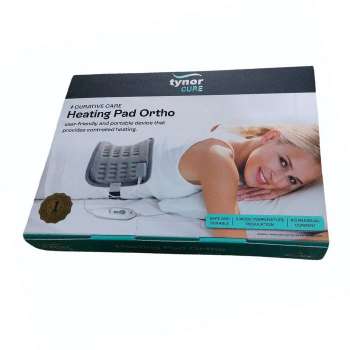
A warm compress, hot-water bag or heating pad can feel soothing when muscles and joints are stiff. Keep the heat comfortable, use a cloth barrier and avoid prolonged direct contact with the skin. Falling asleep with a heating pad on can increase the risk of burns.
Take extra care if you have diabetes, neuropathy or reduced sensation. You may not notice excessive heat quickly enough. If you have reduced feeling in your feet, avoid unsupervised direct heat and read our Diabetic Foot Care guide.
If a joint itself is suddenly hot, red and swollen, do not simply keep applying heat and wait. That pattern needs medical assessment.
2. Keep moving, even if you stay indoors
Winter often reduces daily activity, especially for older adults. Gentle walking around the home, corridor or balcony can help keep joints moving. Dr Habib Imtiaz Ahmed has suggested 20–30 minutes of walking; in real life, the right amount depends on your ability and symptoms. Starting with shorter periods is reasonable if you have been inactive.
If cold air triggers asthma or breathing problems, avoid very cold early mornings and choose a warmer time of day. See Winter Asthma and Allergies.
3. Add gentle stretching and range-of-motion work
Long periods of sitting can make the knees, lower back and shoulders feel stiffer. Gentle stretching and simple range-of-motion exercises can help. If you already have a diagnosed joint condition, use exercises recommended by your doctor or physiotherapist rather than forcing unfamiliar movements through pain.
4. Stay warm and reduce fall risk
Warm socks, layered clothing and comfortable footwear may help you feel less stiff. For older adults, winter safety is not only about warmth. Slippery bathroom floors, loose rugs and poor footwear can turn a painful joint into a fall injury. Keep walking surfaces dry and use non-slip support where needed.
5. Keep drinking fluids
People often drink less during winter because they do not feel as thirsty. Dr Habib Imtiaz Ahmed has advised around 2–2.5 litres daily, but this is not appropriate for everyone. If you have kidney disease, heart failure or have been told to restrict fluids, follow your clinician’s individual advice instead.
6. Be sensible about vitamin D and supplements
Less sunlight and less outdoor time can raise questions about vitamin D. But joint pain by itself does not prove vitamin D or calcium deficiency. Do not start high-dose supplements simply because your joints hurt in winter. If deficiency is suspected, discuss testing and appropriate treatment with a healthcare professional.
7. Do not stop or change ongoing arthritis treatment on your own
If you already take treatment for arthritis or another chronic condition, continue it as prescribed unless your clinician advises otherwise. A winter flare is a reason to review symptoms, not a reason to independently change doses or switch medicines.
Be careful with painkillers
It is common to reach for a familiar pain tablet when a knee or back starts aching. The problem is that not every joint pain has the same cause, and some pain medicines can be risky for people with stomach ulcers, kidney disease, high blood pressure, heart disease, pregnancy or multiple medicines.
Repeated pain should not be managed indefinitely by self-medicating. Tell your doctor or pharmacist about your medical conditions and current medicines. This article does not recommend a prescription painkiller or pain-relief gel as a winter self-care product.
When joint pain needs prompt medical attention
Seek medical advice promptly if you have:
- sudden severe pain and swelling in one joint
- a joint that is red or unusually hot
- joint pain with fever or chills
- pain so severe that normal standing or walking becomes difficult
- pain, swelling or stiffness that does not begin to improve over several days
- joint symptoms with unusual eye, urinary or other systemic symptoms
NHS guidance also highlights sudden severe joint pain and swelling, hot or red skin over a joint, and fever as reasons for urgent medical assessment.
Which doctor should you see?
For new or unexplained joint pain, a Medicine or Orthopaedics clinician can be a reasonable starting point. If there is prolonged morning stiffness, several swollen joints or concern about inflammatory arthritis, a Rheumatologist may be more appropriate. Physiotherapy can be useful when exercises are tailored to the cause of pain.
A winter joint-safety checklist for older adults
- Keep bathroom and walking surfaces dry and non-slip
- Use a stable chair rather than very low seating
- Avoid unnecessary heavy lifting
- Break up long periods of sitting or standing
- Wear warm socks and supportive, comfortable footwear
- Keep some gentle daily movement in the routine
- Seek help for new, severe or rapidly worsening symptoms
Helpful non-medicine items at home
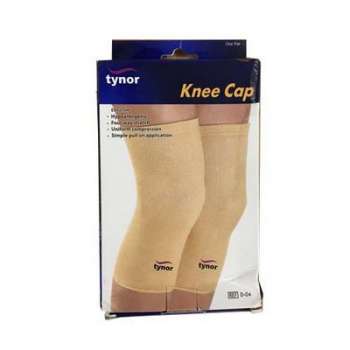
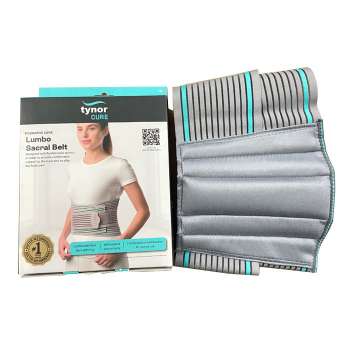
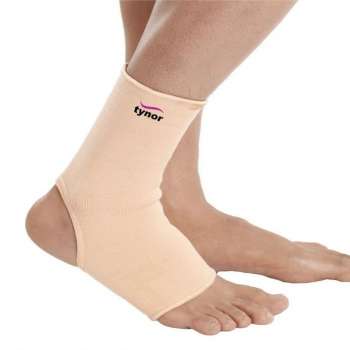
Some non-drug products can support comfort or safety in winter, including a properly used heating pad, knee support or other appropriately sized joint support. A digital thermometer is useful when joint pain occurs with fever; see How to Use a Digital Thermometer Correctly.
Frequently asked questions
Does cold weather cause arthritis?
No. Cold weather does not itself create arthritis. Some people with existing joint conditions simply notice more stiffness or discomfort in winter.
Is a heating pad safe for joint pain?
Gentle heat can feel soothing for stiffness. Use a cloth barrier, avoid excessive heat and do not sleep with the heating pad on. Be especially cautious if you have reduced skin sensation.
Should I stop walking when my joints hurt in winter?
Usually not. Gentle movement is generally better than becoming completely inactive. Reduce intensity if pain becomes worse and seek advice if walking becomes difficult.
Should I start vitamin D or calcium for winter joint pain?
Not automatically. Joint pain does not prove a deficiency. Supplements are best used when there is a clear indication and professional advice.
Does everyone with joint pain need a uric acid test?
No. Not every joint problem is gout. Your symptoms and examination should guide whether uric acid or another test is useful.
When should I see a doctor urgently?
Seek prompt care for sudden severe pain and swelling, a hot or red joint, fever or chills with joint pain, or major difficulty walking or using the joint.
Further reading
- Knee Pain: Causes, Symptoms & Treatment
- Diabetic Foot Care
- Winter Asthma and Allergies
- How to Use a Digital Thermometer Correctly
Sources
- Dr Habib Imtiaz Ahmed — Daily Star Bangla, “What to do when rheumatic pain increases in winter”, 6 December 2024.
- M. Yasin Ali — Prothom Alo, article on joint pain in winter, 5 December 2024.
- Dr Himel Biswas — Prothom Alo, “7 ways to control aches and pains in winter”, 15 January 2024.
- Prothom Alo Lifestyle Desk — article on why pain increases in winter and what to do, 18 December 2023.
- NHS — Arthritis.
This article is for general health information and is not a substitute for personal medical advice. Do not start, stop or change medicines or supplements without appropriate professional guidance.
Related Products