

Knee Pain: Causes, Symptoms & Treatment
What causes knee pain, swelling or stiffness? Learn about osteoarthritis, injuries, warning signs, treatment, home care and when you should see a doctor.
Knee pain can make everyday activities—walking, climbing stairs, standing up from a chair or even moving around the house—uncomfortable.
It is not simply a problem that comes with age. Knee pain can result from osteoarthritis, injury, overuse, inflammatory arthritis, gout, infection and several other conditions.
Some mild knee problems improve with rest and basic care. However, sudden severe swelling, redness and warmth, fever, inability to put weight on the leg, or a visibly deformed knee after an injury may require prompt medical attention.
This guide explains the common causes of knee pain, important symptoms to watch for, how treatment is determined, what you may safely do at home and when you should see a healthcare professional.
Quick Answer: What Causes Knee Pain?
In older adults, one of the most common causes of knee pain is osteoarthritis, a condition in which changes within the joint gradually lead to pain, stiffness and difficulty with movement.
In younger or physically active people, knee pain is often associated with injuries involving the ligaments, meniscus, tendons or surrounding muscles, as well as repetitive stress or overuse.
Inflammatory conditions such as rheumatoid arthritis, gout and certain infections may also cause knee pain and swelling.
The important point is that knee pain is a symptom, not a single disease. Identifying the underlying cause is essential for choosing the right treatment.
Common Causes of Knee Pain
1. Osteoarthritis
Knee osteoarthritis usually develops gradually.
People may experience pain, stiffness, reduced movement and increasing difficulty with activities such as walking, standing or climbing stairs.
Risk factors can include increasing age, a previous knee injury and excess body weight.
According to the World Health Organization, the knee is among the joints most commonly affected by osteoarthritis.
2. Ligament or Meniscus Injury
Sports injuries, falls, sudden twisting movements or an awkward turn of the knee may damage a ligament or the meniscus.
Symptoms may include:
- sudden pain
- swelling
- a feeling that the knee is unstable
- difficulty bearing weight
- a sensation that the knee is catching or “locking”
The severity of the injury determines whether conservative care, rehabilitation or orthopedic treatment is required.
3. Overuse and Repetitive Strain
Running, repeatedly climbing stairs, spending long periods with the knee bent, or suddenly increasing the intensity of exercise can cause pain around the front or sides of the knee.
Inflammation of a tendon or bursa may also contribute to this type of discomfort.
4. Inflammatory Arthritis and Gout
Conditions such as rheumatoid arthritis, spondyloarthritis and gout can cause pain, swelling, stiffness and warmth around the knee joint.
In these cases, simply controlling the pain is not enough. The underlying condition needs to be properly diagnosed and managed.
5. Joint Infection
A bacterial infection inside the joint, known as septic arthritis, may cause severe pain, swelling, redness, warmth and sometimes fever.
This can be a serious condition and requires prompt medical assessment.
6. Less Common Causes
Less commonly, knee pain may be associated with conditions such as tuberculosis involving the joint, certain blood disorders, bone diseases or tumours.
These are not common explanations for everyday knee pain.
However, persistent unexplained pain or swelling, other unusual symptoms, or failure to improve with appropriate treatment may require further medical investigation.
What Other Symptoms Can Occur with Knee Pain?
Depending on the cause, knee pain may occur together with:
- swelling
- stiffness
- redness or warmth around the knee
- difficulty fully bending or straightening the knee
- a feeling of weakness or instability
- clicking, popping or catching sensations
- difficulty standing up or using stairs
- locking of the knee
- gradual changes in the shape of the joint
A single symptom cannot confirm a diagnosis because several knee conditions can cause similar problems.
What Can Different Types of Knee Pain Suggest?
| Pattern | Possible examples |
|---|---|
| Gradual pain and stiffness with age | Osteoarthritis |
| Sudden pain after sports or twisting | Ligament or meniscus injury |
| Pain with stairs or prolonged knee bending | Overuse-related or anterior knee problems |
| Sudden severe swelling and redness | Gout, inflammation or infection |
| Red, hot and swollen knee with fever | Possible joint infection — urgent assessment needed |
This table is not a diagnostic tool. Proper clinical evaluation may be necessary to determine the actual cause.
When Should You Seek Medical Care Quickly?
Seek prompt medical attention if:
- you cannot stand or walk on the affected leg
- your knee becomes suddenly and severely swollen
- the knee looks visibly deformed
- severe pain follows an injury
- you heard or felt a “pop” during an injury
- you cannot fully bend or straighten the knee
- you have fever together with a red, hot, swollen or very painful knee
A fever together with a red, hot and swollen joint may indicate an infection and should be assessed promptly.
How Is Knee Pain Evaluated and Treated?
There is no single treatment that is appropriate for every type of knee pain.
A doctor may ask:
- when the pain started
- whether there was an injury
- where the pain is located
- whether the knee is swollen
- how much movement is possible
- whether there are other medical conditions or symptoms
Depending on the findings, evaluation may involve a physical examination, X-ray, blood tests, MRI or analysis of joint fluid.
Not every patient needs every test.
Treatment for Osteoarthritis
Management of knee osteoarthritis often includes more than medicine.
Important measures may include:
- appropriate regular exercise
- strengthening the muscles around the knee
- weight reduction when appropriate
- adjusting activities that worsen symptoms
- physiotherapy or rehabilitation
Depending on symptoms and medical history, a doctor may also consider pain-relieving medicines, assistive devices or other treatments.
Treatment After an Injury
Treatment depends on the type and severity of the injury.
Minor injuries may improve with appropriate rest and rehabilitation.
However, a significant ligament tear, meniscus injury, fracture or persistent instability may require assessment by an orthopedic specialist.
Treatment for Inflammatory Arthritis
Conditions such as rheumatoid arthritis and other inflammatory forms of arthritis cannot usually be managed effectively with painkillers alone.
Controlling the underlying disease may require specific treatment under the supervision of a rheumatologist.
Treatment for Joint Infection
A suspected bacterial joint infection requires prompt medical care.
Do not start antibiotics on your own for knee pain.
The type of treatment depends on the cause of the infection, examination findings and the patient's overall condition.
What Can You Do at Home for Mild Knee Pain?
For mild knee pain or a minor injury without any urgent warning signs, some basic measures may help.
Reduce activities that clearly make the pain worse.
If the knee is swollen, an ice pack wrapped in a cloth may be applied for around 15–20 minutes at a time.
Once the pain begins to settle, complete inactivity is usually not the long-term goal. Gradual movement and appropriate exercise may be resumed according to advice from a doctor or physiotherapist.
For long-term knee health, it may help to:
- maintain a healthy body weight
- perform regular low-impact physical activity
- strengthen the muscles around the knee
- wear comfortable, supportive footwear
- avoid remaining in the same position for very long periods
- use an appropriate knee support or walking aid when advised
Avoid starting NSAIDs, prolonged painkiller use, antibiotics or high-dose Vitamin D without appropriate medical advice.
Can Vitamin D Deficiency Cause Knee Pain in Children?
It can sometimes contribute, but Vitamin D deficiency is not the cause of every case of knee pain in children.
Vitamin D deficiency can interfere with normal bone mineralisation. Severe deficiency may contribute to rickets, bone pain, muscle weakness and changes in the shape of the legs.
However, knee pain in a child may also result from:
- sports-related injury
- overuse
- inflammation
- musculoskeletal problems
- other medical conditions
Therefore, knee pain alone should not be used as a reason to start Vitamin D supplements.
A doctor may consider the child's symptoms, diet, growth and other risk factors before deciding whether testing or supplementation is appropriate.
For more information about Vitamin D deficiency, testing and supplementation, read ePharma's Vitamin D Deficiency: Symptoms, Causes and Solutions guide.
Which Doctor Should You See for Knee Pain?
The most appropriate healthcare professional depends on the suspected cause.
Rheumatologist:
For inflammatory arthritis, persistent joint swelling, significant morning stiffness or suspected autoimmune joint disease.
Orthopedic specialist:
For injuries, ligament or meniscus damage, fractures, deformity or other mechanical knee problems.
Physical medicine or physiotherapy specialist:
For rehabilitation, muscle strengthening, mobility and longer-term functional recovery.
If the knee is red, hot and swollen with fever, or if there has been a serious injury, urgent medical assessment is more important than choosing a particular specialist first.
What Can Happen If Knee Pain Is Left Untreated?
Not every case of knee pain causes permanent damage.
However, if the underlying problem is not properly managed, certain conditions can gradually worsen and affect mobility.
Advanced osteoarthritis may reduce joint function and may eventually contribute to deformity.
Untreated severe ligament injuries, inflammatory arthritis or joint infections may also lead to longer-term complications.
The goal is therefore not simply to suppress pain, but to identify and manage the underlying cause when necessary.
What Support Can You Find at ePharma?
Understanding the cause of knee pain should come first.
No supplement, brace or pain-relief product can treat every type of knee pain.
Depending on individual needs, ePharma offers:
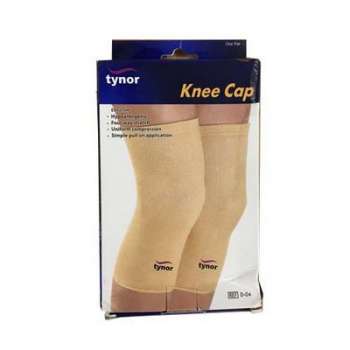
- knee supports and braces
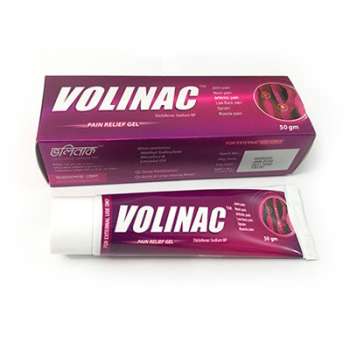
- selected pain-relief products
- Vitamin D-related products
- other bone and joint care products
Long-term painkillers, NSAIDs and high-dose Vitamin D should not be used without appropriate medical or pharmacist guidance.
Having knee pain alone does not mean that everyone needs Vitamin D or calcium supplementation.
Conclusion
Knee pain should not automatically be dismissed as a normal part of ageing.
Possible causes range from osteoarthritis and sports injuries to overuse, inflammatory arthritis, gout and infection. Treatment therefore depends on the underlying cause.
Mild problems may improve with appropriate self-care, but seek medical attention promptly if you develop severe swelling, redness or warmth, fever, inability to bear weight, major injury or visible deformity.
Identifying the cause early can help control pain, maintain mobility and reduce the risk of longer-term complications.
Frequently Asked Questions
What is the most common cause of knee pain?
Osteoarthritis is a common cause of knee pain, particularly with increasing age. However, injuries, overuse, inflammatory arthritis, gout and infections may also cause knee pain.
What should I do if my knee is swollen?
Mild swelling after a minor injury may improve with rest and a wrapped ice pack. However, seek medical attention if the knee becomes very swollen, red or hot, if you have fever, or if you cannot walk or bear weight normally.
Can Vitamin D deficiency cause knee pain in children?
Vitamin D deficiency can be one possible contributor, especially when bone pain, muscle weakness or signs of rickets are present. However, children can experience knee pain for many other reasons, so Vitamin D deficiency should not be assumed from knee pain alone.
When should I see an orthopedic specialist for knee pain?
An orthopedic assessment may be appropriate after significant injury, suspected ligament or meniscus damage, fracture, persistent instability or visible deformity.
Which specialist should I see for arthritis?
A rheumatologist may be appropriate when there is persistent joint swelling, significant morning stiffness or suspicion of inflammatory arthritis.
Can I exercise if I have knee pain?
It depends on the cause and severity of the pain. Appropriate exercise and muscle strengthening are beneficial for many people with osteoarthritis, but acute injury or severe pain should be assessed before starting or intensifying exercise.
Can a knee brace or knee support help?
A brace or knee support may help in some conditions, but it is not suitable for every type of knee pain. The correct type of support depends on the underlying problem.
Is it safe to take painkillers for knee pain on my own?
Not all painkillers are suitable for everyone. NSAIDs in particular may pose additional risks for people with kidney disease, gastric ulcers, cardiovascular conditions or certain other medical problems. Long-term use should be discussed with a doctor or pharmacist.
References
- World Health Organization — Osteoarthritis Fact Sheet
- World Health Organization — Musculoskeletal Health Fact Sheet
- Mayo Clinic — Knee Pain: Symptoms and Causes
- NHS — Knee Pain
- The Daily Star Bangla — হাঁটু ব্যথা কেন হয়, লক্ষণ ও চিকিৎসা, 16 April 2025; expert commentary from Dr. Habib Imtiaz Ahmad, Department of Rheumatology, Enam Medical College & Hospital.
Related Products