

High Uric Acid and Gout: Symptoms, Diet and What to Do

High uric acid does not always mean gout. Learn the classic symptoms, what to eat and limit, how to manage an attack safely and when to seek medical help.
A routine blood test comes back with one line highlighted: Uric acid: high. Suddenly everyone has advice—stop lentils, avoid tomatoes, cut out cauliflower, stop fish and meat. But a high uric-acid result does not automatically mean you have gout, and it does not mean you need an extreme diet.
Hyperuricaemia simply means the level of uric acid in the blood is above the laboratory reference range. Many people never develop gout. Gout happens when urate crystals trigger inflammation inside a joint, often causing sudden severe pain, warmth, redness and swelling.
What is uric acid?
Uric acid is a normal waste product formed during metabolism. It circulates in the blood and is mainly removed by the kidneys in urine. Levels can rise when the body produces more uric acid or when the kidneys do not remove enough.
Bangladeshi physician Dr Abed Hossain Khan has explained that raised uric acid often causes no problem at all. So a number on a report should be interpreted alongside symptoms, kidney health and the rest of your medical history.
Does high uric acid always mean gout?
No. Many people with hyperuricaemia never have a gout attack. Gout occurs when urate crystals collect in a joint and trigger intense inflammation. Diagnosis is based on the pattern of symptoms and medical assessment; when the diagnosis is unclear, blood tests, joint-fluid analysis or imaging may be used.
What does a gout attack feel like?
A gout attack often begins suddenly, sometimes overnight. Common features include:
- severe pain at the base of the big toe—the classic site
- a swollen joint
- skin that looks red, darker or shiny and feels hot
- extreme tenderness, sometimes making even light contact uncomfortable
- attacks in the ankle, knee, wrist, fingers or elbow as well
NHS guidance notes that an untreated attack may last around 1–2 weeks. But a suddenly hot, swollen joint is not always gout. Joint infection and other inflammatory conditions can look similar, so a first attack should be assessed rather than self-diagnosed.
Why can uric acid rise?
Risk is influenced by several factors:
- overweight or obesity
- kidney problems
- a family history of gout
- high blood pressure, high cholesterol or diabetes
- increasing age; men are affected more often, and risk rises for women after menopause
- beer and other alcohol
- dehydration
- some medicines, including certain diuretics and blood-pressure medicines
Do not stop a prescribed medicine on your own because you think it is raising uric acid. Ask the clinician who prescribed it.
What should you eat if uric acid is high?
You do not need to eliminate every food associated with purines. A balanced diet is more sustainable. Based on the source material, sensible choices include:
- vegetables and salads
- seasonal whole fruit
- eggs
- milk and appropriate dairy foods
- freshwater fish in moderate portions
- skinless chicken in moderate portions
- lentils in sensible portions
Tomatoes and cauliflower do not need to be automatically banned. Dr Abed Hossain Khan specifically noted that vegetables once commonly restricted are no longer routinely prohibited.
What should you limit?
- large amounts of red meat
- organ meats such as liver, kidney, brain, trotters and offal
- crab, dried seafood and some seafood
- hilsa, according to one Bangladeshi nutrition source
- soft drinks and sugary beverages
- beer and other alcohol
- excess salt, packaged salty snacks and fried foods
An unnecessarily restrictive diet can create new nutrition problems. If you have recurrent gout, kidney disease or another dietary condition, a personalised plan is better than a long internet “avoid list.”
What about lentils?
The source material is not completely consistent. One physician says lentils do not need to be avoided, while a Bangladeshi nutrition article suggests limiting some types. A reasonable approach is moderation rather than total avoidance, with personalised advice if you have frequent attacks or kidney disease.
How much water should you drink?
Both Bangladeshi sources and NHS advice emphasise staying well hydrated. There is no single amount that is right for everyone. If you have kidney disease, heart failure or a prescribed fluid restriction, follow your clinician’s advice instead of forcing extra water.
Weight and lifestyle matter
If you are overweight, gradual weight loss can help reduce gout risk. Crash dieting is not recommended. Regular physical activity and good control of blood pressure, diabetes and cholesterol also support overall metabolic health.
For related metabolic health information, see our Fatty Liver guide.
What should you do during a sudden gout attack?
NHS self-care advice includes:
- rest the affected joint
- raise the limb when possible
- apply an ice pack wrapped in cloth for up to 20 minutes at a time
- stay hydrated unless you have been told to restrict fluids
- keep heavy bedclothes from pressing on the painful joint
- if your clinician has already prescribed medicine for an attack, take it as directed as early as possible
Cold rather than heat: an acutely red, hot, swollen gout joint is different from ordinary winter stiffness. For general cold-weather joint pain, see Joint Pain in Winter.
Why not choose a painkiller yourself?
Gout pain can be severe, but pain medicines are not equally safe for everyone. Kidney disease, stomach ulcers, high blood pressure, heart disease and other medicines can change what is appropriate. Do not pick a drug or dose simply because it worked for someone else.
When should you see a doctor?
- the first time you have sudden severe joint pain and swelling
- attacks keep returning
- symptoms are worsening rather than settling
- firm lumps or tophi appear around joints
- you also have kidney problems
- the diagnosis is uncertain
Seek urgent care if severe joint pain/swelling is accompanied by high fever, chills, marked illness, nausea or inability to eat. A joint infection can cause similar symptoms and needs prompt treatment.
Does gout require lifelong medicine?
Not for everyone. In an older NTV interview, rheumatologist Dr Shamim Ahmed discussed long-term treatment for people with frequent attacks, gouty arthritis or kidney problems. NHS guidance similarly notes that urate-lowering treatment may be offered for recurrent gout. The decision should be individualised by a clinician.
If long-term treatment is started, do not stop it simply because you feel better.
Gout and kidney stones
Long-standing hyperuricaemia can be associated with uric-acid kidney stones in some people, but a high uric-acid result does not mean you will definitely develop stones. Seek medical advice if you develop severe flank pain, blood in the urine or other kidney-stone symptoms.
Useful home health devices
You do not need a home uric-acid meter simply because one blood result was high. More useful devices may include:
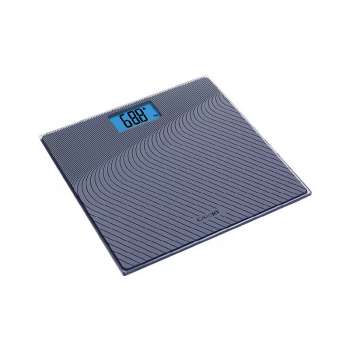
- Weight scale for weight tracking
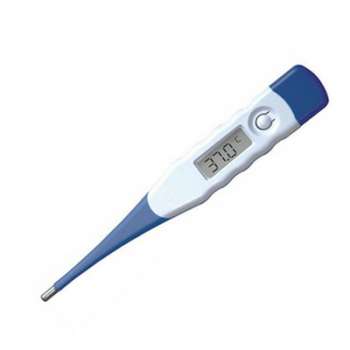
- Digital thermometer if a swollen joint occurs with possible fever
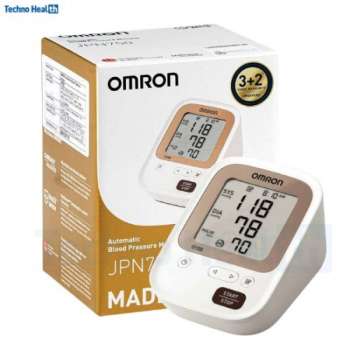
- Blood-pressure monitor if you have hypertension
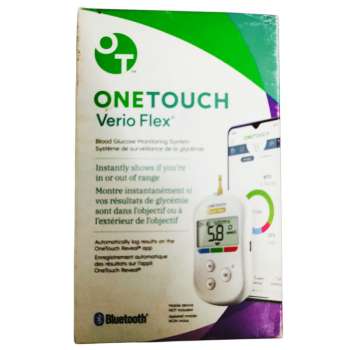
- Glucometer if you have diabetes and have been advised to monitor glucose
For safe monitoring, see How to Measure Blood Pressure at Home and How to Use a Glucometer.
Frequently asked questions
Does high uric acid always cause gout?
No. Many people with hyperuricaemia never have gout. Symptoms and clinical assessment matter more than one number alone.
What is the classic symptom of gout?
Sudden severe pain, swelling, heat and redness at the base of the big toe is the classic pattern, although other joints can be affected.
Do I have to avoid tomatoes and cauliflower?
The source material does not support a blanket ban. One Bangladeshi physician specifically notes that these vegetables are no longer routinely restricted.
Can I eat lentils?
The sources differ slightly. Moderate portions are a reasonable approach unless your clinician or dietitian advises otherwise.
Ice or heat during a gout attack?
NHS advice supports a wrapped ice pack for up to 20 minutes at a time on an acutely painful, swollen joint.
Will I need gout medicine for life?
Not everyone does. Frequent attacks, gouty arthritis or kidney problems can make long-term treatment more likely; your clinician decides.
Do I need a home uric-acid meter?
The source material does not support routine self-testing for people who have no joint or kidney symptoms. Testing should be guided by clinical need.
When is gout-like pain an emergency?
Seek urgent care when severe joint pain and swelling occur with high fever, chills or marked systemic illness, because infection is possible.
Sources
- Dr Abed Hossain Khan — Daily Star Bangla, “What to do when uric acid is high”, 26 November 2023.
- Dr Shamim Ahmed — NTV Online, gout treatment article, 22 November 2016.
- Md. Iqbal Hossain — Prothom Alo, article on harms associated with uric acid, 7 December 2023.
- Md. Iqbal Hossain — Prothom Alo, uric-acid diet article, 2 January 2025.
- NHS — Gout.
This article is for general health information and is not a substitute for personal medical advice. Do not start, stop or change uric-acid medicines, painkillers or other prescription treatment without professional guidance.
Related Products