


✔ 100% Authentic Product
👁️ Viewed 3296 times
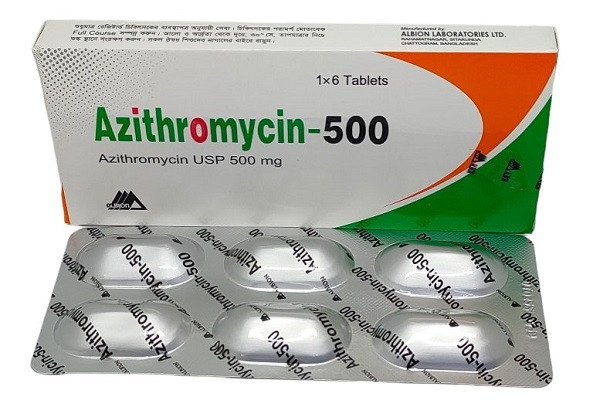
Azithromycin 500 | 1 Strip
- Azithromycin 500 Tablet is generally taken orally with a full glass of water. Swallow the tablet whole without crushing, chewing, or breaking it, as doing so may affect how the tablet dissolves.
- It is usually taken once a day at the same time to help maintain a consistent routine.
- The dosage schedule for Azithromycin 500mg is typically based on age, body needs, and individual health factors. Adults are commonly advised a once-daily dosing pattern, but the overall number of days may vary based on the guidance provided.
- It is important to follow the prescribed duration and complete the full course, even if you feel better midway.
- Do not increase or decrease the number of tablets on your own, and do not modify the duration unless advised by a qualified professional.
Discount Price: ৳ 173
MRP:
৳
180
4%
off

100% Genuine Products, Guaranteed

Safe & Secure Payments, Always

Fast, Secure & Efficient Delivery

Proper Packaging
 Cash on Delivery - All over Bangladesh
 Regular Delivery: 24-48 Hours, Dhaka City* Charge Tk.39-59
- Regular Delivery: 48-96 Hours, Other Cities* Charge Tk.99-125
 ফ্রি ডেলিভারিঃ - ১৪৯৯ টাকা+ অর্ডারে, ঢাকা
শহরে
ফ্রি ডেলিভারিঃ - ১৪৯৯ টাকা+ অর্ডারে, ঢাকা
শহরে- ফ্রি ডেলিভারিঃ - ৪৯৯৯ টাকা+ অর্ডারে, ঢাকার
বাহিরে
📲 মোবাইল অ্যাপ অর্ডারে সাশ্রয় বেশী
-
Google Play Store থেকে ডাউনলোড
-
Apple Store থেকে ডাউনলোড
100% Genuine Products, Guaranteed
Safe & Secure Payments, Always
Fast, Secure & Efficient Delivery
Proper Packaging
- Cash on Delivery - All over Bangladesh
- Regular Delivery: 24-48 Hours, Dhaka City* Charge Tk.39-59
- Regular Delivery: 48-96 Hours, Other Cities* Charge Tk.99-125
- ফ্রি ডেলিভারিঃ - ১৪৯৯ টাকা+ অর্ডারে, ঢাকা
শহরে
- ফ্রি ডেলিভারিঃ - ৪৯৯৯ টাকা+ অর্ডারে, ঢাকার
বাহিরে
- Google Play Store থেকে ডাউনলোড
- Apple Store থেকে ডাউনলোড
📲 মোবাইল অ্যাপ অর্ডারে সাশ্রয় বেশী
✅ Description:
Azithromycin 500 manages mild to moderately susceptible infections caused by bacteria and other microorganisms, which include chest, throat, and nasal infections such as bronchitis, pneumonia, tonsillitis, sore throat, and sinusitis. It is also used to manage ear infections and skin and soft tissue infections in affected individuals.
It contains a medicine called azithromycin, which belongs to the group of medicines called Antibiotics that works by avoiding the growth of bacteria and helps clear up the infection.
Azithromycin 500 is not recommended for use in patients allergic to Azithromycin, other antibiotics such as erythromycin/clarithromycin (macrolides), and ketolides. It is also not recommended for use in patients with a history of cholestatic jaundice/hepatic dysfunction.
Before taking Azithromycin 500, inform your doctor if you have diabetes, myasthenia gravis (a condition marked by weak muscles), heart problems, and/or kidney problems.
Azithromycin 500 should be used with caution during pregnancy and in breastfeeding women. Azithromycin 500 is not recommended for use in children weighing less than 45 kg. It is advised to be used with caution in elderly patients (aged above 65 years) after consulting the doctor.
Common side effects of taking Azithromycin 500 are stomach cramps, nausea, vomiting, diarrhea, flatulence, dizziness, headache, and/or skin rash. Consult your doctor if any of the side effects worsen.
Safety Advices

Alcohol
UNSAFE
No known interaction.

Pregnancy
CONSULT YOUR DOCTOR
Azithromycin 500 should be used with caution during pregnancy and in women planning for pregnancy only if it is clearly necessary.
Pregnancy
CONSULT YOUR DOCTOR
Azithromycin 500 should be used with caution in breastfeeding women, as it is unknown whether the medicine is excreted in breast milk.

Breasfeeding
CAUTION
Do not drive or operate any machines if Azithromycin 500 affects your ability to drive or operate any machines.

Kidney
CAUTION
Azithromycin 500 should be taken with caution in patients with kidney problems.

Liver
UNSAFE
Azithromycin 500 is not recommended for use in patients with a history of cholestatic jaundice/hepatic dysfunction. It should be used with caution in patients with other liver problems.

Relevant Products
Same generic alternatives, ranked by customer interest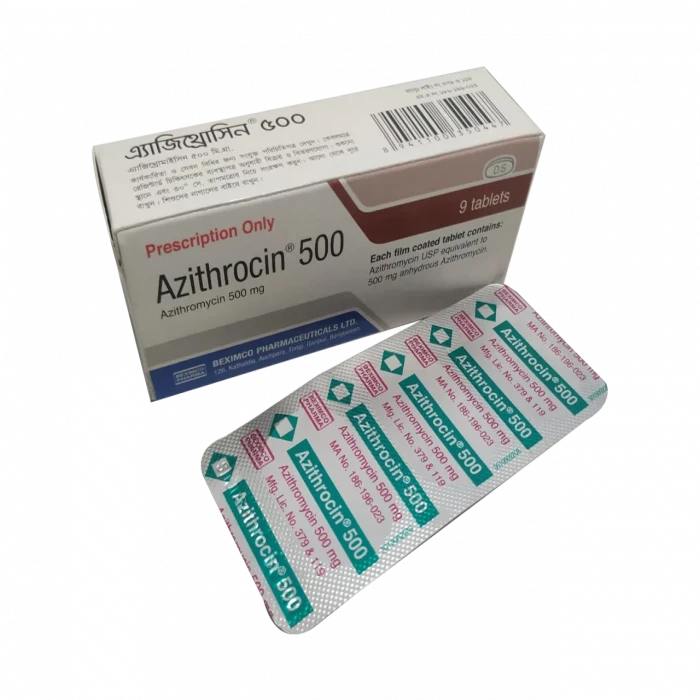
Azithrocin 500mg Tablet
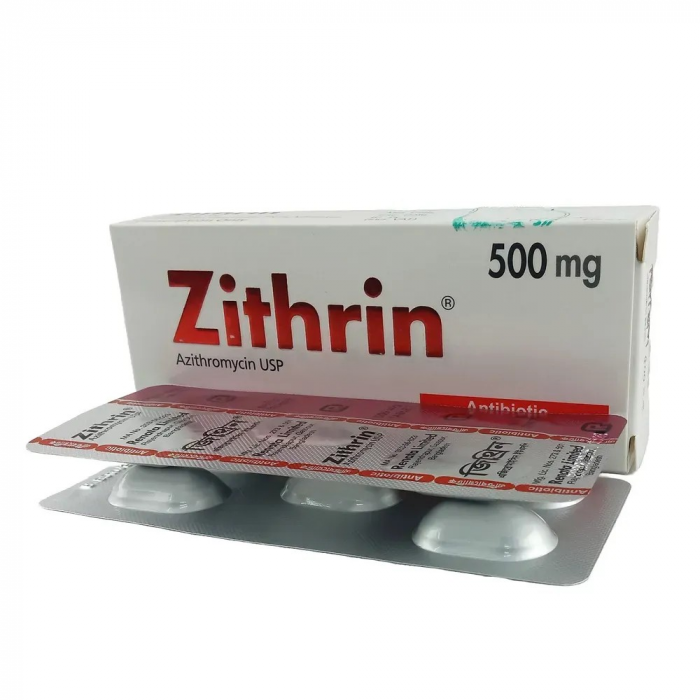
Zithrin 500mg Tablet
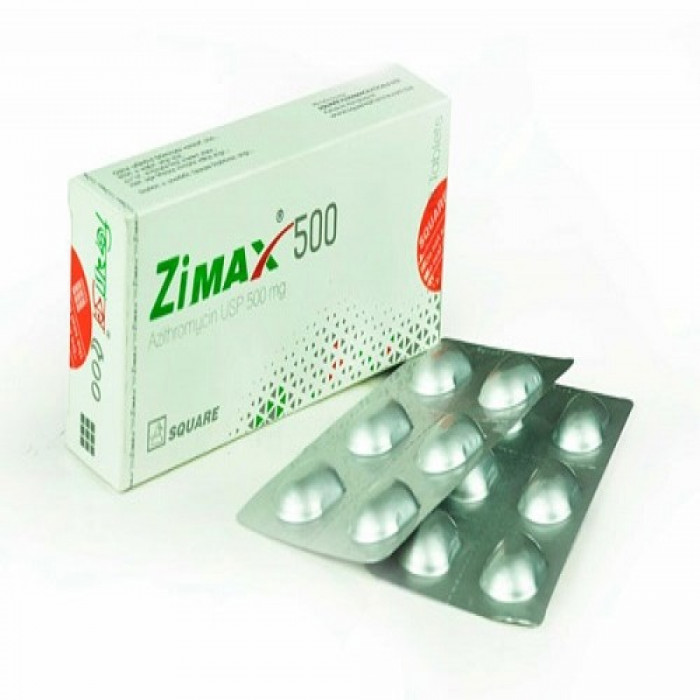
Zimax 500mg 6pcs
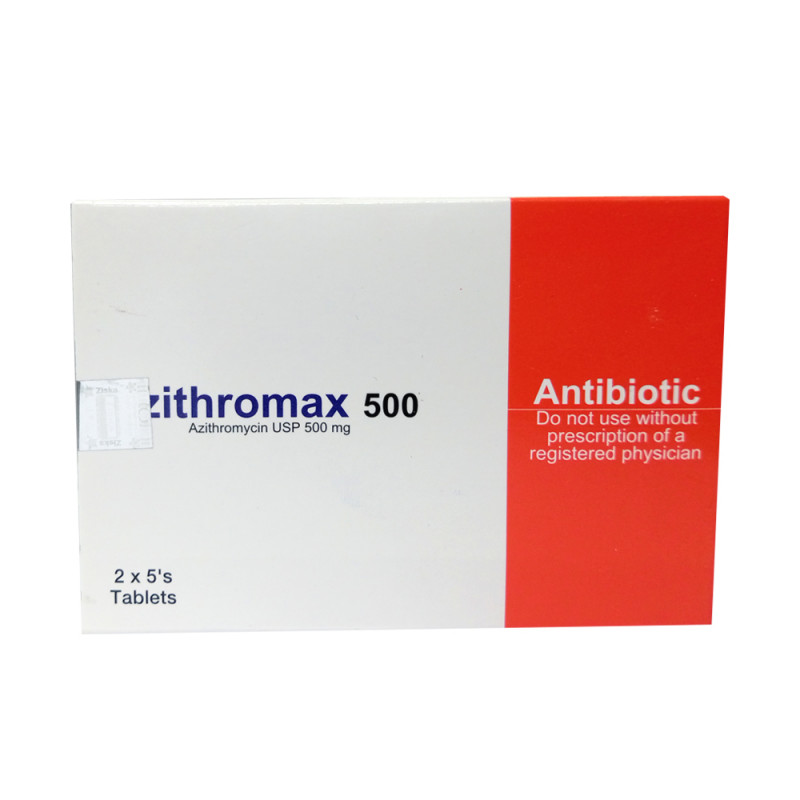
Azithromax 500mg Tablet
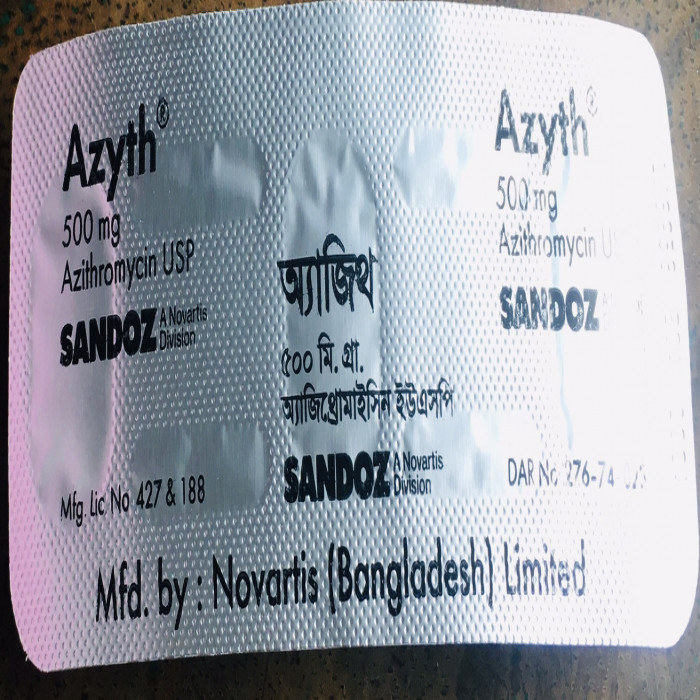
Azyth 500mg Tablet
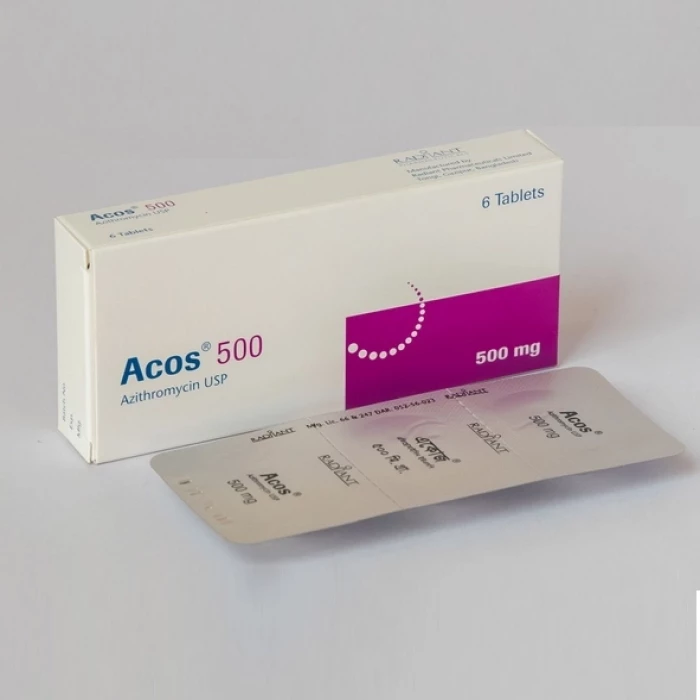
Acos 500mg Tablet 1 Strip
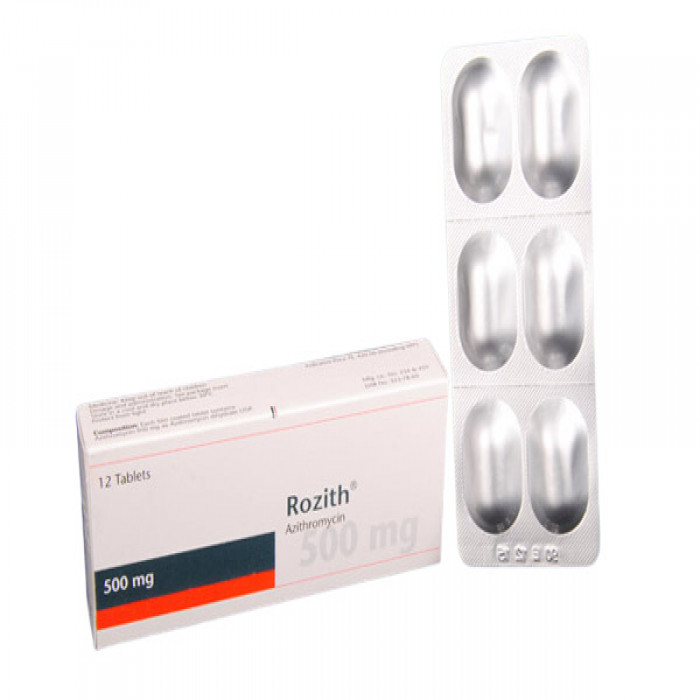
Rozith 500mg Tablet 6Pcs
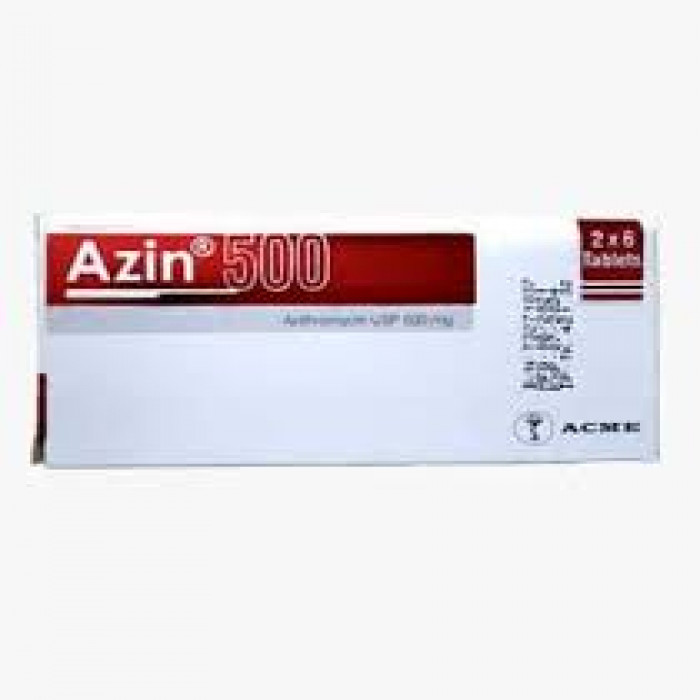
Azin 500mg Tablet 1 Strip
More From Albion Laboratories Ltd.
Popular products from this manufacturer/brand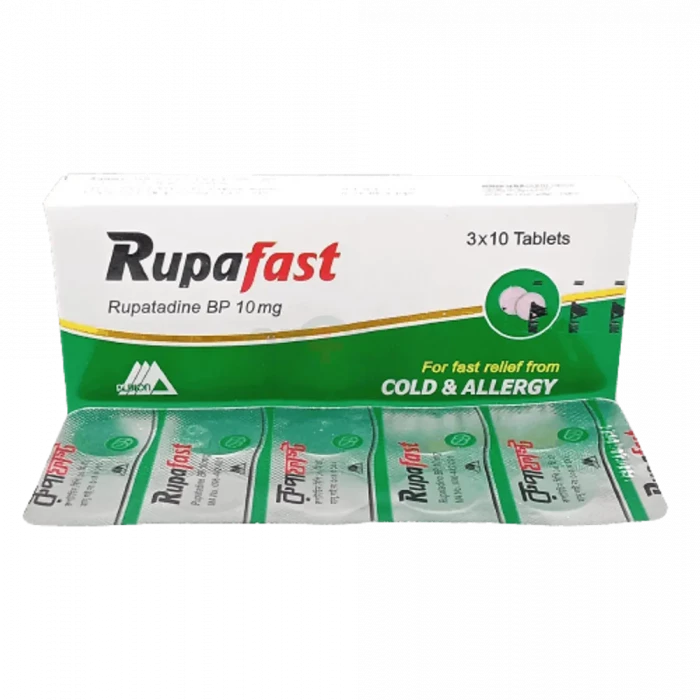
Rupafast 10mg Tablet
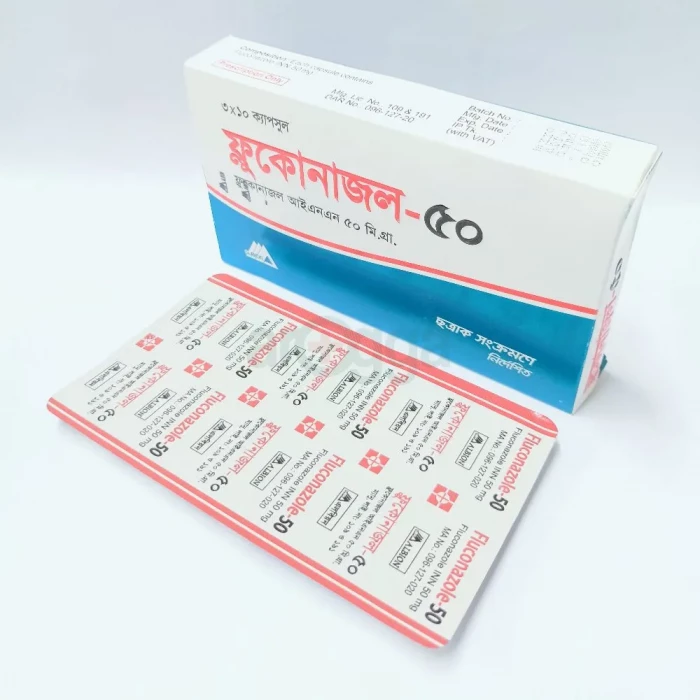
Fluconazole 50mg Capsule 10pcs
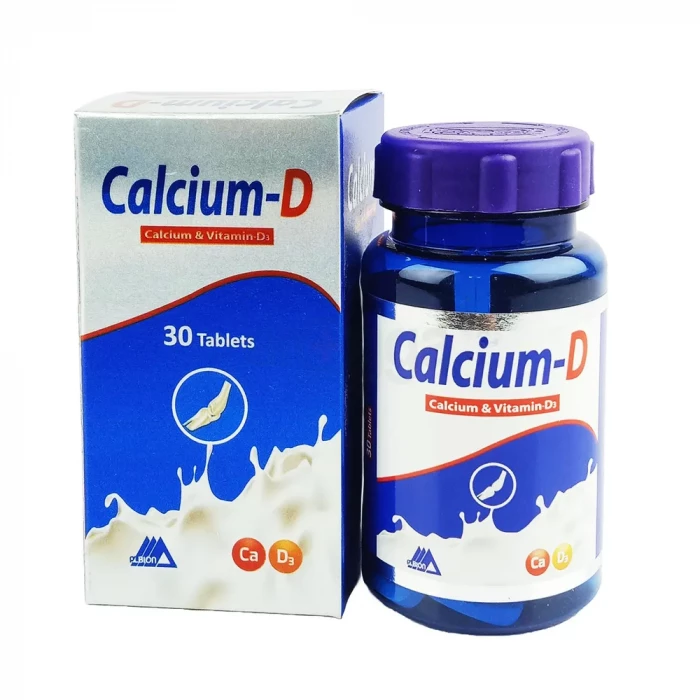
Calcium D Pot

Lotil 20mg Capsule 1 Strip

Bactofree 2% Ointment

Terbifast 1% Cream
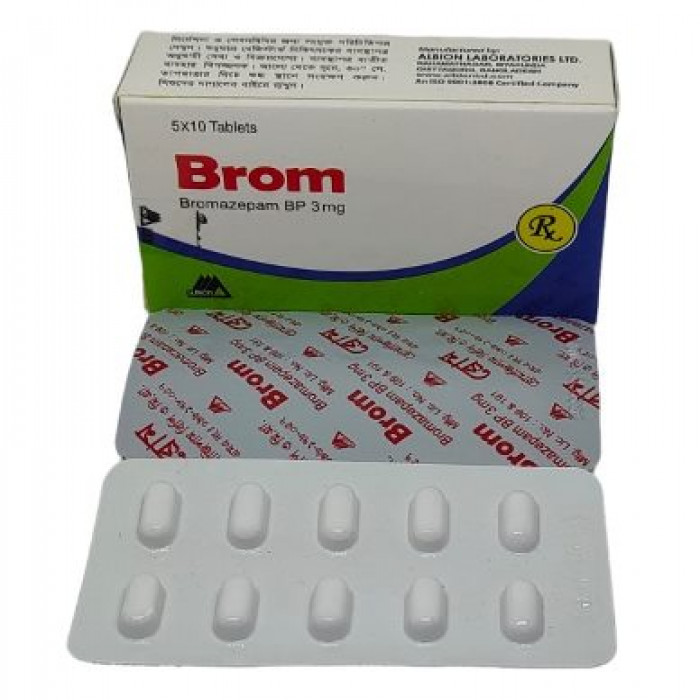
Brom 3mg 10pcs

Povimax Antiseptic Cream 25g
Related Posts



✔️ Side Effects of Azithromycin 500
- stomach cramps, nausea, vomiting, diarrhea
- flatulence
- dizziness, headache
- numbness or prickling sensation
- loss of appetite
- taste disturbance
- visual disturbances
- deafness
- skin rash, itching
- joint pain
- tiredness, weakness
✔️ Interaction
Medicines That May Interfere With Azithromycin 500
Some medicines may influence how Azithromycin 500 works in the body. These include certain:
- Antacids containing aluminum or magnesium
- Heart rhythm–related medicines
- Medicines that affect electrolyte balance
- Specific migraine medicines
Spacing antacids and the tablet by a reasonable gap may help avoid interference.
Interactions With Blood-Thinning Medicines
A few blood-thinning medicines may require monitoring when taken alongside Azithromycin 500, as the combination might influence clotting parameters.
Regular follow-up may help adjust the therapy if needed.
Interactions With Heart or Blood Pressure Medicines
Some heart rhythm stabilizers and medicines that affect the heartbeat may show enhanced sensitivity when taken together with Azithromycin 500.
Sharing your complete medication list ensures better safety.
Interactions With Antacids and Acid-Reducing Medicines
Antacids containing aluminum or magnesium may reduce the absorption of azithromycin.
Maintaining a 2-hour gap may support proper intake.
Interactions With Painkillers and Anti-Inflammatory Medicines
Most commonly used pain relievers may be compatible, but certain anti-inflammatory medicines may increase the risk of stomach discomfort when taken together.
Taking the tablet after food may reduce this discomfort in sensitive individuals.
Interactions With Allergy Medicines
A few antihistamines may influence heart rhythm when combined with Azithromycin 500.
This is less common but is important to mention during consultation.
Interactions With Vitamins, Minerals, and Supplements
- Multivitamins containing zinc, calcium, or magnesium may reduce absorption if taken together.
- Herbal supplements (e.g., St. John’s wort) may alter how the medicine behaves in the body.
Keeping a small gap between these products may support better absorption
✔️ Before taking Azithromycin 500 TABLET, inform your doctor if you have:
- diabetes
- myasthenia gravis (condition marked by weak muscles)
- intolerance to certain sugars
✔️ Storage:
Keep in a dry place away from light and heat. Keep out of the reach of children.
⚠️Disclaimer:
At ePharma, we’re committed to providing accurate and accessible health information. However, all content is intended for informational purposes only and should not replace medical advice from a qualified physician. Please consult your healthcare provider for personalized guidance. We aim to support, not substitute, the doctor-patient relationship.
📦Pricing Information, Availability:
Product Availability & Pricing Notice
Please note that pricing, availability, and service offerings are subject to change due to: Market fluctuations, Manufacturer or supplier adjustments, Product discontinuation or temporary unavailability, Advertising errors. All orders depend on stock availability and staff resources. If services are provided on a time-and-materials basis, any shared estimates are for planning purposes only.



Reliable
All products displayed on ePharma are procured from govt. approved pharmaceuticals and verified licensed pharmacies from 2016.

Secure
ePharma uses Secure Sockets Layer (SSL) 128-bit 🔒 encryption and is Payment Card Industry DataSecurity Standard (PCI DSS) compliant.

Affordable
Find affordable medicine substitutes, save up to 50% on health products, up to 30% off on doctor consultations.

Social
Providing health care services under the health and beauty category with more than 170K Facebook audience and 10M+ reach.







Get more features!
Download the app now
✓ Doctor consultation ✓ 24/7 helpline