


✔ 100% Authentic Product
👁️ Viewed 3192 times
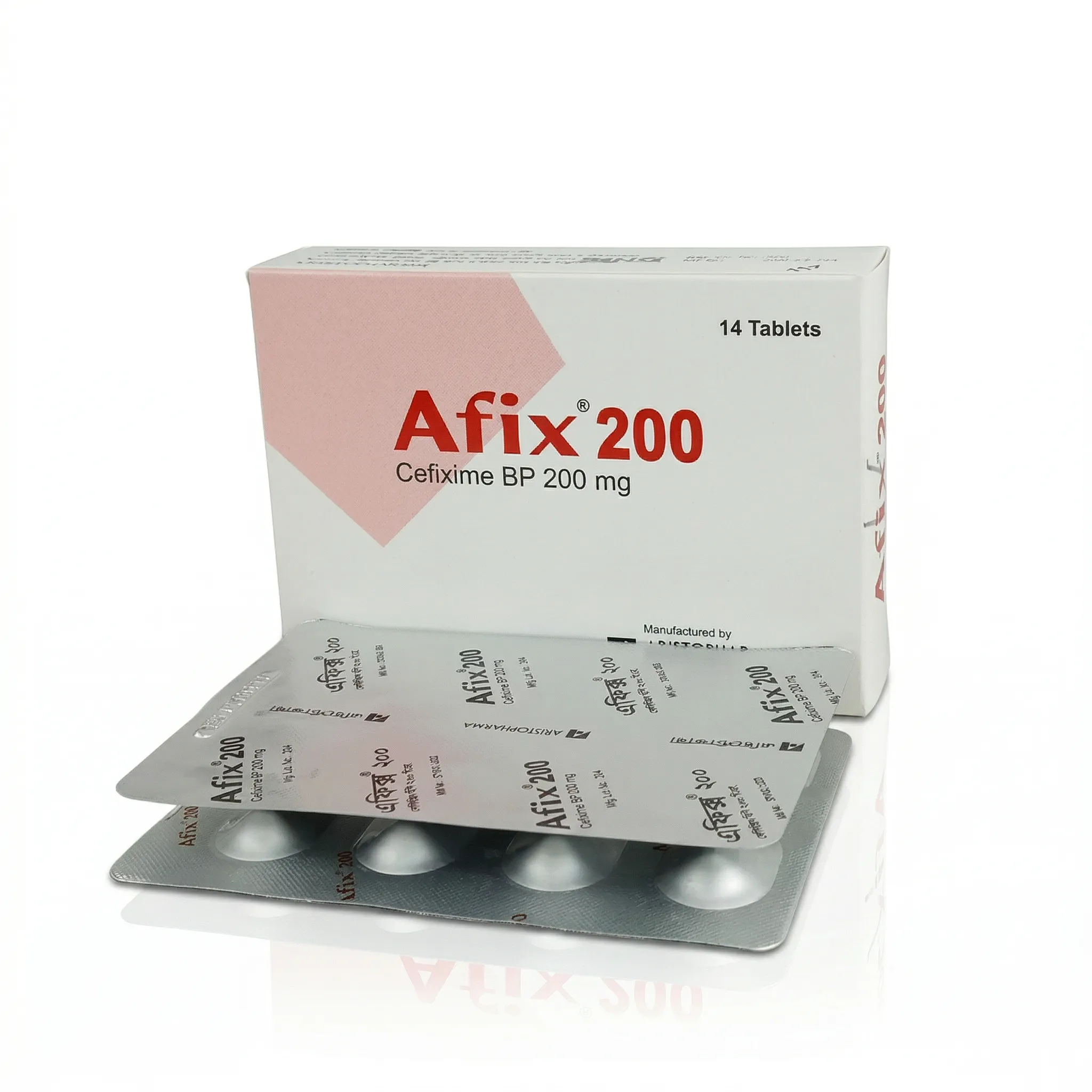
Afix 200mg Tablet 1 Strip
Cefixime is a third-generation cephalosporin that kills susceptible bacteria by inhibiting bacterial cell-wall synthesis. This weakens the bacterial cell wall and ultimately causes bacterial cell death.
Cefixime is relatively stable in the presence of beta-lactamase enzymes produced by some bacteria. Approximately 40–50% of an oral dose is absorbed, and absorption is not significantly affected by food.
Discount Price: ৳ 299
MRP:
৳
315
5%
off

100% Genuine Products, Guaranteed

Safe & Secure Payments, Always

Fast, Secure & Efficient Delivery

Proper Packaging
 Cash on Delivery - All over Bangladesh
 Regular Delivery: 24-48 Hours, Dhaka City* Charge Tk.39-59
- Regular Delivery: 48-96 Hours, Other Cities* Charge Tk.99-125
 ফ্রি ডেলিভারিঃ - ১৪৯৯ টাকা+ অর্ডারে, ঢাকা
শহরে
ফ্রি ডেলিভারিঃ - ১৪৯৯ টাকা+ অর্ডারে, ঢাকা
শহরে- ফ্রি ডেলিভারিঃ - ৪৯৯৯ টাকা+ অর্ডারে, ঢাকার
বাহিরে
📲 মোবাইল অ্যাপ অর্ডারে সাশ্রয় বেশী
-
Google Play Store থেকে ডাউনলোড
-
Apple Store থেকে ডাউনলোড
100% Genuine Products, Guaranteed
Safe & Secure Payments, Always
Fast, Secure & Efficient Delivery
Proper Packaging
- Cash on Delivery - All over Bangladesh
- Regular Delivery: 24-48 Hours, Dhaka City* Charge Tk.39-59
- Regular Delivery: 48-96 Hours, Other Cities* Charge Tk.99-125
- ফ্রি ডেলিভারিঃ - ১৪৯৯ টাকা+ অর্ডারে, ঢাকা
শহরে
- ফ্রি ডেলিভারিঃ - ৪৯৯৯ টাকা+ অর্ডারে, ঢাকার
বাহিরে
- Google Play Store থেকে ডাউনলোড
- Apple Store থেকে ডাউনলোড
📲 মোবাইল অ্যাপ অর্ডারে সাশ্রয় বেশী
✅ Description:
Afix contains cefixime, an orally administered third-generation cephalosporin antibiotic. It has bactericidal activity against a broad range of susceptible Gram-positive and Gram-negative bacteria. Cefixime works by interfering with bacterial cell-wall formation, thereby stopping bacterial growth and leading to bacterial death.
Afix is used for the treatment of bacterial infections caused by cefixime-sensitive microorganisms.
Uses of Afix
Afix may be prescribed for susceptible bacterial infections, including:
Upper Respiratory Tract Infections
- Otitis media (middle-ear infection)
- Other upper respiratory tract infections where the causative bacteria are susceptible to cefixime
Lower Respiratory Tract Infections
- Bronchitis
- Other susceptible bacterial infections of the lower respiratory tract
Urinary Tract Infections
- Cystitis
- Cystourethritis
- Pyelonephritis
Cefixime has demonstrated activity against commonly encountered pathogens such as Streptococcus pneumoniae, Streptococcus pyogenes, Escherichia coli, Proteus mirabilis, Klebsiella species, Haemophilus influenzae, Moraxella catarrhalis, and certain Enterobacter species.
It is relatively stable against many beta-lactamase enzymes, which can make it effective against certain bacteria that are resistant to some penicillins and other cephalosporins.
How Afix Works
If severe or persistent diarrhea develops during or after treatment, contact a healthcare professional promptly.
Contraindications
Afix should not be used by patients with a known hypersensitivity to cefixime or other cephalosporin antibiotics.
Precautions & Warnings
Use Afix cautiously in patients who:
- Have previously experienced allergic reactions to medicines
- Have a history of penicillin allergy
- Have significantly reduced kidney function
- Have a history of antibiotic-associated colitis
There may be partial cross-sensitivity between penicillins and cephalosporins. Patients who have experienced severe allergic reactions to penicillins or cephalosporins should inform their doctor before treatment.
If symptoms of an allergic reaction such as facial swelling, difficulty breathing, severe rash, or anaphylaxis occur, stop taking the medicine and seek immediate medical attention.
As with other broad-spectrum antibiotics, cefixime can alter normal intestinal bacteria and may allow Clostridioides difficile to multiply, potentially resulting in antibiotic-associated diarrhea or colitis.
Afix should only be used for infections caused by susceptible bacteria. It does not treat viral infections such as the common cold or influenza.

Relevant Products
Same generic alternatives, ranked by customer interest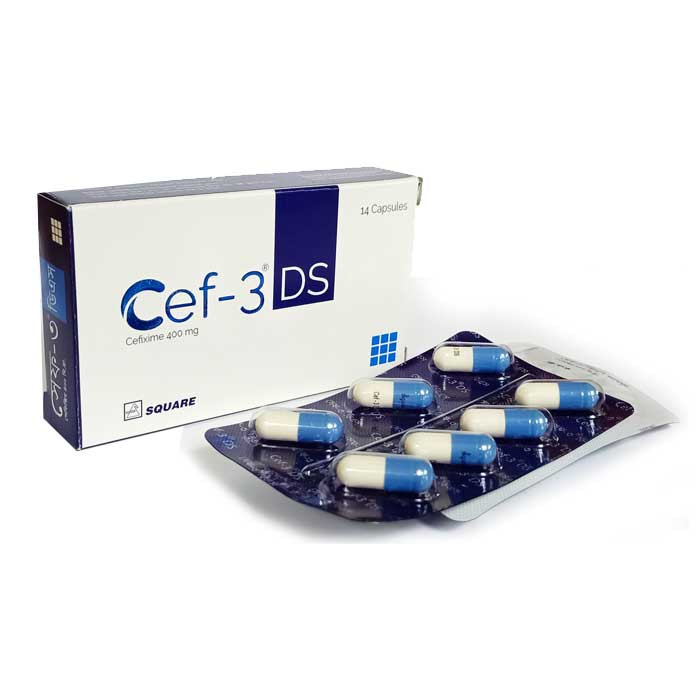
Cef-3 DS 400mg Capsule 7Pcs
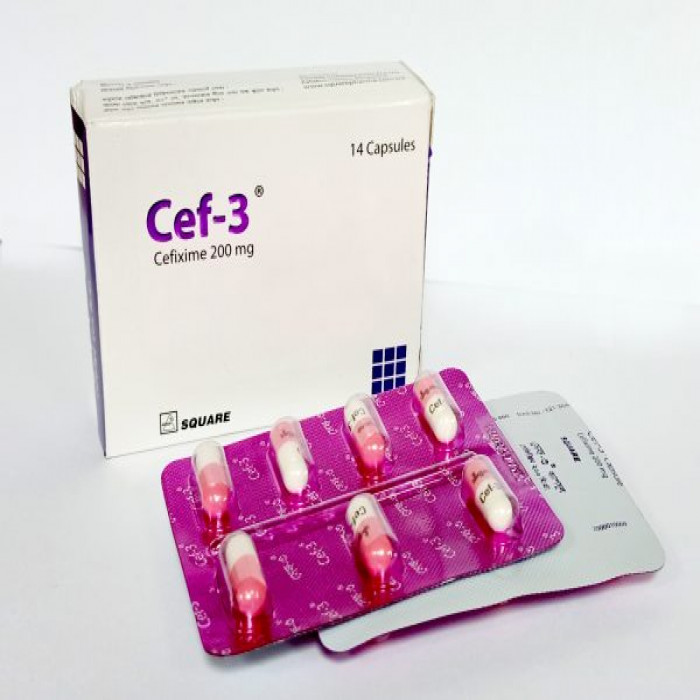
Cef-3 200mg Capsule
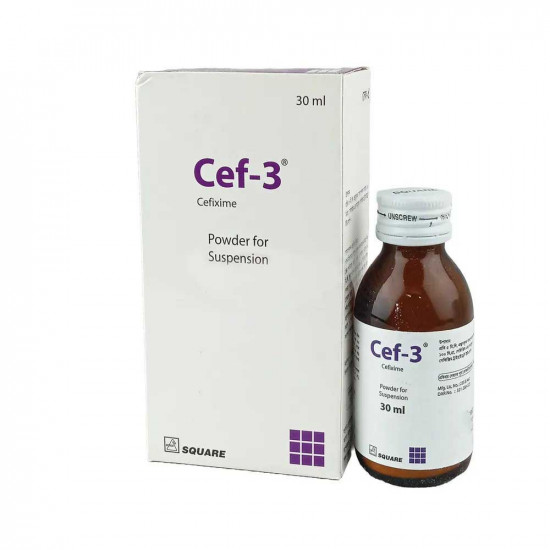
Cef-3 Powder for Suspension 30ml
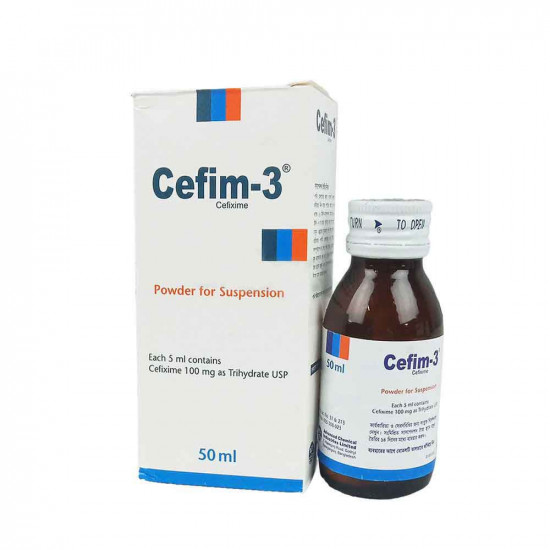
Cefim-3 Powder for Suspension | 50ml

Cefim-3 Powder For Pediatric Drops | 21ml Bottle
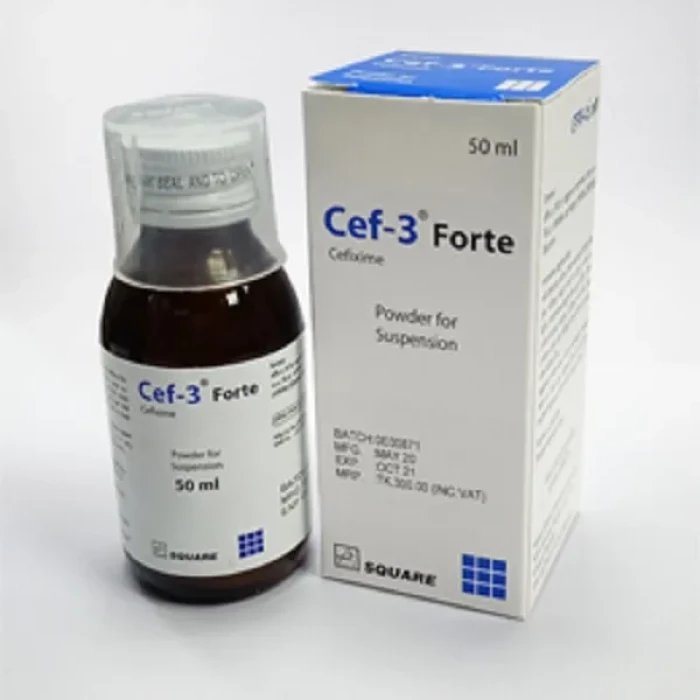
Cef-3 Forte Powder for Suspension 50ml
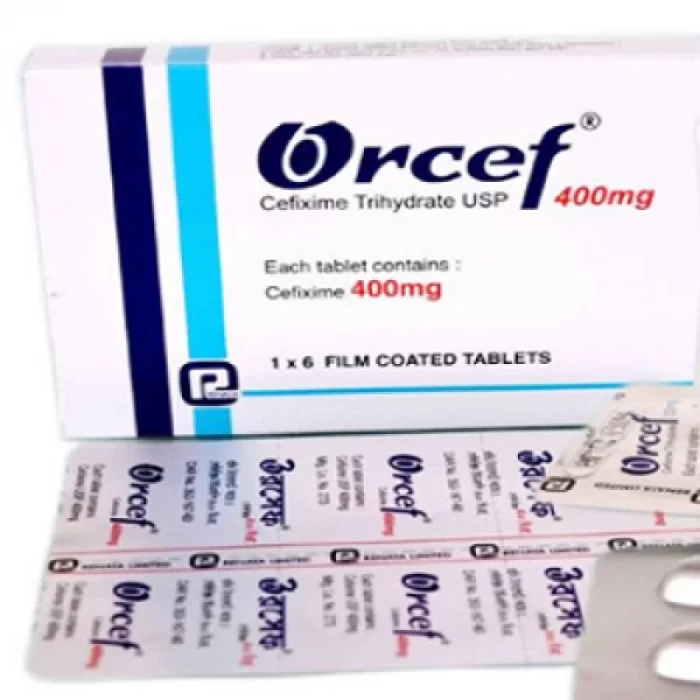
Orcef 400mg Capsule 6pcs
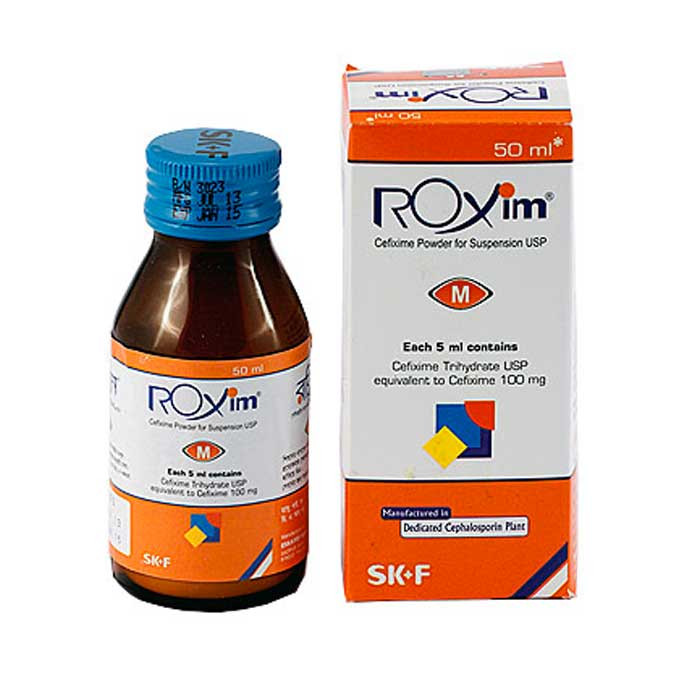
Roxim Powder for Suspension 50ml (100mg/5ml)
More From Aristopharma Limited
Popular products from this manufacturer/brand
Ketozol 2% Medicated Anti-Dandruff Scalp Shampoo 100ml

Neobion 100mg+200mg+200mcg Tablet

Rupa 10mg Tablet
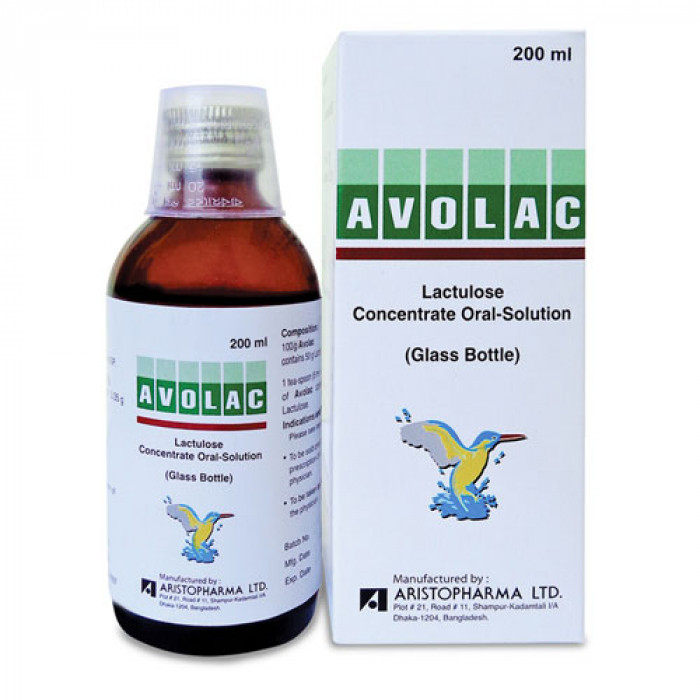
Avolac Oral Solution 200ml
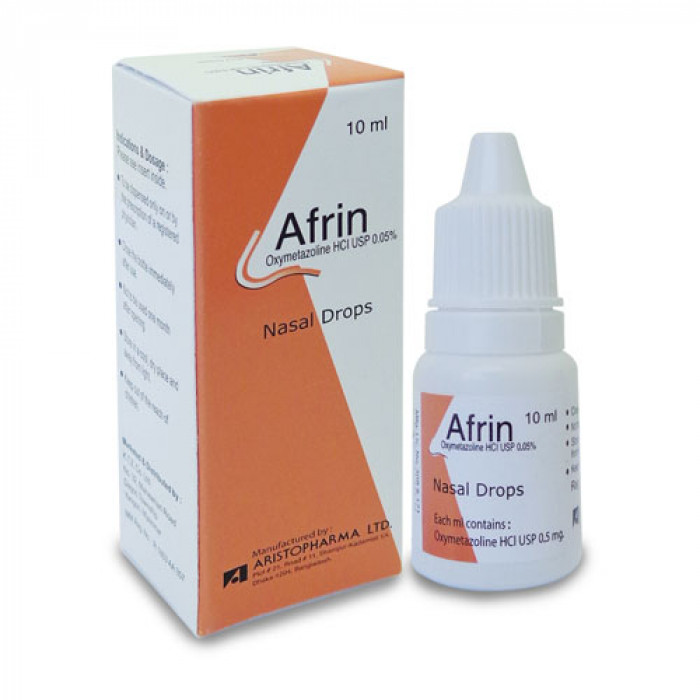
Afrin 0.05% Nasal Drops

Rabe 20mg Tablet
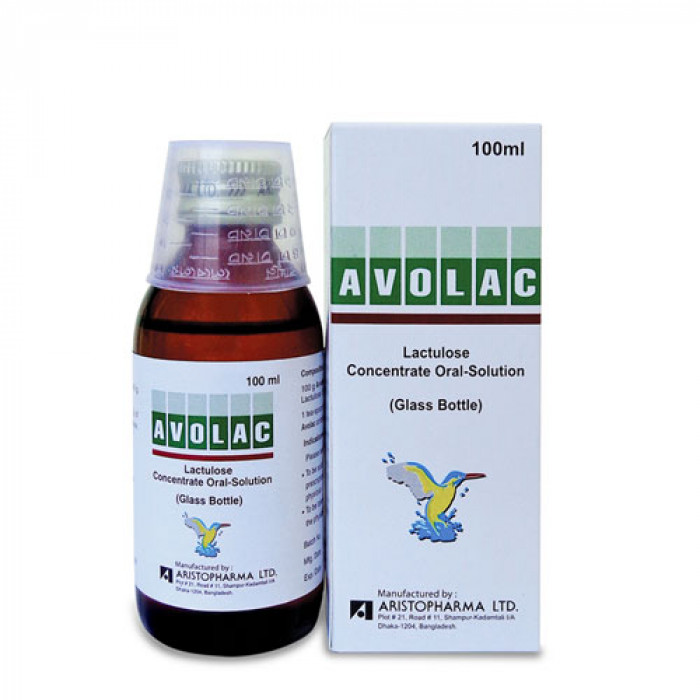
Avolac Oral Solution 100ml

Optimox 0.5% Eye Drops 5ml
কীভাবে অর্ডার করবেন?How to Order?
How to Orderওয়েবসাইট থেকে অর্ডার করার সহজ ভিডিও গাইড।
অ্যাপ থেকে অর্ডারের সহজ ভিডিও গাইড
অ্যাপ ডাউনলোডDownload ePharma App বিস্তারিত গাইড ›Detailed App Ordering GuideRelated Posts



✔️ Drug Interaction
Cefixime, like other cephalosporins, may occasionally affect prothrombin time. Patients taking anticoagulant medicines should therefore inform their doctor and may require appropriate monitoring.
Tell your healthcare provider about all medicines, supplements, and herbal products you are taking before starting cefixime.
✔️ Dosage & Administration
Take Afix exactly as prescribed by your doctor. The usual treatment duration is around 7 days, although treatment may be extended up to 14 days when clinically necessary.
Adults and Children Over 10 Years
The usual recommended dose is 200–400 mg per day, depending on the severity and type of infection. It may be administered as a single daily dose or in two divided doses.
Children
The usual pediatric dose is 8 mg/kg/day, given either once daily or in two divided doses.
For cefixime suspension, the following may be used as general dosing guides:
- 6 months to 1 year: 3.75 mL once daily
- 1–4 years: 5 mL once daily
- 5–10 years: 10 mL once daily
The exact dose should be determined according to the child's body weight, infection, and medical condition.
Typhoid
For children with typhoid fever, a commonly recommended regimen is 5 mg/kg twice daily for 10–14 days, under medical supervision.
Children Over 50 kg or Above 10 Years
Children weighing more than 50 kg or those older than 10 years may generally receive the adult dose of 200–400 mg daily, depending on the severity of infection.
Children Under 6 Months
The safety and effectiveness of cefixime have not been adequately established in infants younger than 6 months. Use should therefore be based on specialist medical advice.
Dose in Renal Impairment
Cefixime can be used in patients with impaired kidney function, but dose adjustment may be necessary.
- Creatinine clearance ≥20 mL/min: The usual dose and schedule may generally be used.
- Creatinine clearance <20 mL/min: The dose should generally not exceed 200 mg once daily.
- Patients receiving hemodialysis or chronic ambulatory peritoneal dialysis should generally follow the dosing recommendations used for patients with creatinine clearance below 20 mL/min.
Renal function should be assessed before and during treatment when clinically appropriate.
✔️ Common Side Effects
Afix is generally well tolerated, and most adverse effects are mild and temporary.
Possible side effects include:
- Diarrhea
- Changes in stool consistency
- Nausea
- Abdominal pain
- Indigestion
- Vomiting
- Flatulence
- Headache
- Dizziness
- Skin rash
- Itching
- Hives (urticaria)
- Drug-related fever
- Vaginal itching or vaginitis
Diarrhea may occur more frequently with higher doses.
Serious or Less Common Side Effects
Rare or clinically significant reactions may include:
- Severe allergic reactions, including anaphylaxis
- Antibiotic-associated diarrhea or pseudomembranous colitis
- Thrombocytopenia
- Leukopenia
- Eosinophilia
- Temporary changes in liver-function tests
- Temporary changes in kidney-function tests
✔️ Pregnancy & Lactation
Pregnancy: Adequate and well-controlled studies of cefixime in pregnant women are limited. It should be used during pregnancy only when clearly indicated and when the expected benefit outweighs potential risk.
Breastfeeding: It is not clearly established whether cefixime is excreted into human breast milk. A breastfeeding woman should consult her doctor before using Afix.
✔️ Storage:
- Store below 30°C.
- Protect from light and moisture.
- Keep out of reach and sight of children.
- Store the medicine in its original packaging unless otherwise directed.
⚠️Disclaimer:
At ePharma, we’re committed to providing accurate and accessible health information. However, all content is intended for informational purposes only and should not replace medical advice from a qualified physician. Please consult your healthcare provider for personalized guidance. We aim to support, not substitute, the doctor-patient relationship.
📦Pricing Information, Availability:
Product Availability & Pricing Notice
Please note that pricing, availability, and service offerings are subject to change due to: Market fluctuations, Manufacturer or supplier adjustments, Product discontinuation or temporary unavailability, Advertising errors. All orders depend on stock availability and staff resources. If services are provided on a time-and-materials basis, any shared estimates are for planning purposes only.


Reliable
All products displayed on ePharma are procured from govt. approved pharmaceuticals and verified licensed pharmacies from 2016.

Secure
ePharma uses Secure Sockets Layer (SSL) 128-bit 🔒 encryption and is Payment Card Industry DataSecurity Standard (PCI DSS) compliant.

Affordable
Find affordable medicine substitutes, save up to 50% on health products, up to 30% off on doctor consultations.

Social
Providing health care services under the health and beauty category with more than 170K Facebook audience and 10M+ reach.







Get more features!
Download the app now
✓ Doctor consultation ✓ 24/7 helpline