


✔ 100% Authentic Product
👁️ Viewed 198 times
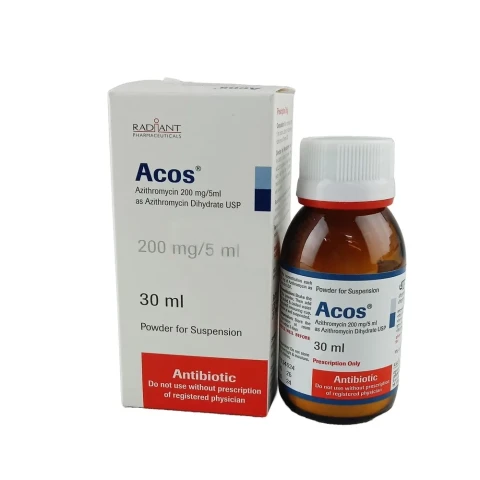
Acos Powder for Suspension 30ml
Azithromycin inhibits bacterial protein synthesis by binding to the 50S ribosomal subunit of susceptible bacteria. This prevents bacterial growth and multiplication without affecting nucleic acid synthesis.
- Shake the bottle thoroughly to loosen the dry powder.
- Add previously boiled and cooled water up to the marked line on the bottle.
- Shake well until the suspension becomes completely uniform.
For optimal absorption, take azithromycin at least 1 hour before meals or 2 hours after meals.
Discount Price: ৳ 182
MRP:
৳
190
4%
off

100% Genuine Products, Guaranteed

Safe & Secure Payments, Always

Fast, Secure & Efficient Delivery

Proper Packaging
 Cash on Delivery - All over Bangladesh
 Regular Delivery: 24-48 Hours, Dhaka City* Charge Tk.39-59
- Regular Delivery: 48-96 Hours, Other Cities* Charge Tk.99-125
 ফ্রি ডেলিভারিঃ - ১৪৯৯ টাকা+ অর্ডারে, ঢাকা
শহরে
ফ্রি ডেলিভারিঃ - ১৪৯৯ টাকা+ অর্ডারে, ঢাকা
শহরে- ফ্রি ডেলিভারিঃ - ৪৯৯৯ টাকা+ অর্ডারে, ঢাকার
বাহিরে
📲 মোবাইল অ্যাপ অর্ডারে সাশ্রয় বেশী
-
Google Play Store থেকে ডাউনলোড
-
Apple Store থেকে ডাউনলোড
100% Genuine Products, Guaranteed
Safe & Secure Payments, Always
Fast, Secure & Efficient Delivery
Proper Packaging
- Cash on Delivery - All over Bangladesh
- Regular Delivery: 24-48 Hours, Dhaka City* Charge Tk.39-59
- Regular Delivery: 48-96 Hours, Other Cities* Charge Tk.99-125
- ফ্রি ডেলিভারিঃ - ১৪৯৯ টাকা+ অর্ডারে, ঢাকা
শহরে
- ফ্রি ডেলিভারিঃ - ৪৯৯৯ টাকা+ অর্ডারে, ঢাকার
বাহিরে
- Google Play Store থেকে ডাউনলোড
- Apple Store থেকে ডাউনলোড
📲 মোবাইল অ্যাপ অর্ডারে সাশ্রয় বেশী
✅ Description:
Azithromycin is a macrolide antibiotic that remains stable in acidic conditions, allowing it to be taken orally without requiring protection from stomach acid. It is rapidly absorbed after oral administration, with better absorption when taken on an empty stomach. Peak blood concentrations are generally reached within 2.1 to 3.2 hours in adults.
One of its unique properties is its ability to accumulate inside phagocytic cells, which transport the drug directly to infected tissues. During the body's immune response, these cells release high concentrations of azithromycin at the site of infection. Tissue concentrations may become more than 50 times higher than plasma levels due to its high lipid solubility and ion-trapping characteristics.
Azithromycin has a prolonged elimination half-life, allowing once-daily dosing while maintaining therapeutic concentrations in infected tissues for several days. Following a single 500 mg oral dose, the drug demonstrates an average plasma clearance of approximately 630 mL/min and a terminal elimination half-life of about 68 hours. The prolonged half-life results from extensive tissue distribution followed by gradual release into circulation.
The drug is eliminated mainly through the bile in an unchanged form, while approximately 6% of the administered dose is excreted unchanged in the urine within one week
Antibacterial Spectrum
Azithromycin is active against many clinically important microorganisms, including:
Gram-positive bacteria
- Staphylococcus aureus
- Streptococcus agalactiae
- Streptococcus pneumoniae
- Streptococcus pyogenes
- Group C, F, and G streptococci
- Viridans streptococci
Gram-negative bacteria
- Haemophilus influenzae
- Haemophilus ducreyi
- Moraxella catarrhalis
- Neisseria gonorrhoeae
- Bordetella pertussis
- Legionella pneumophila
Other susceptible organisms
- Chlamydia trachomatis
- Chlamydia pneumoniae
- Mycoplasma pneumoniae
Anaerobic organisms
- Peptostreptococcus species
- Prevotella bivia
Azithromycin maintains activity against organisms that produce beta-lactamase enzymes.
Dosage & Administration
Oral Administration
Adults
- 500 mg once daily for 3 days, or
- 500 mg on Day 1, followed by 250 mg once daily on Days 2–5.
Sexually transmitted infections caused by Chlamydia trachomatis
- 1 g as a single oral dose, or
- 500 mg on Day 1, followed by 250 mg once daily for the next 2 days, as recommended by the physician.
Pediatric Dosage
For children older than 6 months:
- 10 mg/kg once daily for 3 days, or according to body weight:
- 15–25 kg: 200 mg once daily for 3 days
- 26–35 kg: 300 mg once daily for 3 days
- 36–45 kg: 400 mg once daily for 3 days
Typhoid fever: 500 mg once daily for 7–10 days, as directed by the physician.
Intravenous Administration (IV Infusion)
Community-acquired pneumonia
- 500 mg IV once daily for at least 2 days, followed by 500 mg orally once daily to complete a 7–10 day treatment course.
Pelvic inflammatory disease
- 500 mg IV once daily for 1–2 days, followed by 250 mg orally once daily to complete 7 days of therapy.
When anaerobic bacteria are suspected, appropriate anaerobic antimicrobial therapy should be administered alongside azithromycin.
The safety and efficacy of injectable azithromycin have not been established in patients younger than 16 years.
Use azithromycin cautiously with the following medicines:
- Antacids: Take azithromycin at least 1 hour before or 2 hours after antacids containing aluminum or magnesium.
- Cyclosporine: Monitor cyclosporine blood levels and adjust dosage if necessary.
- Digoxin: May increase digoxin concentrations; monitoring is recommended.
- Warfarin: May be administered together, but regular monitoring of prothrombin time (PT/INR) is advised.
- Theophylline: Although significant interaction is uncommon, monitoring is recommended.
- Carbamazepine: No clinically significant interaction has been observed.
- Methylprednisolone: No significant pharmacokinetic interaction reported.
- Ergot derivatives: Concurrent use is contraindicated because of the potential risk of ergot toxicity.
- Terfenadine: No significant effect on QT interval has been demonstrated at recommended doses.

Relevant Products
Same generic alternatives, ranked by customer interest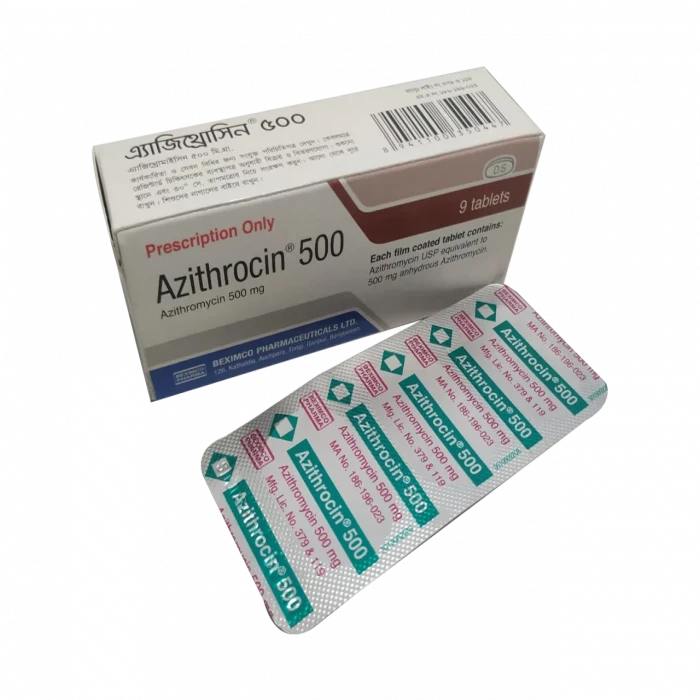
Azithrocin 500mg Tablet
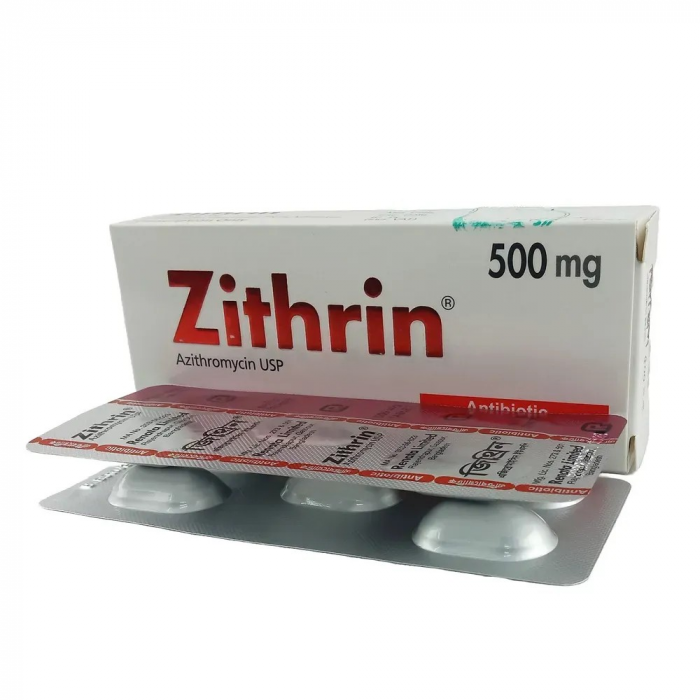
Zithrin 500mg Tablet
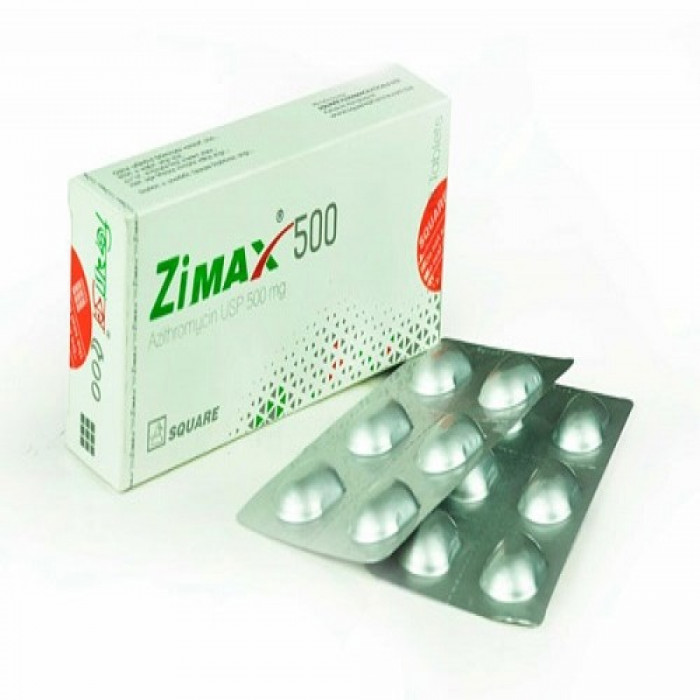
Zimax 500mg 6pcs
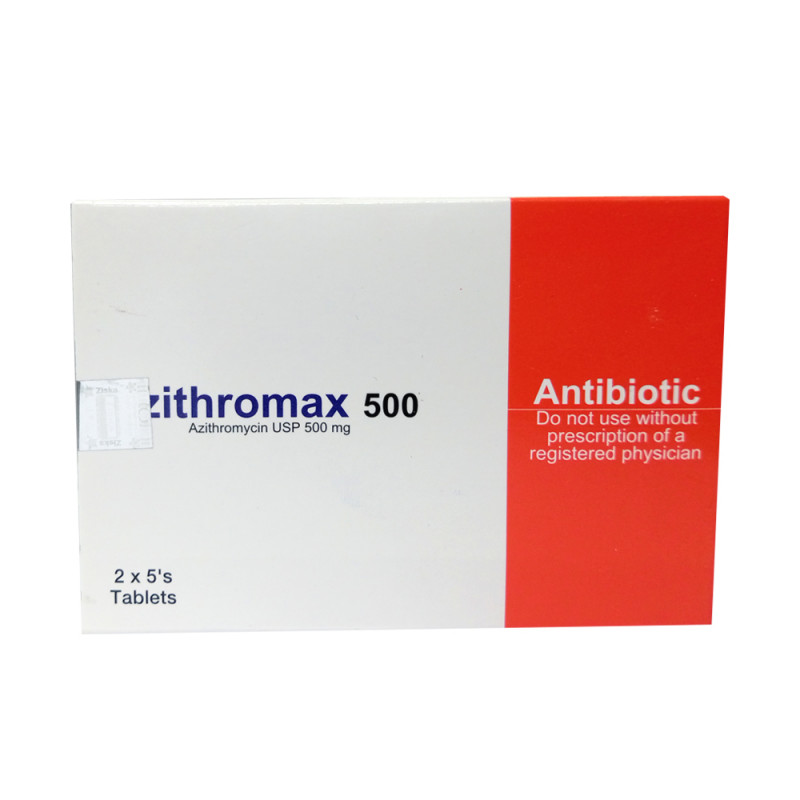
Azithromax 500mg Tablet
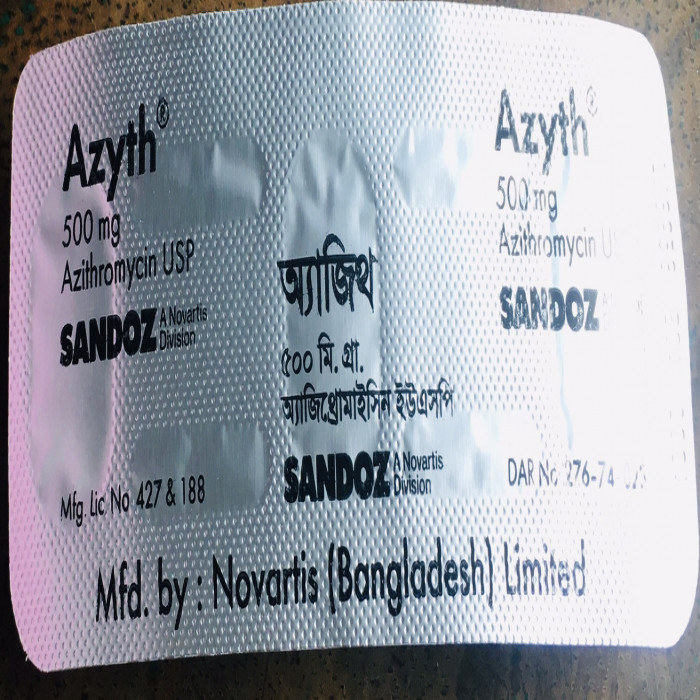
Azyth 500mg Tablet
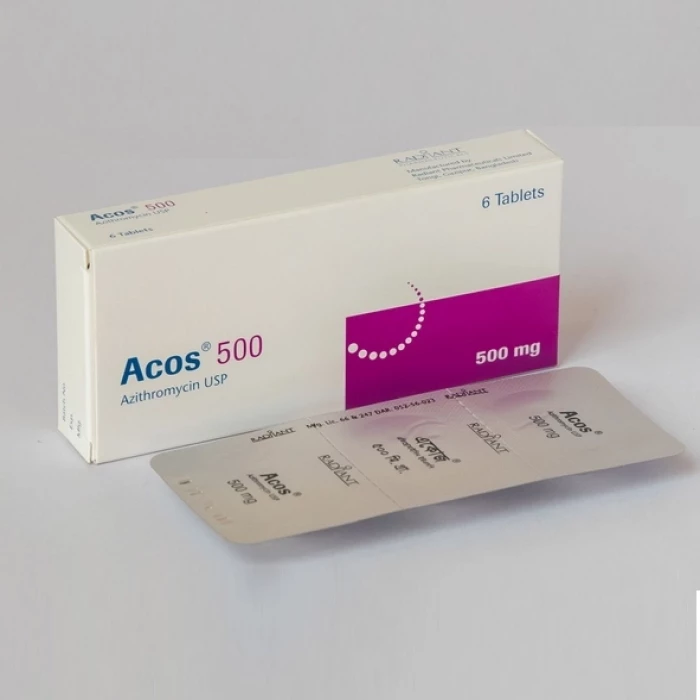
Acos 500mg Tablet 1 Strip
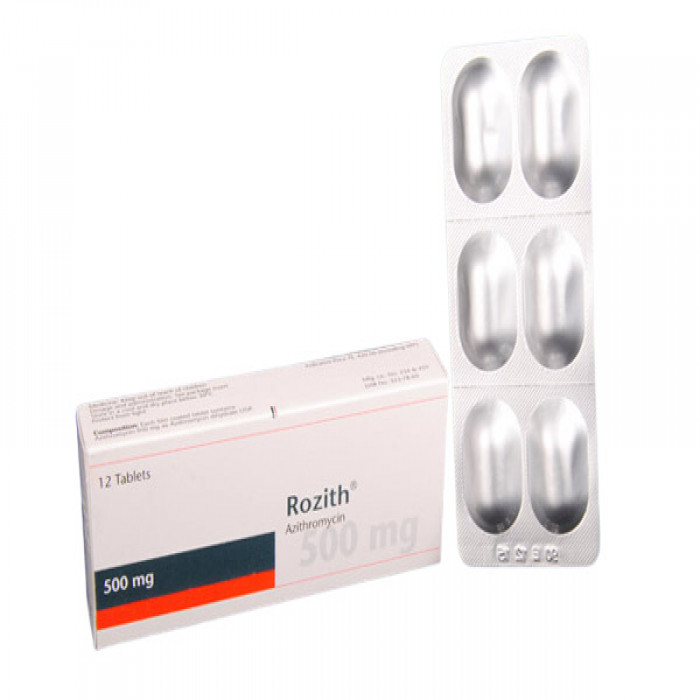
Rozith 500mg Tablet 6Pcs
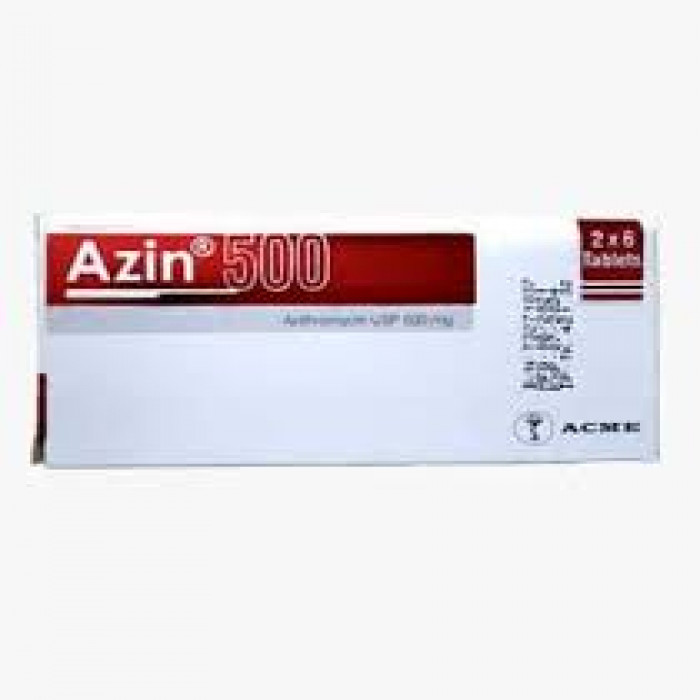
Azin 500mg Tablet 1 Strip
More From Renata Limited
Popular products from this manufacturer/brand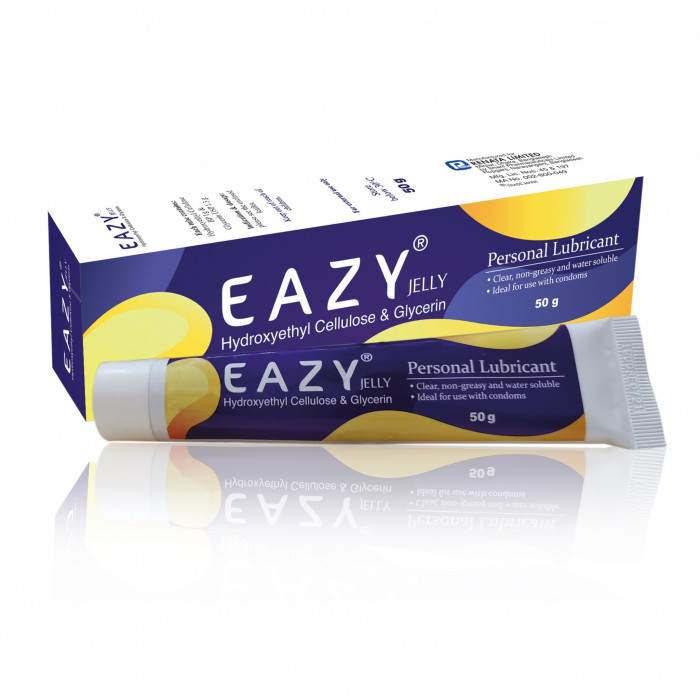
Eazy Jelly 50gm
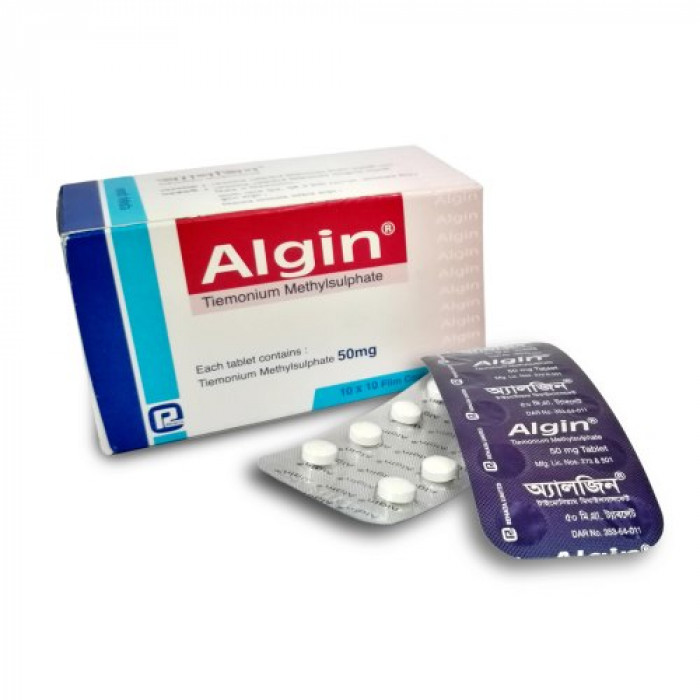
Algin 50mg Tablet
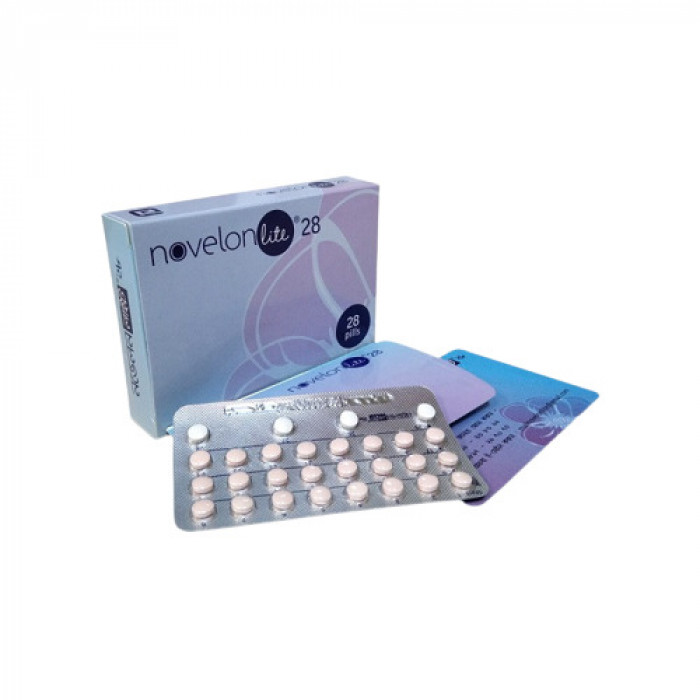
Novelon Lite
Androcap 40mg Capsule
Maxpro Mups 20mg Tablet
Doxicap 100mg Capsule 1 Strip
Algin Syrup
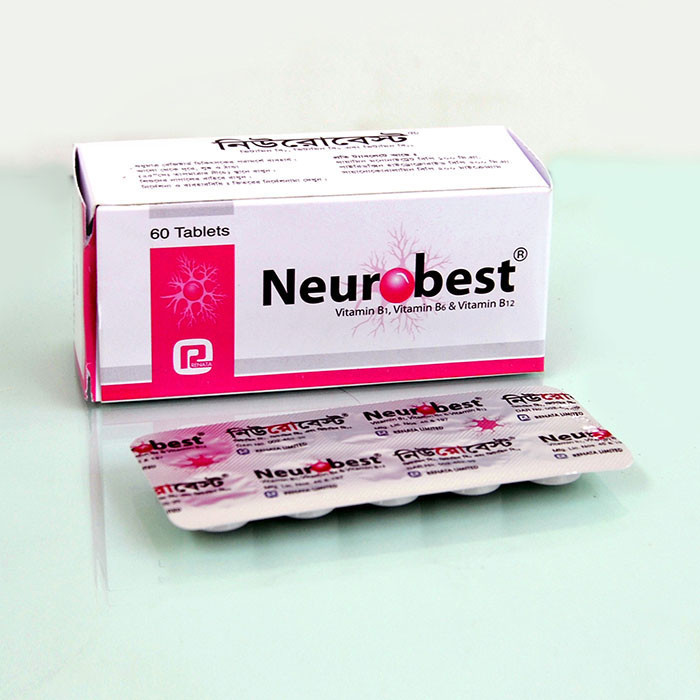
Neurobest Tablet 1 Strip
Related Posts

✔️ Composition
Acos is indicated for the treatment of infections caused by susceptible microorganisms. It is commonly prescribed for:
- Lower respiratory tract infections, including bronchitis and community-acquired pneumonia
- Upper respiratory tract infections such as sinusitis, pharyngitis, and tonsillitis
- Acute otitis media
- Skin and soft tissue infections
- Sexually transmitted infections, including non-gonococcal urethritis and cervicitis caused by Chlamydia trachomatis in both men and women.
✔️ Zithrin should not be used in patients with:
- Known hypersensitivity to azithromycin or other macrolide antibiotics.
- Concurrent use of ergot alkaloid derivatives.
- Significant hepatic impairment or active liver disease.
✔️ Side Effects of Acos Suspension
Zithrin is generally well tolerated, and most adverse effects are mild and self-limiting.
Common side effects include:
- Nausea
- Vomiting
- Abdominal pain or cramps
- Diarrhea
- Loose stools
- Flatulence
Less common effects include:
- Skin rash
- Photosensitivity
- Temporary elevation of liver enzymes
- Mild reduction in neutrophil count
- Cholestatic jaundice (rare)
- Serious allergic reactions, including angioedema or anaphylaxis (rare)
- Reversible hearing impairment with prolonged use of high doses
✔️ Pregnancy & Lactation
Pregnancy:
Azithromycin is classified as Pregnancy Category B. Animal studies have shown no evidence of fetal harm; however, adequate studies in pregnant women are lacking. It should be used during pregnancy only when clearly needed and when the expected benefit outweighs potential risks.
Breastfeeding:
It is not known whether azithromycin is excreted into human breast milk. Therefore, it should be used cautiously in nursing mothers after medical evaluation.
✔️ Storage Condition
- Store in a cool, dry place.
- Protect from light and excessive heat.
- Keep out of the reach of children.
⚠️Disclaimer:
At ePharma, we’re committed to providing accurate and accessible health information. However, all content is intended for informational purposes only and should not replace medical advice from a qualified physician. Please consult your healthcare provider for personalized guidance. We aim to support, not substitute, the doctor-patient relationship.
📦Pricing Information, Availability:
Product Availability & Pricing Notice
Please note that pricing, availability, and service offerings are subject to change due to: Market fluctuations, Manufacturer or supplier adjustments, Product discontinuation or temporary unavailability, Advertising errors. All orders depend on stock availability and staff resources. If services are provided on a time-and-materials basis, any shared estimates are for planning purposes only.


Reliable
All products displayed on ePharma are procured from govt. approved pharmaceuticals and verified licensed pharmacies from 2016.

Secure
ePharma uses Secure Sockets Layer (SSL) 128-bit 🔒 encryption and is Payment Card Industry DataSecurity Standard (PCI DSS) compliant.

Affordable
Find affordable medicine substitutes, save up to 50% on health products, up to 30% off on doctor consultations.

Social
Providing health care services under the health and beauty category with more than 170K Facebook audience and 10M+ reach.







Get more features!
Download the app now
✓ Doctor consultation ✓ 24/7 helpline