


✔ 100% Authentic Product
👁️ Viewed 1979 times
Keppra 500 mg
- Seizures happen when there is abnormal, excessive electrical activity in brain cells.
- Levetiracetam attaches to a specific protein in the brain called SV2A (synaptic vesicle protein 2A).
- This helps regulate the release of neurotransmitters (chemical messengers).
- The result: reduced overexcitation of brain cells, lowering seizure risk.
Discount Price: ৳ 691
MRP:
৳
720
4%
off

100% Genuine Products, Guaranteed
Safe & Secure Payments, Always

Fast, Secure & Efficient Delivery

Proper Packaging
 Cash on Delivery - All over Bangladesh
 Regular Delivery: 24-48 Hours, Dhaka City* Charge Tk.39-59
- Regular Delivery: 48-96 Hours, Other Cities* Charge Tk.99-125
 ফ্রি ডেলিভারিঃ - ১৪৯৯ টাকা+ অর্ডারে, ঢাকা
শহরে
ফ্রি ডেলিভারিঃ - ১৪৯৯ টাকা+ অর্ডারে, ঢাকা
শহরে- ফ্রি ডেলিভারিঃ - ৪৯৯৯ টাকা+ অর্ডারে, ঢাকার
বাহিরে
📲 মোবাইল অ্যাপ অর্ডারে সাশ্রয় বেশী
-
Google Play Store থেকে ডাউনলোড
-
Apple Store থেকে ডাউনলোড
100% Genuine Products, Guaranteed
Safe & Secure Payments, Always
Fast, Secure & Efficient Delivery
Proper Packaging
- Cash on Delivery - All over Bangladesh
- Regular Delivery: 24-48 Hours, Dhaka City* Charge Tk.39-59
- Regular Delivery: 48-96 Hours, Other Cities* Charge Tk.99-125
- ফ্রি ডেলিভারিঃ - ১৪৯৯ টাকা+ অর্ডারে, ঢাকা
শহরে
- ফ্রি ডেলিভারিঃ - ৪৯৯৯ টাকা+ অর্ডারে, ঢাকার
বাহিরে
- Google Play Store থেকে ডাউনলোড
- Apple Store থেকে ডাউনলোড
📲 মোবাইল অ্যাপ অর্ডারে সাশ্রয় বেশী
✅ Description:
How Keppra (Levetiracetam) 500 mg Works
Keppra works by stabilizing electrical activity in the brain to prevent seizures.
🔬 Mechanism of action (simple explanation):
Seizures happen when there is abnormal, excessive electrical activity in brain cells.
Levetiracetam attaches to a specific protein in the brain called SV2A (synaptic vesicle protein 2A).
This helps regulate the release of neurotransmitters (chemical messengers).
The result: reduced overexcitation of brain cells, lowering seizure risk.
🧠 In short:
It helps keep brain signals calm and controlled, preventing sudden bursts of abnormal activity.
If you’d like, I can also explain:
How fast it starts working
Why it’s often preferred over older seizure medicines
Or its effect on mood and behavior
History of Keppra (Levetiracetam)
🔬 Discovery and Development
Levetiracetam was developed in the 1990s by the Belgian pharmaceutical company UCB Pharma.
It is chemically related to an older compound called piracetam but was found to have strong anticonvulsant (anti-seizure) properties.
During research, scientists discovered its unique mechanism of action—binding to the SV2A protein in the brain.
📅 Approval Timeline
1999: Approved in the United States by the U.S. Food and Drug Administration for partial-onset seizures.
Early 2000s: Approval expanded to include myoclonic and generalized tonic-clonic seizures.
Later became available worldwide in tablet, oral solution, and injectable forms.
🌍 Generic Availability
After patent expiration in the late 2000s, generic levetiracetam became widely available.
Today, it is one of the most commonly prescribed antiseizure medications globally.
🧠 Significance in Epilepsy Treatment
Keppra became popular because:
It has fewer drug interactions compared to older seizure medicines.
It does not require frequent blood-level monitoring.
It is generally well tolerated.
If you’d like, I can also give a brief comparison between older drugs (like phenytoin) and levetiracetam.

Relevant Products
Same generic alternatives, ranked by customer interest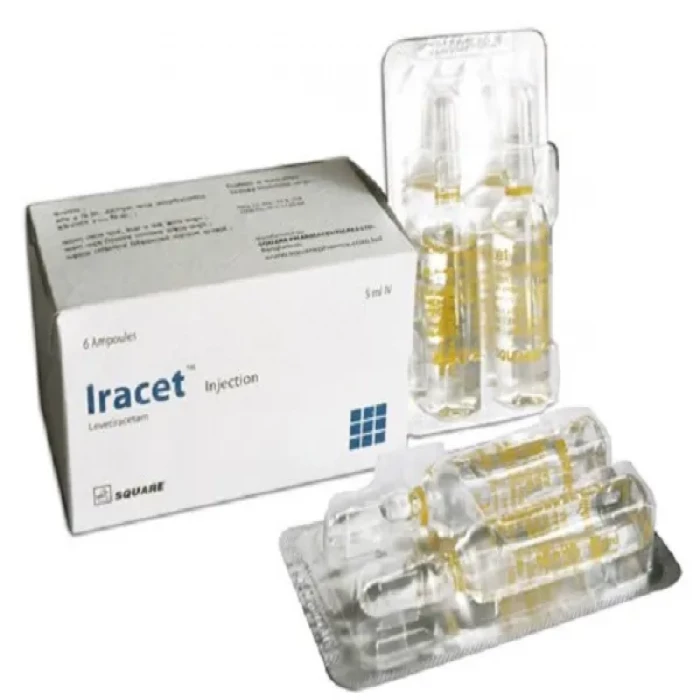
Iracet-IV 500 Injection
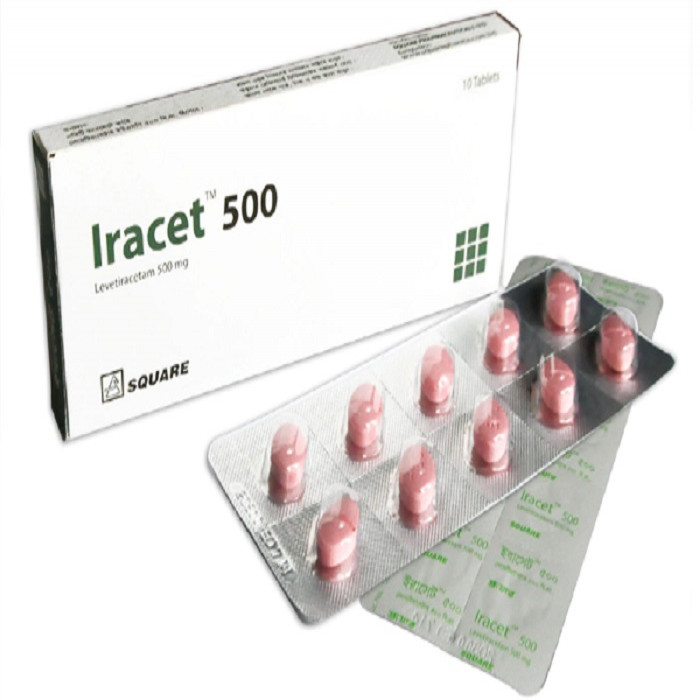
Iracet 500mg 10pcs

Iracet Oral Solution
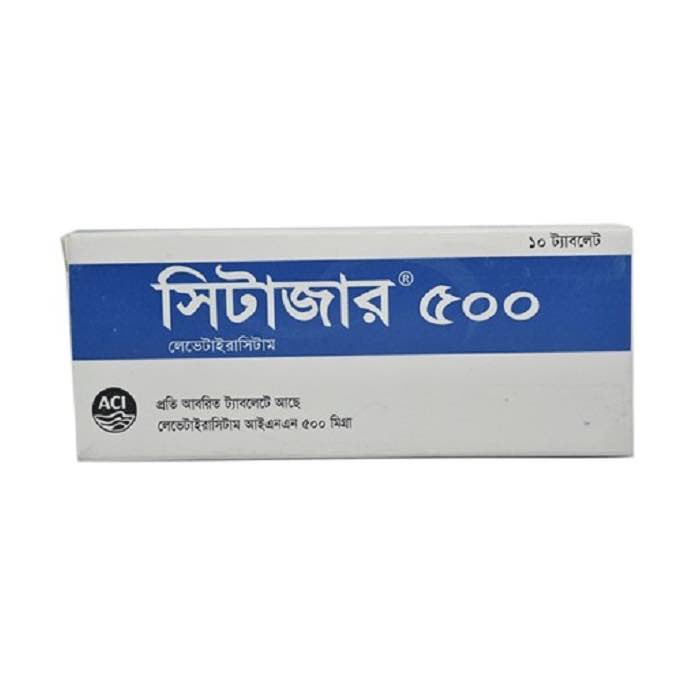
Citazar 500mg 5pcs
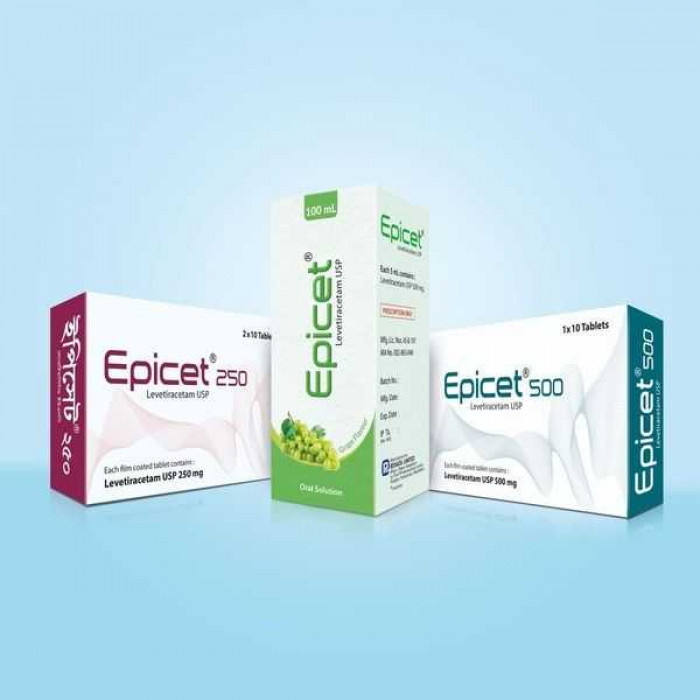
Epicet 500mg Tablet
More From Other
Popular products from this manufacturer/brand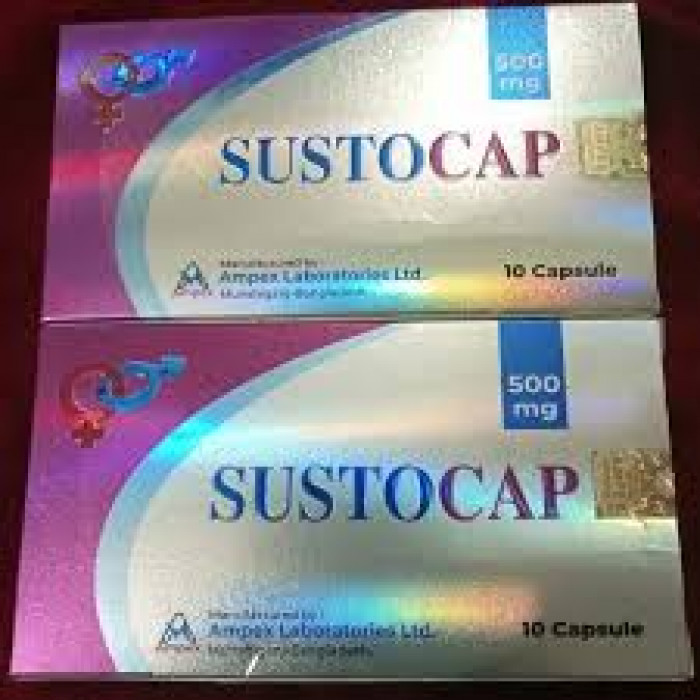
Sustocap 500mg Capsule 10pcs

Biox 5000mcg Tablet 30pcs Box
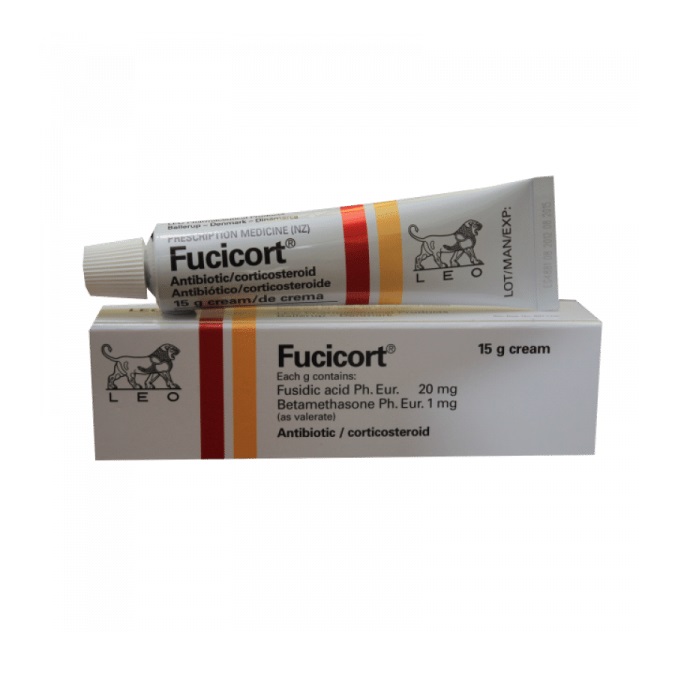
Fucicort Cream 15gm
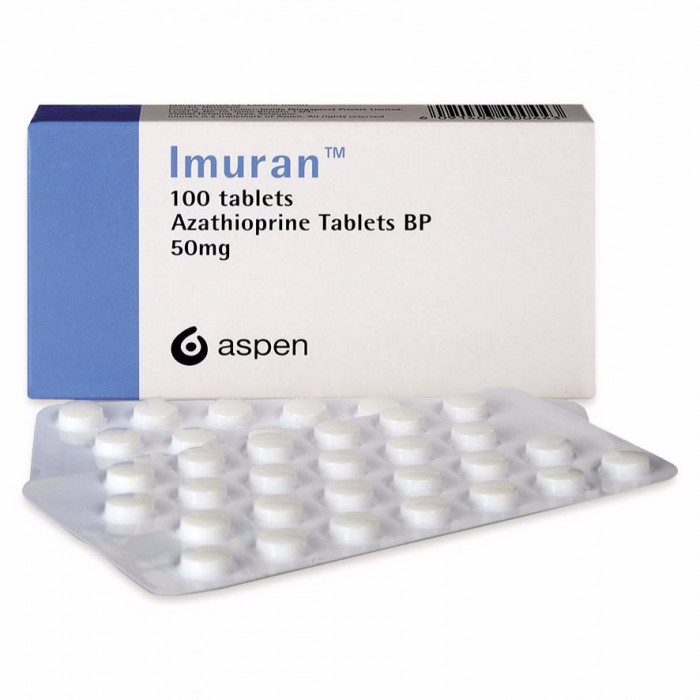
Imuran 50mg 25pcs
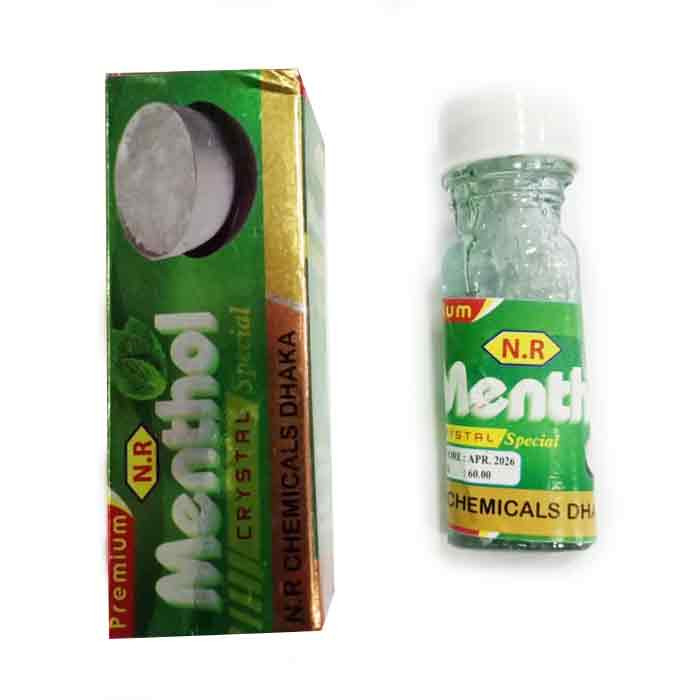
Menthol Crystal
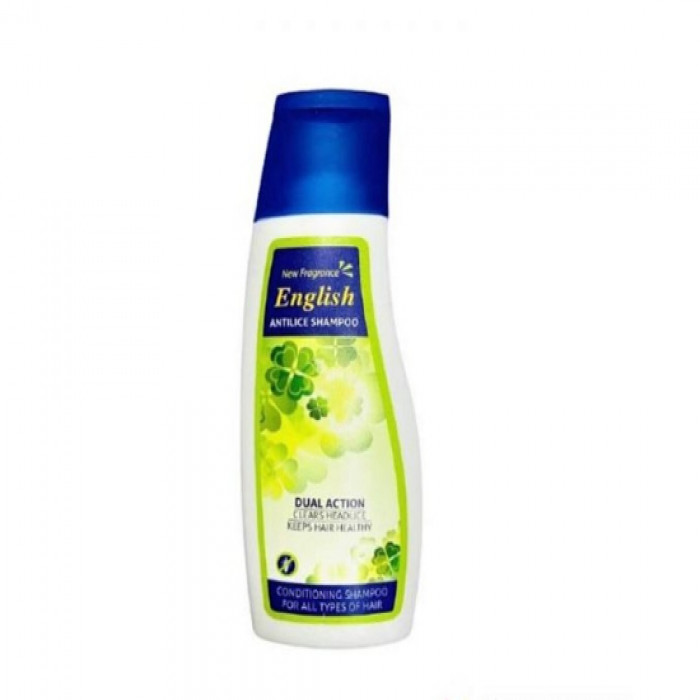
English Anti Lice Shampoo
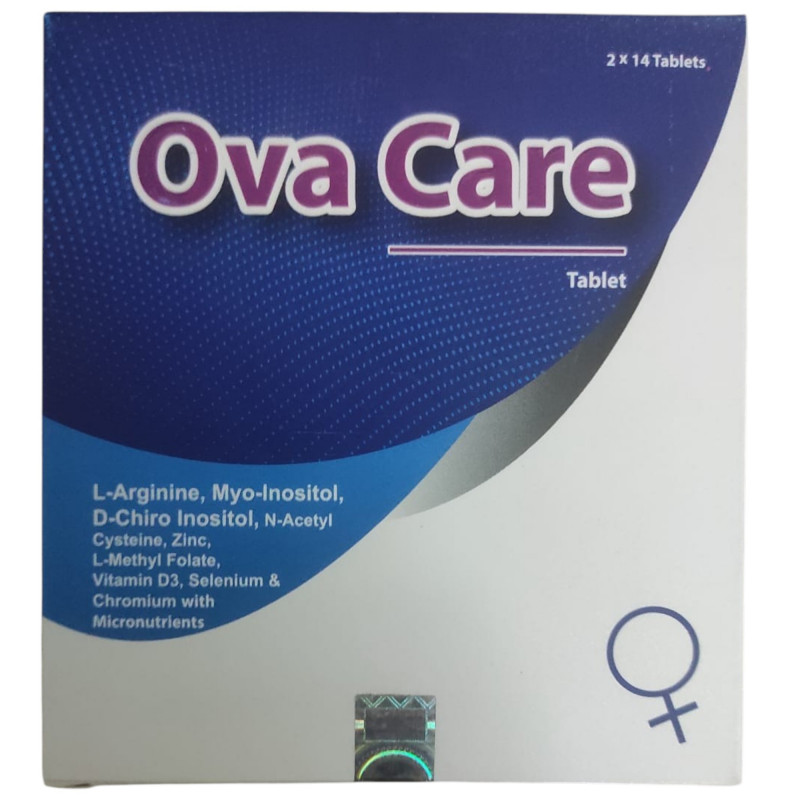
Ovacare Tablet 28pcs

Coral Condom 3 fruit flavors (1 Packet)
⚠️Disclaimer:
At ePharma, we’re committed to providing accurate and accessible health information. However, all content is intended for informational purposes only and should not replace medical advice from a qualified physician. Please consult your healthcare provider for personalized guidance. We aim to support, not substitute, the doctor-patient relationship.
📦Pricing Information, Availability:
Product Availability & Pricing Notice
Please note that pricing, availability, and service offerings are subject to change due to: Market fluctuations, Manufacturer or supplier adjustments, Product discontinuation or temporary unavailability, Advertising errors. All orders depend on stock availability and staff resources. If services are provided on a time-and-materials basis, any shared estimates are for planning purposes only.

Reliable
All products displayed on ePharma are procured from govt. approved pharmaceuticals and verified licensed pharmacies from 2016.

Secure
ePharma uses Secure Sockets Layer (SSL) 128-bit 🔒 encryption and is Payment Card Industry DataSecurity Standard (PCI DSS) compliant.

Affordable
Find affordable medicine substitutes, save up to 50% on health products, up to 30% off on doctor consultations.

Social
Providing health care services under the health and beauty category with more than 170K Facebook audience and 10M+ reach.







Get more features!
Download the app now
✓ Doctor consultation ✓ 24/7 helpline