


✔ 100% Authentic Product
👁️ Viewed 3074 times
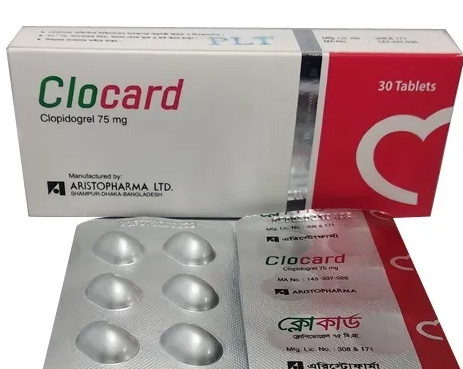
Clocard 75 Tablet
Clocard 75 may be used for:
- Prevention of heart attack and ischemic stroke
- Recent myocardial infarction
- Recent ischemic stroke
- Established peripheral arterial disease
- Acute coronary syndrome
- Unstable angina
- Non-ST-elevation myocardial infarction (NSTEMI)
- ST-elevation myocardial infarction (STEMI)
- Prevention of thrombotic cardiovascular events in selected high-risk patients
- Children: Safety and effectiveness have not been adequately established in pediatric patients unless specifically indicated by a specialist.
- Elderly: Routine dose adjustment is generally not required solely because of age.
- Liver impairment: Use cautiously, particularly in significant hepatic disease.
- Kidney impairment: Routine dose adjustment is generally not required, but bleeding risk should be considered.
Discount Price: ৳ 105
MRP:
৳
110
5%
off

100% Genuine Products, Guaranteed

Safe & Secure Payments, Always

Fast, Secure & Efficient Delivery

Proper Packaging
 Cash on Delivery - All over Bangladesh
 Regular Delivery: 24-48 Hours, Dhaka City* Charge Tk.39-59
- Regular Delivery: 48-96 Hours, Other Cities* Charge Tk.99-125
 ফ্রি ডেলিভারিঃ - ১৪৯৯ টাকা+ অর্ডারে, ঢাকা
শহরে
ফ্রি ডেলিভারিঃ - ১৪৯৯ টাকা+ অর্ডারে, ঢাকা
শহরে- ফ্রি ডেলিভারিঃ - ৪৯৯৯ টাকা+ অর্ডারে, ঢাকার
বাহিরে
📲 মোবাইল অ্যাপ অর্ডারে সাশ্রয় বেশী
-
Google Play Store থেকে ডাউনলোড
-
Apple Store থেকে ডাউনলোড
100% Genuine Products, Guaranteed
Safe & Secure Payments, Always
Fast, Secure & Efficient Delivery
Proper Packaging
- Cash on Delivery - All over Bangladesh
- Regular Delivery: 24-48 Hours, Dhaka City* Charge Tk.39-59
- Regular Delivery: 48-96 Hours, Other Cities* Charge Tk.99-125
- ফ্রি ডেলিভারিঃ - ১৪৯৯ টাকা+ অর্ডারে, ঢাকা
শহরে
- ফ্রি ডেলিভারিঃ - ৪৯৯৯ টাকা+ অর্ডারে, ঢাকার
বাহিরে
- Google Play Store থেকে ডাউনলোড
- Apple Store থেকে ডাউনলোড
📲 মোবাইল অ্যাপ অর্ডারে সাশ্রয় বেশী
✅ Description:
Clocard 75 contains clopidogrel 75 mg, an antiplatelet medicine used to reduce the formation of harmful blood clots inside blood vessels. By preventing platelets from sticking together, it lowers the risk of serious cardiovascular events such as heart attack and stroke.
Clocard 75 is commonly prescribed for people with a history of myocardial infarction, stroke, peripheral arterial disease, or acute coronary syndrome. It may also be used with aspirin after certain heart procedures, including coronary stenting, when dual antiplatelet therapy is required.
Clocard 75 can generally be taken with or without food. Take it at the same time each day and continue treatment for as long as your doctor recommends, even if you feel well. Do not stop clopidogrel on your own, particularly after coronary stenting, because premature discontinuation may increase the risk of a heart attack, stroke, or stent thrombosis.
The most common adverse effect is bleeding. This may appear as easy bruising, nosebleeds, bleeding gums, prolonged bleeding from cuts, heavier menstrual bleeding, or blood in the urine or stool. Contact your doctor promptly if bleeding is persistent, unusually heavy, or accompanied by weakness, severe headache, confusion, or other concerning symptoms.

Relevant Products
Same generic alternatives, ranked by customer interest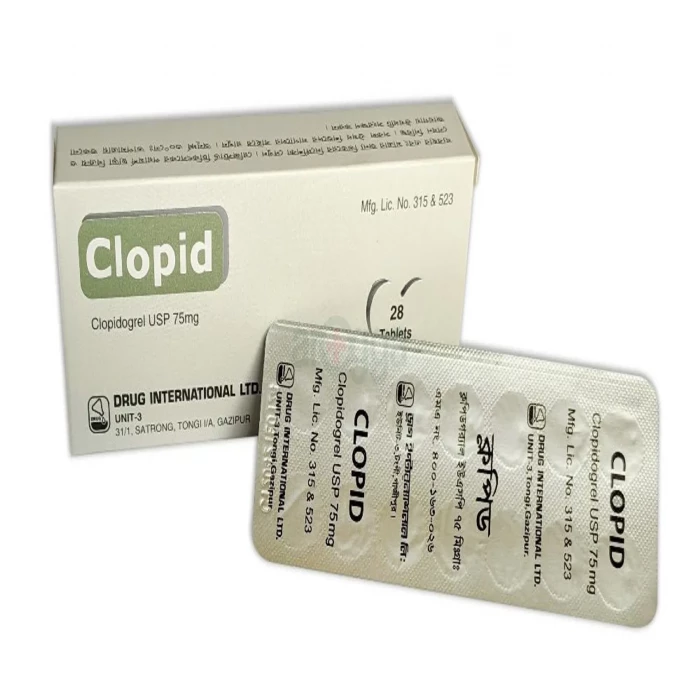
Clopid 75mg Tablet 14pcs
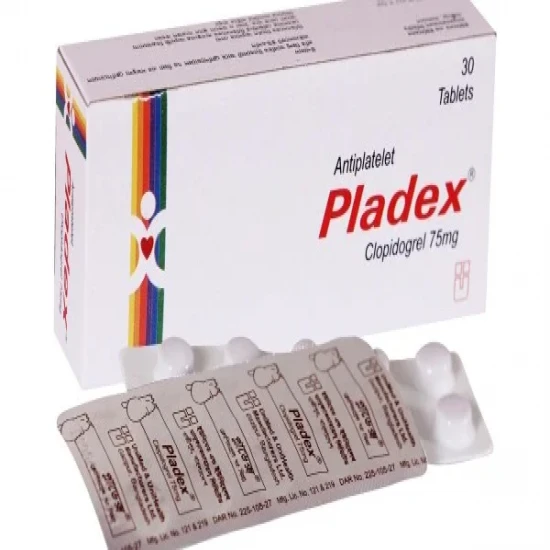
Pladex 75 Tablet 1 Strip
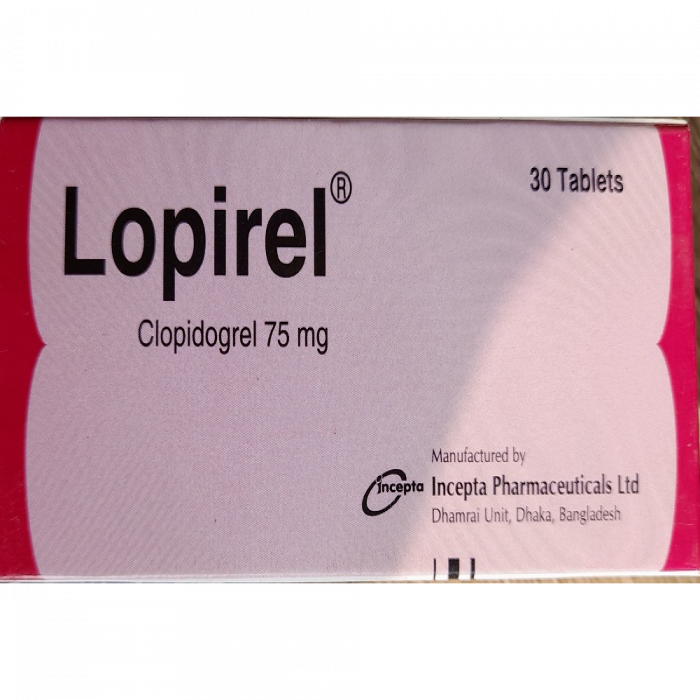
Lopirel 75mg Tablet 1 Strip
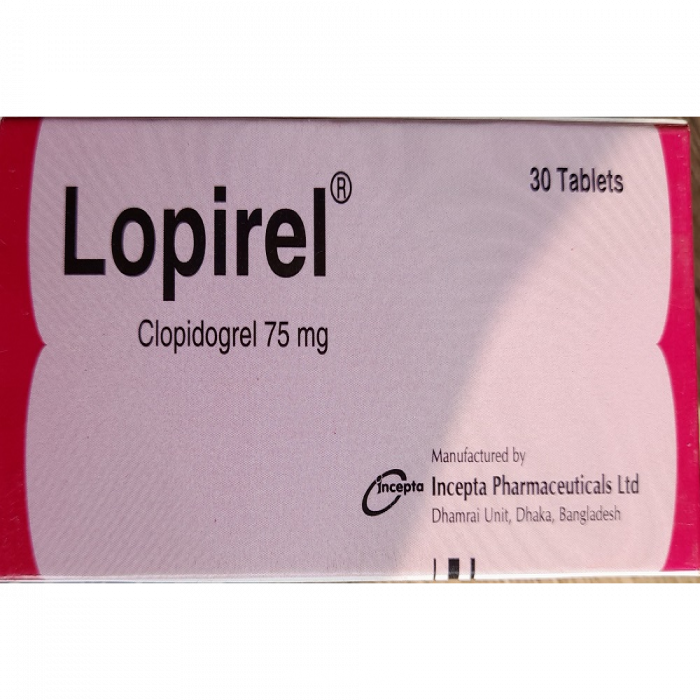
Lopirel 75mg (30pcs Box)
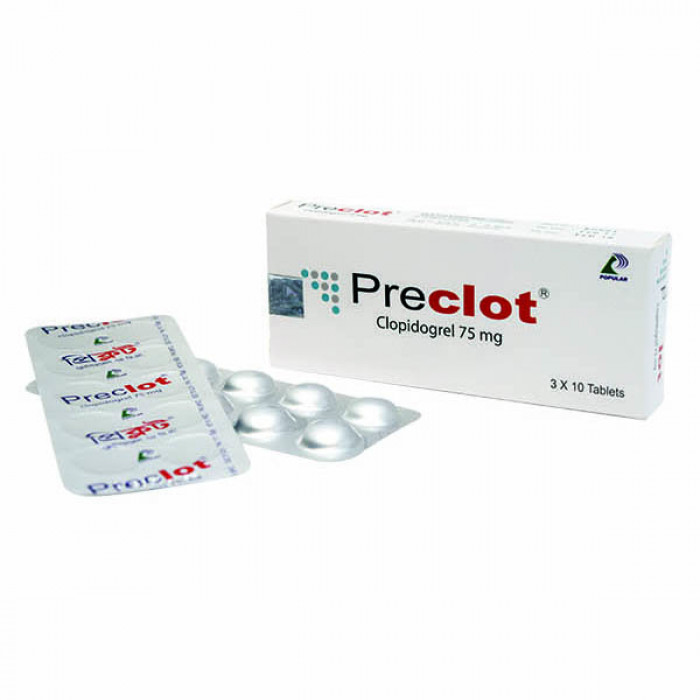
Preclot 75mg Tablet 10pcs
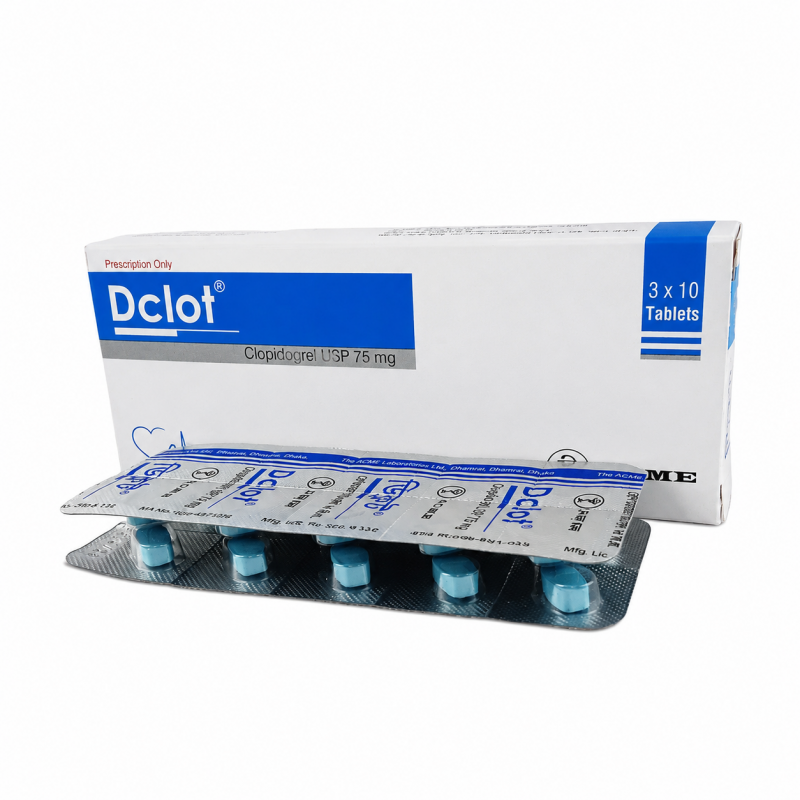
Dclot 75 Tablet 1 Strip
More From Aristopharma Limited
Popular products from this manufacturer/brand
Ketozol 2% Medicated Anti-Dandruff Scalp Shampoo 100ml

Neobion 100mg+200mg+200mcg Tablet
Rupa 10mg Tablet
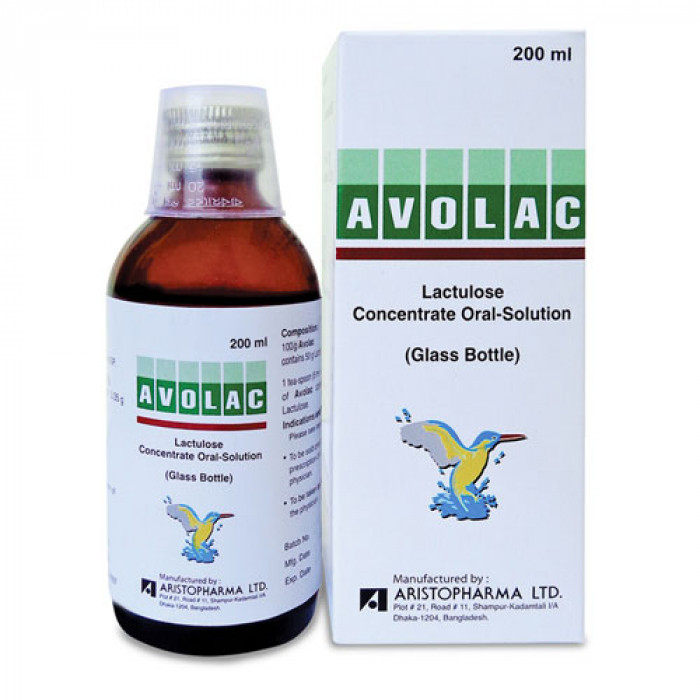
Avolac Oral Solution 200ml
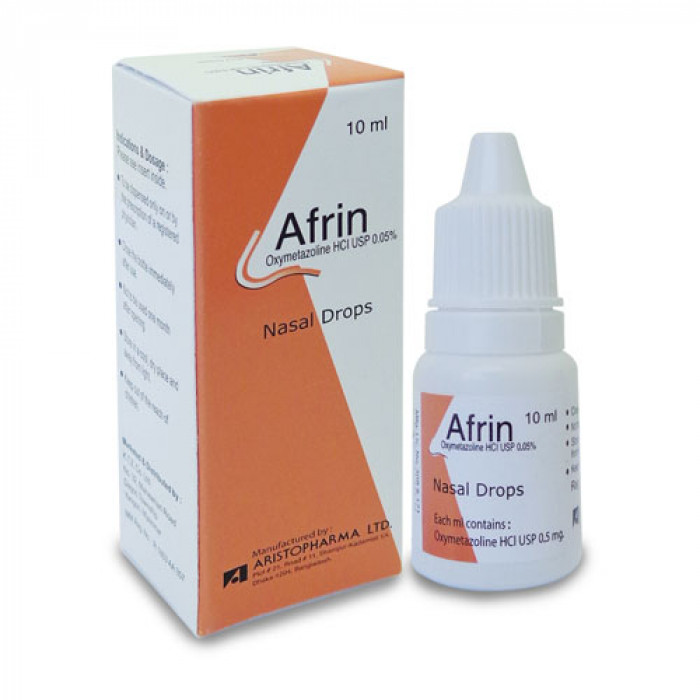
Afrin 0.05% Nasal Drops

Rabe 20mg Tablet
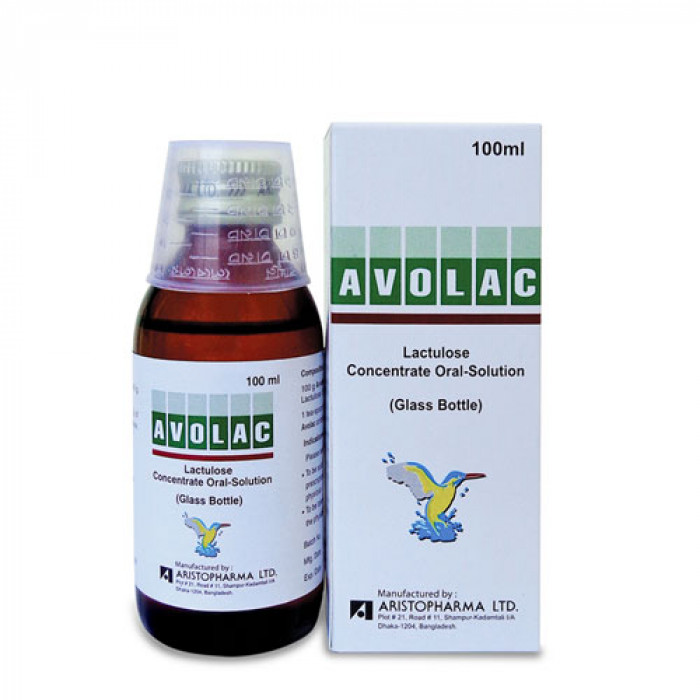
Avolac Oral Solution 100ml

Optimox 0.5% Eye Drops 5ml
কীভাবে অর্ডার করবেন?How to Order?
How to Orderওয়েবসাইট থেকে অর্ডার করার সহজ ভিডিও গাইড।
অ্যাপ থেকে অর্ডারের সহজ ভিডিও গাইড
অ্যাপ ডাউনলোডDownload ePharma App বিস্তারিত গাইড ›Detailed App Ordering Guide✔️ How to take Clocard 75
- Take Clocard 75 exactly as prescribed by your doctor.
- Swallow the tablet whole with water.
- Do not chew, crush, or break the tablet unless specifically instructed.
- It may be taken with or without food.
- Taking it at the same time every day can help maintain consistent protection.
- Continue treatment even when you feel well unless your doctor tells you to stop.
✔️ Mode of Action
Clopidogrel is converted in the body to an active metabolite that irreversibly inhibits the platelet P2Y12 ADP receptor. This blocks ADP-mediated platelet activation and reduces activation of the glycoprotein IIb/IIIa pathway.
As a result, fibrinogen binding, platelet adhesion, and platelet aggregation are reduced, decreasing the formation of arterial blood clots.
✔️ Words of Advice:
- Take Clocard 75 at the same time every day for consistent antiplatelet protection.
- Clopidogrel increases the tendency to bleed. Take care when shaving, using sharp objects, or performing activities that may cause injury.
- Inform your doctor or dentist that you are taking clopidogrel before any surgery, dental procedure, or invasive treatment.
- Your doctor may advise temporarily stopping clopidogrel before certain planned procedures. Do not stop it yourself.
- Do not discontinue Clocard 75 without medical advice, especially if you have had a coronary stent or recent acute coronary syndrome.
- Seek medical attention if bleeding is heavy, persistent, or unusual.
- Tell your doctor if you have a history of stomach ulcers, bleeding disorders, liver or kidney disease, or recent surgery or serious injury.
- Avoid taking omeprazole or esomeprazole with clopidogrel unless your doctor specifically considers the combination appropriate, as these medicines may reduce clopidogrel activation.
- Tell your doctor about all medicines and supplements you are taking before starting Clocard 75.
✔️ Clopidogrel should not be used in patients with:
- Hypersensitivity to clopidogrel or any component of the formulation
- Active pathological bleeding, such as peptic ulcer bleeding or intracranial hemorrhage
✔️ Side Effects:
Common Side Effects
- Bleeding or bruising
- Nosebleed
- Gastrointestinal discomfort
- Diarrhea
- Skin rash or other skin reactions
Because clopidogrel reduces platelet aggregation, minor cuts or injuries may take longer than usual to stop bleeding.
Rare but Serious Side Effects
- Severe or persistent bleeding
- Gastrointestinal bleeding
- Intracranial hemorrhage
- Anemia
- Thrombotic thrombocytopenic purpura (TTP)
- Acquired hemophilia
- Severe reduction in blood-cell counts
- Angioedema
- Severe hypersensitivity reactions
- Liver injury or hepatitis
✔️ Dosage:
Adult Dose
Recent MI, Recent Ischemic Stroke, or Established Peripheral Arterial Disease
75 mg once daily, without a loading dose.
Acute Coronary Syndrome – Unstable Angina/NSTEMI
A 300 mg loading dose may be given initially, followed by 75 mg once daily, generally in combination with aspirin, according to the treating physician's assessment.
STEMI
In appropriate patients, clopidogrel may be given with aspirin.
For patients under 75 years, a 300 mg loading dose may be followed by 75 mg once daily. In patients 75 years and older, a loading dose may be omitted and treatment may begin with 75 mg once daily.
The duration of treatment depends on the clinical condition, bleeding risk, coronary intervention status, and the treating physician's recommendation.
Hepatic Impairment
Use with caution in patients with significant liver impairment because clinical experience is limited.
Renal Dose
Routine dose adjustment is generally not required for renal impairment. However, patients with significant kidney disease may have an increased risk of bleeding and should be monitored appropriately.
✔️ Clocard 75 should be used cautiously in patients who have an increased risk of bleeding, including those with:
- Recent surgery or trauma
- Active or previous gastrointestinal ulceration
- Previous bleeding disorders
- Liver disease
- Kidney impairment
- Disorders affecting blood clotting
- Conditions requiring invasive procedures
✔️ Pregnancy & Lactation
Clopidogrel should be used during pregnancy only when the potential benefits justify the possible risks. Pregnant patients with serious cardiovascular conditions should not discontinue necessary antiplatelet therapy without consulting their doctor.
Treatment around labor and delivery may increase the mother's risk of bleeding. When clinically appropriate, the doctor may recommend discontinuation several days before planned delivery or procedures involving neuraxial anesthesia.
It is not fully established whether clopidogrel is present in human breast milk. Breastfeeding during treatment should therefore be discussed with the treating physician, considering the mother's clinical need and the potential risks to the infant.
✔️ Clocard 75 can interact with several medicines:
- NSAIDs: May increase the risk of gastrointestinal bleeding.
- Warfarin: May increase the risk of bleeding when used together.
- SSRIs/SNRIs: May increase bleeding risk.
- Omeprazole and esomeprazole: May inhibit CYP2C19 and reduce activation and antiplatelet effectiveness of clopidogrel; concomitant use should generally be avoided unless specifically advised.
- Repaglinide: Clopidogrel may increase repaglinide exposure; concomitant use should generally be avoided or carefully managed.
- Other CYP2C19 inhibitors may also interfere with clopidogrel activation.
✔️ Precautions & Warnings
- Clopidogrel's antiplatelet effect lasts for the life of the platelet. Therefore, its effects may continue for approximately 7–10 days after treatment is stopped.
- For elective surgery associated with a significant risk of bleeding, the doctor may recommend stopping clopidogrel approximately 5 days beforehand, depending on the patient's cardiovascular risk. Treatment should generally be restarted once adequate hemostasis has been achieved and when the treating physician considers it safe.
- Do not discontinue clopidogrel without medical advice, particularly in patients with recent coronary stenting or acute coronary syndrome.
- Rare cases of thrombotic thrombocytopenic purpura (TTP) have been reported. This is a medical emergency requiring immediate treatment.
- Patients who have previously experienced hypersensitivity to clopidogrel or other thienopyridine antiplatelet medicines should inform their doctor.
✔️ Storage:
- Store below 30°C.
- Keep in a dry place.
- Protect from light.
- Do not freeze.
- Keep out of reach of children.
- Do not use after the expiry date.
⚠️Disclaimer:
At ePharma, we’re committed to providing accurate and accessible health information. However, all content is intended for informational purposes only and should not replace medical advice from a qualified physician. Please consult your healthcare provider for personalized guidance. We aim to support, not substitute, the doctor-patient relationship.
📦Pricing Information, Availability:
Product Availability & Pricing Notice
Please note that pricing, availability, and service offerings are subject to change due to: Market fluctuations, Manufacturer or supplier adjustments, Product discontinuation or temporary unavailability, Advertising errors. All orders depend on stock availability and staff resources. If services are provided on a time-and-materials basis, any shared estimates are for planning purposes only.


Reliable
All products displayed on ePharma are procured from govt. approved pharmaceuticals and verified licensed pharmacies from 2016.

Secure
ePharma uses Secure Sockets Layer (SSL) 128-bit 🔒 encryption and is Payment Card Industry DataSecurity Standard (PCI DSS) compliant.

Affordable
Find affordable medicine substitutes, save up to 50% on health products, up to 30% off on doctor consultations.

Social
Providing health care services under the health and beauty category with more than 170K Facebook audience and 10M+ reach.







Get more features!
Download the app now
✓ Doctor consultation ✓ 24/7 helpline