


✔ 100% Authentic Product
👁️ Viewed 127 times
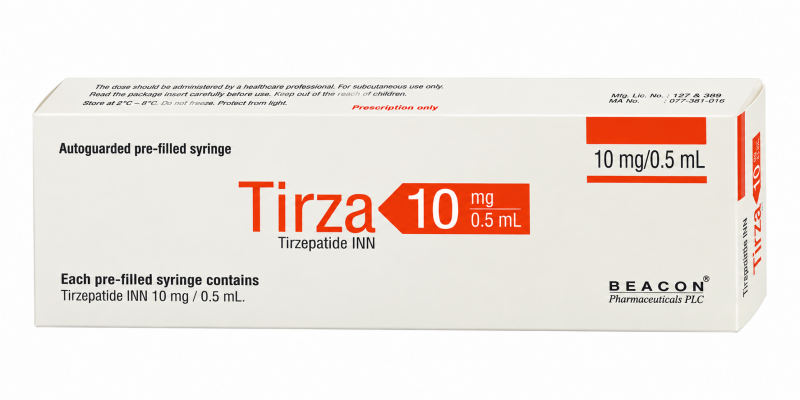
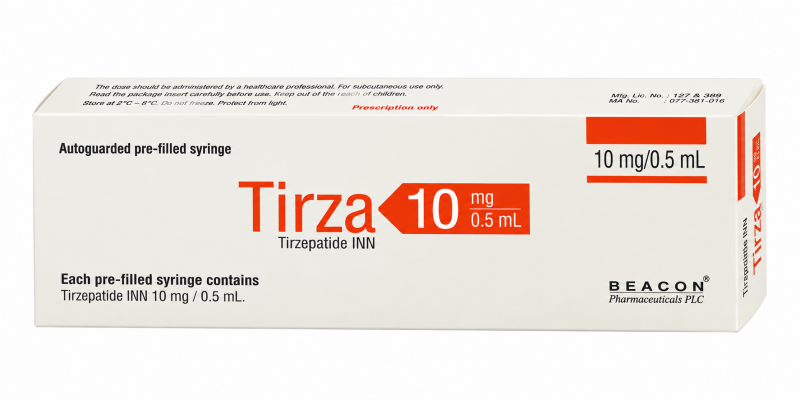
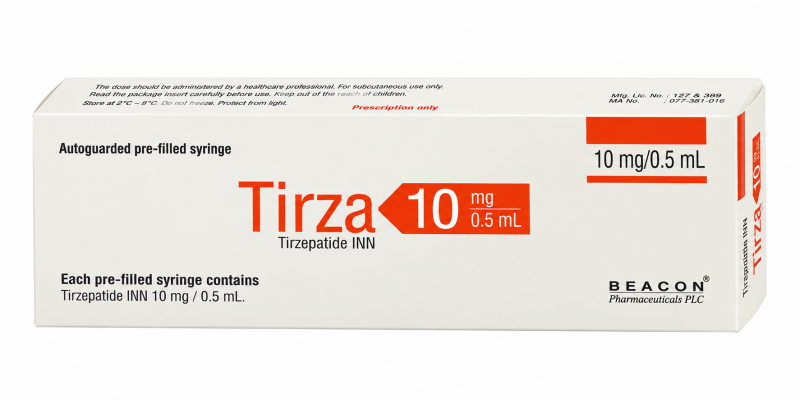
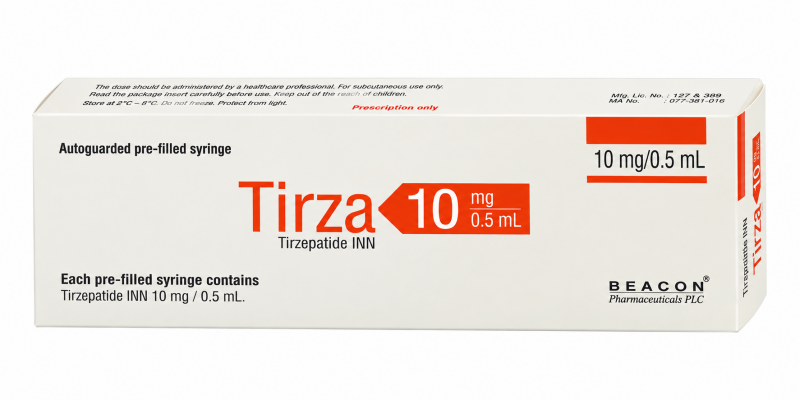
Tirza 10 AutoGuarded Prefilled Syringe
Tirza (Tirzepatide) is a prescription medicine used alongside a balanced diet and regular exercise to help improve blood sugar control in adults with type 2 diabetes mellitus. It works by activating two important hormone receptors involved in glucose regulation, helping the body manage blood sugar levels more effectively.
- Tirza is not intended for the treatment of type 1 diabetes mellitus.
- Its use has not been adequately studied in patients with a history of pancreatitis. Consult a healthcare professional before starting treatment if you have previously experienced pancreatitis.
Discount Price: ৳ 3,552
MRP:
৳
3700
4%
off

100% Genuine Products, Guaranteed

Safe & Secure Payments, Always

Fast, Secure & Efficient Delivery

Proper Packaging
 Cash on Delivery - All over Bangladesh
 Regular Delivery: 24-48 Hours, Dhaka City* Charge Tk.39-59
- Regular Delivery: 48-96 Hours, Other Cities* Charge Tk.99-125
 ফ্রি ডেলিভারিঃ - ১৪৯৯ টাকা+ অর্ডারে, ঢাকা
শহরে
ফ্রি ডেলিভারিঃ - ১৪৯৯ টাকা+ অর্ডারে, ঢাকা
শহরে- ফ্রি ডেলিভারিঃ - ৪৯৯৯ টাকা+ অর্ডারে, ঢাকার
বাহিরে
📲 মোবাইল অ্যাপ অর্ডারে সাশ্রয় বেশী
-
Google Play Store থেকে ডাউনলোড
-
Apple Store থেকে ডাউনলোড
100% Genuine Products, Guaranteed
Safe & Secure Payments, Always
Fast, Secure & Efficient Delivery
Proper Packaging
- Cash on Delivery - All over Bangladesh
- Regular Delivery: 24-48 Hours, Dhaka City* Charge Tk.39-59
- Regular Delivery: 48-96 Hours, Other Cities* Charge Tk.99-125
- ফ্রি ডেলিভারিঃ - ১৪৯৯ টাকা+ অর্ডারে, ঢাকা
শহরে
- ফ্রি ডেলিভারিঃ - ৪৯৯৯ টাকা+ অর্ডারে, ঢাকার
বাহিরে
- Google Play Store থেকে ডাউনলোড
- Apple Store থেকে ডাউনলোড
📲 মোবাইল অ্যাপ অর্ডারে সাশ্রয় বেশী
✅ Description:
Tirzepatide is a dual glucose-dependent insulinotropic polypeptide (GIP) and glucagon-like peptide-1 (GLP-1) receptor agonist. It is a modified peptide consisting of 39 amino acids, with a fatty acid component that promotes binding to albumin in the blood and extends its duration of action.
By activating both GIP and GLP-1 receptors, tirzepatide helps regulate blood glucose through several mechanisms:
- Enhances glucose-dependent insulin secretion during both the first and second phases of insulin release.
- Reduces glucagon secretion when blood glucose levels are elevated.
- Supports improved glucose regulation and glycemic control in people with type 2 diabetes.
Because its effects on insulin and glucagon are glucose-dependent, the medicine helps regulate blood sugar according to the body's glucose levels.
The safety and effectiveness of Tirza have not been established in individuals under 18 years of age. It should not be used in this age group unless specifically directed by a qualified healthcare professional.

Relevant Products
Popular products from the same category
Tirzep 2.5 Sterile Solution For Injection
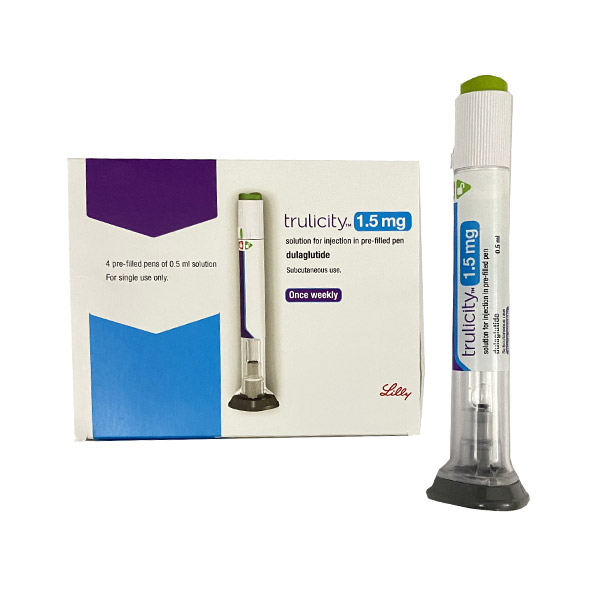
Trulicity 1.5mg Injection 1pc (Pre-Filled Pen)
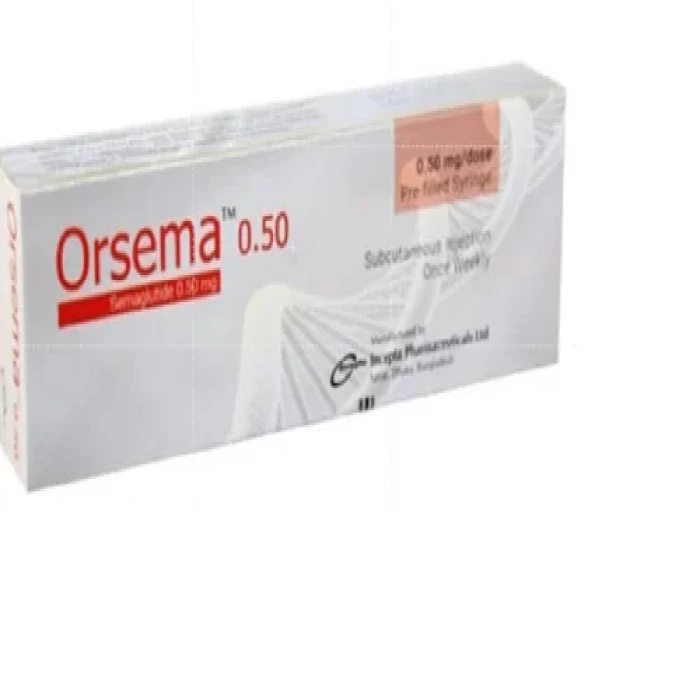
Orsema 0.50mg Subcutaneous Injection
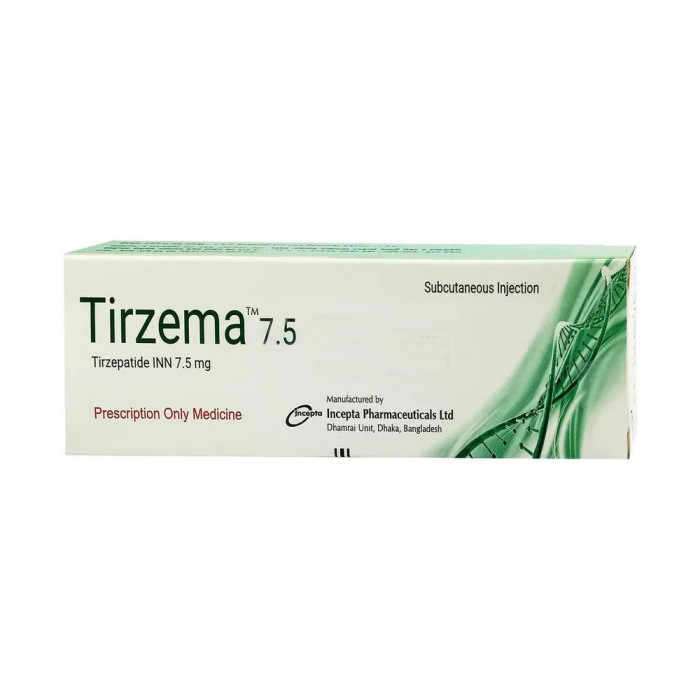
Tirzema 7.5mg Pre-Filled Syringe
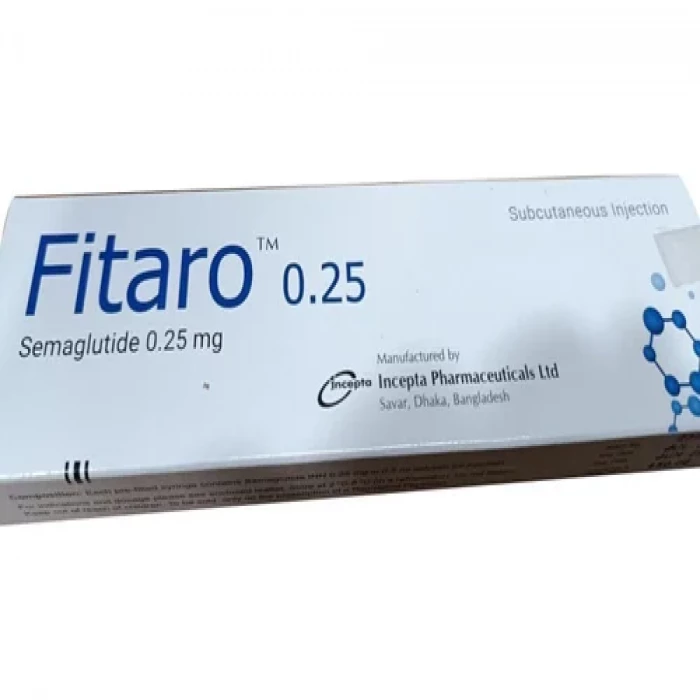
Fitaro 0.25mg Injection
Tresiba Flex Touch Prefilled Pen 100IU/ml
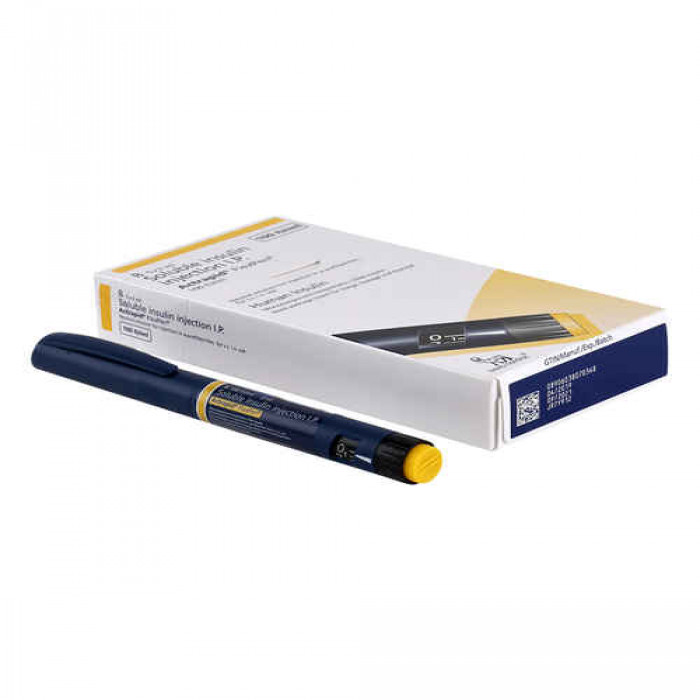
Actrapid Flexpen 100IU/ml
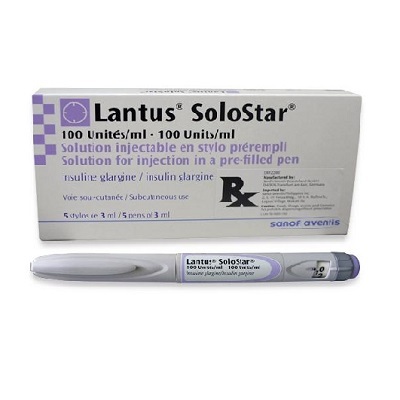
Lantus SoloStar Prefilled Pen 100IU/ml
More From Beacon Pharmaceuticals Ltd.
Popular products from this manufacturer/brand
Dapotin 30mg Tablet 1 Strip
Rupadin 10mg Tablet 10Pcs
Sarozar 2mg 10pcs
Gaviflux Oral Suspension
Bukof Syrup 100ml
TAF 25mg Tablet
Flexibac 10mg Tablet
Paloxi 0.5mg Tablet
Related Posts



✔️ Side Effects
- Nausea
- Diarrhoea
- Decreased appetite
- Vomiting
- Constipation
- Indigestion or dyspepsia
- Abdominal pain
✔️ How to Administer Tirza
- Inject once weekly, at any time of day, with or without food.
- Administer the injection under the skin of the abdomen, thigh, or upper arm.
- Rotate the injection site with each dose to help reduce local irritation.
- If using insulin, administer Tirza and insulin as separate injections. They may be given in the same general body region, but the injections should not be placed next to each other.
- Do not mix Tirza with insulin or any other injectable medication.
- Do not dilute the medicine or combine it with other drug solutions.
Important Handling Instructions
- The needle cover of the pre-filled syringe contains dry natural rubber, a latex derivative, which may cause allergic reactions in sensitive individuals.
- Do not freeze the medicine. Never use Tirza if it has been frozen.
- Store pre-filled syringes away from direct light.
- Inspect the solution before administration. Do not use the product if you notice unusual discoloration or visible particles.
- Handle the pre-filled syringe carefully. Do not use it if it has been dropped onto a hard surface and may be damaged.
✔️ Precautions and Warnings
Risk of Thyroid Tumors
Patients should be informed about the potential risk of thyroid C-cell tumors associated with tirzepatide. Contact your doctor if you notice a lump or swelling in the neck, difficulty swallowing, difficulty breathing, or persistent hoarseness.
Pancreatitis
Patients should be monitored for symptoms of pancreatitis, including persistent, severe abdominal pain that may radiate to the back, with or without vomiting. If pancreatitis is suspected, Tirza should be discontinued and appropriate medical evaluation should be initiated.
Hypoglycemia
The risk of low blood sugar may increase when Tirza is used with insulin or sulfonylureas. Your doctor may adjust the dose of these medicines to reduce this risk.
Allergic Reactions
If signs of a serious hypersensitivity reaction occur, such as swelling of the face or throat, difficulty breathing, or a severe rash, stop using the medicine and seek immediate medical attention.
Kidney Function
Patients with kidney problems who develop severe gastrointestinal side effects, such as prolonged vomiting or diarrhoea, may be at risk of dehydration and worsening kidney function. Kidney function should be monitored when starting treatment or increasing the dose in such patients.
Diabetic Retinopathy
Patients with a history of diabetic retinopathy should be monitored for any worsening of their eye condition during treatment.
Gallbladder Problems
Tirza may be associated with gallbladder-related problems. If symptoms suggestive of gallstones or gallbladder disease occur, such as persistent abdominal pain, nausea, or yellowing of the skin or eyes, medical evaluation may be necessary.
✔️ Drug Interaction
Tirza may interact with certain medicines and affect their absorption or blood glucose-lowering effects.
- Insulin and sulfonylureas: Combining tirzepatide with insulin or insulin-releasing medicines, such as sulfonylureas, may increase the risk of hypoglycemia. Your doctor may consider reducing the dose of these medicines.
- Oral medicines: Tirzepatide delays gastric emptying, which may affect the absorption of medicines taken by mouth. Patients using medicines with a narrow therapeutic index, such as warfarin, or medicines that require specific blood concentrations for effectiveness may need additional monitoring.
- Oral hormonal contraceptives: Tirzepatide may reduce the effectiveness of oral hormonal contraceptives, particularly during treatment initiation and dose escalation. Patients using oral contraceptives should consult their doctor about switching to a non-oral contraceptive or adding a barrier method for four weeks after starting treatment and for four weeks after each dose increase. Non-oral hormonal contraceptives are not expected to be affected in the same way.
Inform your healthcare provider about all prescription medicines, over-the-counter products, vitamins, and supplements you are taking before beginning treatment.
✔️ Overdose
In the event of an overdose, treatment should focus on the patient's symptoms and clinical condition. Medical observation and supportive care may be required. Because tirzepatide has an approximate half-life of five days, side effects may persist for some time after an excessive dose.
Seek immediate medical attention if an overdose is suspected.
✔️ Missed Dose
If you miss a scheduled dose:
- Take the missed dose as soon as possible within four days (96 hours).
- If more than four days have passed, skip the missed dose and take your next dose on the regularly scheduled day.
- Do not take two doses within a period of three days (72 hours).
The day of weekly administration may be changed when necessary, provided that at least 72 hours have passed between doses.
✔️ Pregnancy & Lactation
Pregnancy
Poorly controlled diabetes during pregnancy can pose risks to both the mother and the developing baby. Tirza should be used during pregnancy only when a healthcare professional determines that the expected benefits outweigh the potential risks to the fetus. If you are pregnant, planning to become pregnant, or suspect that you may be pregnant, consult your doctor before using this medicine.
Breastfeeding
The potential effects of tirzepatide on breastfed infants are not fully established. The benefits of breastfeeding, the mother's need for treatment, and any possible risks to the infant should be carefully considered with a healthcare professional.
✔️ Tirza should not be used by patients who:
- Have a known allergy or hypersensitivity to tirzepatide or any of the ingredients in the formulation.
- Have a personal or family history of medullary thyroid carcinoma (MTC).
- Have Multiple Endocrine Neoplasia syndrome type 2 (MEN 2).
✔️ Dosage and Administration
Administer Tirza as a subcutaneous injection, meaning it is injected beneath the skin. Adjust the dose based on the patient's response and the prescribing physician's instructions.
Recommended Dosage
- Initial dose: 2.5 mg injected subcutaneously once weekly for the first four weeks. This dose is intended for treatment initiation and is not intended to provide full glycemic control.
- After four weeks: Increase the dose to 5 mg once weekly.
- Further dose adjustments: If additional blood sugar control is required, the dose may be increased in increments of 2.5 mg after at least four weeks on the current dose.
- Maximum dose: 15 mg once weekly.
The dose should not be increased more frequently than recommended. Your doctor will determine the most appropriate dose based on your treatment response and tolerance.
✔️ Storage:
- Store Tirza in a refrigerator at 2°C to 8°C.
- Protect the medicine from direct light.
- Do not freeze.
- Do not use the product if it has been frozen.
- Keep the medicine out of the reach and sight of children.
- Use and sell only on the prescription of a registered physician.
⚠️Disclaimer:
At ePharma, we’re committed to providing accurate and accessible health information. However, all content is intended for informational purposes only and should not replace medical advice from a qualified physician. Please consult your healthcare provider for personalized guidance. We aim to support, not substitute, the doctor-patient relationship.
📦Pricing Information, Availability:
Product Availability & Pricing Notice
Please note that pricing, availability, and service offerings are subject to change due to: Market fluctuations, Manufacturer or supplier adjustments, Product discontinuation or temporary unavailability, Advertising errors. All orders depend on stock availability and staff resources. If services are provided on a time-and-materials basis, any shared estimates are for planning purposes only.


Reliable
All products displayed on ePharma are procured from govt. approved pharmaceuticals and verified licensed pharmacies from 2016.

Secure
ePharma uses Secure Sockets Layer (SSL) 128-bit 🔒 encryption and is Payment Card Industry DataSecurity Standard (PCI DSS) compliant.

Affordable
Find affordable medicine substitutes, save up to 50% on health products, up to 30% off on doctor consultations.

Social
Providing health care services under the health and beauty category with more than 170K Facebook audience and 10M+ reach.







Get more features!
Download the app now
✓ Doctor consultation ✓ 24/7 helpline