How to Use an Insulin Pen: Injection Sites, Storage and Insulin Types

New to insulin pens? Learn priming, prescribed-dose technique, injection sites, site rotation, insulin storage, insulin types and the 15-15 rule for low glucose.
“The doctor says I need insulin.” For many people, that sentence immediately sounds like diabetes has reached its worst stage. Then the pen itself creates a second set of worries: where do I inject, what is priming, how long do I hold the needle in, and does the pen need refrigeration?
Once the technique is learned, insulin-pen use usually becomes routine. The essentials are checking the correct pen, using a new needle each time, taking only the prescribed dose, choosing the correct site, rotating sites and storing the pen correctly. Do not change insulin dose or timing on your own.
Insulin does not mean “the last treatment”
Bangladeshi endocrinologist Dr Faria Afsana has discussed the fear and misconceptions around insulin. For some people insulin is long-term; for others it may be temporary, such as around surgery or during pregnancy. Duration depends on the diabetes type and clinical situation.
Lt. Col. Dr Nasir Uddin Ahmed has described insulin as a life-saving medicine. Starting insulin should be viewed as an effective treatment tool, not as a personal failure.
What are the main types of insulin?
CDC groups injectable insulin by how quickly it starts and how long it works. Exact timing varies by product.
| Type | Approximate onset | Typical duration |
|---|---|---|
| Rapid-acting | About 15 minutes | About 2–4 hours |
| Short-acting | About 30 minutes | About 3–6 hours |
| Intermediate-acting | About 2–4 hours | About 12–18 hours |
| Long-acting | About 2 hours | Up to about 24 hours |
| Ultra-long-acting | About 6 hours | 36 hours or longer |
| Premixed | About 5–60 minutes | About 10–16 hours |
Always identify your insulin from the prescription and pen label. If you use more than one pen, check the label every time before injecting.
How to use an insulin pen step by step
1. Prepare
- Wash your hands.
- Check the pen label and expiry date.
- Check that the insulin looks as expected for that product.
- If your product requires mixing, follow the product instructions.
2. Attach a new needle
MSK guidance recommends using a new needle for every injection. Never share an insulin pen with another person, even if a new needle is attached.
3. Prime the pen
A common MSK technique uses a 2-unit prime: point the needle upward, press the dose button and look for a drop at the tip. If the pen does not prime correctly, follow the product instructions and replace the needle if needed.
Some pens have different priming instructions, so your specific pen leaflet takes priority.
4. Set the prescribed dose
Dial only the number of units prescribed. If there is not enough insulin left for the full dose, do not improvise a partial or extra dose without professional guidance.
5. Inject
- Use a suitable clean, dry injection site.
- Insert the needle at about 90 degrees into the subcutaneous fat.
- Press the dose button fully.
- MSK's technique advises counting slowly to 10 before removing the needle.
- Do not massage the site afterwards.
6. Remove and dispose of the needle safely
Remove the needle and place it in a puncture-resistant sharps container or appropriate local sharps-disposal container. Do not throw loose needles into household rubbish.
Where can insulin be injected?
Common sites in the MSK patient guide include:
| Site | Practical note |
|---|---|
| Abdomen | At least 2 inches / 5 cm away from the navel |
| Outer upper thigh | Use the outer upper area |
| Back of upper arm | Often easier when another person gives the injection |
Your clinician may recommend a particular site depending on insulin type and your treatment plan.
Why rotate injection sites?
Repeated injections into the same spot can change the thickness of the tissue under the skin and make insulin absorption less predictable. Avoid injured, red or bruised areas and rotate sites regularly.
How should insulin pens be stored?
Storage rules vary by product, so the specific pen leaflet is the most important source. General principles:
- Unopened pens: usually require refrigeration; never freeze.
- In-use pens: many can be kept at room temperature, but the maximum temperature and number of days are product-specific.
- Keep away from direct heat and sunlight.
- If using an insulated bag, do not let an ice pack directly touch the pen.
- Write down the first-use date.
The MSK brand table used in the source material showed an in-use range of roughly 14–42 days across products, but newer products may differ. Follow the discard-after-opening rule printed for your exact pen.
What if insulin freezes?
Do not use insulin that has been frozen. If you suspect heat or freezing damage, ask a pharmacist before using the pen.
Low blood sugar: the 15-15 rule
CDC defines blood glucose below 70 mg/dL as low. That is approximately 3.9 mmol/L.
If the person is awake and can swallow safely:
- Take 15 grams of fast-acting carbohydrate, such as 1 tablespoon of sugar or honey, ½ cup of juice or regular soft drink, or glucose tablets according to the label.
- Wait 15 minutes.
- Check glucose again.
- If it is still below 70 mg/dL, repeat the same steps.
If the person is unconscious or cannot swallow safely, do not give food or drink by mouth; seek urgent medical help.
Why glucose monitoring matters
Knowing the glucose trend can be useful during insulin treatment, especially when starting a new regimen, during illness, or when low glucose is suspected.
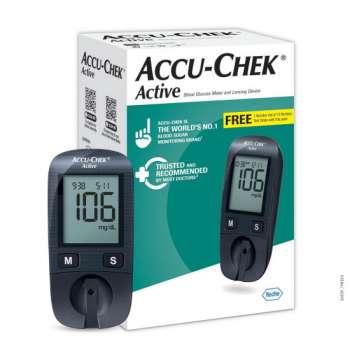
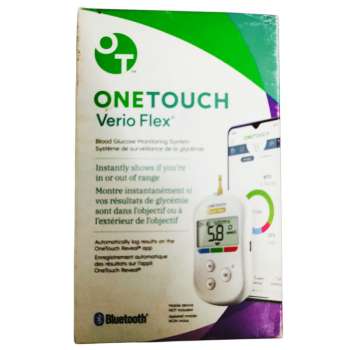
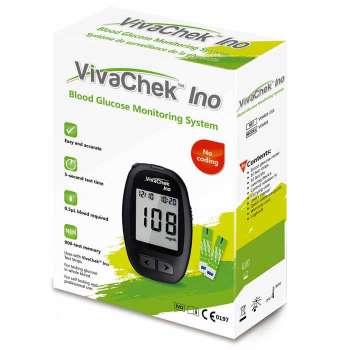
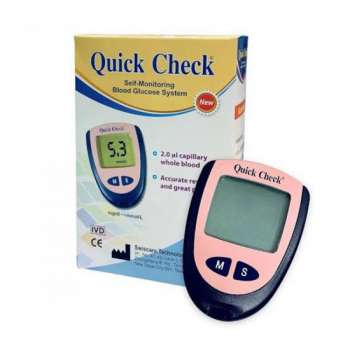
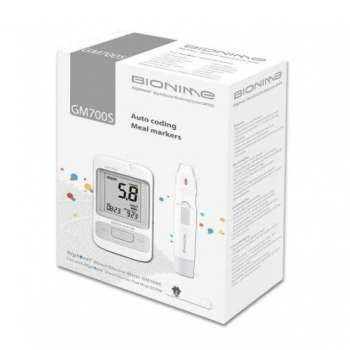
See our glucometer guide.
Can insulin pen needles be reused?
No. MSK guidance recommends a new needle for every injection. Do not share pens.
How long does an opened insulin pen last?
There is no single answer. The in-use lifespan is product-specific. The source material showed a range of roughly 14–42 days, but you should follow the leaflet for your exact pen.
Does starting insulin mean you need it for life?
Not always. Dr Faria Afsana has discussed temporary insulin use in settings such as surgery and pregnancy. In other situations, especially some forms of diabetes, insulin may be essential long term.
Common mistakes to avoid
- using the wrong pen because the label was not checked
- reusing needles
- skipping priming when the pen instructions require it
- changing the dose without medical advice
- injecting repeatedly into the same spot
- sharing pens
- freezing insulin or exposing it to excessive heat
- treating low glucose without rechecking
When should you seek medical help promptly?
- the person is unconscious or cannot swallow safely
- glucose remains low after repeated 15-15 treatment
- the wrong insulin pen was used or an accidental extra dose was taken
- there is a significant injection-site problem
- you are unsure about dose or technique and glucose readings are repeatedly abnormal
Common myths
- “Insulin means diabetes has reached the final stage.” No. Insulin is used according to clinical need.
- “Once you start insulin, you can never stop.” Not always.
- “Needles can be reused several times.” No. Use a new needle each time.
- “It is easier to use the same injection spot.” Site rotation is important.
- “Every opened pen must stay in the fridge.” Storage is product-specific; follow the leaflet.
Frequently asked questions
What are the basic insulin-pen steps?
Check the label, use a new needle, prime according to the pen instructions, set the prescribed dose, inject at the recommended site and dispose of the needle safely.
Why do you prime an insulin pen?
Priming confirms that the pen and needle are delivering insulin properly. MSK's common technique uses a 2-unit prime; follow your specific pen leaflet.
Where can insulin be injected?
Common sites are the abdomen, outer upper thigh and back of the upper arm. Rotate sites.
Does an opened pen need refrigeration?
It depends on the product. Many in-use pens can be kept at room temperature for a specific number of days. Follow the product leaflet.
Can insulin pen needles be reused?
No. Use a new needle each time.
What should you do if glucose falls below 70 mg/dL?
If awake and able to swallow, take 15 g of fast carbohydrate and recheck after 15 minutes.
Is insulin always lifelong?
No. Duration depends on diabetes type and the clinical situation.
Related reading
Sources
- Dr Faria Afsana — Prothom Alo, 29 November 2025.
- Lt. Col. Dr Nasir Uddin Ahmed — Prothom Alo, 16 June 2023.
- Memorial Sloan Kettering Cancer Center — How to Use an Insulin Pen, updated 20 March 2024.
- CDC — How to Use Insulin, 15 May 2024.
- CDC — Treatment of Low Blood Sugar, 15 May 2024.
- International Diabetes Federation — Bangladesh profile.
This article is for general health information. Insulin type, dose, timing, titration and storage must follow your prescription and the instructions for your exact product. Do not change the dose on your own.
Related Products