



✔ 100% Authentic Product
👁️ Viewed 1774 times
Empaglif 10mg Tablet
Empagliflozin belongs to the sodium-glucose cotransporter 2 (SGLT2) inhibitor class. It blocks SGLT2 in the kidneys, reducing the reabsorption of filtered glucose and increasing glucose excretion through urine. This helps lower blood glucose levels and may also contribute to modest reductions in body weight and blood pressure.
Discount Price: ৳ 285
MRP:
৳
300
5%
off
100% Genuine Products, Guaranteed
Safe & Secure Payments, Always
Fast, Secure & Efficient Delivery
Proper Packaging
 Cash on Delivery - All over Bangladesh
 Regular Delivery: 24-48 Hours, Dhaka City* Charge Tk.39-59
- Regular Delivery: 48-96 Hours, Other Cities* Charge Tk.99-125
 ফ্রি ডেলিভারিঃ - ১৪৯৯ টাকা+ অর্ডারে, ঢাকা
শহরে
ফ্রি ডেলিভারিঃ - ১৪৯৯ টাকা+ অর্ডারে, ঢাকা
শহরে- ফ্রি ডেলিভারিঃ - ৪৯৯৯ টাকা+ অর্ডারে, ঢাকার
বাহিরে
📲 মোবাইল অ্যাপ অর্ডারে সাশ্রয় বেশী
-
Google Play Store থেকে ডাউনলোড
-
Apple Store থেকে ডাউনলোড
100% Genuine Products, Guaranteed
Safe & Secure Payments, Always
Fast, Secure & Efficient Delivery
Proper Packaging
- Cash on Delivery - All over Bangladesh
- Regular Delivery: 24-48 Hours, Dhaka City* Charge Tk.39-59
- Regular Delivery: 48-96 Hours, Other Cities* Charge Tk.99-125
- ফ্রি ডেলিভারিঃ - ১৪৯৯ টাকা+ অর্ডারে, ঢাকা
শহরে
- ফ্রি ডেলিভারিঃ - ৪৯৯৯ টাকা+ অর্ডারে, ঢাকার
বাহিরে
- Google Play Store থেকে ডাউনলোড
- Apple Store থেকে ডাউনলোড
📲 মোবাইল অ্যাপ অর্ডারে সাশ্রয় বেশী
✅ Description:
Empaglif 10 contains empagliflozin 10 mg, an oral antidiabetic medicine used to improve blood glucose control in adults with type 2 diabetes mellitus. It may be prescribed alone or in combination with other antidiabetic medicines, alongside a balanced diet and regular exercise.
Empagliflozin may also reduce the risk of cardiovascular death in eligible adults with type 2 diabetes and established cardiovascular disease, according to the approved indication.
- Usual adult starting dose: 10 mg once daily, preferably in the morning.
- Dose adjustment: The dose may be increased to 25 mg once daily if additional blood glucose control is needed and the patient tolerates treatment, as directed by a physician.
- Empaglif 10 may be taken with or without food.
- Swallow the tablet with water and take it consistently at the same time each day.
- Assess kidney function and correct dehydration before starting treatment.
The appropriate dose depends on kidney function, the treatment indication and other medical conditions. Do not change the dose or discontinue treatment without consulting a healthcare professional.
Take the missed dose when you remember, unless it is nearly time for the next dose. If it is nearly time for the next dose, skip the missed dose and continue your regular schedule. Do not take a double dose.
If an overdose is suspected, seek immediate medical attention. Treatment involves appropriate clinical assessment, monitoring and supportive care.

Relevant Products
Same generic alternatives, ranked by customer interest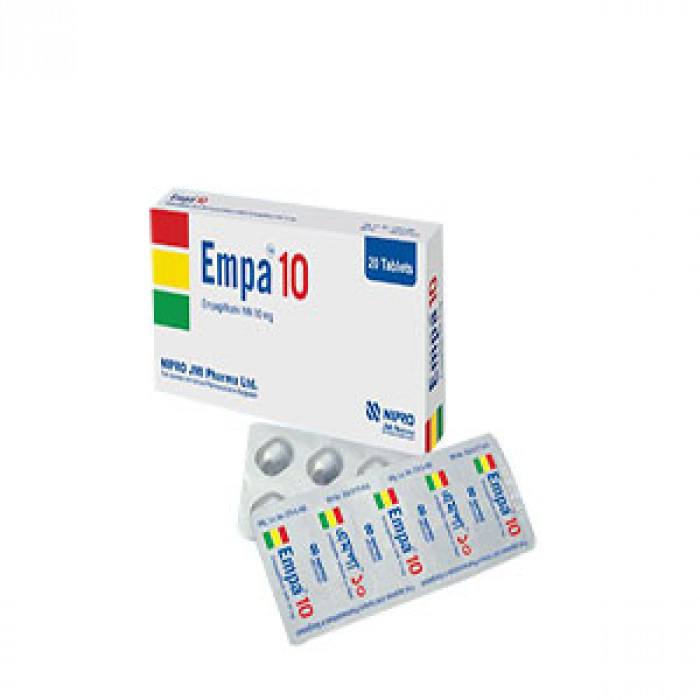
Empa 10mg Tablet 15Pcs
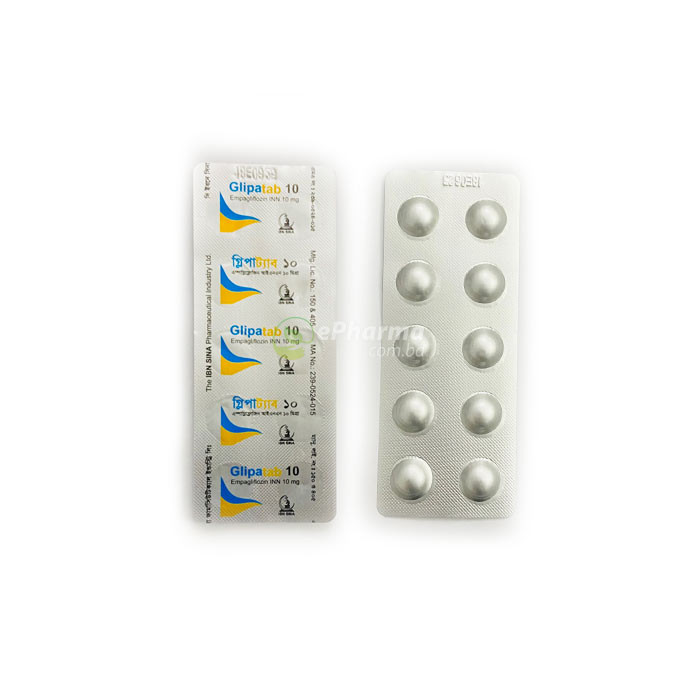
Glipatab 10mg Tablet
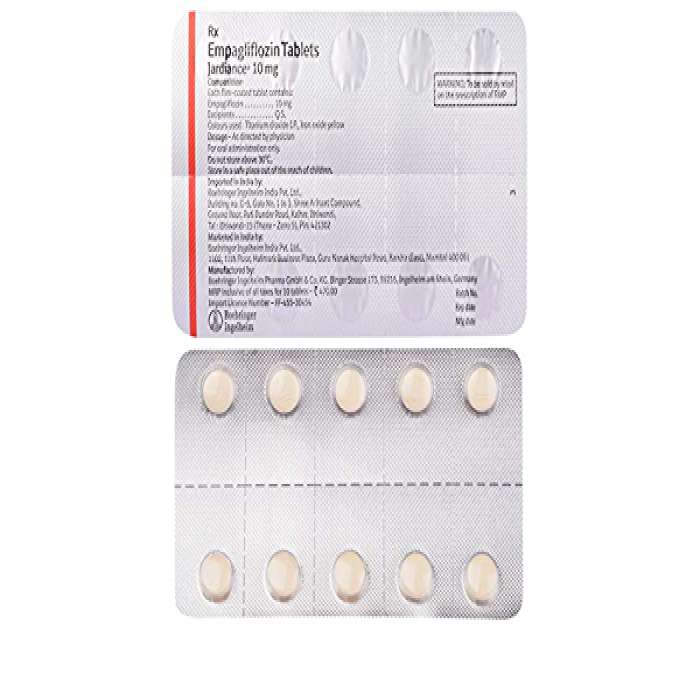
Jardiance 10mg 10pcs
Jardian 10mg Tablet
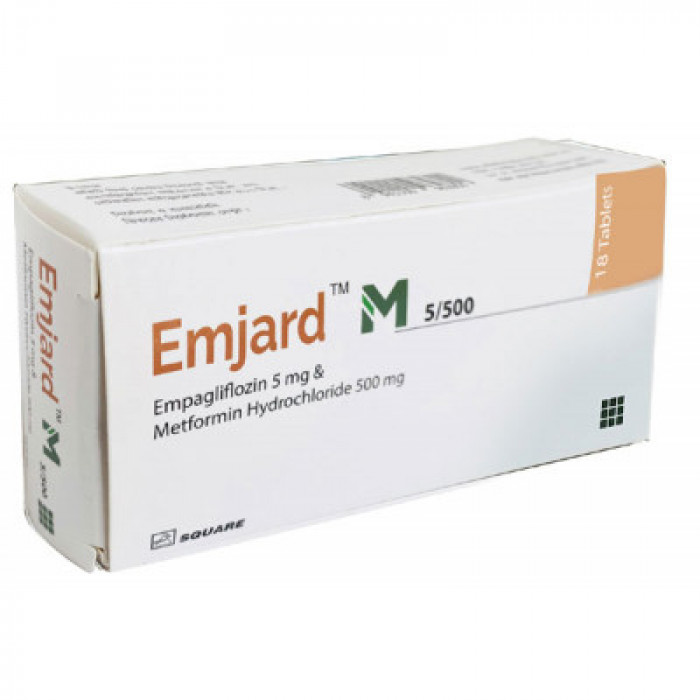
Emjard M 5/500mg 10pcs
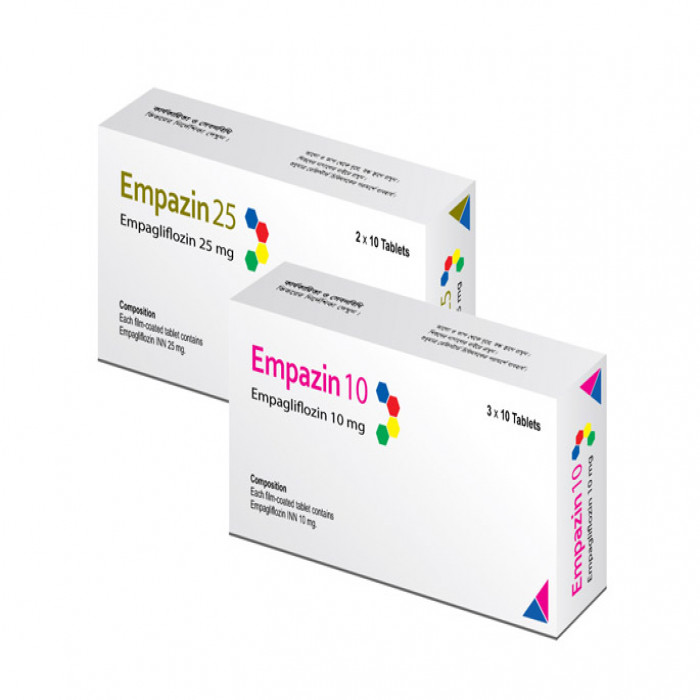
Empazin 25mg Tablet
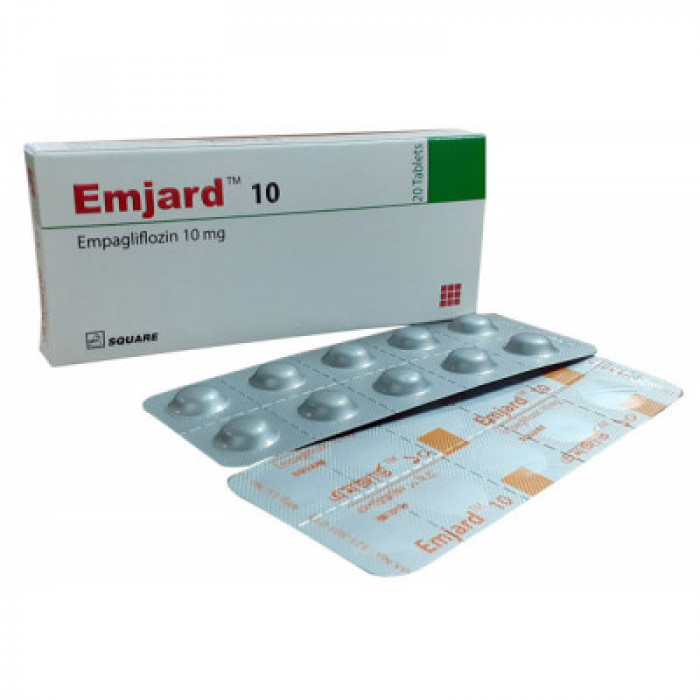
Emjard 10mg Tablet
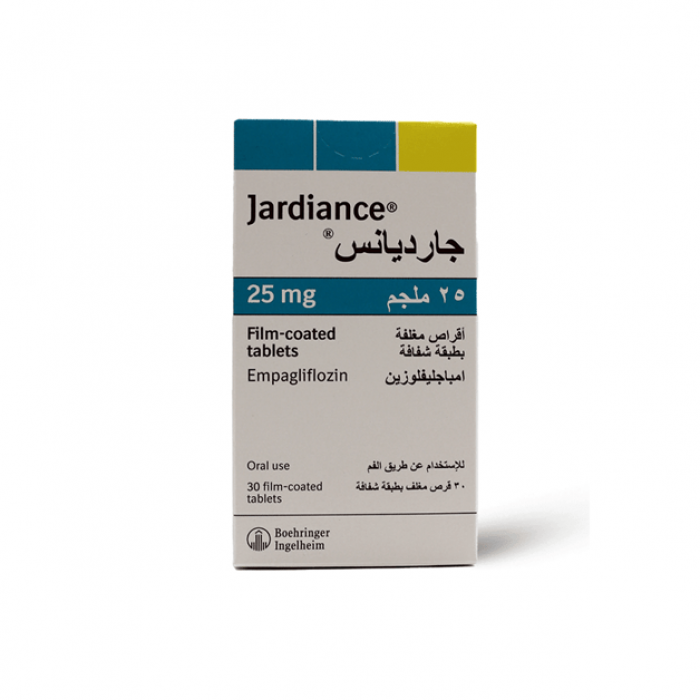
Jardiance 25mg
More From Aristopharma Limited
Popular products from this manufacturer/brand
Ketozol 2% Medicated Anti-Dandruff Scalp Shampoo 100ml

Neobion 100mg+200mg+200mcg Tablet
Rupa 10mg Tablet
Avolac Oral Solution 200ml
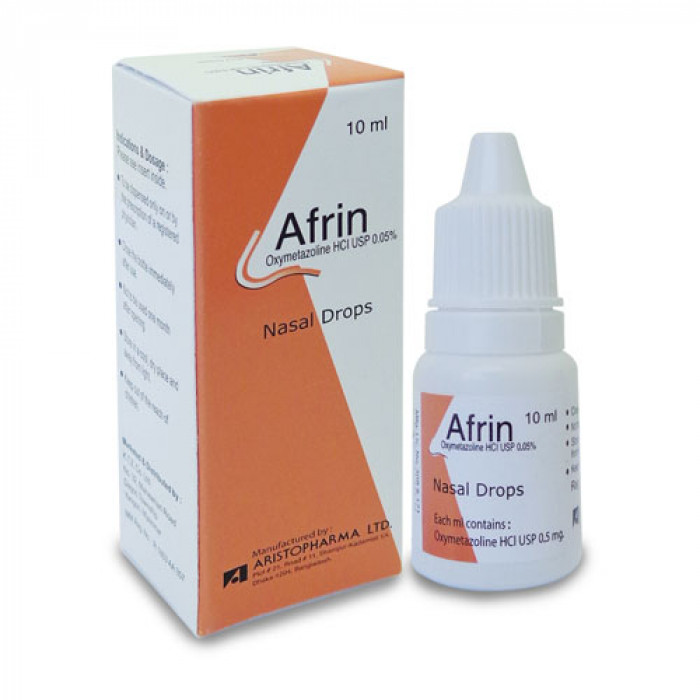
Afrin 0.05% Nasal Drops

Rabe 20mg Tablet
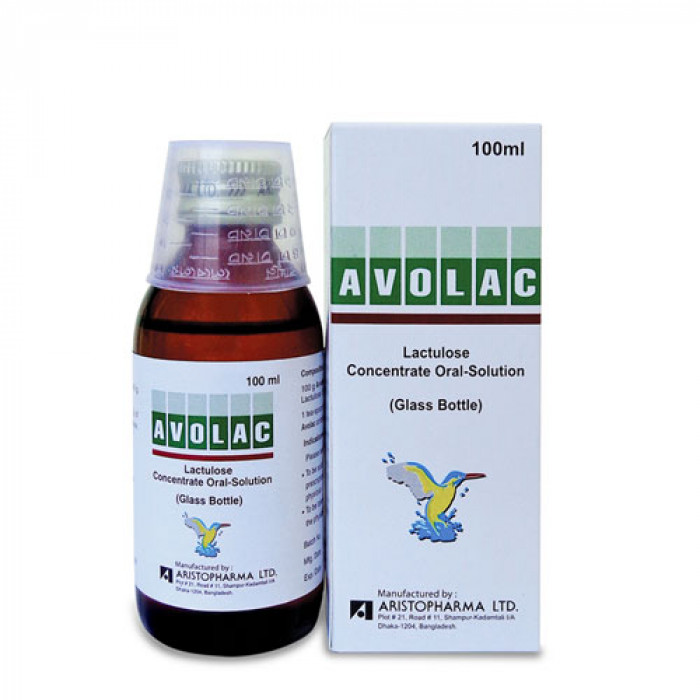
Avolac Oral Solution 100ml

Optimox Eye Drops 0.5%
Related Posts



✔️ Uses
- Type 2 diabetes mellitus.
- Reduction of cardiovascular risk in eligible adults with type 2 diabetes and established cardiovascular disease, where approved.
✔️ Precautions & Warnings
- Kidney function: Assess kidney function before starting treatment and monitor it periodically. Suitability depends on the patient's eGFR and the reason for treatment.
- Dehydration and hypotension: Use cautiously in older adults, people with kidney impairment, patients with low blood pressure and those taking diuretics.
- Diabetic ketoacidosis: This can occur even when blood glucose is not markedly elevated. Seek urgent medical attention if symptoms develop.
- Genital and urinary infections: Report symptoms promptly and maintain good personal hygiene.
- Low blood glucose: The risk increases when empagliflozin is combined with insulin or sulfonylureas. The prescriber may need to adjust the dose of those medicines.
- Surgery or prolonged fasting: Inform the healthcare team before surgery or procedures involving prolonged fasting. Empagliflozin is generally withheld for at least three days before scheduled surgery when recommended by current prescribing guidance.
- Alcohol: Avoid excessive alcohol consumption because it may increase the risk of dehydration and ketoacidosis.
✔️ Side Effects:
- Urinary tract infections.
- Genital fungal infections, including vaginal yeast infections and balanitis.
- Increased urination and thirst.
- Nausea.
- Dehydration, dizziness or low blood pressure.
- Changes in blood lipid levels.
- Low blood glucose, particularly when used with insulin or sulfonylureas.
✔️ Drug Interactions
- Insulin and sulfonylureas: May increase the risk of hypoglycemia.
- Diuretics: May increase urination, dehydration and low blood pressure.
- Other medicines affecting kidney function or fluid balance: May require additional monitoring.
Urine glucose tests are not reliable for monitoring blood glucose during treatment because empagliflozin increases glucose excretion through urine. Use blood glucose testing or another method recommended by your healthcare professional.
✔️ Pregnancy and Breastfeeding
Empagliflozin is generally not recommended during pregnancy, particularly during the second and third trimesters, because of potential risks to fetal kidney development. Consult a healthcare professional if pregnancy occurs or is planned.
Breastfeeding is generally not recommended during treatment because the potential effects on the infant are uncertain. A healthcare professional can recommend an appropriate alternative.
✔️ Directions for Use:
Take Empaglif 10 exactly as prescribed. It can be taken with or without food. Follow the prescribed schedule and continue recommended dietary changes, physical activity and blood glucose monitoring.
✔️ Contraindications
Empagliflozin should not be used in patients with a known serious hypersensitivity to empagliflozin or any component of the tablet. It is not indicated for treating type 1 diabetes mellitus or diabetic ketoacidosis.
Use in severe kidney impairment, end-stage kidney disease or dialysis depends on the approved product labeling and intended indication. Kidney function should be assessed before treatment.
✔️ Storage Conditions
Store below 30°C in a cool, dry place, protected from light and moisture. Keep out of the reach of children.
⚠️Disclaimer:
At ePharma, we’re committed to providing accurate and accessible health information. However, all content is intended for informational purposes only and should not replace medical advice from a qualified physician. Please consult your healthcare provider for personalized guidance. We aim to support, not substitute, the doctor-patient relationship.
📦Pricing Information, Availability:
Product Availability & Pricing Notice
Please note that pricing, availability, and service offerings are subject to change due to: Market fluctuations, Manufacturer or supplier adjustments, Product discontinuation or temporary unavailability, Advertising errors. All orders depend on stock availability and staff resources. If services are provided on a time-and-materials basis, any shared estimates are for planning purposes only.



Reliable
All products displayed on ePharma are procured from govt. approved pharmaceuticals and verified licensed pharmacies from 2016.

Secure
ePharma uses Secure Sockets Layer (SSL) 128-bit 🔒 encryption and is Payment Card Industry DataSecurity Standard (PCI DSS) compliant.

Affordable
Find affordable medicine substitutes, save up to 50% on health products, up to 30% off on doctor consultations.

Social
Providing health care services under the health and beauty category with more than 170K Facebook audience and 10M+ reach.







Get more features!
Download the app now
✓ Doctor consultation ✓ 24/7 helpline

