


✔ 100% Authentic Product
👁️ Viewed 4991 times
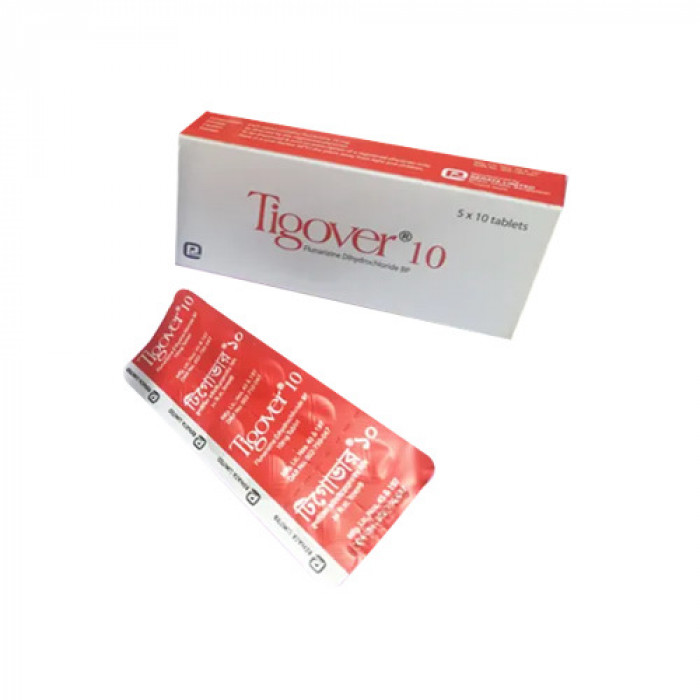
Tigover 10mg Tablet 1 Strip
Flunarizine is a difluorinated derivative of cinnarizine and acts as a selective calcium channel blocker. It reduces excessive calcium entry into cells, thereby preventing cellular calcium overload while preserving normal calcium balance. In addition, it possesses mild antihistaminic and sedative properties. Approximately 99% of the drug binds to plasma proteins.
Discount Price: ৳ 48
MRP:
৳
50
4%
off

100% Genuine Products, Guaranteed

Safe & Secure Payments, Always

Fast, Secure & Efficient Delivery

Proper Packaging
 Cash on Delivery - All over Bangladesh
 Regular Delivery: 24-48 Hours, Dhaka City* Charge Tk.39-59
- Regular Delivery: 48-96 Hours, Other Cities* Charge Tk.99-125
 ফ্রি ডেলিভারিঃ - ১৪৯৯ টাকা+ অর্ডারে, ঢাকা
শহরে
ফ্রি ডেলিভারিঃ - ১৪৯৯ টাকা+ অর্ডারে, ঢাকা
শহরে- ফ্রি ডেলিভারিঃ - ৪৯৯৯ টাকা+ অর্ডারে, ঢাকার
বাহিরে
📲 মোবাইল অ্যাপ অর্ডারে সাশ্রয় বেশী
-
Google Play Store থেকে ডাউনলোড
-
Apple Store থেকে ডাউনলোড
100% Genuine Products, Guaranteed
Safe & Secure Payments, Always
Fast, Secure & Efficient Delivery
Proper Packaging
- Cash on Delivery - All over Bangladesh
- Regular Delivery: 24-48 Hours, Dhaka City* Charge Tk.39-59
- Regular Delivery: 48-96 Hours, Other Cities* Charge Tk.99-125
- ফ্রি ডেলিভারিঃ - ১৪৯৯ টাকা+ অর্ডারে, ঢাকা
শহরে
- ফ্রি ডেলিভারিঃ - ৪৯৯৯ টাকা+ অর্ডারে, ঢাকার
বাহিরে
- Google Play Store থেকে ডাউনলোড
- Apple Store থেকে ডাউনলোড
📲 মোবাইল অ্যাপ অর্ডারে সাশ্রয় বেশী
✅ Description:
Tigover is used for the prevention of migraine attacks, including both classic migraine (with aura) and common migraine (without aura). It is also indicated for the symptomatic treatment of vestibular vertigo resulting from functional vestibular disorders, peripheral vascular disease (PVD), motion sickness, and as an adjunctive therapy in refractory epilepsy that does not respond adequately to conventional antiepileptic medications.
Pharmacology
Dosage and Administration
Drug Interactions
Precautions and Warnings
Tigover may cause drowsiness, which can be worsened by alcohol or other central nervous system depressants. Patients should avoid driving or operating machinery until they know how the medication affects them.
This medication is intended for migraine prevention and should not be used to stop an acute migraine attack. Increasing the dose during a migraine episode is not recommended.
Flunarizine may induce depressive symptoms, extrapyramidal reactions, or unmask Parkinsonism, particularly in elderly individuals and those predisposed to these conditions. Regular monitoring is advisable during long-term therapy.
Storage
Store below 30°C in a dry place, protected from light and moisture. Keep out of reach of children.
Therapeutic Class
Other drugs used for migraine prevention.

Relevant Products
Same generic alternatives, ranked by customer interest
Norium 10mg Tablet

Norium 5mg Tablet
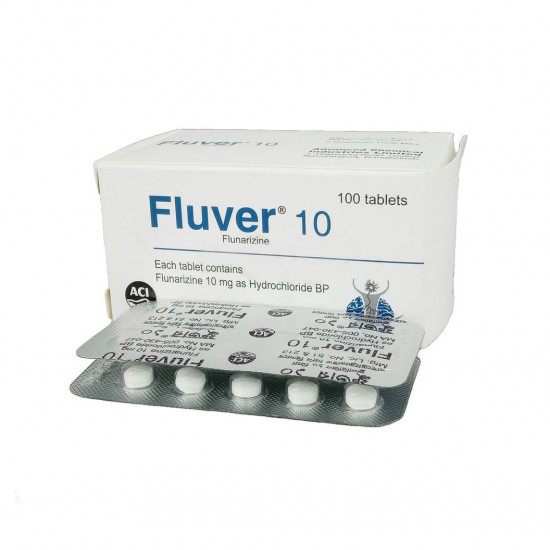
Fluver 10mg Tablet | 1 Strip
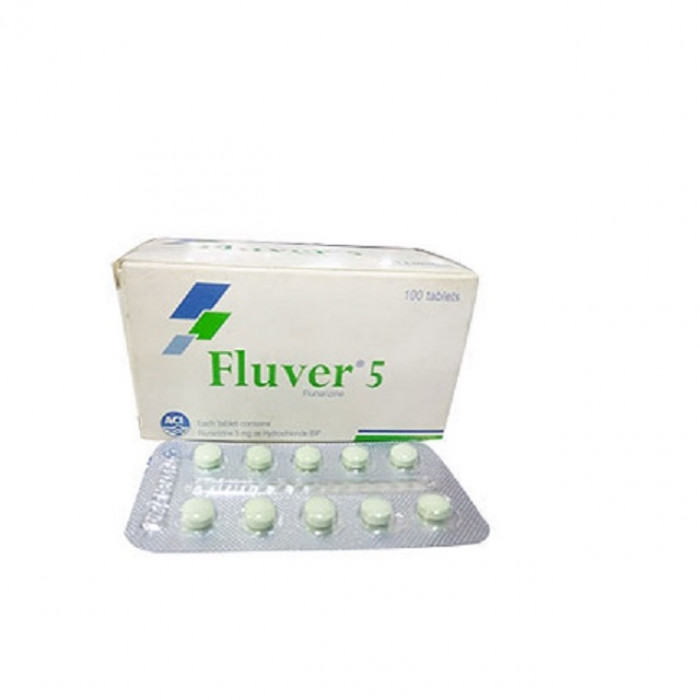
Fluver 5mg Tablet | 1 Strip
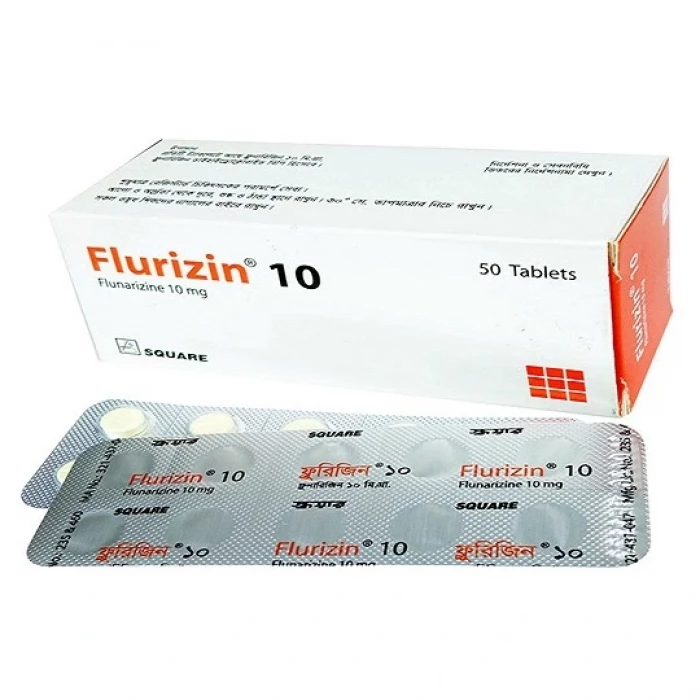
Flurizin 10mg Tablet 1 Strip
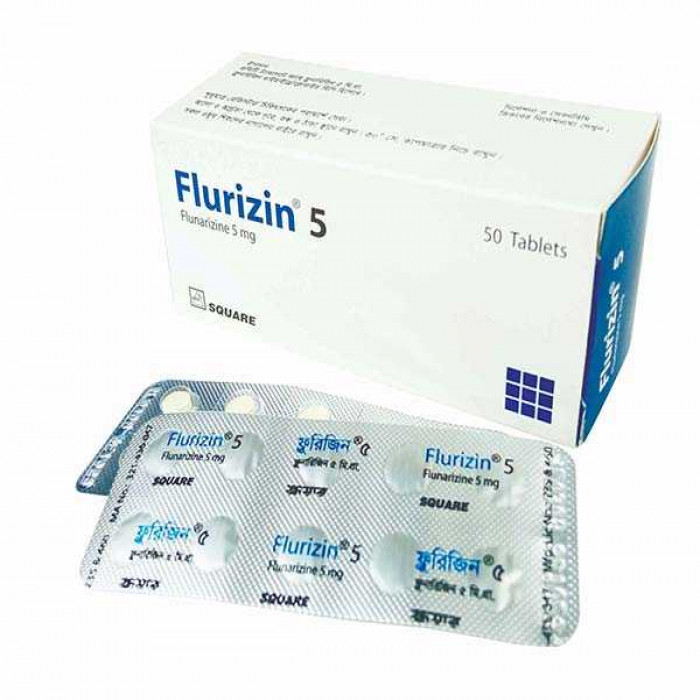
Flurizin 5mg Tablet 1 Strip
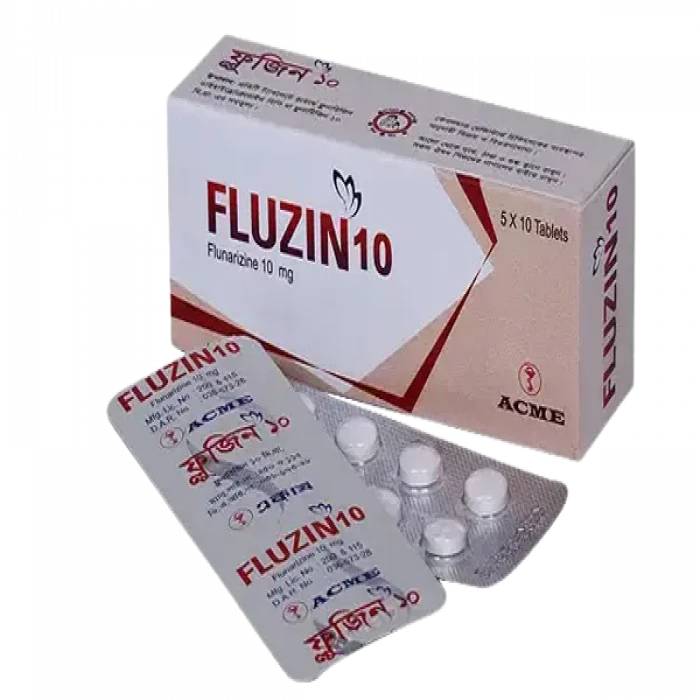
Fluzin 10 Tablet
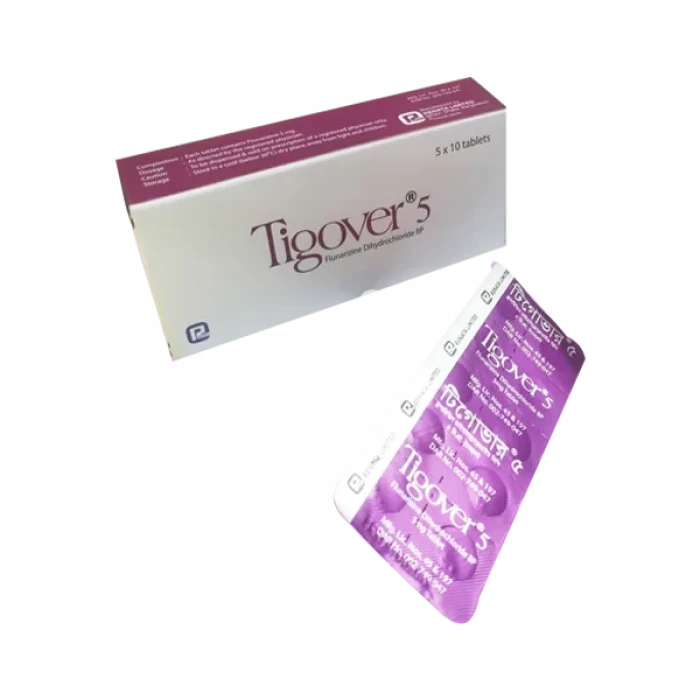
Tigover 5mg Tablet 1 Strip
More From Renata Limited
Popular products from this manufacturer/brand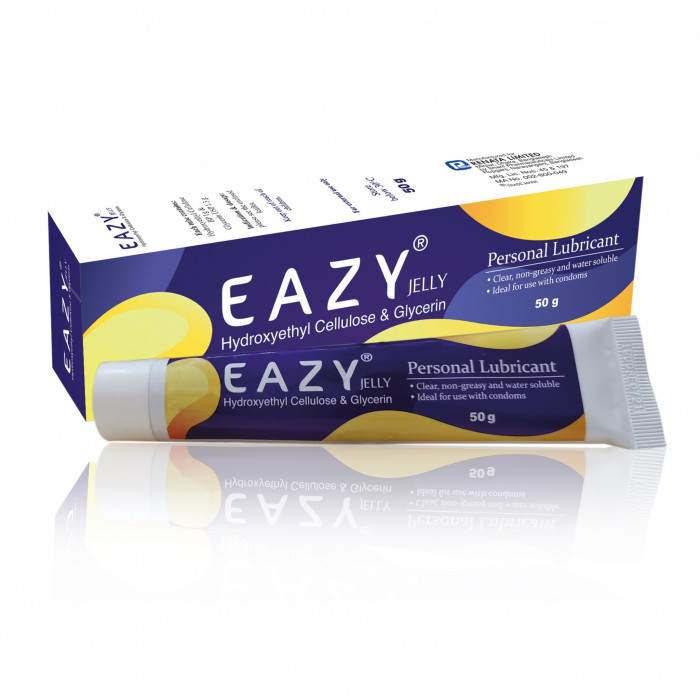
Eazy Jelly 50gm
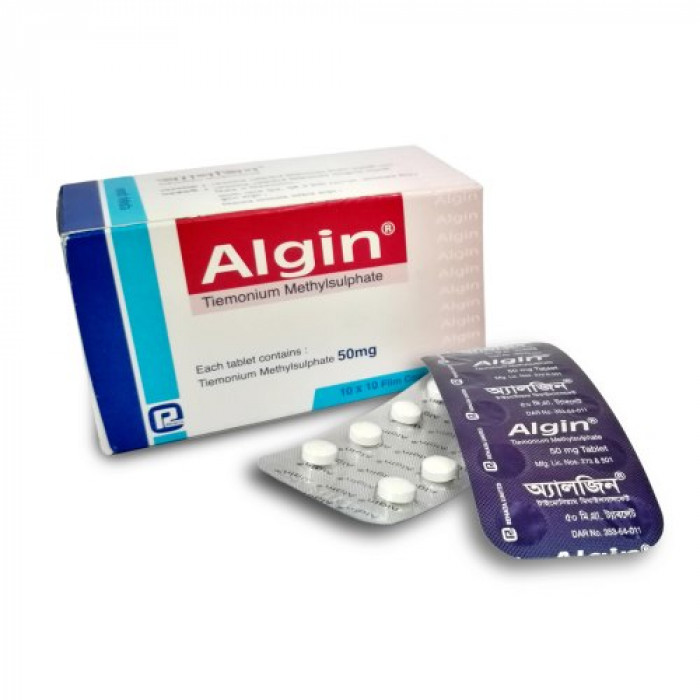
Algin 50mg Tablet

Novelon Lite
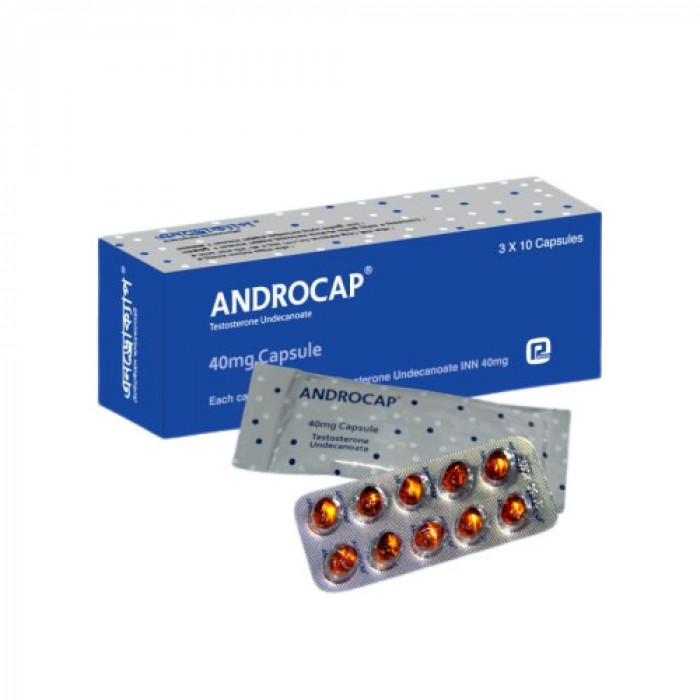
Androcap 40mg Capsule
Maxpro Mups 20mg Tablet
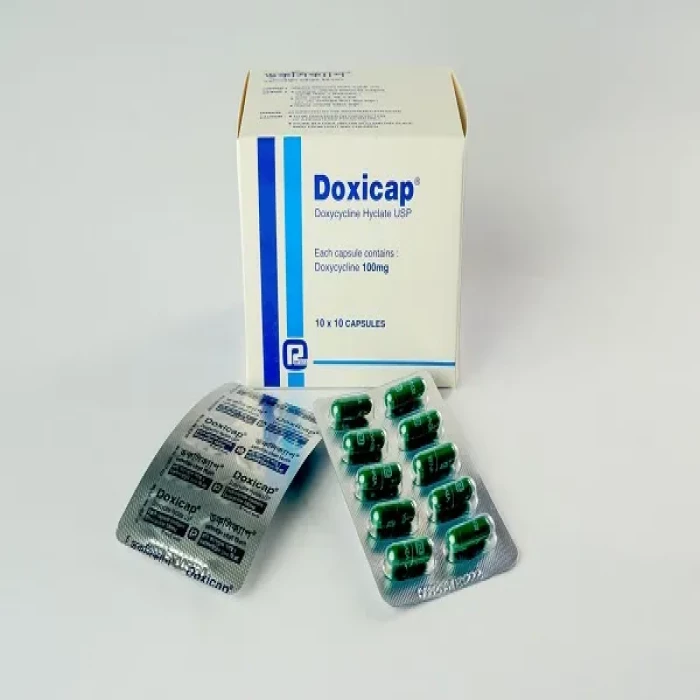
Doxicap 100mg Capsule 1 Strip
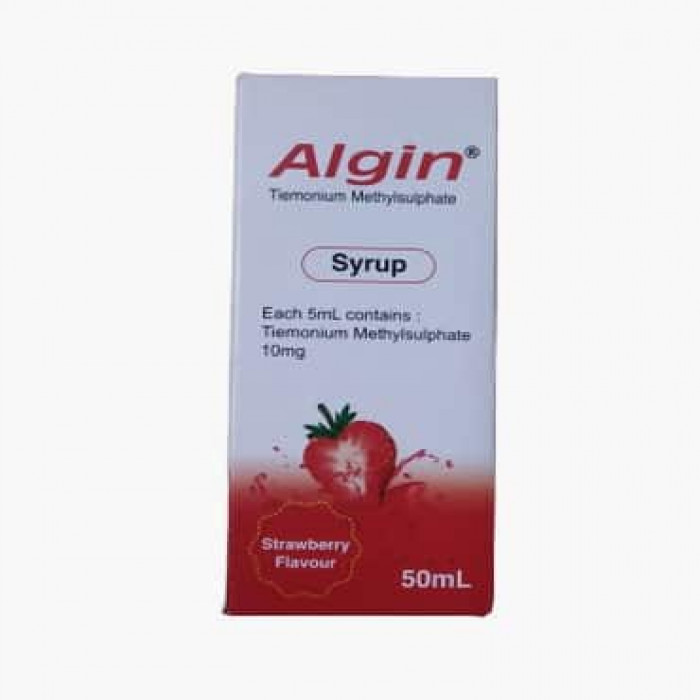
Algin Syrup
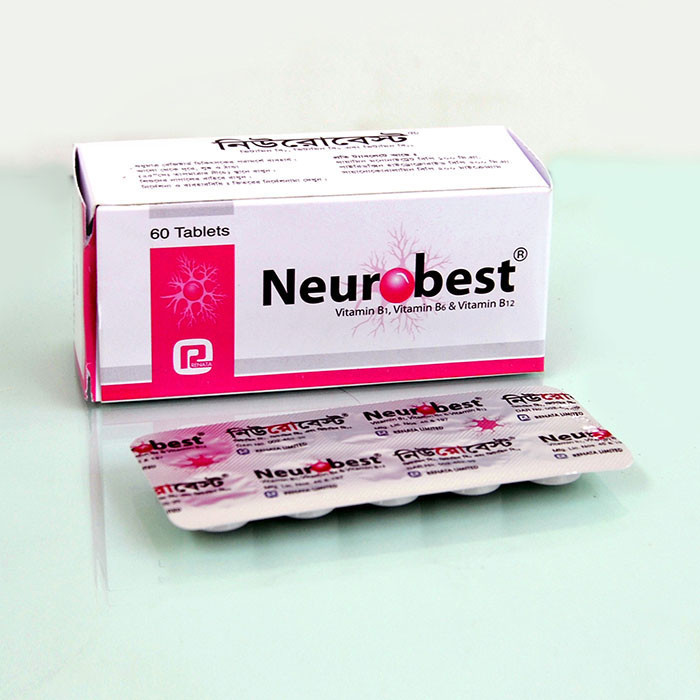
Neurobest Tablet 1 Strip
কীভাবে অর্ডার করবেন?How to Order?
How to Orderওয়েবসাইট থেকে অর্ডার করার সহজ ভিডিও গাইড।
অ্যাপ থেকে অর্ডারের সহজ ভিডিও গাইড
অ্যাপ ডাউনলোডDownload ePharma App বিস্তারিত গাইড ›Detailed App Ordering Guide✔️ Migraine Prevention
- Patients under 65 years: 10 mg once daily at bedtime.
- Patients over 65 years: 5 mg once daily.
If depression, extrapyramidal symptoms, or other significant adverse effects develop, treatment should be discontinued. Patients who show no meaningful improvement after two months should be considered non-responders, and therapy should be stopped.
For maintenance therapy, patients who respond well may continue treatment at the same dose for five consecutive days each week, followed by two drug-free days. Even when effective, treatment should generally be interrupted after six months and restarted only if migraine symptoms recur.
✔️ Peripheral Vascular Disease
- 10 mg twice daily, with doses up to 30 mg daily if necessary.
✔️ Adjunctive Treatment in Epilepsy
- Adults: 15–20 mg daily.
- Children: 5–10 mg daily.
✔️ Vertigo and Motion Sickness
- Adults: 10–20 mg daily.
- Children weighing more than 40 kg: 5 mg daily.
✔️ Side Effects
Common adverse effects include:
- Drowsiness
- Fatigue
- Increased appetite
- Weight gain
Less common but clinically important effects include:
- Depression
- Bradykinesia
- Rigidity
- Akathisia
- Orofacial dyskinesia
- Tremor
Other infrequently reported reactions include:
- Heartburn
- Nausea
- Gastric discomfort
- Insomnia
- Anxiety
- Galactorrhea
- Dry mouth
- Muscle pain
- Skin rash
✔️ Tigover should not be used in patients with:
- Hypersensitivity to flunarizine.
- Current or previous depressive disorders.
- Parkinson's disease.
- Existing extrapyramidal movement disorders.
✔️ Interaction
Women taking oral contraceptives may occasionally experience galactorrhea during the first few months of treatment. Enzyme-inducing antiepileptic drugs such as carbamazepine and phenytoin can increase the metabolism of flunarizine, potentially reducing its effectiveness and necessitating dosage adjustments.
✔️ Pregnancy and Lactation
The safety of flunarizine during pregnancy and breastfeeding has not been firmly established. It should be used only when the potential benefits outweigh the potential risks and under medical supervision.
⚠️Disclaimer:
At ePharma, we’re committed to providing accurate and accessible health information. However, all content is intended for informational purposes only and should not replace medical advice from a qualified physician. Please consult your healthcare provider for personalized guidance. We aim to support, not substitute, the doctor-patient relationship.
📦Pricing Information, Availability:
Product Availability & Pricing Notice
Please note that pricing, availability, and service offerings are subject to change due to: Market fluctuations, Manufacturer or supplier adjustments, Product discontinuation or temporary unavailability, Advertising errors. All orders depend on stock availability and staff resources. If services are provided on a time-and-materials basis, any shared estimates are for planning purposes only.


Reliable
All products displayed on ePharma are procured from govt. approved pharmaceuticals and verified licensed pharmacies from 2016.

Secure
ePharma uses Secure Sockets Layer (SSL) 128-bit 🔒 encryption and is Payment Card Industry DataSecurity Standard (PCI DSS) compliant.

Affordable
Find affordable medicine substitutes, save up to 50% on health products, up to 30% off on doctor consultations.

Social
Providing health care services under the health and beauty category with more than 170K Facebook audience and 10M+ reach.







Get more features!
Download the app now
✓ Doctor consultation ✓ 24/7 helpline