


✔ 100% Authentic Product
👁️ Viewed 4687 times
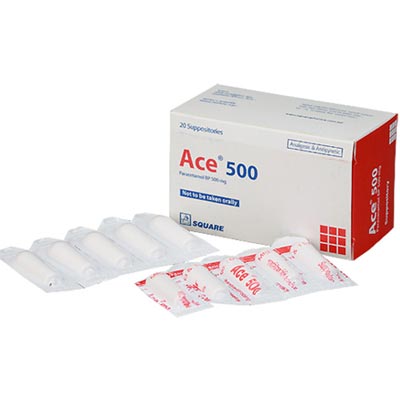
Ace Suppository 500mg 1pc
Paracetamol provides pain relief primarily by inhibiting the transmission of pain signals at the peripheral level. It reduces fever by acting on the hypothalamic heat-regulating center in the brain.
Its anti-inflammatory effect is mild and is linked to inhibition of prostaglandin synthesis within the central nervous system (CNS).
Paracetamol mainly acts centrally by inhibiting cyclooxygenase (COX) enzymes (COX-1, COX-2, and possibly COX-3), which are involved in prostaglandin production. Unlike NSAIDs, it has minimal effect on peripheral tissues and therefore lacks significant anti-inflammatory activity. Its effectiveness is more pronounced in the CNS, possibly due to lower peroxide levels compared to peripheral tissues.
Discount Price: ৳ 9
MRP:
৳
10
6%
off

100% Genuine Products, Guaranteed

Safe & Secure Payments, Always

Fast, Secure & Efficient Delivery

Proper Packaging
 Cash on Delivery - All over Bangladesh
 Regular Delivery: 24-48 Hours, Dhaka City* Charge Tk.39-59
- Regular Delivery: 48-96 Hours, Other Cities* Charge Tk.99-125
 ফ্রি ডেলিভারিঃ - ১৪৯৯ টাকা+ অর্ডারে, ঢাকা
শহরে
ফ্রি ডেলিভারিঃ - ১৪৯৯ টাকা+ অর্ডারে, ঢাকা
শহরে- ফ্রি ডেলিভারিঃ - ৪৯৯৯ টাকা+ অর্ডারে, ঢাকার
বাহিরে
📲 মোবাইল অ্যাপ অর্ডারে সাশ্রয় বেশী
-
Google Play Store থেকে ডাউনলোড
-
Apple Store থেকে ডাউনলোড
100% Genuine Products, Guaranteed
Safe & Secure Payments, Always
Fast, Secure & Efficient Delivery
Proper Packaging
- Cash on Delivery - All over Bangladesh
- Regular Delivery: 24-48 Hours, Dhaka City* Charge Tk.39-59
- Regular Delivery: 48-96 Hours, Other Cities* Charge Tk.99-125
- ফ্রি ডেলিভারিঃ - ১৪৯৯ টাকা+ অর্ডারে, ঢাকা
শহরে
- ফ্রি ডেলিভারিঃ - ৪৯৯৯ টাকা+ অর্ডারে, ঢাকার
বাহিরে
- Google Play Store থেকে ডাউনলোড
- Apple Store থেকে ডাউনলোড
📲 মোবাইল অ্যাপ অর্ডারে সাশ্রয় বেশী
✅ Description:
Paracetamol is indicated for the relief of:
- Fever, common cold, and influenza
- Headache, toothache, and earache
- Body pain, muscle pain (myalgia), and nerve pain (neuralgia)
- Menstrual pain (dysmenorrhoea)
- Sprains, colicky pain, and back pain
- Post-operative and postpartum pain
- Inflammatory pain and post-vaccination fever in children
- Rheumatic and osteoarthritis-related pain and joint stiffness

Relevant Products
Same generic alternatives, ranked by customer interest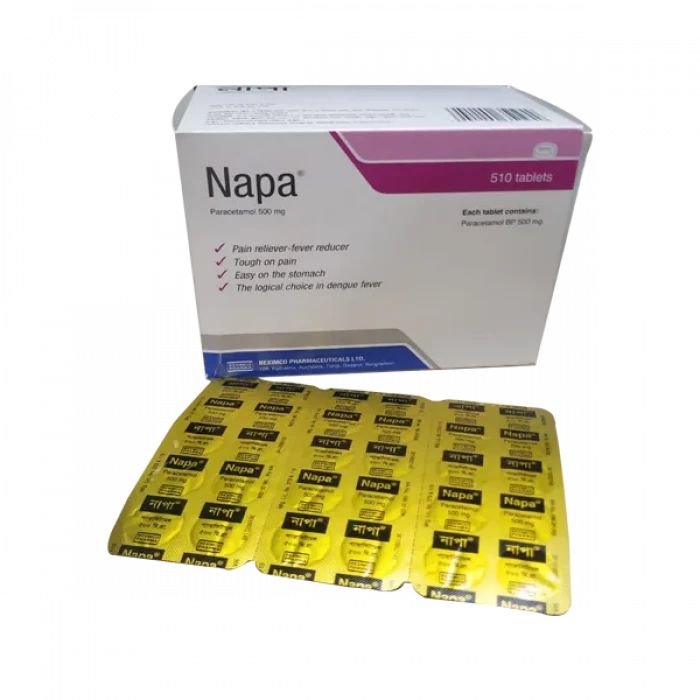
Napa 500mg Tablet 10pcs
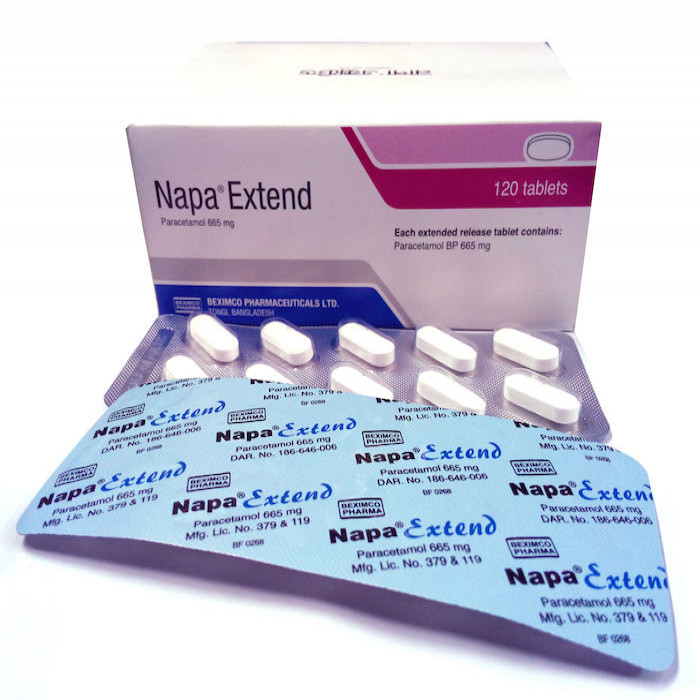
Napa Extend Tablet
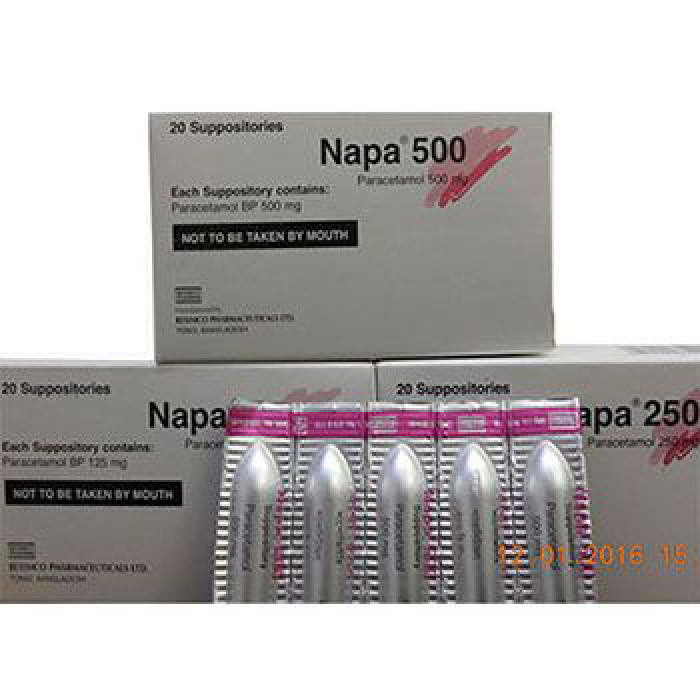
Napa Suppository 500mg
Napa Rapid 500mg 10Pcs
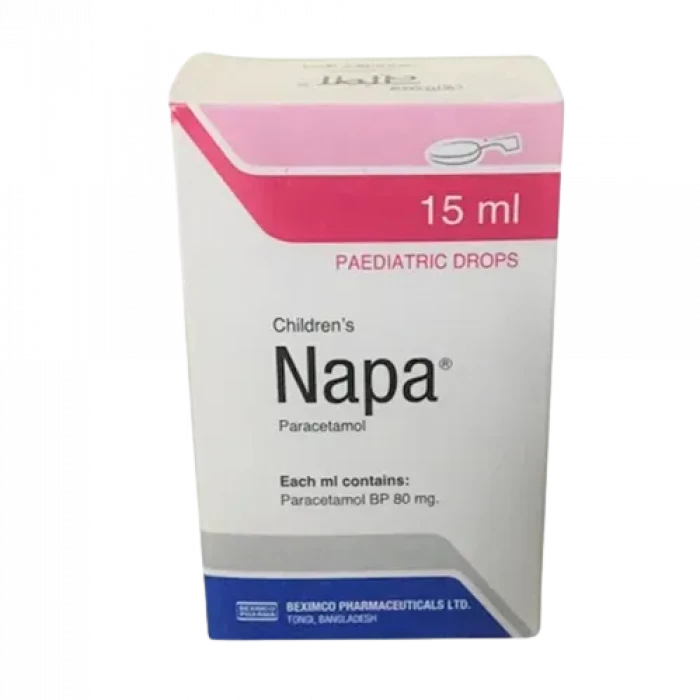
Napa Paediatric Drops 15ml
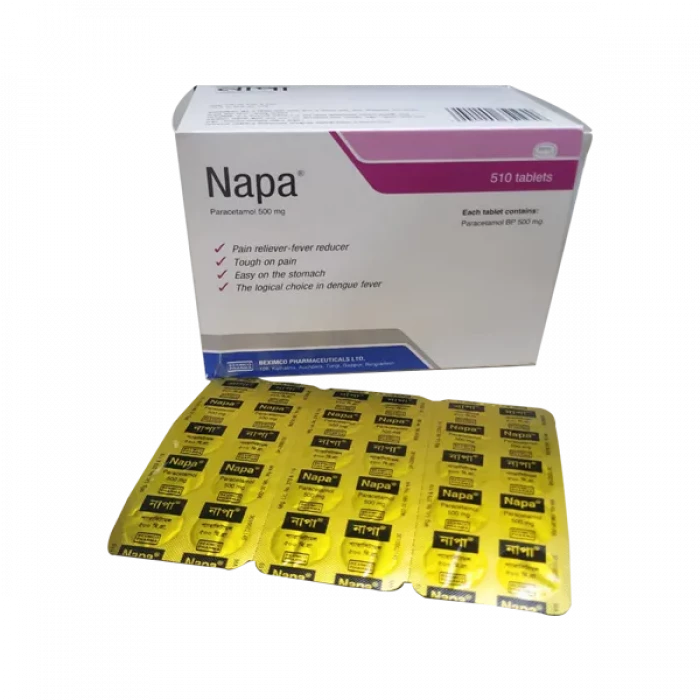
Napa 500mg (510pcs Box)
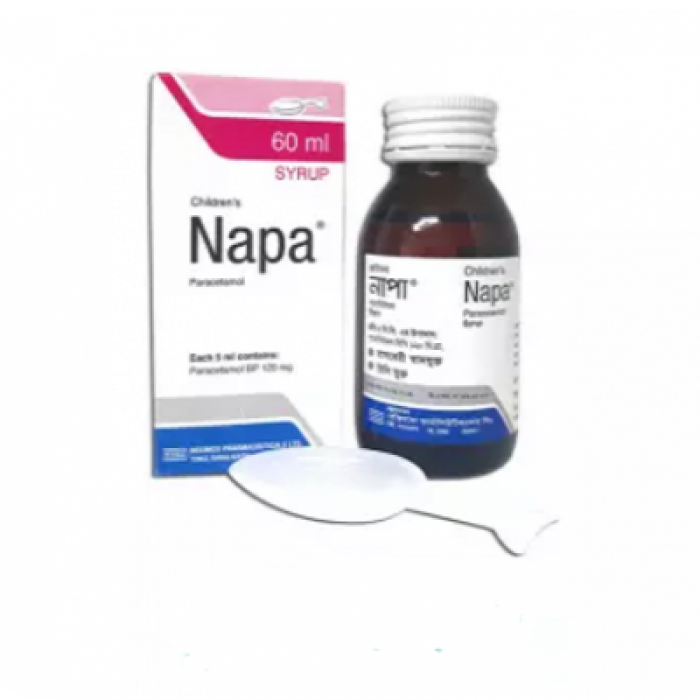
Napa Syrup 60ml
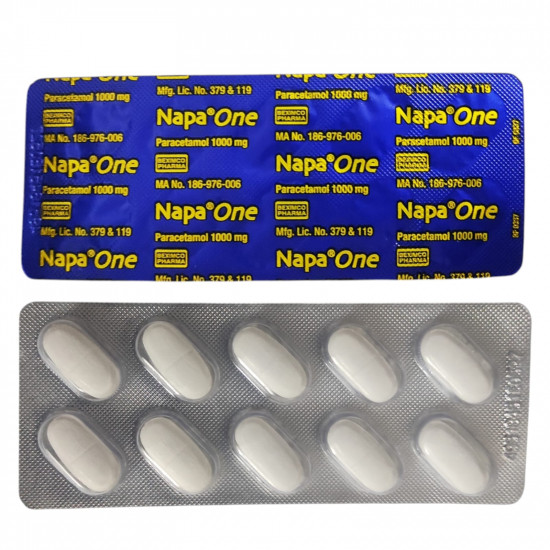
Napa One | 1000mg Tablet
More From Square Pharmaceuticals Ltd.
Popular products from this manufacturer/brand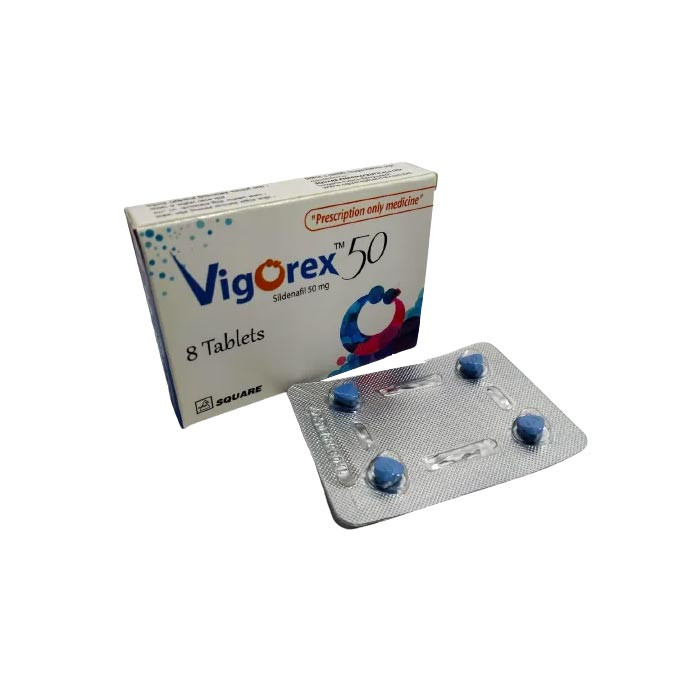
Vigorex 50mg Tablet
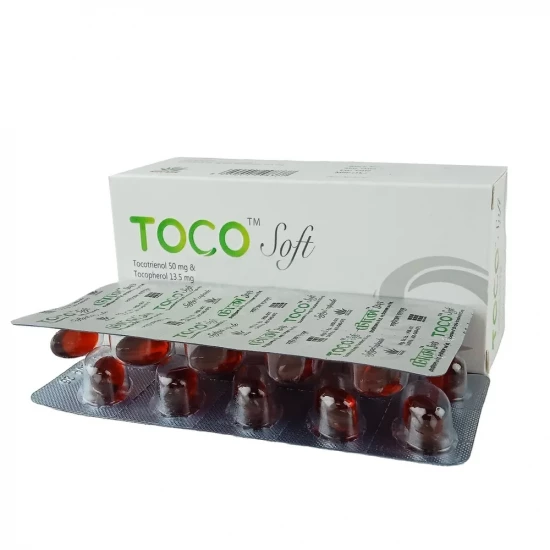
Toco Soft (50mg+13.5mg) Capsule
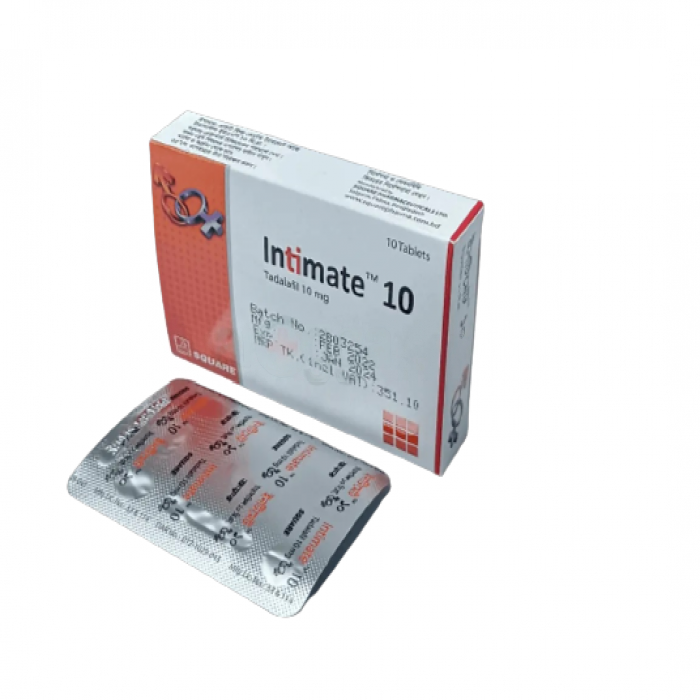
Intimate 10mg Tablet
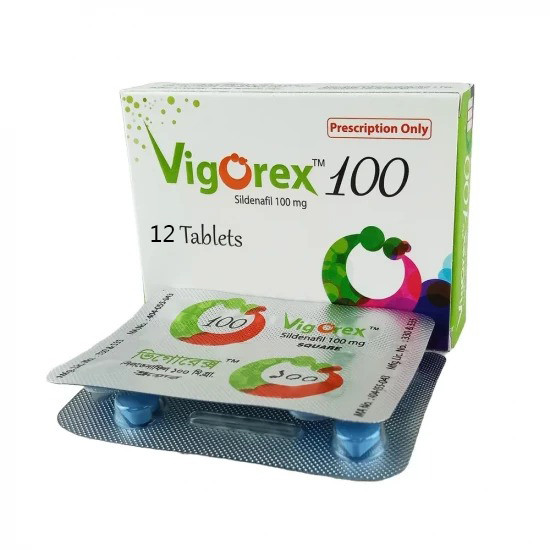
Vigorex 100mg 1 Strip
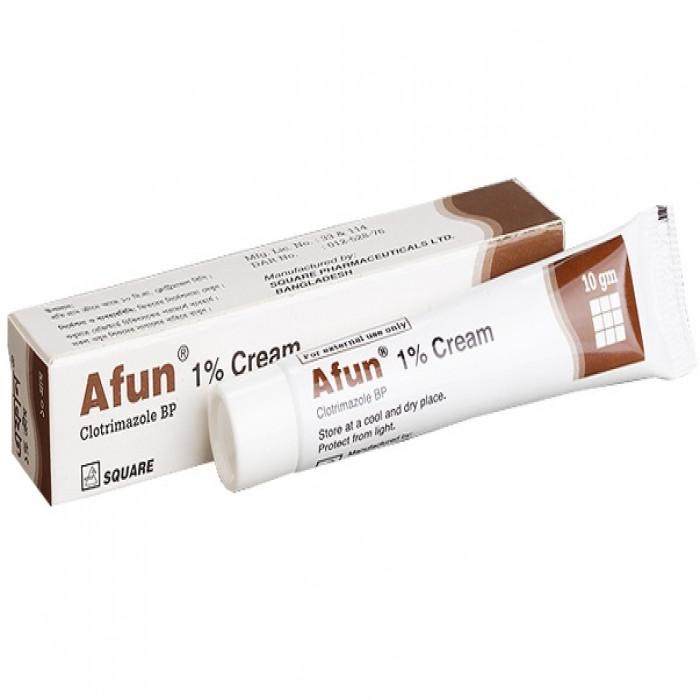
Afun 1% Cream
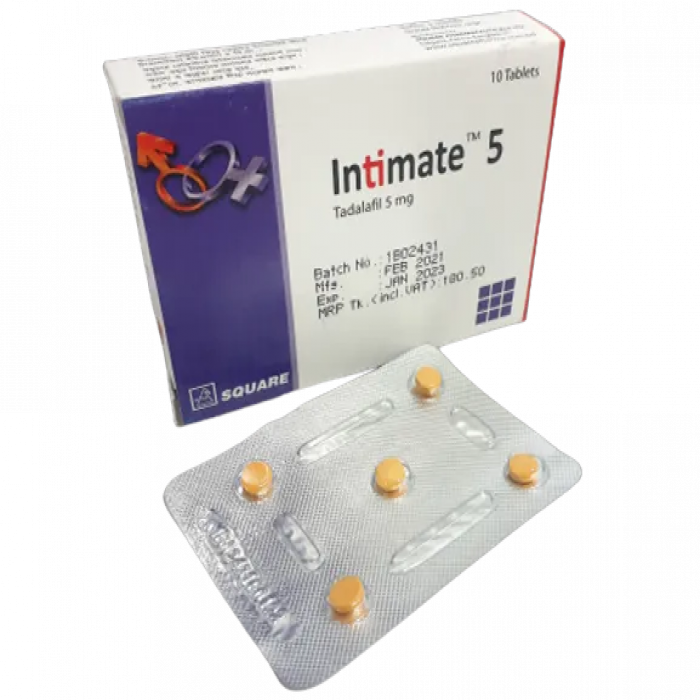
Intimate 5mg Tablet
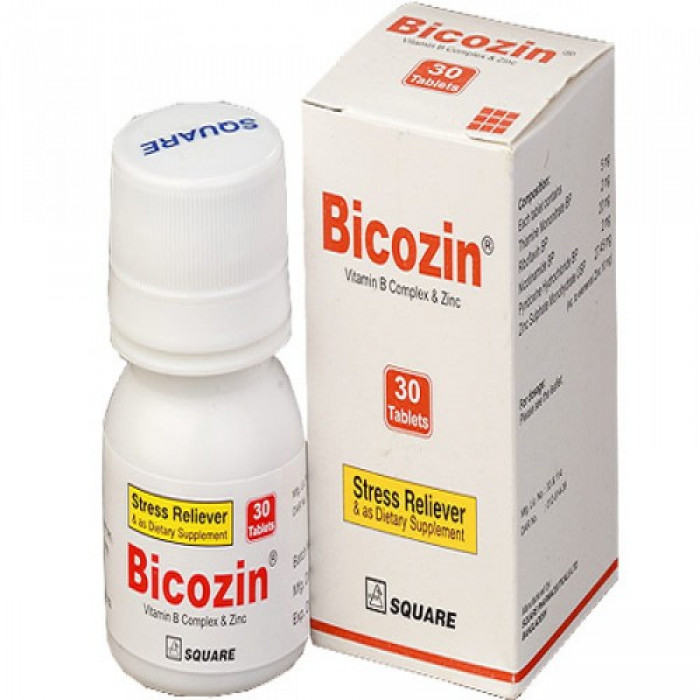
Bicozin Tablet (30pcs Pot)
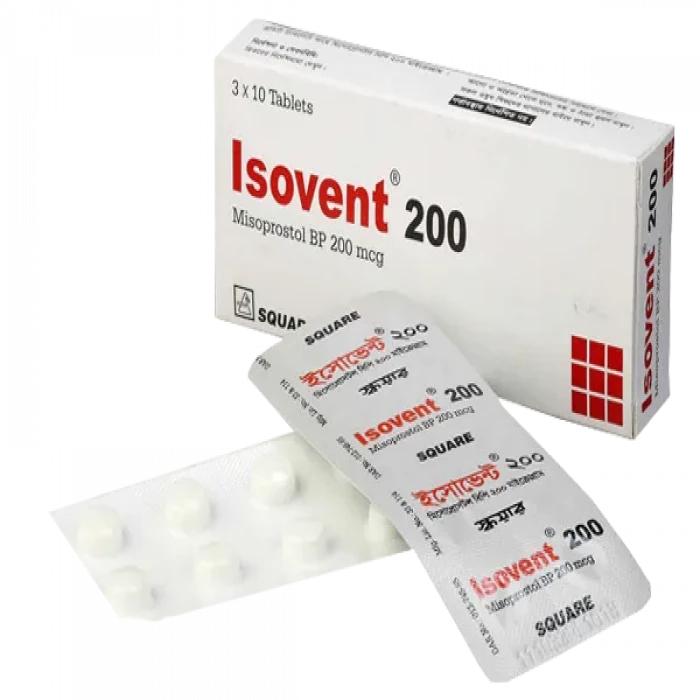
Isovent 200mcg Tablet
Related Posts



✔️ Syrup/Suspension:
- <3 months: 10 mg/kg (or 5 mg/kg if jaundiced), 3–4 times daily
- 3 months–1 year: ½–1 teaspoon, 3–4 times daily
- 1–5 years: 1–2 teaspoons, 3–4 times daily
- 6–12 years: 2–4 teaspoons, 3–4 times daily
- Adults: 4–8 teaspoons, 3–4 times daily
✔️ Tablet:
Adults: 1–2 tablets every 4–6 hours (maximum 4 g/day).
Children (6–12 years): ½–1 tablet 3–4 times daily (max ~2.6 g/day for long-term use)
✔️ Extended-Release Tablets:
- Adults & children ≥12 years: 2 tablets every 6–8 hours (max 6 tablets/day); swallow whole
✔️ Suppository:
- 3–12 months: 60–120 mg, up to 4 times daily
- 1–5 years: 125–250 mg, up to 4 times daily
- 6–12 years: 250–500 mg, up to 4 times daily
- ≥12 years & adults: 500 mg–1 g, up to 4 times daily
✔️ Paediatric Drops:
- Up to 3 months: 40 mg
- 4–11 months: 80 mg
- 1–2 years: 120 mg
(Maximum 5 doses/day for up to 5 days)
✔️ Fast-dissolving (Actizorb) Tablets:
- Adults & ≥12 years: 1–2 tablets every 4–6 hours (max 8/day)
- Children (7–11 years): ½–1 tablet every 4–6 hours (max 4/day)
✔️ IV Infusion:
- ≥50 kg: 1000 mg every 6 hours or 650 mg every 4 hours (max 4 g/day)
- <50 kg: 15 mg/kg every 6 hours or 12.5 mg/kg every 4 hours (max 75 mg/kg/day)
- Children (2–12 years): same as weight-based dosing above
✔️ Overdose may cause serious liver damage:
Early symptoms (within 24 hours):
- Nausea, vomiting, loss of appetite, abdominal pain
Later complications:
- Liver failure, metabolic acidosis, encephalopathy, renal failure, and possible death
Management:
- Immediate medical treatment is essential
- Activated charcoal (if within 1 hour)
- Antidote: N-acetylcysteine (most effective within 8 hours)
- Oral methionine may be used if IV treatment is unavailable
✔️ Special Population
- Pediatric: Safe and effective (including IV form for ≥2 years)
- Elderly: No significant difference in safety or efficacy
- Hepatic impairment: Avoid in severe liver disease; dose adjustment may be required
- Renal impairment: May require dose reduction or extended dosing interval
✔️ Interaction
- Reduced metabolism may occur with barbiturates, tricyclic antidepressants, and alcohol
- Alcohol increases the risk of liver toxicity
- Enzyme inducers (e.g., anticonvulsants, oral contraceptives) may reduce the therapeutic effect
✔️ Side Effects
- Blood disorders (e.g., thrombocytopenia, leukopenia)
- Skin rashes and allergic reactions
- Rarely pancreatitis
✔️ Contraindications:
Hypersensitivity to paracetamol or any component
✔️ Pregnancy & Lactation
- Considered safe in recommended doses during pregnancy under medical advice
- Excreted in breast milk in small amounts; generally compatible with breastfeeding
✔️ Precautions & Warnings
- Use cautiously in patients with liver or kidney impairment
- Higher risk of toxicity in chronic alcohol users
- Avoid exceeding recommended doses to prevent severe liver damage
- Do not take with other paracetamol-containing products
- Use only when clearly necessary
Serious allergic reactions (including anaphylaxis) are rare but require immediate discontinuation.
✔️ Storage:
- Store in a dry place below recommended temperature
- Protect from heat and light
- Keep out of reach of children
⚠️Disclaimer:
At ePharma, we’re committed to providing accurate and accessible health information. However, all content is intended for informational purposes only and should not replace medical advice from a qualified physician. Please consult your healthcare provider for personalized guidance. We aim to support, not substitute, the doctor-patient relationship.
📦Pricing Information, Availability:
Product Availability & Pricing Notice
Please note that pricing, availability, and service offerings are subject to change due to: Market fluctuations, Manufacturer or supplier adjustments, Product discontinuation or temporary unavailability, Advertising errors. All orders depend on stock availability and staff resources. If services are provided on a time-and-materials basis, any shared estimates are for planning purposes only.

Reliable
All products displayed on ePharma are procured from govt. approved pharmaceuticals and verified licensed pharmacies from 2016.

Secure
ePharma uses Secure Sockets Layer (SSL) 128-bit 🔒 encryption and is Payment Card Industry DataSecurity Standard (PCI DSS) compliant.

Affordable
Find affordable medicine substitutes, save up to 50% on health products, up to 30% off on doctor consultations.

Social
Providing health care services under the health and beauty category with more than 170K Facebook audience and 10M+ reach.







Get more features!
Download the app now
✓ Doctor consultation ✓ 24/7 helpline