


✔ 100% Authentic Product
👁️ Viewed 155 times
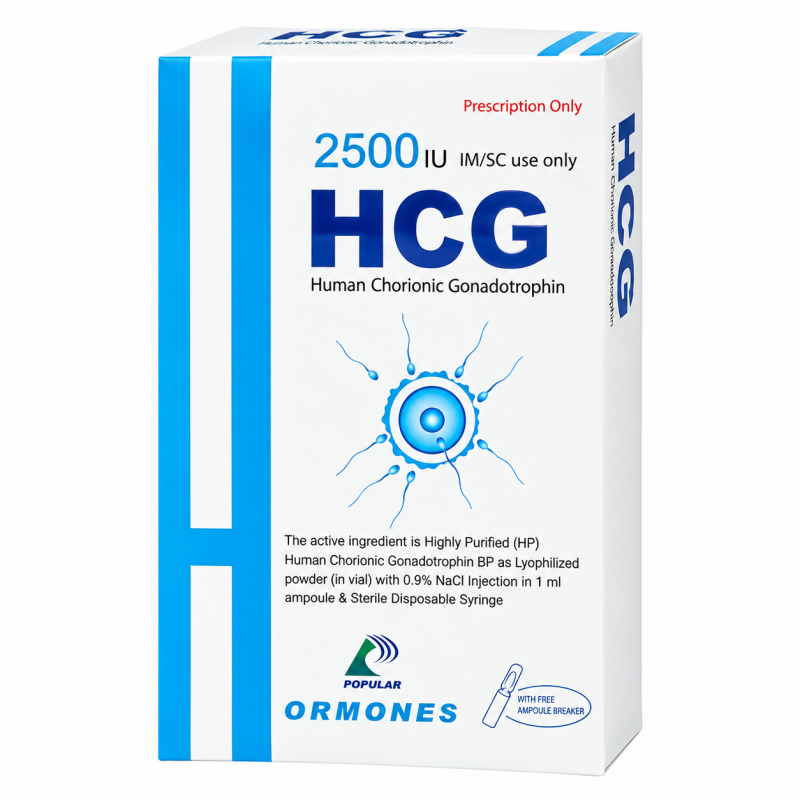
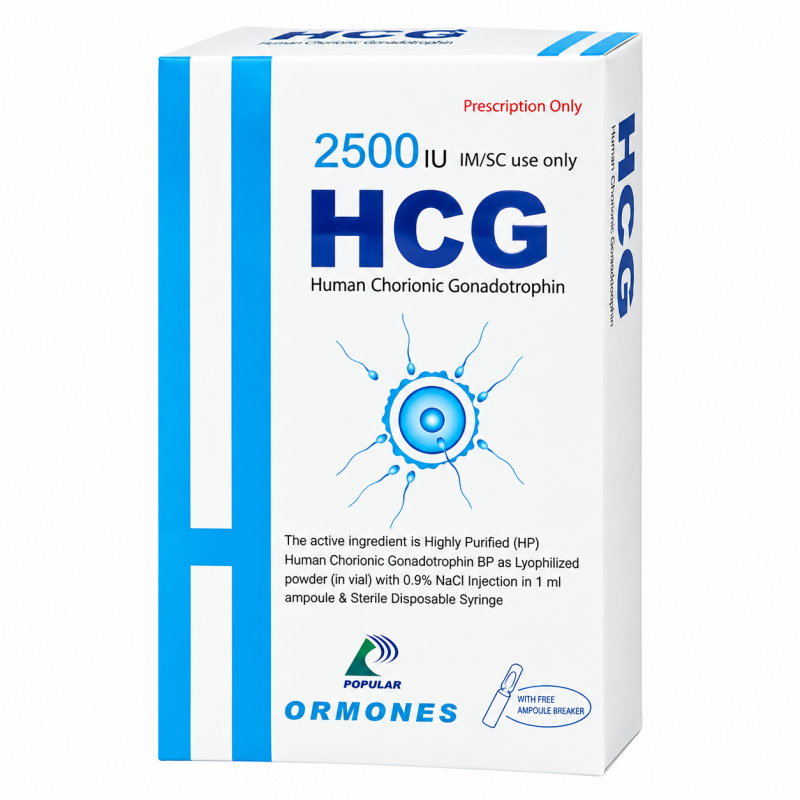
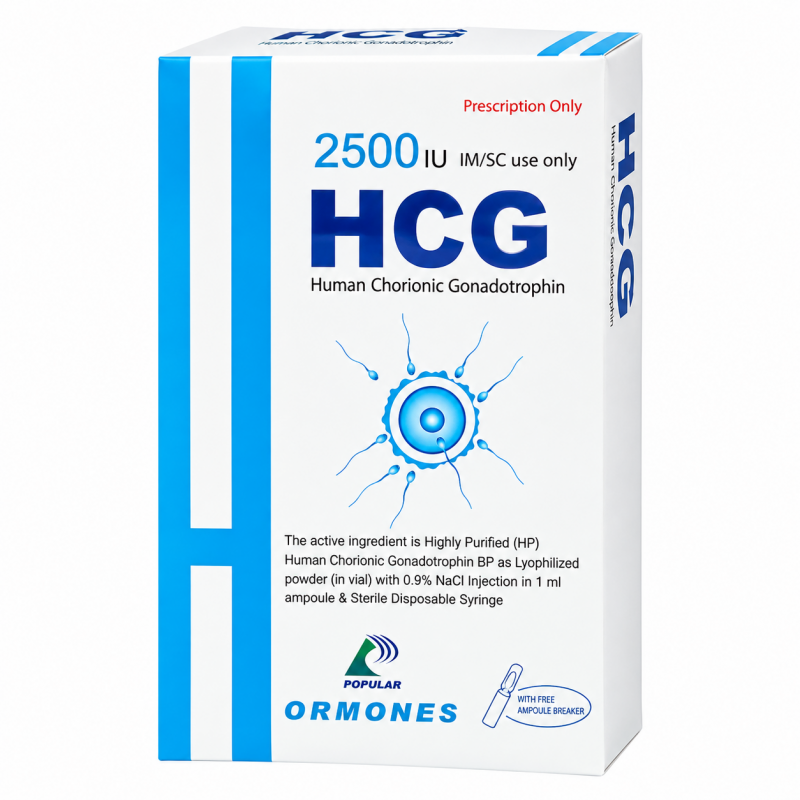
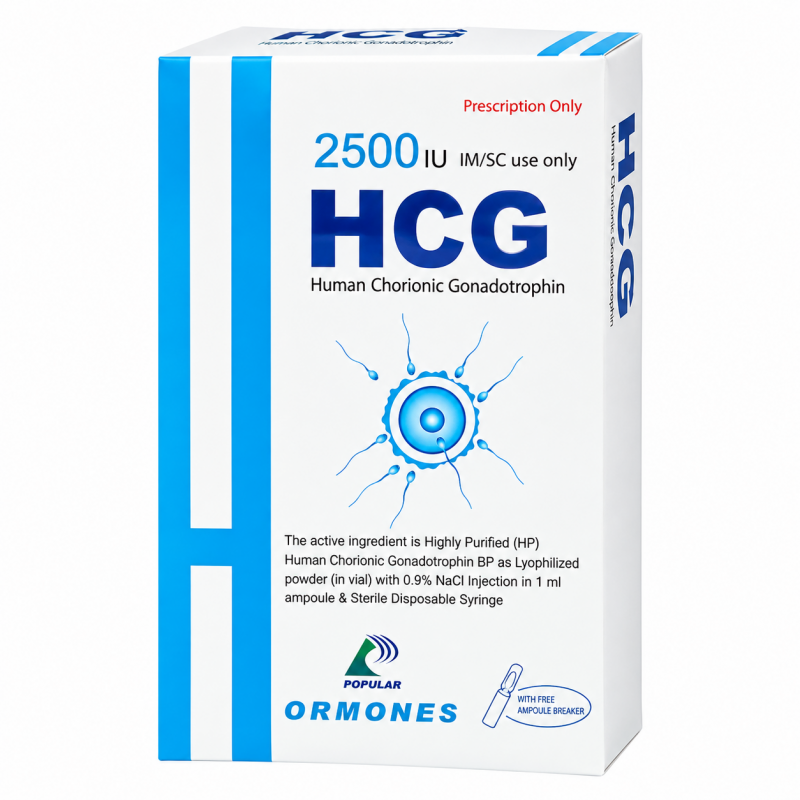
HCG Injection 2500 IU
Human Chorionic Gonadotrophin
In Females:
- Induction of ovulation in infertility caused by anovulation or impaired follicular development
- Final follicular maturation before oocyte retrieval in assisted reproductive technology (ART)
- Luteal-phase support following ovulation or embryo transfer
- Selected cases of threatened or recurrent miscarriage, under specialist supervision
In Males:
- Hypogonadotropic hypogonadism
- Selected cases of male infertility or oligospermia
- Delayed puberty caused by inadequate pituitary gonadotropin function
- Cryptorchidism when there is no anatomical obstruction
📄Prescription Required
Discount Price: ৳ 1,128
MRP:
৳
1200
6%
off

100% Genuine Products, Guaranteed

Safe & Secure Payments, Always

Fast, Secure & Efficient Delivery

Proper Packaging
 Cash on Delivery - All over Bangladesh
 Regular Delivery: 24-48 Hours, Dhaka City* Charge Tk.39-59
- Regular Delivery: 48-96 Hours, Other Cities* Charge Tk.99-125
 ফ্রি ডেলিভারিঃ - ১৪৯৯ টাকা+ অর্ডারে, ঢাকা
শহরে
ফ্রি ডেলিভারিঃ - ১৪৯৯ টাকা+ অর্ডারে, ঢাকা
শহরে- ফ্রি ডেলিভারিঃ - ৪৯৯৯ টাকা+ অর্ডারে, ঢাকার
বাহিরে
📲 মোবাইল অ্যাপ অর্ডারে সাশ্রয় বেশী
-
Google Play Store থেকে ডাউনলোড
-
Apple Store থেকে ডাউনলোড
100% Genuine Products, Guaranteed
Safe & Secure Payments, Always
Fast, Secure & Efficient Delivery
Proper Packaging
- Cash on Delivery - All over Bangladesh
- Regular Delivery: 24-48 Hours, Dhaka City* Charge Tk.39-59
- Regular Delivery: 48-96 Hours, Other Cities* Charge Tk.99-125
- ফ্রি ডেলিভারিঃ - ১৪৯৯ টাকা+ অর্ডারে, ঢাকা
শহরে
- ফ্রি ডেলিভারিঃ - ৪৯৯৯ টাকা+ অর্ডারে, ঢাকার
বাহিরে
- Google Play Store থেকে ডাউনলোড
- Apple Store থেকে ডাউনলোড
📲 মোবাইল অ্যাপ অর্ডারে সাশ্রয় বেশী
✅ Description:
Human Chorionic Gonadotropin (hCG) is a gonadotropin hormone with luteinizing hormone (LH)-like activity. It is used in both women and men to support reproductive and hormonal functions. In women, it is mainly used to trigger final follicular maturation and ovulation, provide luteal-phase support, and support selected fertility treatment protocols. In men, hCG stimulates testosterone production and may be used in certain forms of hypogonadism, delayed puberty, cryptorchidism, and male infertility.
The dose and treatment schedule depend on the patient's condition and response to therapy. After the supplied solvent is added to the freeze-dried powder, the prepared solution should be administered according to the prescribed route and by a trained healthcare professional.
In females: hCG is commonly administered after an FSH-containing treatment to induce final follicular maturation and ovulation. Different dosing regimens may be used for ovulation induction, ART procedures, and luteal-phase support.
In males: hCG may be administered several times per week for hypogonadotropic hypogonadism. When infertility is associated with impaired sperm production, an FSH-containing medicine may be added. Treatment may need to continue for several months before improvement in sperm production becomes apparent.
Important: Gonadotropin dosing must be individualized and should only be used under specialist fertility/endocrine supervision.

Relevant Products
Same generic alternatives, ranked by customer interest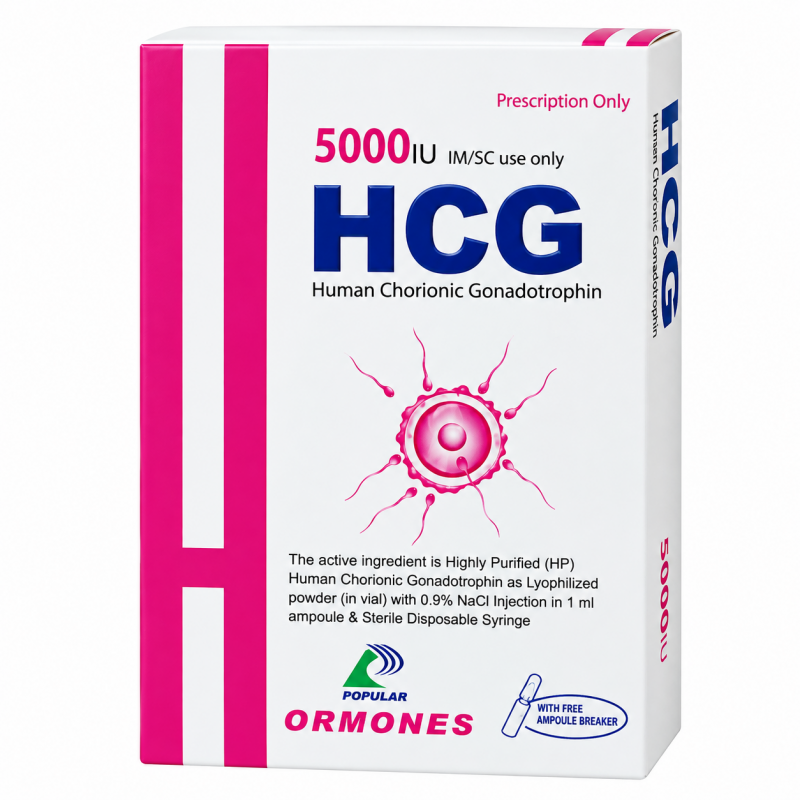
HCG Injection 5000IU
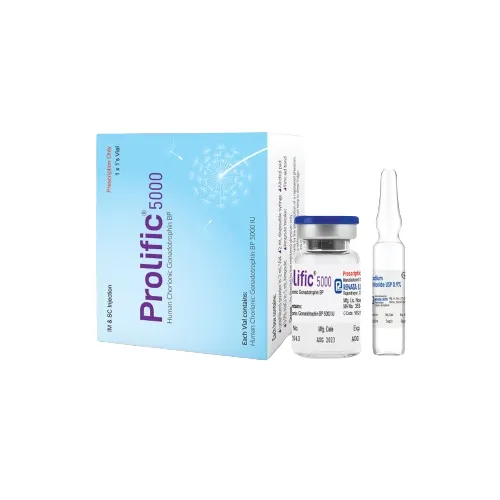
Prolific 5000IU Injection
HCG 10000 IU Injection
More From Popular Pharmaceuticals Ltd.
Popular products from this manufacturer/brand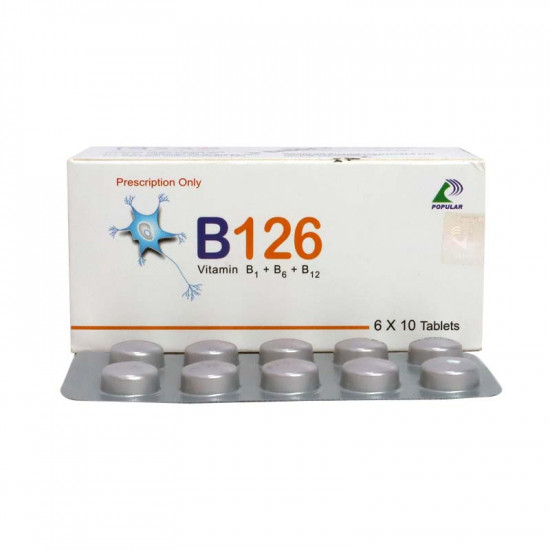
B126 Vitamin B1 + B6 + B12 Tablet 1 Strip
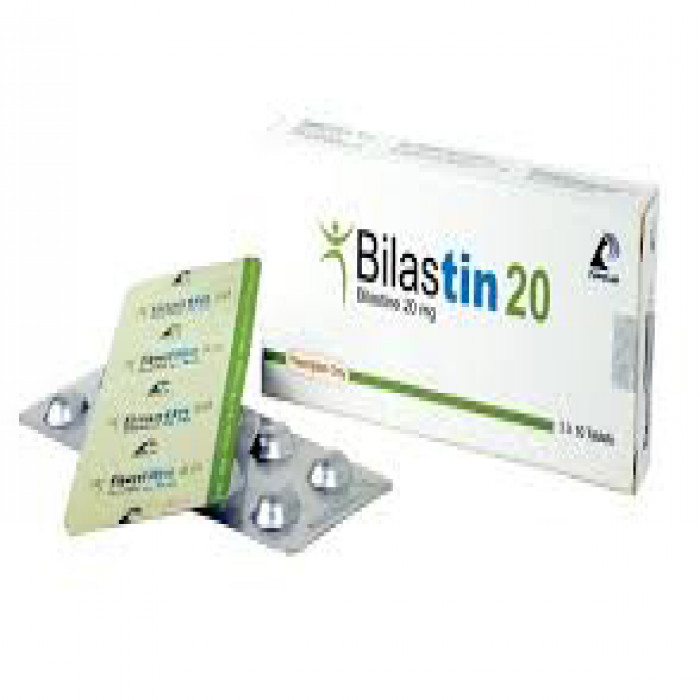
Bilastin 20mg Tablet 10Pcs
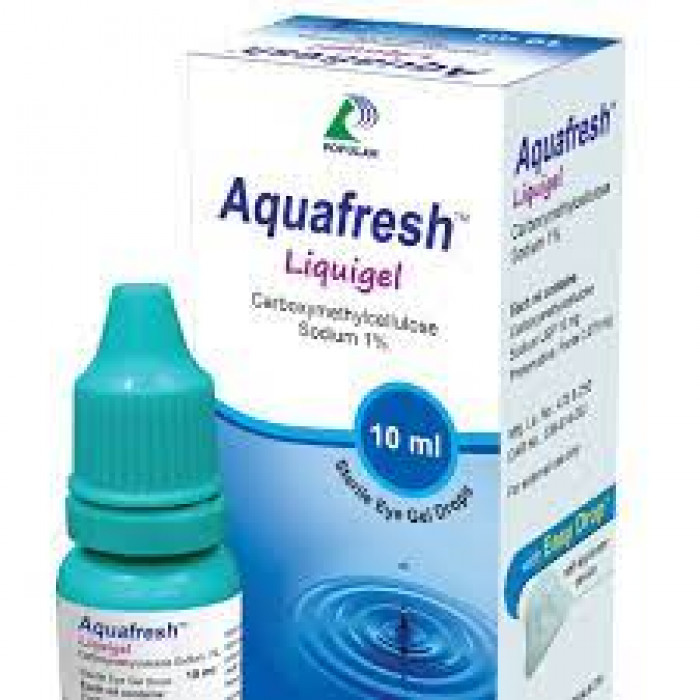
Aquafresh Liquigel Eye Drops 10ml
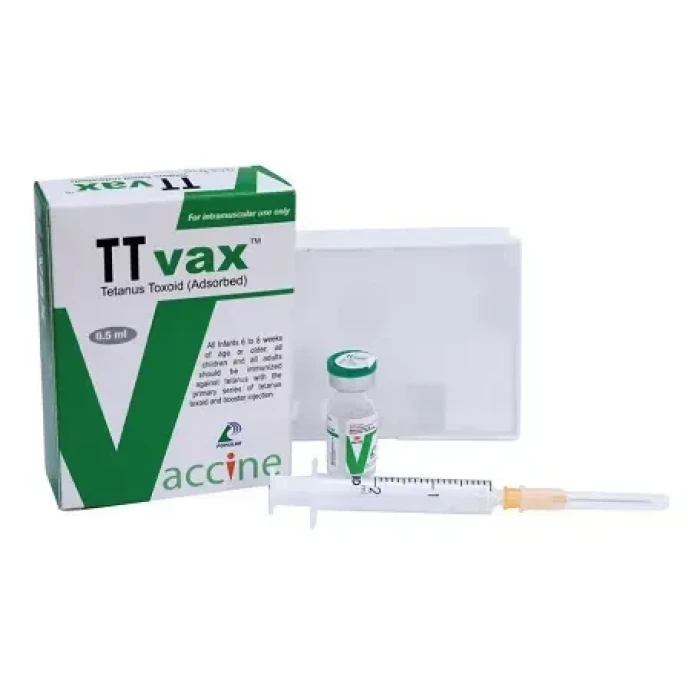
TTvax IM Injection 40IU/0.5ml
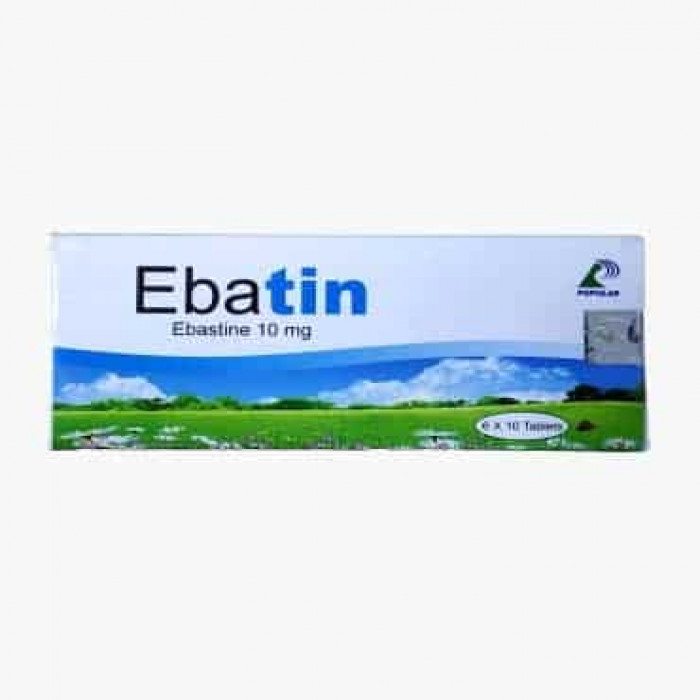
Ebatin 10mg Tablet 10Pcs
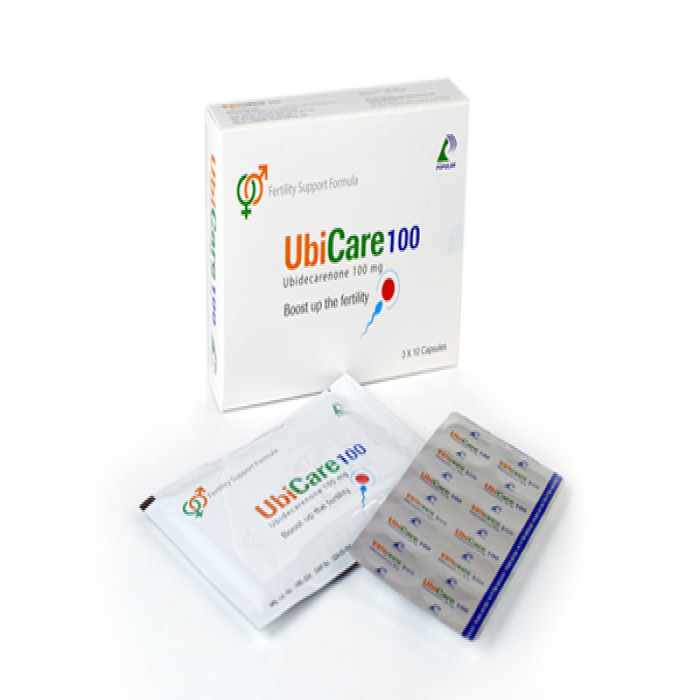
UbiCare 100mg Capsule
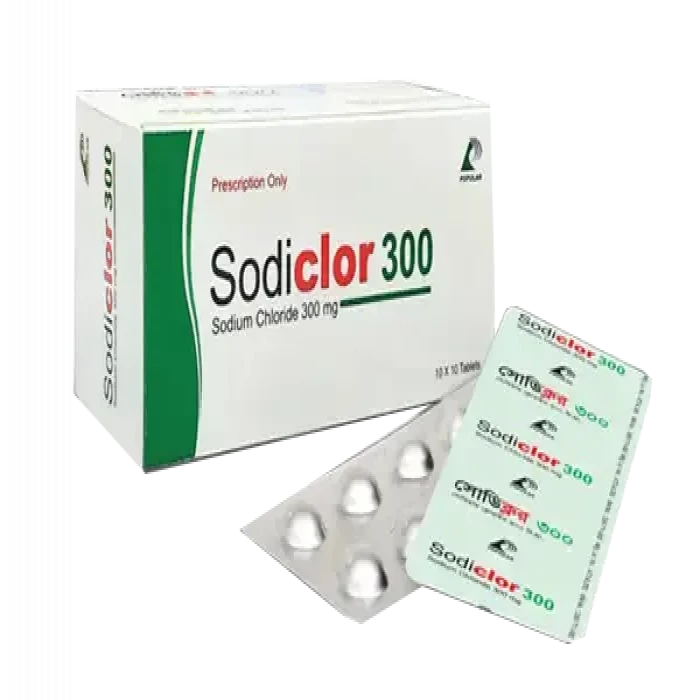
Sodiclor 300mg 10Pcs
Kalcoral-DX | 600mg+400IU | Tablet
Related Posts
✔️ Side Effects
Possible adverse effects include:
- Pain or rash at the injection site
- Generalized rash
- Fever
- Allergic reactions
- Ovarian hyperstimulation syndrome (OHSS) in women
- Breast tenderness
- Abdominal discomfort, nausea, or diarrhea
- Enlargement of the ovaries or ovarian cysts
- Fluid and sodium retention in men receiving high doses
- Increased androgen-related effects
Severe OHSS can cause significant ovarian enlargement, large ovarian cysts, abdominal fluid accumulation, and other serious complications requiring urgent medical attention.
✔️ How hCG Works
hCG has activity similar to luteinizing hormone (LH), which plays an important role in the development and maturation of reproductive cells and the production of sex hormones.
In women, hCG can act in place of the natural mid-cycle LH surge. It stimulates the final maturation of ovarian follicles and triggers ovulation. It can also provide LH-like support during the luteal phase.
In men, hCG stimulates the Leydig cells of the testes, increasing testosterone production and supporting reproductive function.
✔️ Pharmacokinetics
After injection, peak hCG blood levels are generally reached within approximately 6 hours. The hormone is primarily metabolized through the kidneys. Following intramuscular administration, its apparent elimination half-life is approximately 2 days. With recommended treatment schedules, significant accumulation is not generally expected.
✔️ Drug Interactions
No clinically significant drug interactions are well established. Nevertheless, inform your doctor about all medicines, supplements, and fertility treatments you are currently using.
✔️ Pediatric Use
In children, hCG can stimulate androgen production and may result in precocious puberty. Treatment should be discontinued if signs of premature sexual development appear.
✔️ Pregnancy & Lactation
hCG should not be used during pregnancy as a fertility treatment. It is also not recommended during breastfeeding because its use may not be appropriate for the nursing infant or lactating mother.
✔️ Geriatric Use
Clinical studies of injectable chorionic gonadotropin have included limited numbers of adults aged 65 years and above. Use in older patients should therefore be based on individual clinical assessment.
✔️ Contraindications
hCG is contraindicated in patients with known or suspected androgen-dependent tumors, including prostate cancer or male breast cancer. It should not be used in pregnancy or during breastfeeding unless specifically directed by an appropriate specialist according to the product's approved indication.
✔️ Precautions & Warnings
Women receiving gonadotropin treatment may have an increased chance of multiple pregnancy. During fertility treatment, ovarian response should be monitored using ultrasound and, where appropriate, estrogen measurements.
If excessive ovarian stimulation develops, further gonadotropin treatment may need to be stopped and hCG withheld because administering hCG at that stage can increase the risk of OHSS.
Extra caution and medical monitoring are required in patients with:
- Heart failure or cardiovascular disease
- Kidney impairment
- Hypertension
- Epilepsy
- Migraine
- Conditions that may worsen because of increased androgen levels
In boys treated for cryptorchidism, hCG may cause premature sexual development or early closure of the growth plates. Skeletal development should therefore be monitored during treatment.
✔️ Overdose
Urinary gonadotropin preparations have relatively low acute toxicity, and specific symptoms from acute injectable overdose have not been well established. If an excessive dose is administered, medical assessment and supportive management may be required.
✔️ Storage:
- Store at 2–8°C in a refrigerator and do not freeze, or
- Store below 25°C for a single period of no more than 3 months, according to the product's storage instructions.
- Protect from light and moisture.
- Keep out of reach of children.
⚠️Disclaimer:
At ePharma, we’re committed to providing accurate and accessible health information. However, all content is intended for informational purposes only and should not replace medical advice from a qualified physician. Please consult your healthcare provider for personalized guidance. We aim to support, not substitute, the doctor-patient relationship.
📦Pricing Information, Availability:
Product Availability & Pricing Notice
Please note that pricing, availability, and service offerings are subject to change due to: Market fluctuations, Manufacturer or supplier adjustments, Product discontinuation or temporary unavailability, Advertising errors. All orders depend on stock availability and staff resources. If services are provided on a time-and-materials basis, any shared estimates are for planning purposes only.

Reliable
All products displayed on ePharma are procured from govt. approved pharmaceuticals and verified licensed pharmacies from 2016.

Secure
ePharma uses Secure Sockets Layer (SSL) 128-bit 🔒 encryption and is Payment Card Industry DataSecurity Standard (PCI DSS) compliant.

Affordable
Find affordable medicine substitutes, save up to 50% on health products, up to 30% off on doctor consultations.

Social
Providing health care services under the health and beauty category with more than 170K Facebook audience and 10M+ reach.







Get more features!
Download the app now
✓ Doctor consultation ✓ 24/7 helpline