


✔ 100% Authentic Product
👁️ Viewed 827 times
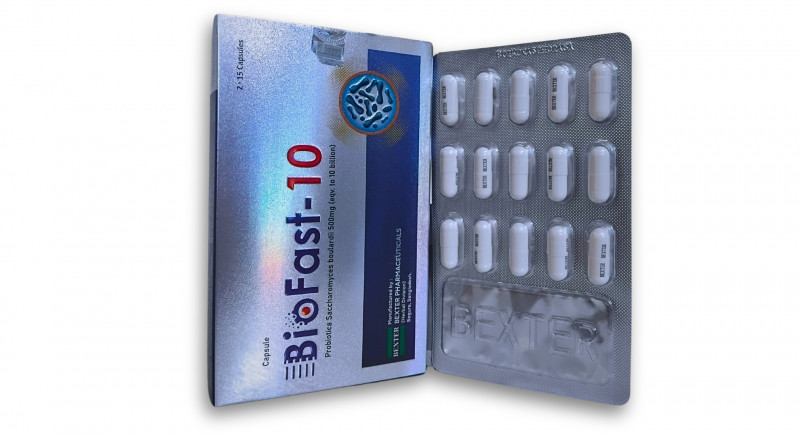
Biofast 10 Billion Capsule
Each capsule contains-
- Lactobacillus acidophilus (2 billion)
- Lactobacillus bulgaricus (1 billion)
- Bifidobacterium bifidum (1 billion) as a 4 billion probiotic combination and
- Fructo-oligosaccharides (100 mg).
Discount Price: ৳ 1,175
MRP:
৳
1250
6%
off

100% Genuine Products, Guaranteed

Safe & Secure Payments, Always

Fast, Secure & Efficient Delivery

Proper Packaging
 Cash on Delivery - All over Bangladesh
 Regular Delivery: 24-48 Hours, Dhaka City* Charge Tk.39-59
- Regular Delivery: 48-96 Hours, Other Cities* Charge Tk.99-125
 ফ্রি ডেলিভারিঃ - ১৪৯৯ টাকা+ অর্ডারে, ঢাকা
শহরে
ফ্রি ডেলিভারিঃ - ১৪৯৯ টাকা+ অর্ডারে, ঢাকা
শহরে- ফ্রি ডেলিভারিঃ - ৪৯৯৯ টাকা+ অর্ডারে, ঢাকার
বাহিরে
📲 মোবাইল অ্যাপ অর্ডারে সাশ্রয় বেশী
-
Google Play Store থেকে ডাউনলোড
-
Apple Store থেকে ডাউনলোড
100% Genuine Products, Guaranteed
Safe & Secure Payments, Always
Fast, Secure & Efficient Delivery
Proper Packaging
- Cash on Delivery - All over Bangladesh
- Regular Delivery: 24-48 Hours, Dhaka City* Charge Tk.39-59
- Regular Delivery: 48-96 Hours, Other Cities* Charge Tk.99-125
- ফ্রি ডেলিভারিঃ - ১৪৯৯ টাকা+ অর্ডারে, ঢাকা
শহরে
- ফ্রি ডেলিভারিঃ - ৪৯৯৯ টাকা+ অর্ডারে, ঢাকার
বাহিরে
- Google Play Store থেকে ডাউনলোড
- Apple Store থেকে ডাউনলোড
📲 মোবাইল অ্যাপ অর্ডারে সাশ্রয় বেশী
✅ Description:
Probiotics are defined as live microorganisms, including Lactobacillus species, Bifidobacterium species, and yeasts, which may beneficially affect the host upon ingestion by improving the balance of the intestinal microflora.
Lactobacillus acidophilus is one of the several bacteria in the genus Lactobacillus. It gets its name from lacto, meaning milk, bacillus, meaning rod-like in shape and acidophilus, meaning acid-loving. L. acidophilus occurs naturally in a variety of foods, including dairy, grain, meat and fish. It is also present in human (and animal) intestines, mouths and vaginas. These types of healthy bacteria inhabit in the intestines and vaginas and protect against some unhealthy organisms.
Lactobacillus bulgaricus is one of several bacteria used for the production of yogurt. First identified in 1905 by the Bulgarian doctor Stamen Grigorov, it is named after Bulgaria. Morphologically, it is a gram-positive rod that may appear long and filamentous. It is also non-motile and it does not form spores. The bacterium feeds on milk and produces lactic acid which also helps to preserve the milk. It breaks down lactose and is often helpful to sufferers of lactose intolerance, whose digestive systems lack the enzymes to break down lactose to simpler sugars. While fermenting milk, Lactobacillus bulgaricus produces acetaldehyde, which perfumes yogurt.
Bifidobacteria are normal inhabitants of the human and animal colon. Newborns, especially those that are breast-fed, are colonized with bifidobacteria within days after birth. Bifidobacteria were first isolated from the feces of breast-fed infants. They are gram-positive anaerobes, non-motile, non spore forming and catalase-negative. Their name is derived from the observation that they often exist in a 'Y'-shaped or bifid form. To date 30 species of bifidobacteria have been isolated.
1 or 2 probiotics capsules 3 times daily or as directed by the physician.
The use of probiotics is not advised in patients at risk of opportunistic infections and in those with badly damaged GI tracts.
Probiotics are unlikely to reach the systemic circulation of the fetus & therefore are unlikely to cause harm. Probiotics are unlikely to be transferred into breast milk.

Relevant Products
Same generic alternatives, ranked by customer interest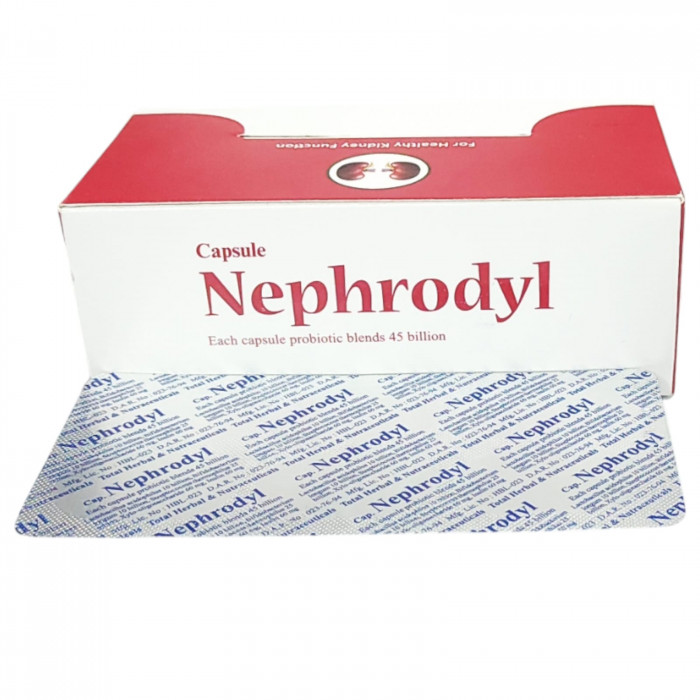
Nephrodyl 45 Billion
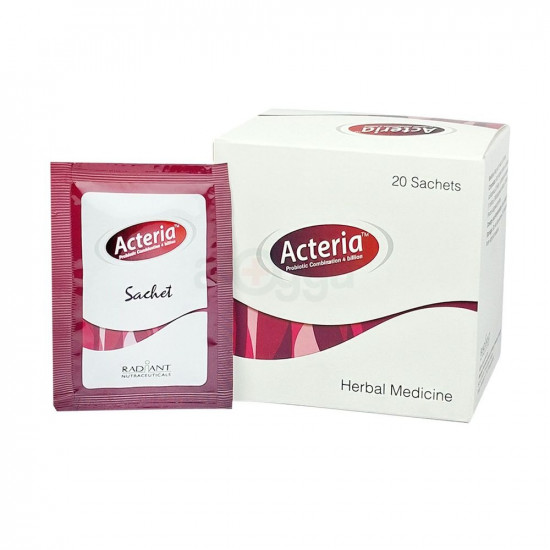
Acteria Sachet 4 Billion
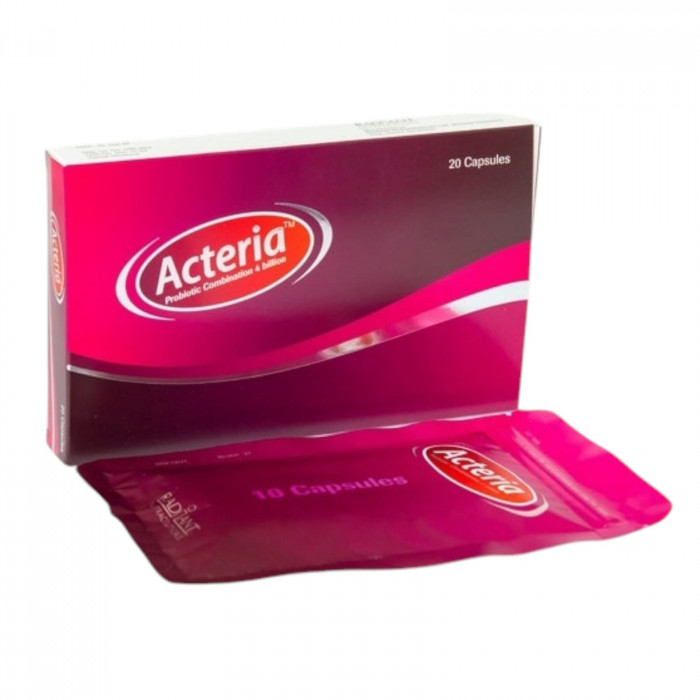
Acteria Capsule 4 Billion
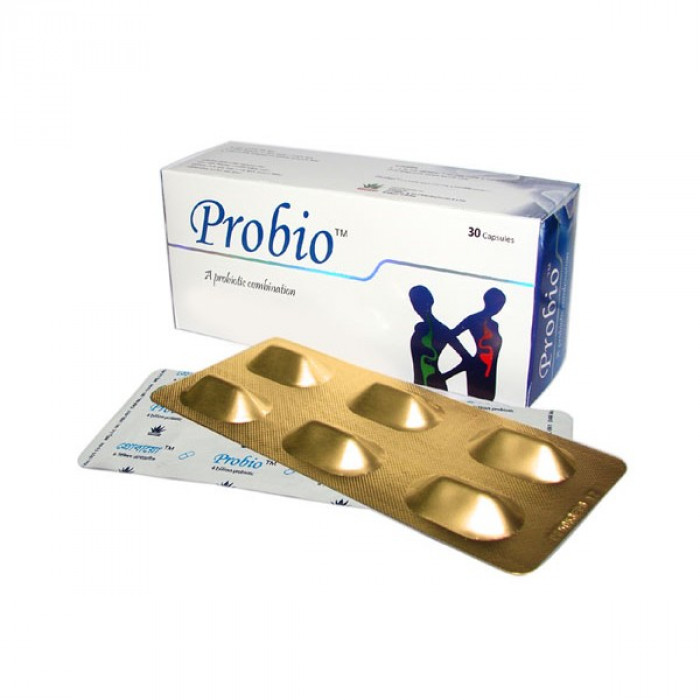
Probio Capsule
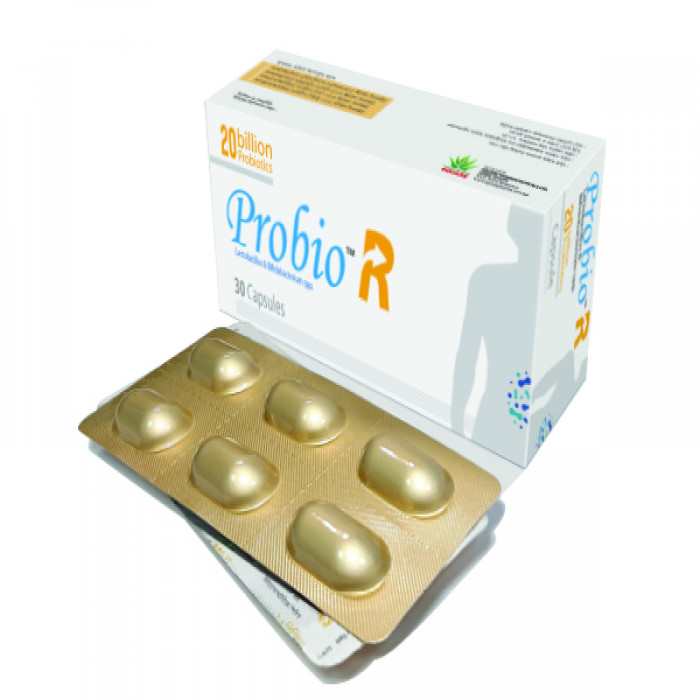
Probio R Capsule 20 Billion
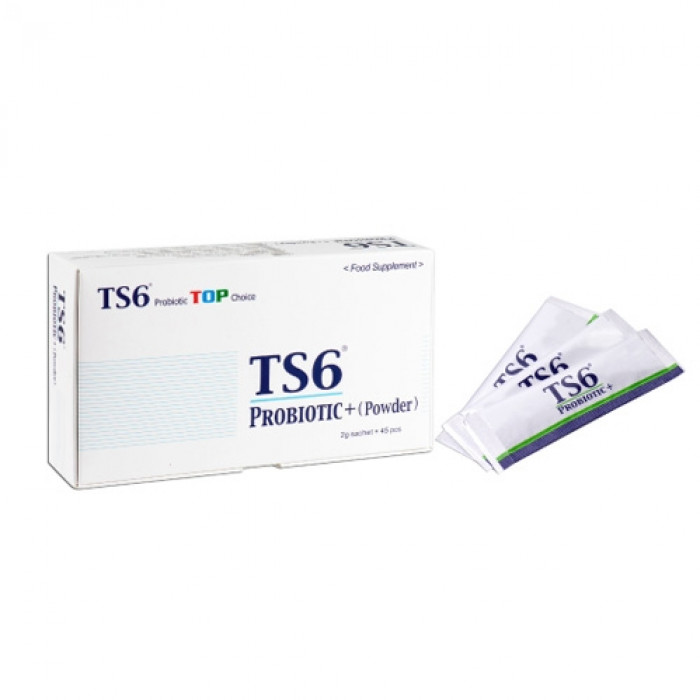
TS6 Probiotic+ Powder-45pcs Sachets

GOODGUT Capsule 4 Billion
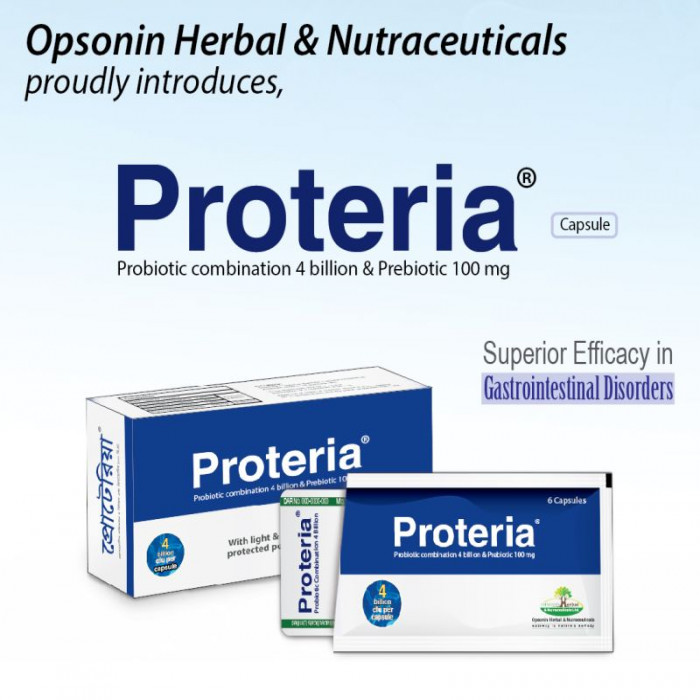
Proteria Capsule
More From Bexter Herbal & Nutraceuticals
Popular products from this manufacturer/brand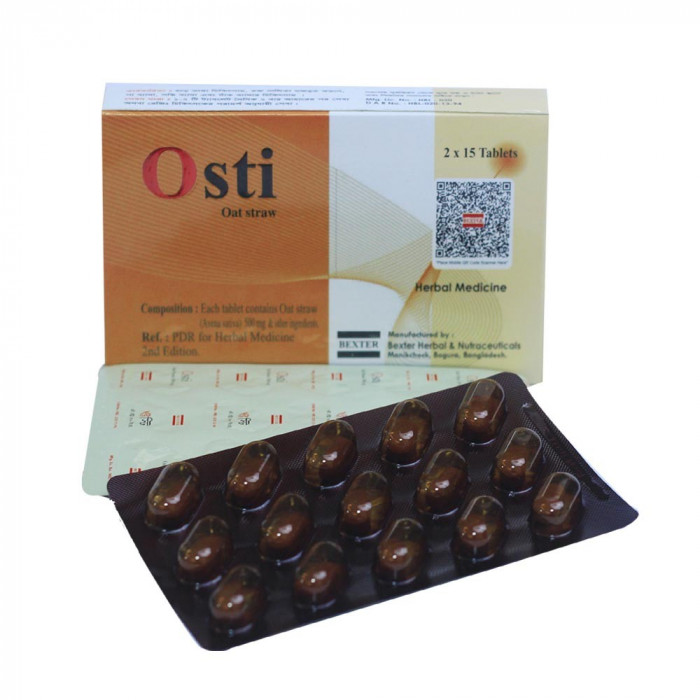
Osti 500mg Tablet 15pcs
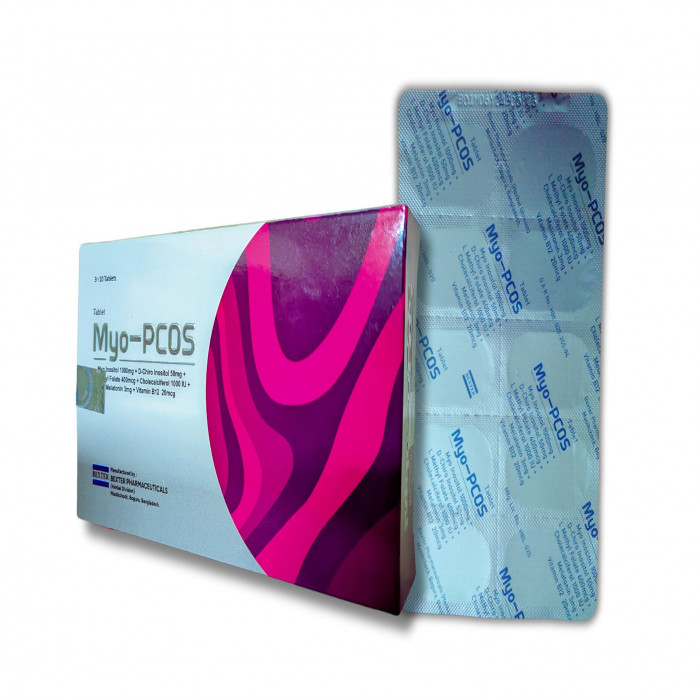
MYO-PCOS Tablet 1 Strip
Respid 25mg
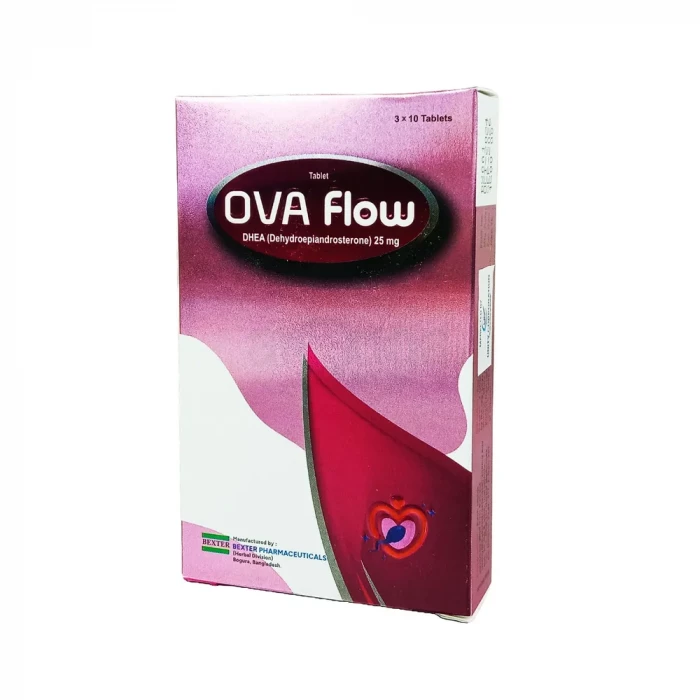
Ova Flow Tablet 1 Strip
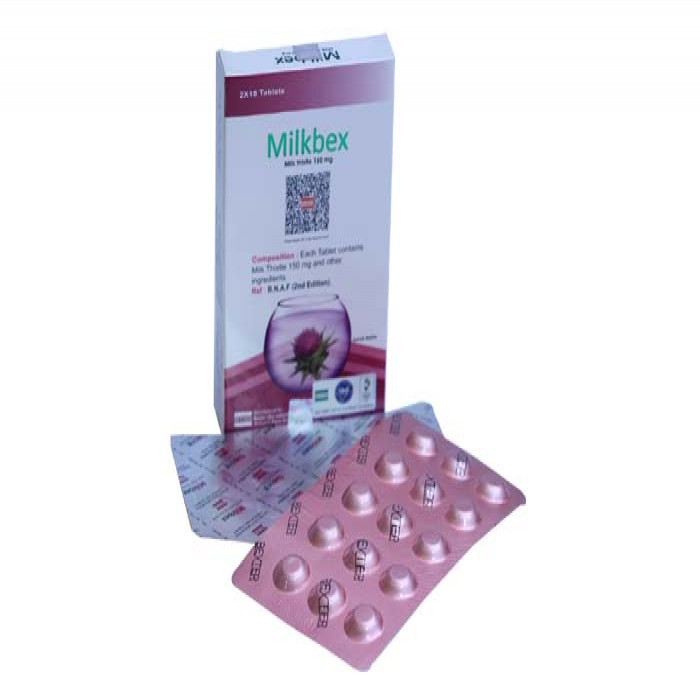
Milkbex 150mg Tablet 1 Strip
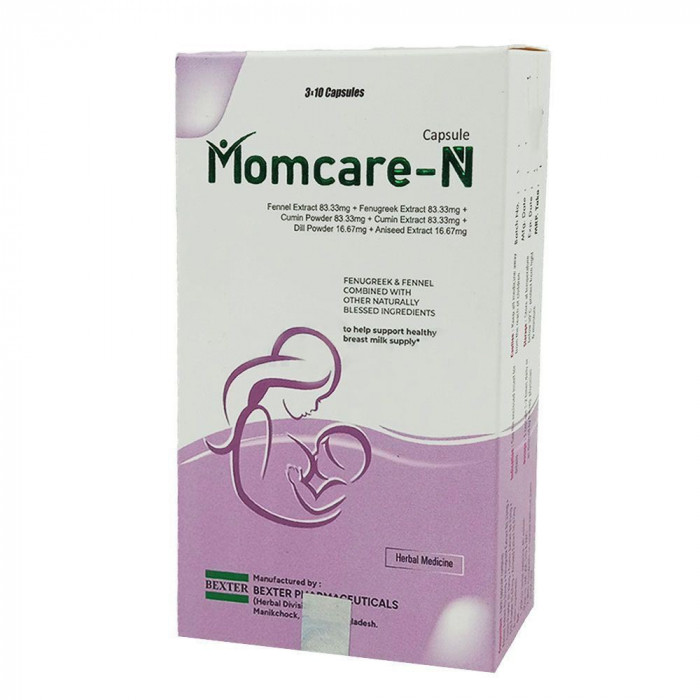
Momcare N Capsule 1 Strip
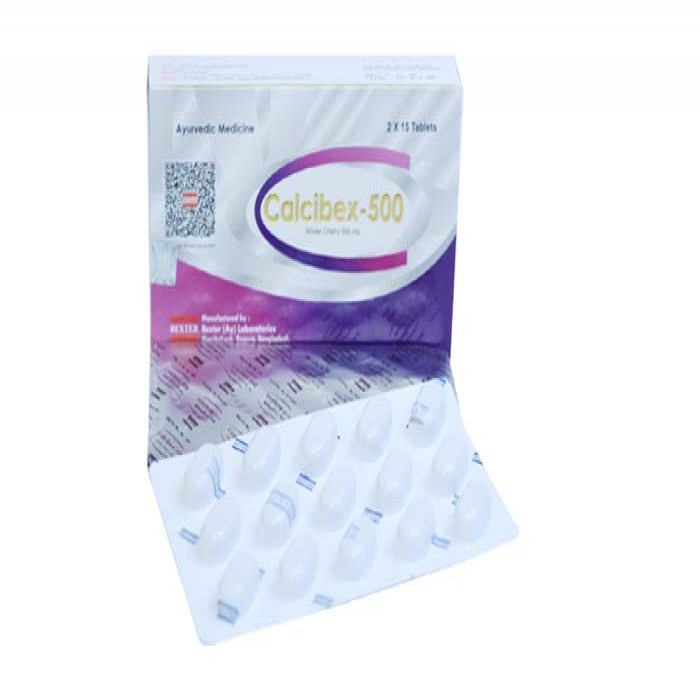
Calcibex 500mg Tablet
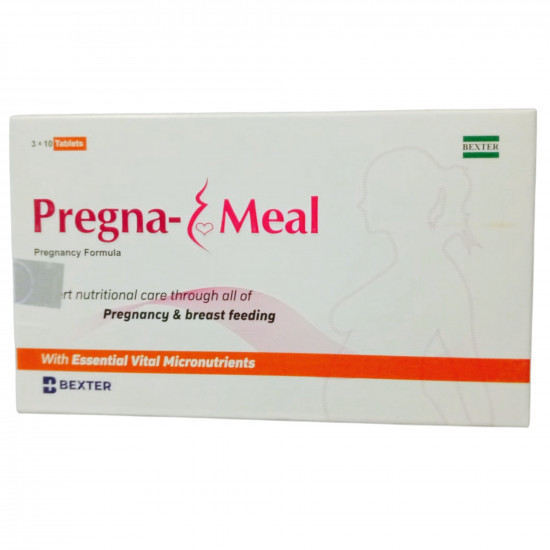
Pregna Meal Tablet
✔️ This is indicated in the following indications-
- Diarrhea
- Digestive discomfort
- Lactose intolerance
- Vaginal infection
- Antibiotic-associated diarrhea
✔️ Storage:
Store below 25ºC, dry place and away from direct sunlight. Keep out of reach of children.
⚠️Disclaimer:
At ePharma, we’re committed to providing accurate and accessible health information. However, all content is intended for informational purposes only and should not replace medical advice from a qualified physician. Please consult your healthcare provider for personalized guidance. We aim to support, not substitute, the doctor-patient relationship.
📦Pricing Information, Availability:
Product Availability & Pricing Notice
Please note that pricing, availability, and service offerings are subject to change due to: Market fluctuations, Manufacturer or supplier adjustments, Product discontinuation or temporary unavailability, Advertising errors. All orders depend on stock availability and staff resources. If services are provided on a time-and-materials basis, any shared estimates are for planning purposes only.



Reliable
All products displayed on ePharma are procured from govt. approved pharmaceuticals and verified licensed pharmacies from 2016.

Secure
ePharma uses Secure Sockets Layer (SSL) 128-bit 🔒 encryption and is Payment Card Industry DataSecurity Standard (PCI DSS) compliant.

Affordable
Find affordable medicine substitutes, save up to 50% on health products, up to 30% off on doctor consultations.

Social
Providing health care services under the health and beauty category with more than 170K Facebook audience and 10M+ reach.







Get more features!
Download the app now
✓ Doctor consultation ✓ 24/7 helpline