How to Make ORS Correctly: Child Diarrhoea, Dehydration & Common Mistakes
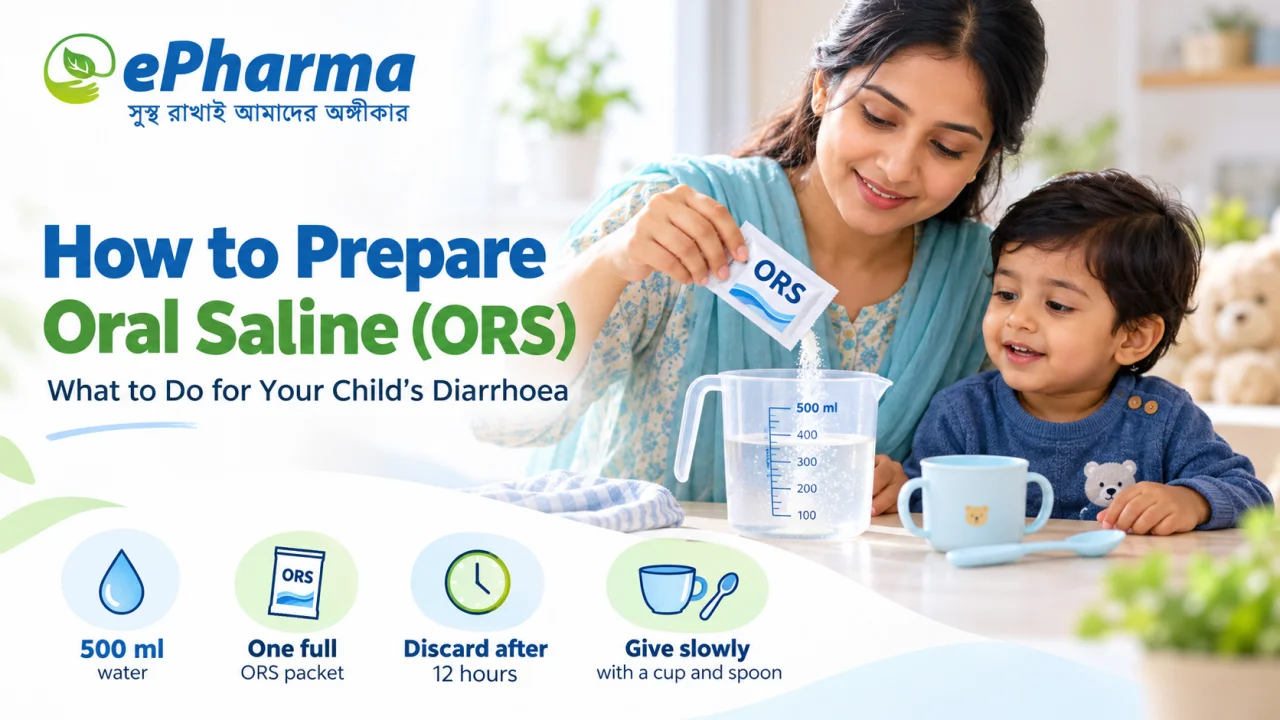
Learn the correct ORS packet-to-water ratio, safe preparation, the 12-hour rule, child dehydration signs, rotavirus diarrhoea and when urgent care is needed.
“Would stronger ORS work faster?”—that is exactly the kind of mistake that can make childhood diarrhoea more dangerous. ORS works because the water-to-powder ratio is precise. Too little water can make the solution overly concentrated; too much water can make it ineffective.
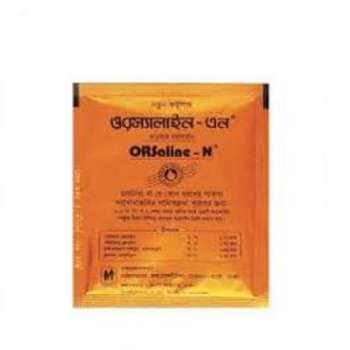
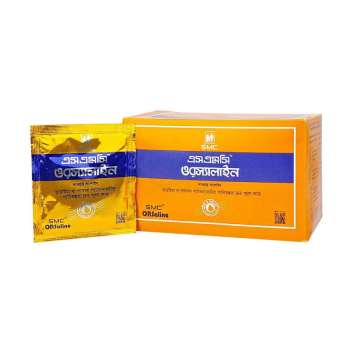
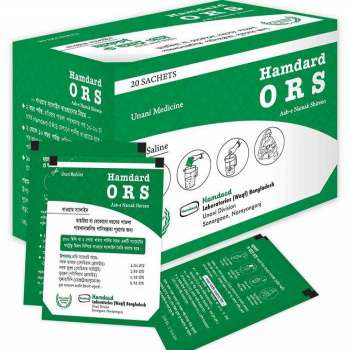
For the common Bangladesh ORS packet designed for 500 ml water, mix the entire packet into exactly 500 ml of safe water. But packet sizes vary, so the rule that matters most is simple: follow the water volume printed on your own packet.
How to make ORS correctly
- Wash your hands with soap.
- Use a clean container and measure the exact amount of safe water stated on the packet. Many Bangladesh packets are designed for 500 ml.
- Add the entire packet. Do not split the powder by guesswork.
- Stir until fully dissolved.
- Give small, frequent sips by cup and spoon. If the child vomits, pause briefly and restart more slowly.
- For common Bangladesh packet guidance, discard any remaining prepared solution after 12 hours and make a fresh batch if needed.
Important: if your packet says 1 litre, use 1 litre. Do not apply the 500 ml rule to every ORS packet.
Mistakes to avoid
| Mistake | Why it matters |
|---|---|
| Using too little water for a full packet | The solution can become too concentrated and raise sodium dangerously |
| Splitting a packet by eye | You cannot be sure the salt-glucose ratio remains correct |
| Mixing with hot water or boiling prepared ORS | Not consistent with packet instructions; boil water first if needed, then cool before mixing |
| Adding milk, juice, soft drinks or extra sugar | Changes the intended composition |
| Giving a large amount quickly | Can trigger vomiting; small frequent sips are better tolerated |
| Keeping old prepared ORS | Contamination risk increases; follow the packet discard time |
Why can incorrectly mixed ORS be dangerous?
Overly concentrated ORS can raise blood sodium, causing hypernatremia. Severe hypernatremia can lead to seizures, altered consciousness and kidney complications. Bangladesh hospital reporting has documented children with high sodium in the context of incorrect ORS preparation.
What does ORS actually do?
ORS does not stop diarrhoea. It replaces water and electrolytes lost through loose stools and helps prevent or treat dehydration. WHO diarrhoea care emphasizes low-osmolarity ORS, continued feeding and continued breastfeeding.
- Continue breastfeeding.
- Continue age-appropriate normal food as tolerated.
- Do not self-start anti-diarrhoeal medicines or antibiotics.
- Zinc is used as adjunctive therapy in childhood diarrhoea, but the treatment plan should follow clinician or pharmacist guidance.
Why is childhood diarrhoea often worse in cooler months?
Rotavirus gastroenteritis commonly peaks in cooler months and can affect young children heavily. Because rotavirus is viral, routine antibiotics do not treat it. The priorities are preventing dehydration, continuing feeding and watching for danger signs.
Seasonal case counts change from year to year, so this guide focuses on evergreen care principles rather than fixed outbreak numbers.
How should you give ORS to a child?
- Offer small, frequent sips using a cup and spoon.
- If the child vomits, pause briefly and restart more slowly.
- Continue breastfeeding.
- If the child cannot keep fluids down or has repeated vomiting, seek medical assessment.
- The amount needed depends on age, weight, dehydration status and clinical guidance; this article does not provide a fixed child dose.
What if no ORS packet is available?
Commercial ORS is preferred. If no packet is available, a temporary home solution commonly used is 1 litre of clean water + 6 level teaspoons of sugar + ½ level teaspoon of salt. The spoons must be level; too much salt can be dangerous. Switch to standard ORS as soon as it is available.
Signs of dehydration in a child
| What you may notice | What to do |
|---|---|
| Dry mouth, increased thirst, less urine | Continue ORS/feeding and seek clinical advice |
| Sunken eyes, unusual irritability or weakness | Prompt medical review |
| Unable to drink, very lethargic, difficult to wake, seizure | Urgent hospital care |
When should you go to hospital urgently?
- the child cannot drink or vomits everything
- repeated vomiting prevents ORS staying down
- markedly reduced urination, sunken eyes or significant lethargy
- seizure or altered consciousness
- blood in the stool
- breathing difficulty, severe weakness or rapidly worsening condition
- diarrhoea in a very young infant or when close observation at home is not possible
Does a child with diarrhoea need antibiotics?
Routine self-treatment with antibiotics is not appropriate for acute watery diarrhoea. WHO’s newer guideline advises against routine antibiotic use for acute watery diarrhoea; blood in stool requires clinical assessment because treatment decisions may differ.
How to reduce diarrhoea risk
- wash hands with soap before preparing food and after cleaning stool/diapers
- use safe water
- keep cups, spoons and feeding utensils clean
- continue breastfeeding
- prepare food hygienically when someone in the household has diarrhoea
- keep ORS packets and a reliable measuring container at home
Common myths
| Myth | Reality |
|---|---|
| “Stronger ORS works faster.” | Wrong. An overly concentrated solution can raise sodium dangerously. |
| “ORS stops diarrhoea.” | No. ORS helps prevent and treat dehydration. |
| “Stop feeding during diarrhoea.” | Breastfeeding and age-appropriate feeding should continue. |
| “Every case needs antibiotics.” | No. Viral diarrhoea does not respond to antibiotics, and routine self-use is inappropriate. |
| “Half a packet with half the water is always fine.” | Do not split by guesswork; use the full packet with the exact water volume on the label. |
Frequently asked questions
How do you prepare ORS correctly?
Mix the full packet into exactly the amount of safe water printed on the label. For common Bangladesh 500 ml packets, use 500 ml of water.
Can I mix half a packet into a smaller amount of water?
Do not divide the powder by guesswork. An incorrect concentration can cause serious electrolyte problems.
How long can prepared ORS be kept?
For common Bangladesh packet instructions, discard after 12 hours. Follow your own packet label if it differs.
Can ORS be made with hot water?
No. If water needs boiling, boil it first and let it cool before mixing. Do not boil the prepared solution.
Should breastfeeding stop during diarrhoea?
No. Continue breastfeeding and give ORS as needed.
Does ORS stop diarrhoea?
No. ORS replaces lost fluid and electrolytes; the cause of diarrhoea may need separate management.
How do I make a temporary homemade solution if no packet is available?
Use 1 litre of clean water with 6 level teaspoons of sugar and ½ level teaspoon of salt. Use standard ORS as soon as available.
Which warning signs need hospital care?
Inability to drink, repeated vomiting, very low urine output, sunken eyes, marked lethargy, seizure, blood in stool or rapidly worsening illness need urgent assessment.
Sources
- Bangladesh reporting on icddr,b ORS-preparation research and packet instructions.
- WHO — Guideline on management of pneumonia and diarrhoea in children up to 10 years of age.
- WHO — Diarrhoeal disease fact sheet.
- Médecins Sans Frontières — diarrhoea/ORS guidance.
- Rehydration Project — homemade oral rehydration solution.
This article is for general health information. Always follow the ORS packet label. Seek medical care for dehydration, repeated vomiting, blood in stool or serious warning signs. Do not start zinc, antibiotics or other medicines for a child without clinician or pharmacist guidance.
[executed on device: Aziz-MacBook.local (e21e2c25-9602-4c8d-b57a-8ddf9e985cd7)]
Related Products