


✔ 100% Authentic Product
👁️ Viewed 1647 times
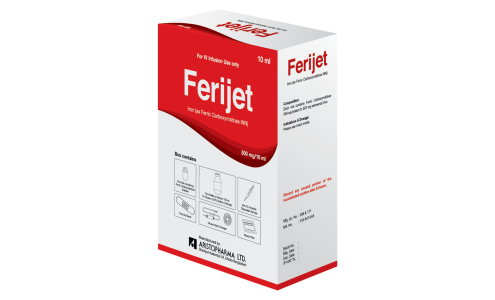
Ferijet 500mg IV Injection or Infusion 10ml vial
Ferijet is a colloidal iron (III) hydroxide in complex with Carboxymaltose, a Carbohydrate polymer that releases iron.
Discount Price: ৳ 686
MRP:
৳
700
2%
off

100% Genuine Products, Guaranteed

Safe & Secure Payments, Always

Fast, Secure & Efficient Delivery

Proper Packaging
 Cash on Delivery - All over Bangladesh
 Regular Delivery: 24-48 Hours, Dhaka City* Charge Tk.39-59
- Regular Delivery: 48-96 Hours, Other Cities* Charge Tk.99-125
 ফ্রি ডেলিভারিঃ - ১৪৯৯ টাকা+ অর্ডারে, ঢাকা
শহরে
ফ্রি ডেলিভারিঃ - ১৪৯৯ টাকা+ অর্ডারে, ঢাকা
শহরে- ফ্রি ডেলিভারিঃ - ৪৯৯৯ টাকা+ অর্ডারে, ঢাকার
বাহিরে
📲 মোবাইল অ্যাপ অর্ডারে সাশ্রয় বেশী
-
Google Play Store থেকে ডাউনলোড
-
Apple Store থেকে ডাউনলোড
100% Genuine Products, Guaranteed
Safe & Secure Payments, Always
Fast, Secure & Efficient Delivery
Proper Packaging
- Cash on Delivery - All over Bangladesh
- Regular Delivery: 24-48 Hours, Dhaka City* Charge Tk.39-59
- Regular Delivery: 48-96 Hours, Other Cities* Charge Tk.99-125
- ফ্রি ডেলিভারিঃ - ১৪৯৯ টাকা+ অর্ডারে, ঢাকা
শহরে
- ফ্রি ডেলিভারিঃ - ৪৯৯৯ টাকা+ অর্ডারে, ঢাকার
বাহিরে
- Google Play Store থেকে ডাউনলোড
- Apple Store থেকে ডাউনলোড
📲 মোবাইল অ্যাপ অর্ডারে সাশ্রয় বেশী
✅ Description:
Ferijet injection is indicated for the treatment of iron deficiency anemia in adult patients:
- who have intolerance to oral iron or have had an unsatisfactory response to oral iron.
- who have non-dialysis-dependent chronic kidney disease.
The posology of Ferric Carboxymaltose follows a stepwise approach:
- determination of the individual iron need
- calculation and administration of the iron dose(s)
- post-iron repletion assessments.
Step 1: Determination of the iron need: The individual iron need for repletion using Fematos is determined based on the patient's body weight and haemoglobin (Hb) level. The following list for determination of the iron need:
Hb <10 g/dl
- Below 35 kg: 500 mg
- 35 kg to <70 kg: 1500 mg
- 70 kg and over: 2000 mg
Hb 10 to 14 g/dl
- below 35 kg: 500 mg
- 35 kg to <70 kg: 1000 mg
- 70 kg and over: 1500 mg
Hb >14 g/dl
- Below 35 kg: 500 mg
- 35 kg to <70 kg: 500 mg
- 70 kg and over: 500 mg
Step 2: Calculation and administration of the maximum individual iron dose(s): Based on the iron need determined above, the appropriate dose(s) of Ferric Carboxymaltose should be administered, taking into consideration the following:
A single Ferric Carboxymaltose administration should not exceed:
- 15 mg iron/kg body weight (for administration by intravenous injection) or 20 mg iron/kg body weight (for administration by intravenous infusion)
- 1,000 mg of iron (20 mL Ferric Carboxymaltose)
- The maximum recommended cumulative dose of Ferric Carboxymaltose is 1000 mg of iron per week.
Step 3: Post-iron repletion assessments: Re-assessment should be performed by the clinician based on the individual patient's condition. The Hb level should be re-assessed no earlier than 4 weeks post final Ferric Carboxymaltose administration to allow adequate time for erythropoiesis and iron utilisation. In the event the patient requires further iron repletion, the iron need should be recalculated using the above list.
The use of Ferric Carboxymaltose is contraindicated in cases of:
- hypersensitivity to the active substance, to Ferric Carboxymaltose or any of its excipients
- known serious hypersensitivity to other parenteral iron products
- anaemia not attributed to iron deficiency, e.g. other microcytic anaemia
- evidence of iron overload or disturbances in the utilisation of iron
The side effects of Ferijet are infrequent, usually mild & generally do not cause patients to stop treatment.
The most common side effect: nausea, followed by headache, dizziness, and hypertension, injection site reactions, nausea, alanine aminotransferase increased, hypophosphataemia.
Uncommon side effects: hypersensitivity, dysgeusia, tachycardia, hypotension, flushing, dyspnoea, dyspepsia, abdominal pain, constipation, diarrhea, Pruritus, urticaria, erythema, rash, myalgia, back pain, arthralgia, muscle spasms, Pyrexia, fatigue, chest pain, oedema peripheral, chills, aspartate aminotransferase increased, gamma glutamyl transferase increased, blood lactate dehydrogenase increased, blood alkaline phosphatase increased.
Rare side effects: anaphylactoid reactions, loss of consciousness, anxiety, phlebitis, syncope, presyncope, bronchospasm, flatulence, angioedema, pallor, and face oedema, rigors, malaise, influenza-like illness.
There are no adequate and well-controlled trials of Ferric Carboxymaltose in pregnant women. A careful benefit/risk evaluation is required before use during pregnancy, and Ferric Carboxymaltose should not be used during pregnancy unless clearly necessary. Animal data suggest that iron released from Ferric
Carboxymaltose can cross the placental barrier and that its use during pregnancy may influence skeletal development in the fetus. Treatment with Ferric Carboxymaltose should be confined to the second and third trimester if the benefit is judged to outweigh the potential risk for both the mother and the fetus. Based on limited data on breast-feeding women, it is unlikely that Ferric Carboxymaltose represents a risk to the breast-fed child.
Serious hypersensitivity reactions, including anaphylactic-type reactions, some of which have been life-threatening and fatal, have been reported in patients receiving Ferijet. Patients may present with shock, clinically significant hypotension, loss of consciousness, and collapse. Monitor patients for signs and symptoms of hypersensitivity during and after Ferijet administration for at least 30 minutes and until clinically stable following completion of the infusion. Only administer Ferijet when personnel and therapies are immediately available for the treatment of serious hypersensitivity reactions. Other serious or severe adverse reactions potentially associated with hypersensitivity which include, but are not limited to, pruritus, rash, urticaria, wheezing, or hypotension may occur.
Hypertension: Transient elevations in systolic blood pressure, sometimes occurring with facial flushing, dizziness, or nausea, may occur. These elevations generally occur immediately after dosing and resolve within 30 minutes. Monitor patients for signs and symptoms of hypertension following each Ferijet administration.
Laboratory Test Alterations: In the 24 hours following administration of Ferijet, laboratory assays may overestimate serum iron and transferrin-bound iron by also measuring the iron in Ferijet.
Patients with haemodialysis-dependent chronic kidney disease: A single maximum daily injection dose of 200 mg iron should not be exceeded in haemodialysis-dependent chronic kidney disease patients.
Paediatric population: The use of Ferijet has not been studied in children, and therefore is not recommended in children under 14 years.
Store in a cool (below 30°C) & dry place, away from light. Do not freeze. Keep out of the reach of children.

Relevant Products
Same generic alternatives, ranked by customer interest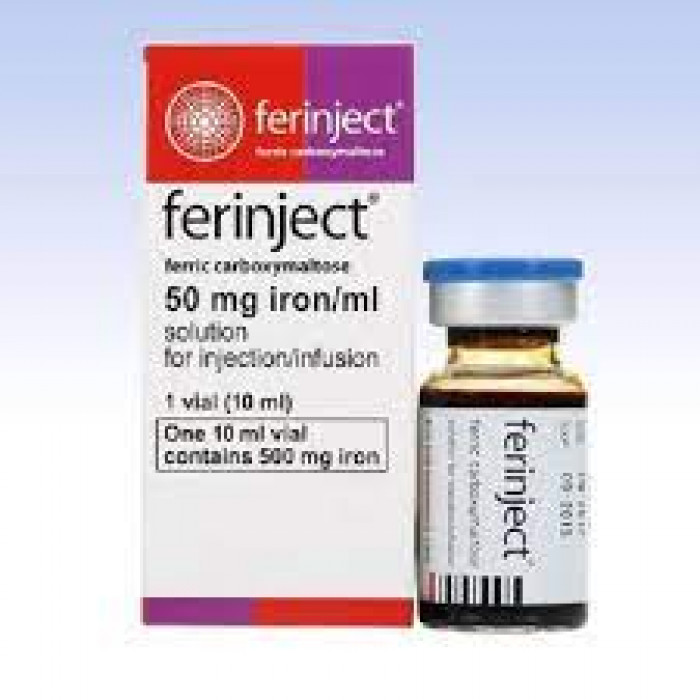
Ferinject IV Injection or Infusion 500mg/10ml
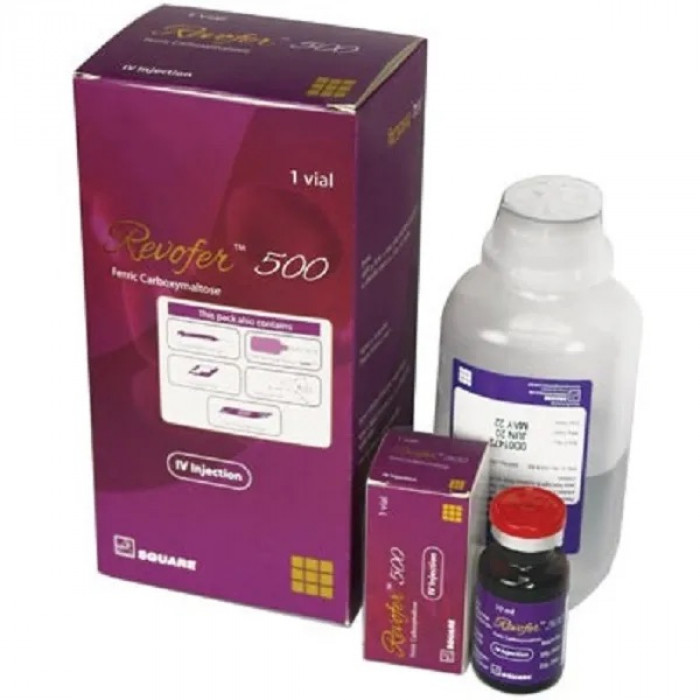
Revofer 500mg/10ml Injection
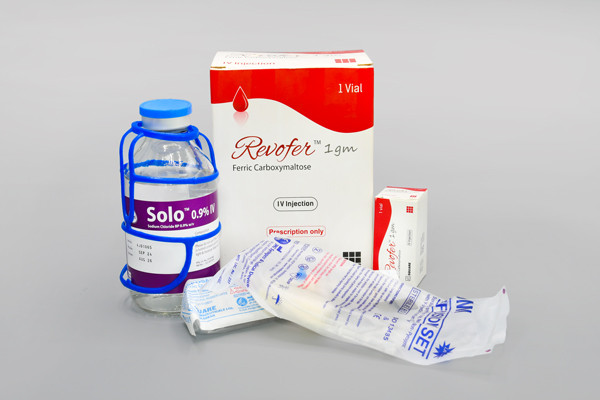
Revofer 1000mg/20ml Injection
More From Aristopharma Limited
Popular products from this manufacturer/brand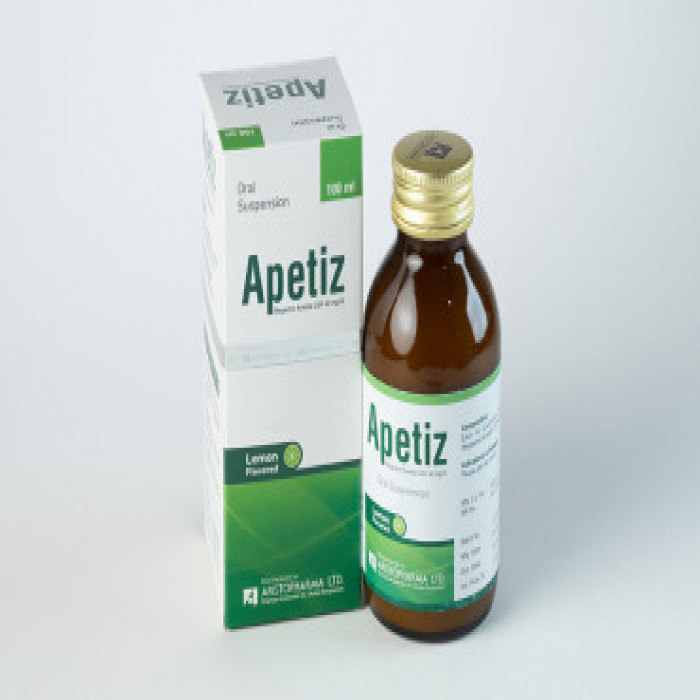
Apetiz Syrup 200ml
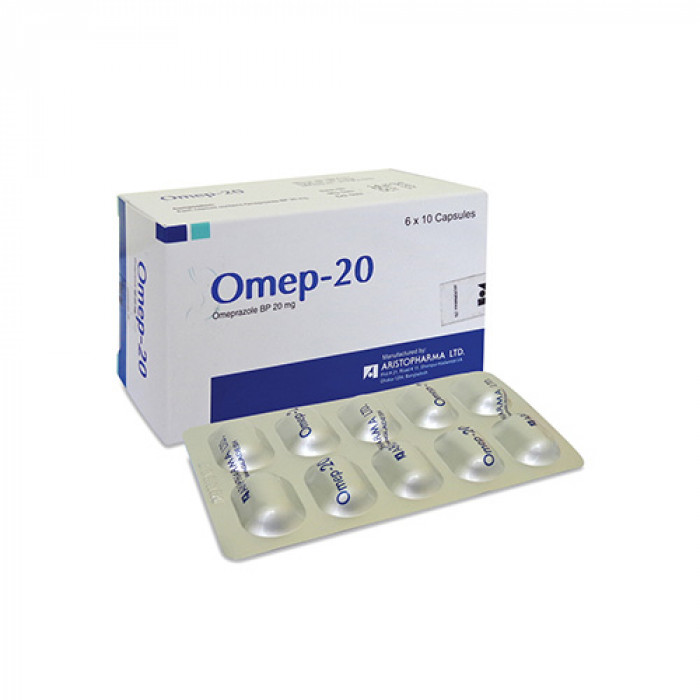
Omep 20mg Capsule 1 Strip
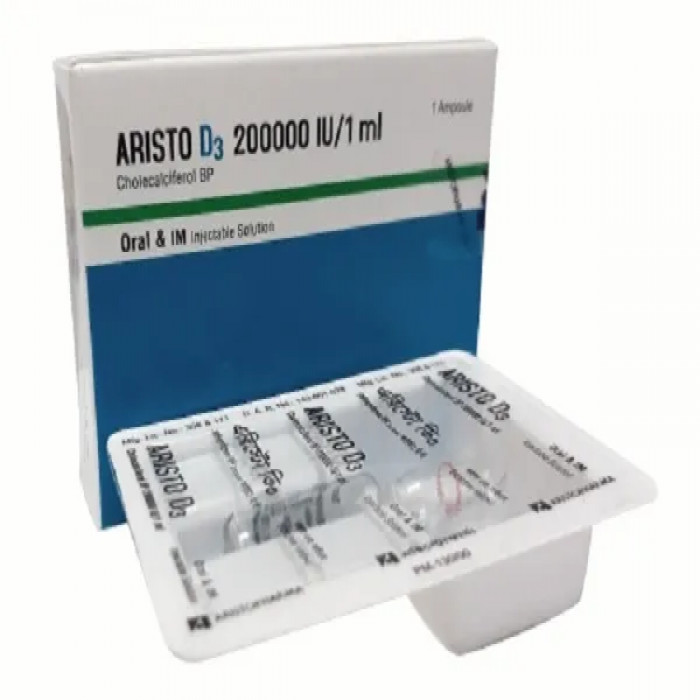
Aristo D3 200000 IU/1ml Injection
Goodbac 3S 4Billion Capsule 1 Strip
Audicare 0.3%+1%+0.025%+2% Ear Drops 10ml
Aristo Gold Tablet (30pcs Pot)
Cutin 5mg Capsule 10pcs
Wikijet 2.5mg/0.5ml Pre-Filled Syringe
কীভাবে অর্ডার করবেন?How to Order?
How to Orderওয়েবসাইট থেকে অর্ডার করার সহজ ভিডিও গাইড।
অ্যাপ থেকে অর্ডারের সহজ ভিডিও গাইড
অ্যাপ ডাউনলোডDownload ePharma App বিস্তারিত গাইড ›Detailed App Ordering GuideRelated Posts



⚠️Disclaimer:
At ePharma, we’re committed to providing accurate and accessible health information. However, all content is intended for informational purposes only and should not replace medical advice from a qualified physician. Please consult your healthcare provider for personalized guidance. We aim to support, not substitute, the doctor-patient relationship.
📦Pricing Information, Availability:
Product Availability & Pricing Notice
Please note that pricing, availability, and service offerings are subject to change due to: Market fluctuations, Manufacturer or supplier adjustments, Product discontinuation or temporary unavailability, Advertising errors. All orders depend on stock availability and staff resources. If services are provided on a time-and-materials basis, any shared estimates are for planning purposes only.



Reliable
All products displayed on ePharma are procured from govt. approved pharmaceuticals and verified licensed pharmacies from 2016.

Secure
ePharma uses Secure Sockets Layer (SSL) 128-bit 🔒 encryption and is Payment Card Industry DataSecurity Standard (PCI DSS) compliant.

Affordable
Find affordable medicine substitutes, save up to 50% on health products, up to 30% off on doctor consultations.

Social
Providing health care services under the health and beauty category with more than 170K Facebook audience and 10M+ reach.







Get more features!
Download the app now
✓ Doctor consultation ✓ 24/7 helpline