


✔ 100% Authentic Product
👁️ Viewed 2148 times
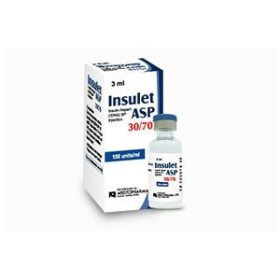
Insulet ASP 30/70 SC Injection 3ml Vial
Each ml solution contains 100 IU (equivalent to 3.50 mg) Insulin Aspart (rDNA). Insulet ASP SC Injection is an insulin analog indicated to improve glycemic control in patients with diabetes mellitus.
Discount Price: ৳ 428
MRP:
৳
450
5%
off
100% Genuine Products, Guaranteed
Safe & Secure Payments, Always

Fast, Secure & Efficient Delivery
Proper Packaging
 Cash on Delivery - All over Bangladesh
 Regular Delivery: 24-48 Hours, Dhaka City* Charge Tk.39-59
- Regular Delivery: 48-96 Hours, Other Cities* Charge Tk.99-125
 ফ্রি ডেলিভারিঃ - ১৪৯৯ টাকা+ অর্ডারে, ঢাকা
শহরে
- ফ্রি ডেলিভারিঃ - ৪৯৯৯ টাকা+ অর্ডারে, ঢাকার
বাহিরে
📲 মোবাইল অ্যাপ অর্ডারে সাশ্রয় বেশী
-
Google Play Store থেকে ডাউনলোড
-
Apple Store থেকে ডাউনলোড
100% Genuine Products, Guaranteed
Safe & Secure Payments, Always
Fast, Secure & Efficient Delivery
Proper Packaging
- Cash on Delivery - All over Bangladesh
- Regular Delivery: 24-48 Hours, Dhaka City* Charge Tk.39-59
- Regular Delivery: 48-96 Hours, Other Cities* Charge Tk.99-125
- ফ্রি ডেলিভারিঃ - ১৪৯৯ টাকা+ অর্ডারে, ঢাকা
শহরে
- ফ্রি ডেলিভারিঃ - ৪৯৯৯ টাকা+ অর্ডারে, ঢাকার
বাহিরে
- Google Play Store থেকে ডাউনলোড
- Apple Store থেকে ডাউনলোড
📲 মোবাইল অ্যাপ অর্ডারে সাশ্রয় বেশী
✅ Description:
Insulet ASP SC Injection is an insulin analog indicated to improve glycemic control in patients with diabetes mellitus.
Insulet ASP rDNA is a sterile, clear solution of Insulet ASP human insulin analogue for subcutaneous injection/infusion or intravenous injection. This is a blood glucose-lowering agent with an earlier onset of action. It produces a more rapid onset of action compared to soluble human insulin. Insulin ASP is homologous with regular human insulin with the exception of a single substitution of the amino acid Proline by aspartic acid in position B28, and is produced by recombinant DNA technology.
The primary activity of Insulin Aspart is the regulation of glucose metabolism. Insulin Aspart binds to the insulin receptors on muscle and fat cells and lowers blood glucose by facilitating the cellular uptake of glucose and simultaneously inhibiting the output of glucose from the liver.
Insulin Aspart has a faster onset and a shorter duration of action than soluble human insulin. Due to the faster onset of action, Insulin Aspart should generally be given immediately before a meal. When necessary, Insulin Aspart may be given soon after a meal.
Dosage of Insulin Aspart is individual and determined based on the physician's advice in accordance with the needs of the patient. It should normally be used in combination with long-acting insulin given at least once a day.
The individual insulin requirement is usually between 0.5 and 1.0 IU/kg/day in adults and children over 2 years of age. In a meal-related treatment, 50-70% of this requirement may be provided by Insulin Aspart and the remainder by long-acting insulin. Adjustment of dosage may also be necessary if patients undertake increased physical activity or change their usual diet. Exercise taken immediately after a meal may increase the risk of hypoglycaemia.
Subcutaneous Injection: Insulin Aspart should be administered by subcutaneous injection in the abdominal region, buttocks, thigh, or upper arm. Because Insulin Aspart has a more rapid onset and a shorter duration of activity than human regular insulin, it should be injected immediately (within 5-10 minutes) before a meal. Continuous Subcutaneous Insulin Infusion (CSII) by External Pump Insulin Aspart can also be infused subcutaneously by an external insulin pump. The initial programming of the external insulin infusion pump should be based on the total daily insulin dose of the previous regimen. Approximately 50% of the total dose is usually given as meal-related boluses of Insulin Aspart and the remainder is given as a basal infusion. When used with an infusion pump, Insulin Aspart should not be mixed with any other insulin.
Intravenous Use: Insulin Aspart can be administered intravenously under medical supervision for glycemic control with close monitoring of blood glucose and potassium levels to avoid hypoglycemia and hypokalemia. For intravenous use, Insulin Aspart should be used at concentrations from 0.05 IU/mL to 1.0 IU/mL insulin aspart in infusion systems using polypropylene infusion bags. Insulin Aspart has been shown to be stable in infusion fluids such as 0.9% sodium chloride.
Instructions to be given to the patient before injecting this Insulin:According to the instructions given with ConviPen, insert the cartridge into the pen correctly & equip the needle
- Gently turn the pen upside down 8-10 times until the insulin in the cartridge becomes a uniformly mixed suspension
- Remove the needle cap and discharge air bubbles in the cartridge
- Adjust the dosage button to get the correct dose & inject into the specific site
- In order to avoid cross-contamination, do not let the needle touch anything during the process of preparation.
A number of drugs affect glucose metabolism and may require dose adjustment.
The following substances may reduce the Insulet ASP as well as Insulet ASP requirements: Oral anti-diabetic products, angiotensin-converting enzyme (ACE) inhibitors, disopyramide, fibrates, fluoxetine, monoamine oxidase inhibitors, propoxyphene, pentoxifylline, salicylates and sulfonamide antibiotics.
The following substances may increase the Insulet ASP as well as Insulet ASP requirements: Thiazides, glucocorticoids, thyroid hormones, beta-sympathomimetics, growth hormone and danazol. Beta-blockers, clonidine, lithium salts, and alcohol may either potentiate or weaken the blood glucose lowering effect of insulin.
Side effects of Insulet ASP are hypoglycemia, allergic reactions, injection site reaction, lipodystrophy, pruritus and rash.
Pregnancy category B. There are no restrictions on treatment with Protamine Crystallised Insulin Aspart during lactation. Insulin treatment of the nursing mother should not affect the baby. However, dosage may need to be adjusted.
Dose adjustment and monitoring: Blood glucose should be monitored in all patients treated with insulin. Insulet ASP regimens should be modified cautiously and only under medical supervision
A specific overdose for insulin cannot be defined; however, hypoglycaemia may develop over sequential stages if too high doses relative to the patient’s requirement are administered. Mild hypoglycaemic episodes can be treated by oral administration of glucose or sugary products. Severe hypoglycaemic episodes, where the patient has become unconscious, can be treated by glucagon (0.5 to 1 mg) given intramuscularly or subcutaneously. Glucose must also be given intravenously if the patient does not respond to glucagon within 10 to 15 minutes. Upon regaining consciousness, administration of oral carbohydrate is recommended for the patient to prevent relapse.
Store at 2°C to 8°C in a refrigerator. Do not freeze. Protect from light.

Relevant Products
Same generic alternatives, ranked by customer interest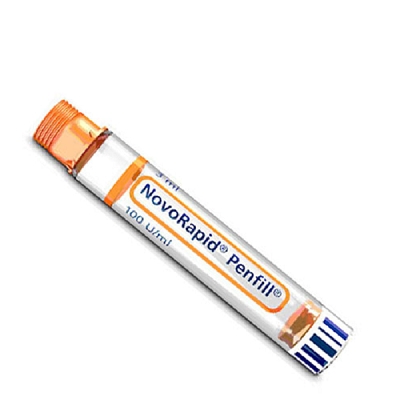
NovoRapid Penfill Cartridge (100IU/ml)
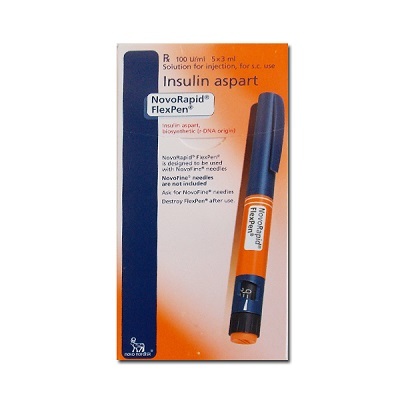
NovoRapid Flexpen
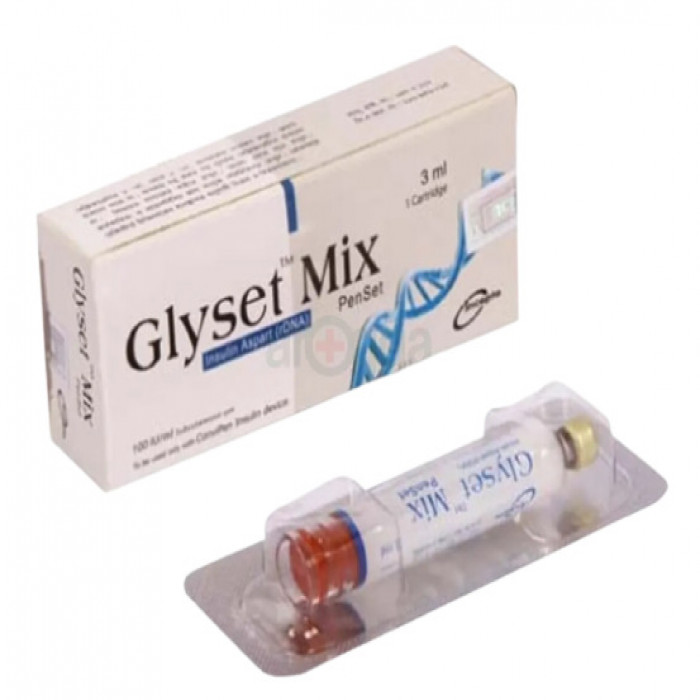
Glyset Mix Penset 1 Cartridge
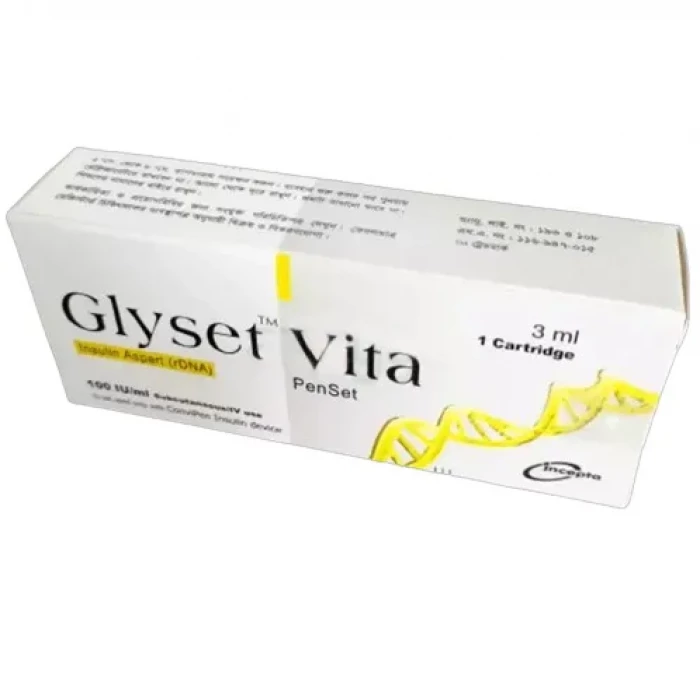
Glyset Vita Penset 1 Cartridge

Glyset Vita Vial
More From Aristopharma Limited
Popular products from this manufacturer/brand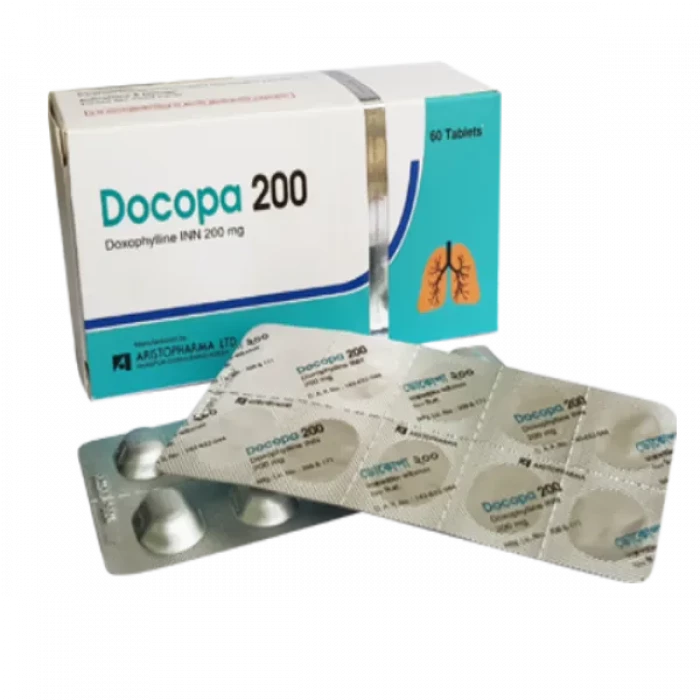
Docopa 200 Tablet 1 Strip
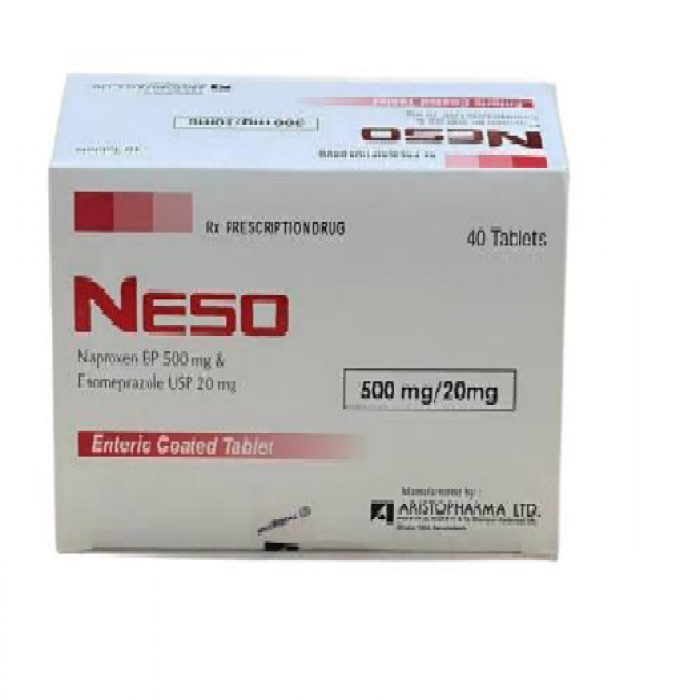
Neso 500/20mg Tablet
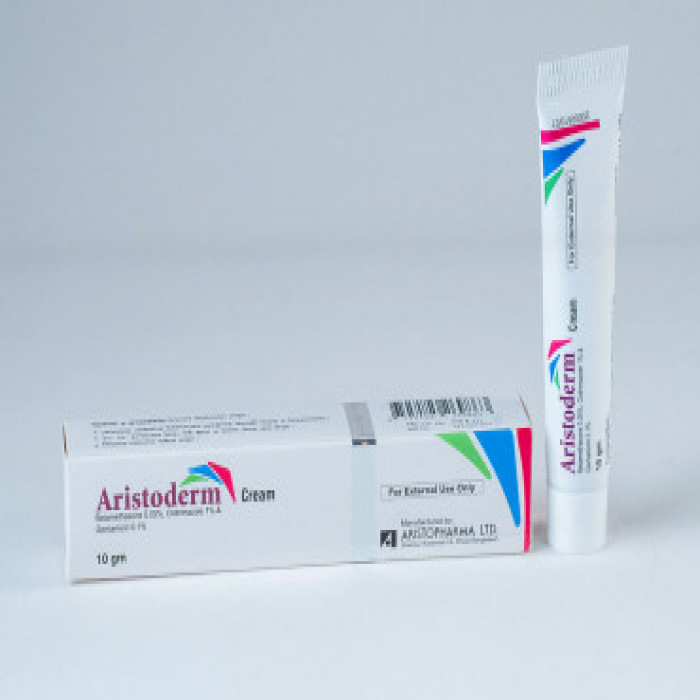
Aristoderm 0.05%+1%+0.1% Cream 10g
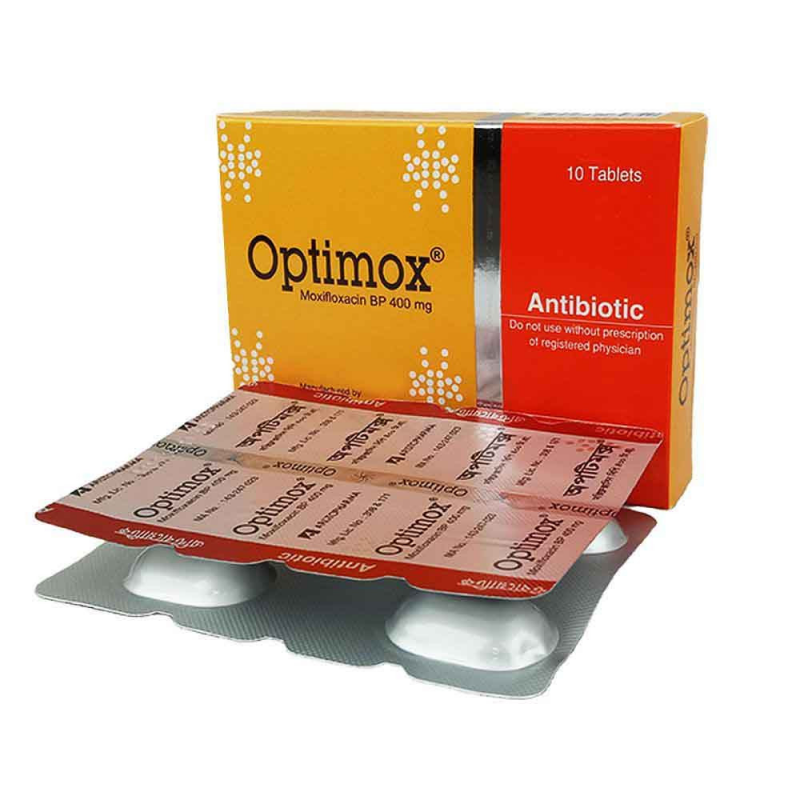
Optimox 400mg Tablet
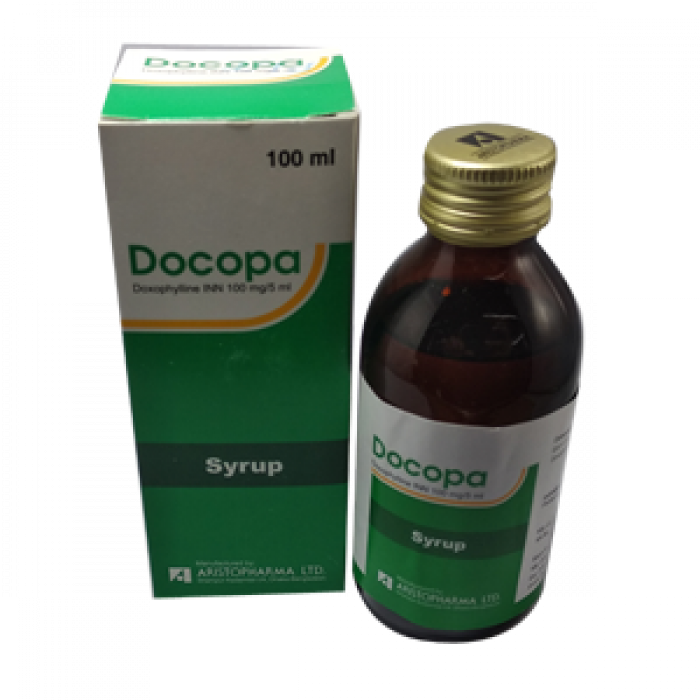
Docopa Syrup 100ml
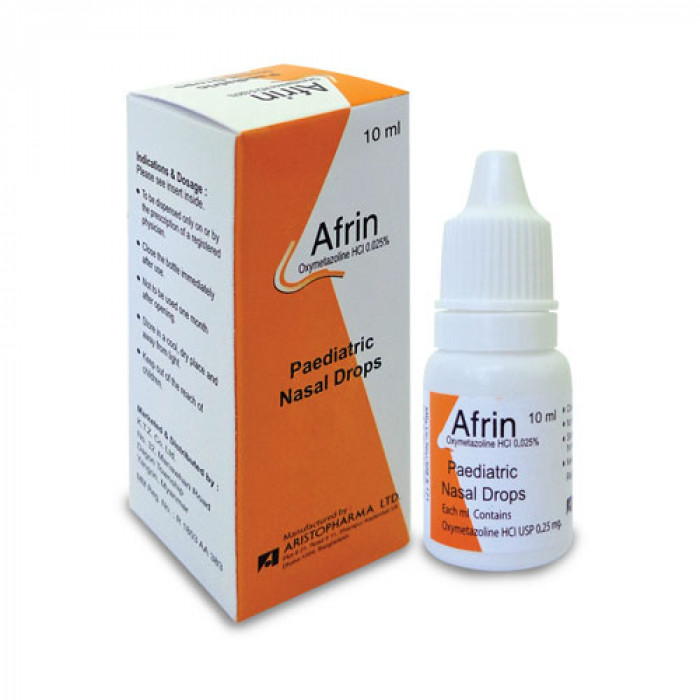
Afrin 0.025% Nasal Drops
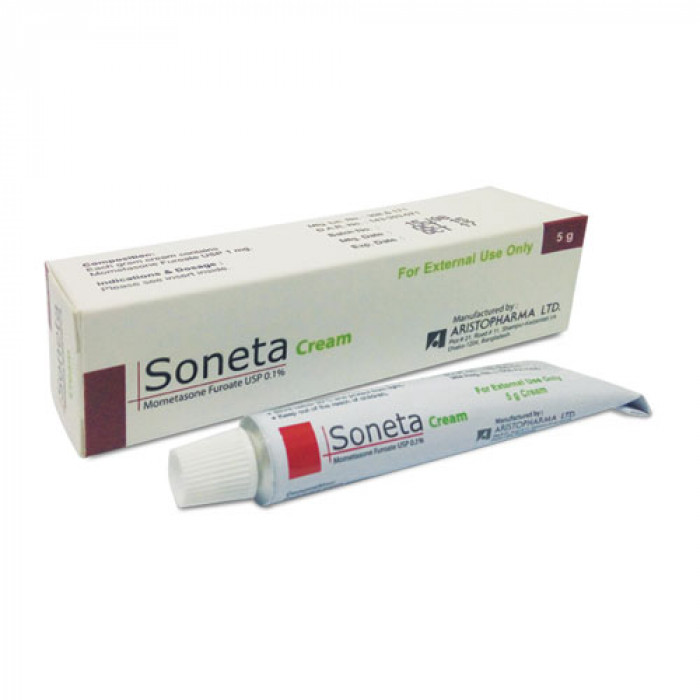
Soneta 0.1% Cream
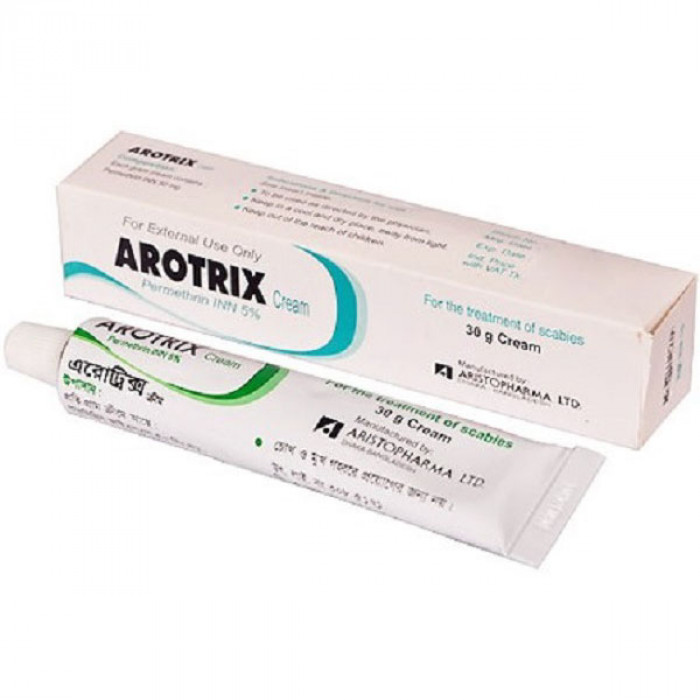
Arotrix 5% Cream 30gm
Related Posts

⚠️Disclaimer:
At ePharma, we’re committed to providing accurate and accessible health information. However, all content is intended for informational purposes only and should not replace medical advice from a qualified physician. Please consult your healthcare provider for personalized guidance. We aim to support, not substitute, the doctor-patient relationship.
📦Pricing Information, Availability:
Product Availability & Pricing Notice
Please note that pricing, availability, and service offerings are subject to change due to: Market fluctuations, Manufacturer or supplier adjustments, Product discontinuation or temporary unavailability, Advertising errors. All orders depend on stock availability and staff resources. If services are provided on a time-and-materials basis, any shared estimates are for planning purposes only.

Reliable
All products displayed on ePharma are procured from govt. approved pharmaceuticals and verified licensed pharmacies from 2016.

Secure
ePharma uses Secure Sockets Layer (SSL) 128-bit 🔒 encryption and is Payment Card Industry DataSecurity Standard (PCI DSS) compliant.

Affordable
Find affordable medicine substitutes, save up to 50% on health products, up to 30% off on doctor consultations.

Social
Providing health care services under the health and beauty category with more than 170K Facebook audience and 10M+ reach.







Get more features!
Download the app now
✓ Doctor consultation ✓ 24/7 helpline