


✔ 100% Authentic Product
👁️ Viewed 210 times
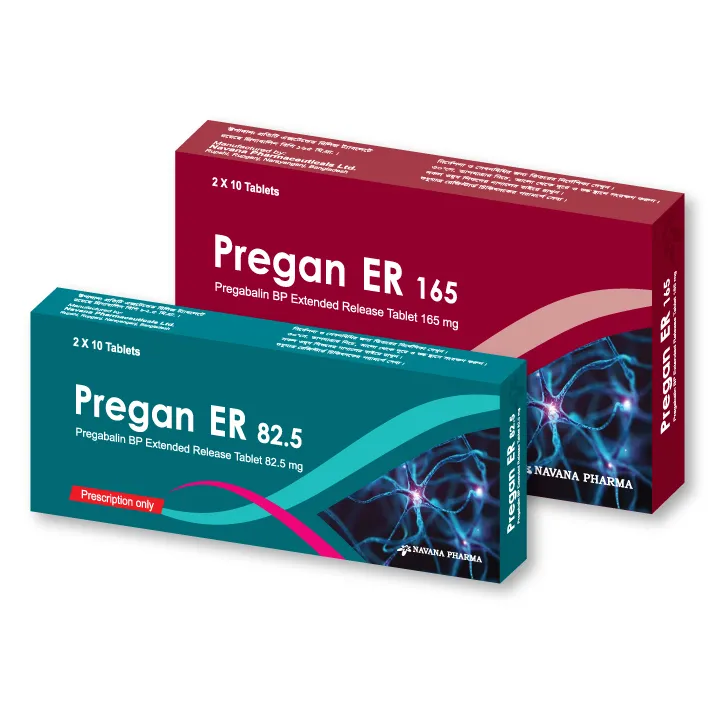
Pregan ER 82.5mg Tablet
Pregan ER may be prescribed for:
- Neuropathic (nerve) pain
- Painful diabetic peripheral neuropathy
- Post-herpetic neuralgia (nerve pain following shingles)
- Neuropathic pain associated with spinal cord injury
- Fibromyalgia
- Partial-onset seizures, as adjunctive therapy
- Generalized anxiety disorder in selected patients, where clinically appropriate
Discount Price: ৳ 240
MRP:
৳
250
4%
off

100% Genuine Products, Guaranteed
Safe & Secure Payments, Always
Fast, Secure & Efficient Delivery
Proper Packaging
 Cash on Delivery - All over Bangladesh
 Regular Delivery: 24-48 Hours, Dhaka City* Charge Tk.39-59
- Regular Delivery: 48-96 Hours, Other Cities* Charge Tk.99-125
 ফ্রি ডেলিভারিঃ - ১৪৯৯ টাকা+ অর্ডারে, ঢাকা
শহরে
ফ্রি ডেলিভারিঃ - ১৪৯৯ টাকা+ অর্ডারে, ঢাকা
শহরে- ফ্রি ডেলিভারিঃ - ৪৯৯৯ টাকা+ অর্ডারে, ঢাকার
বাহিরে
📲 মোবাইল অ্যাপ অর্ডারে সাশ্রয় বেশী
-
Google Play Store থেকে ডাউনলোড
-
Apple Store থেকে ডাউনলোড
100% Genuine Products, Guaranteed
Safe & Secure Payments, Always
Fast, Secure & Efficient Delivery
Proper Packaging
- Cash on Delivery - All over Bangladesh
- Regular Delivery: 24-48 Hours, Dhaka City* Charge Tk.39-59
- Regular Delivery: 48-96 Hours, Other Cities* Charge Tk.99-125
- ফ্রি ডেলিভারিঃ - ১৪৯৯ টাকা+ অর্ডারে, ঢাকা
শহরে
- ফ্রি ডেলিভারিঃ - ৪৯৯৯ টাকা+ অর্ডারে, ঢাকার
বাহিরে
- Google Play Store থেকে ডাউনলোড
- Apple Store থেকে ডাউনলোড
📲 মোবাইল অ্যাপ অর্ডারে সাশ্রয় বেশী
✅ Description:
Pregan ER 82.5 is an extended-release medicine containing pregabalin. It is primarily used to manage neuropathic pain, including nerve pain associated with diabetes, shingles, and spinal cord injury. It may also be prescribed for fibromyalgia and as an add-on treatment for certain types of seizures.
The safety and effectiveness of pregabalin in children have not been adequately established for these indications. Pediatric use should therefore be determined by a specialist.
Pregabalin is primarily eliminated through the kidneys, so the dose needs to be adjusted in patients with reduced kidney function.
Patients undergoing hemodialysis may require an additional dose after dialysis. Your doctor may determine the dose according to your creatinine clearance/eGFR.

Relevant Products
Same generic alternatives, ranked by customer interest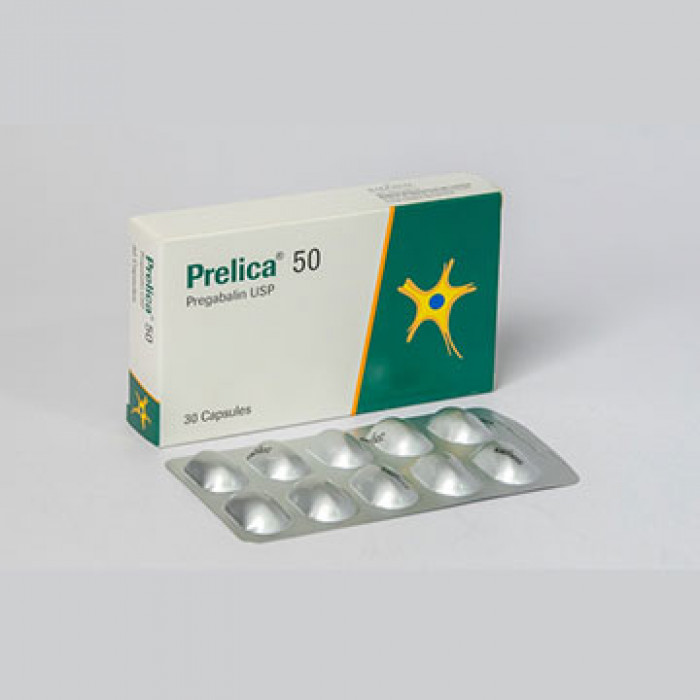
Prelica 50mg Capsule
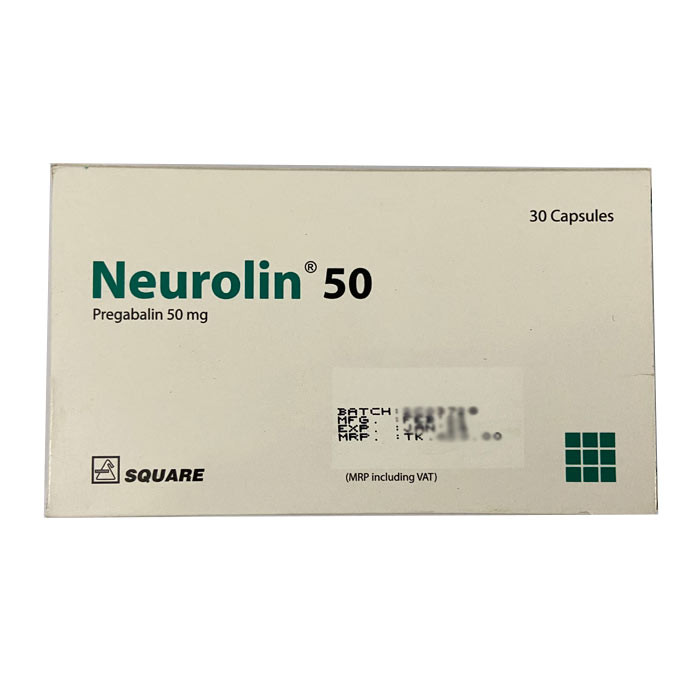
Neurolin 50mg 10pcs
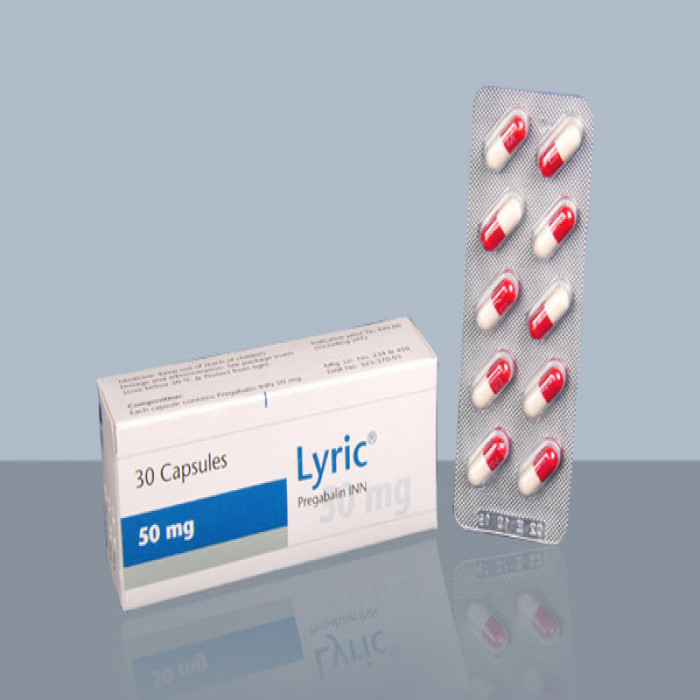
Lyric 50mg 10pcs
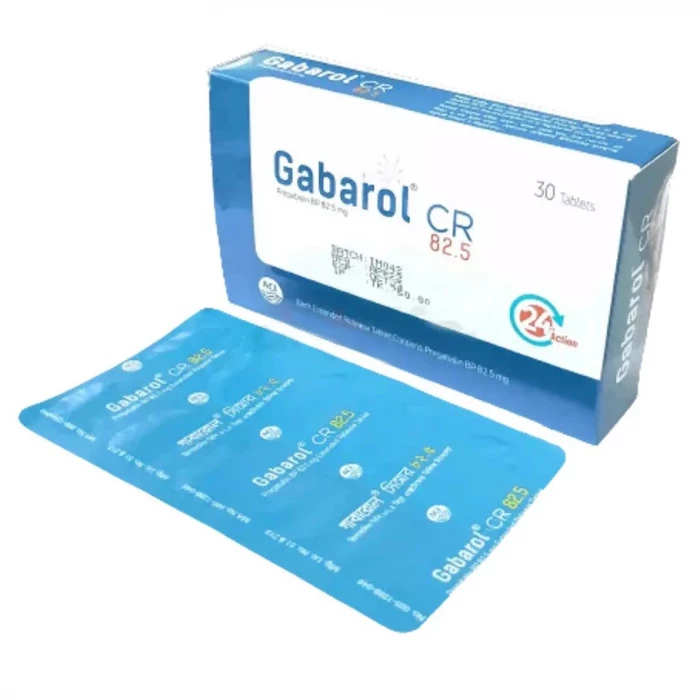
Gabarol CR 82.5mg Tablet 1 Strip
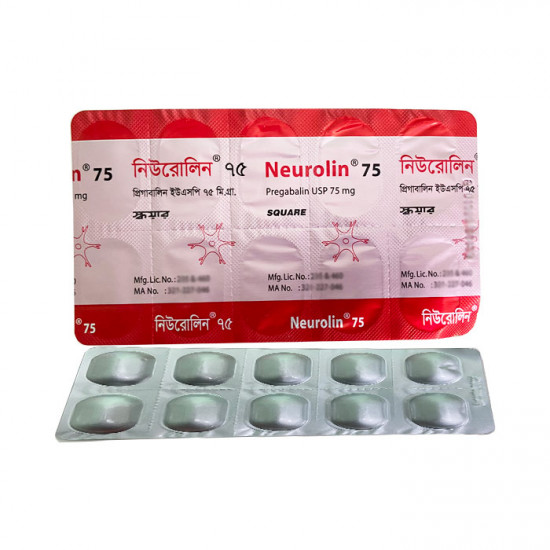
Neurolin 75mg 10pcs
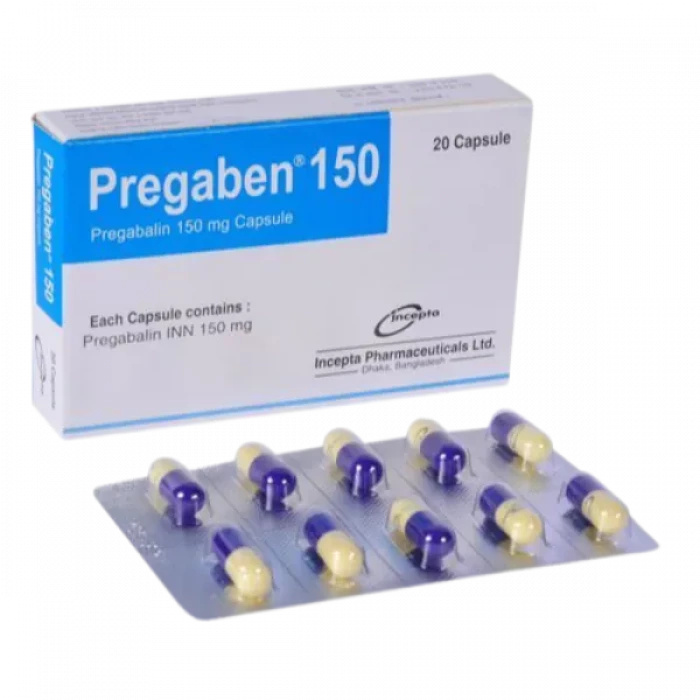
Pregaben 150mg Capsule 20pcs Box
Nervalin 25mg Capsule 10pcs
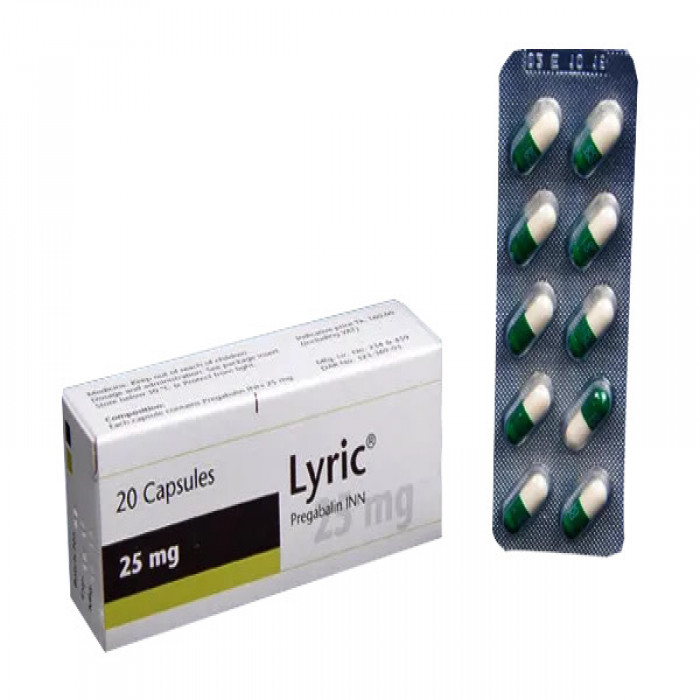
Lyric 25mg (20pcs Box)
More From Navana Pharmacuticals Ltd.
Popular products from this manufacturer/brand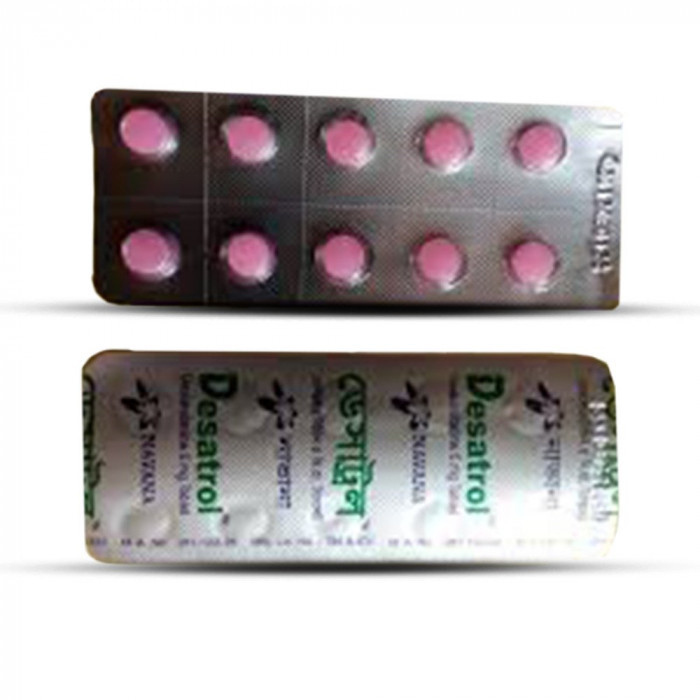
Desatrol 5mg Tablet 1 Strip
Glix 80mg Tablet 1 Strip
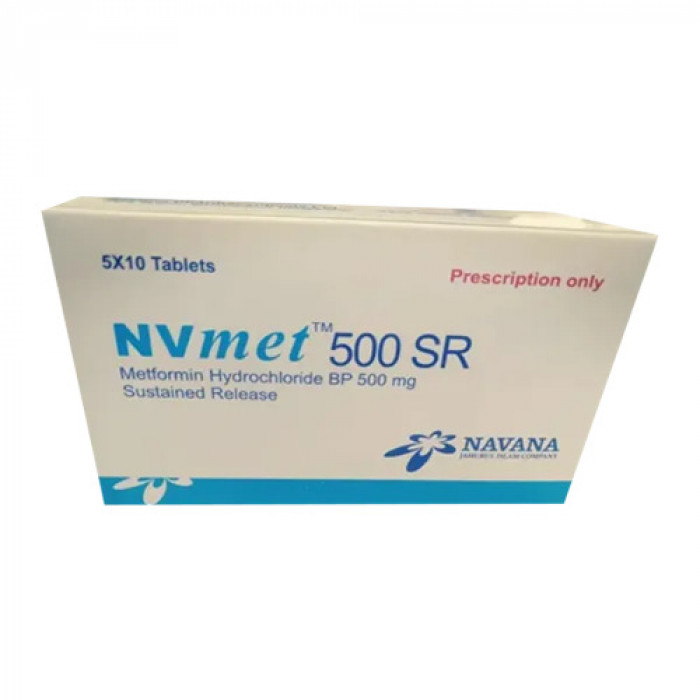
NV-Met 500 SR 10Pcs
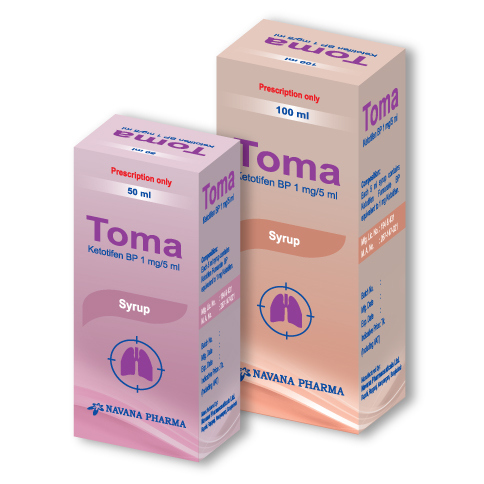
Toma Syrup 100ml Bottle
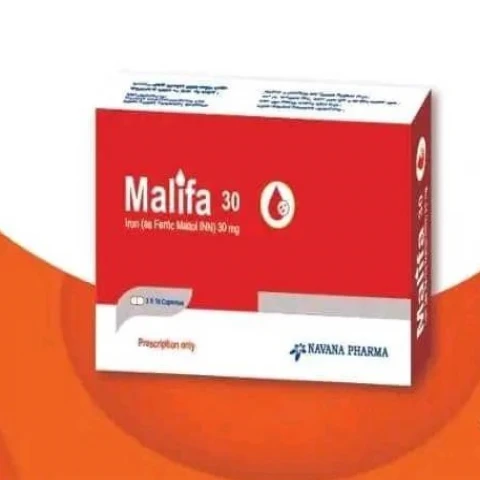
Malifa 30
Fea PLUS
Trizin 10

Gefomag 97mg Tablet
Related Posts



✔️ Side Effects
- Dizziness
- Sleepiness or drowsiness
- Blurred or double vision
- Difficulty concentrating
- Dry mouth
- Fatigue
- Peripheral or generalized swelling (edema)
- Weight gain
- Tremor
- Loss of balance or coordination
- Constipation
- Nausea or vomiting
- Confusion or disorientation
✔️ How Pregan ER 82.5 Works
Pregabalin is structurally related to the neurotransmitter GABA and binds to the alpha-2-delta subunit of voltage-gated calcium channels in the nervous system.
This reduces the release of several excitatory neurotransmitters and helps decrease abnormal nerve activity. As a result, it can reduce nerve pain and abnormal electrical activity associated with seizures.
✔️ Dosage and Administration
The dose and duration depend on the condition being treated and how the patient responds.
Pregan ER should be taken exactly as prescribed by the doctor.
- It may be taken with or without food.
- Take it at approximately the same time each day.
- Swallow the extended-release tablet whole.
- Do not crush, chew, or break the tablet.
- Your doctor may start treatment at a lower dose and gradually adjust it.
Because the exact dose for an extended-release formulation can differ from immediate-release pregabalin, follow the specific dose prescribed for Pregan ER 82.5 rather than changing the dose yourself.
✔️ Drug Interaction
Pregabalin has relatively few metabolic drug interactions, but it can have additive effects on the central nervous system with other medicines.
- Lorazepam: May increase sedative effects.
- Opioids: May increase drowsiness and respiratory depression.
- Benzodiazepines: May cause increased CNS depression.
- ACE inhibitors: May increase the risk of angioedema.
- Thiazolidinediones: May increase the risk of weight gain and peripheral edema.
- Alcohol: Can significantly increase dizziness and drowsiness and should generally be avoided.
✔️ Contraindications
Pregan ER should not be used in patients with a known hypersensitivity or allergy to pregabalin or any component of the formulation.
Extra caution and dose adjustment may be necessary in patients with:
- Kidney impairment
- A history of angioedema
- Significant cardiovascular disease
- Conditions associated with fluid retention
✔️ Missed Dose & Overdose
If You Miss a Dose
Take the missed dose when you remember, unless it is nearly time for your next scheduled dose. If it is almost time for the next dose, skip the missed dose and continue with your normal schedule.
Do not take a double dose to compensate for a missed one.
Overdose
Pregabalin overdose may cause excessive sleepiness, dizziness, confusion, agitation, loss of consciousness, or other CNS effects. In severe cases, respiratory depression or coma may occur, particularly when combined with other CNS depressants.
Seek urgent medical attention if an overdose is suspected.
✔️ Pregnancy and Breastfeeding
Pregnant women, women planning pregnancy, and those who could become pregnant should discuss pregabalin treatment with their doctor.
There is insufficient information regarding the presence of pregabalin in human breast milk and its effects on breastfed infants. Breastfeeding is generally not recommended during treatment unless specifically advised by a healthcare professional.
✔️ Important Warnings
Pregabalin can cause dizziness, drowsiness, blurred vision, and impaired coordination. Avoid driving, operating machinery, or performing hazardous activities until you know how the medicine affects you.
Contact your doctor promptly if you develop:
- New or worsening depression
- Suicidal thoughts or behavior
- Significant changes in mood or behavior
- New vision problems
- Severe muscle pain or weakness
- Severe swelling of the face, lips, tongue, or throat
Angioedema
Pregabalin can rarely cause angioedema, which may involve swelling of the face, lips, tongue, throat, or airway.
If swelling of the tongue or throat, difficulty breathing, or other signs of a severe allergic reaction occur, stop the medicine and seek emergency medical care immediately.
The risk may be increased when pregabalin is combined with ACE inhibitors or certain mTOR inhibitors.
Stopping Pregan ER
Do not stop pregabalin suddenly. Abrupt or rapid discontinuation can cause withdrawal-like symptoms such as:
- Insomnia
- Nausea
- Headache
- Diarrhea
- Anxiety or other symptoms
It may also increase the risk of seizures in patients taking it for epilepsy. The medicine should generally be tapered gradually under medical supervision.
✔️ Storage:
- Store according to the manufacturer's recommended conditions.
- Keep in a cool, dry place.
- Protect from excessive heat and moisture.
- Keep out of reach of children.
⚠️Disclaimer:
At ePharma, we’re committed to providing accurate and accessible health information. However, all content is intended for informational purposes only and should not replace medical advice from a qualified physician. Please consult your healthcare provider for personalized guidance. We aim to support, not substitute, the doctor-patient relationship.
📦Pricing Information, Availability:
Product Availability & Pricing Notice
Please note that pricing, availability, and service offerings are subject to change due to: Market fluctuations, Manufacturer or supplier adjustments, Product discontinuation or temporary unavailability, Advertising errors. All orders depend on stock availability and staff resources. If services are provided on a time-and-materials basis, any shared estimates are for planning purposes only.


Reliable
All products displayed on ePharma are procured from govt. approved pharmaceuticals and verified licensed pharmacies from 2016.

Secure
ePharma uses Secure Sockets Layer (SSL) 128-bit 🔒 encryption and is Payment Card Industry DataSecurity Standard (PCI DSS) compliant.

Affordable
Find affordable medicine substitutes, save up to 50% on health products, up to 30% off on doctor consultations.

Social
Providing health care services under the health and beauty category with more than 170K Facebook audience and 10M+ reach.







Get more features!
Download the app now
✓ Doctor consultation ✓ 24/7 helpline