


✔ 100% Authentic Product
👁️ Viewed 2109 times
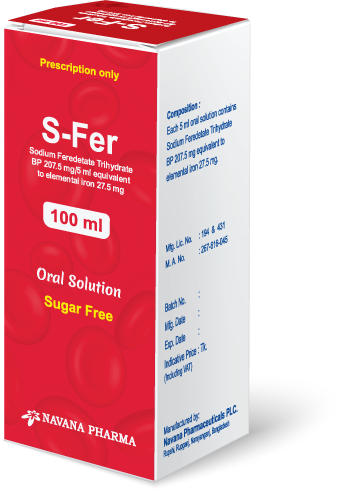
S-Fer Oral Solution 100ml
Sodium feredetate is an iron chelate rather than a conventional iron salt. The iron is held in a stable, non-ionized complex with the sodium salt of EDTA. This helps prevent the iron from directly contacting the teeth and therefore reduces the possibility of tooth discoloration.
After reaching the gastrointestinal tract, the chelate releases elemental iron, which is then absorbed and utilized by the body. A large proportion of absorbed iron is incorporated into hemoglobin, while much of the remaining iron is stored as ferritin or haemosiderin, mainly within the reticuloendothelial system and, to a lesser extent, the liver. Smaller amounts contribute to myoglobin, heme-containing enzymes, and transferrin-bound iron in the blood.
EDTA itself is poorly absorbed and is largely eliminated from the body without significant metabolic alteration.
Discount Price: ৳ 96
MRP:
৳
100
4%
off

100% Genuine Products, Guaranteed

Safe & Secure Payments, Always

Fast, Secure & Efficient Delivery

Proper Packaging
 Cash on Delivery - All over Bangladesh
 Regular Delivery: 24-48 Hours, Dhaka City* Charge Tk.39-59
- Regular Delivery: 48-96 Hours, Other Cities* Charge Tk.99-125
 ফ্রি ডেলিভারিঃ - ১৪৯৯ টাকা+ অর্ডারে, ঢাকা
শহরে
ফ্রি ডেলিভারিঃ - ১৪৯৯ টাকা+ অর্ডারে, ঢাকা
শহরে- ফ্রি ডেলিভারিঃ - ৪৯৯৯ টাকা+ অর্ডারে, ঢাকার
বাহিরে
📲 মোবাইল অ্যাপ অর্ডারে সাশ্রয় বেশী
-
Google Play Store থেকে ডাউনলোড
-
Apple Store থেকে ডাউনলোড
100% Genuine Products, Guaranteed
Safe & Secure Payments, Always
Fast, Secure & Efficient Delivery
Proper Packaging
- Cash on Delivery - All over Bangladesh
- Regular Delivery: 24-48 Hours, Dhaka City* Charge Tk.39-59
- Regular Delivery: 48-96 Hours, Other Cities* Charge Tk.99-125
- ফ্রি ডেলিভারিঃ - ১৪৯৯ টাকা+ অর্ডারে, ঢাকা
শহরে
- ফ্রি ডেলিভারিঃ - ৪৯৯৯ টাকা+ অর্ডারে, ঢাকার
বাহিরে
- Google Play Store থেকে ডাউনলোড
- Apple Store থেকে ডাউনলোড
📲 মোবাইল অ্যাপ অর্ডারে সাশ্রয় বেশী
✅ Description:
S-Fer Syrup- Sodium Ferred Sulfate Trihydrate
S-Fer Syrup is an oral iron preparation used to prevent and treat iron deficiency anemia in adults, children, and infants. It provides iron in a form that is generally less likely to cause gastrointestinal discomfort than some conventional iron preparations and does not typically cause tooth staining.
It may be used for:
- Iron deficiency anemia, particularly in children
- Iron supplementation during pregnancy when conventional oral iron preparations are poorly tolerated
- Anemia associated with conditions such as rheumatoid arthritis
S-Fer Syrup should be taken orally according to the dose prescribed by a healthcare professional.
Treatment of Iron Deficiency Anemia
- Neonates: Up to 2.5 mL twice daily. Lower doses may be used initially.
- Children 1–11 months: Up to 2.5 mL twice daily. A lower starting dose may be appropriate.
- Children 1–4 years: 2.5 mL three times daily.
- Children 5–11 years: 5 mL three times daily.
- Children 12–17 years: 5 mL three times daily, which may be gradually increased to 10 mL three times daily when clinically appropriate.
The appropriate dose for adults and individual patients should be determined according to the severity of iron deficiency and medical advice.
Prevention of Iron Deficiency
Neonates and infants 1–11 months: 1 mL once daily may be used for prophylactic supplementation in certain low-birth-weight, exclusively breastfed infants. Supplementation may begin around 4–6 weeks after birth and continue until mixed feeding is established, as advised by a healthcare professional.
Drug Interactions
Oral iron can interact with many medicines and may affect their absorption or effectiveness.
- Avoid using oral iron together with dimercaprol, as potentially harmful compounds may form.
- Iron can reduce the absorption of penicillamine, mycophenolate, fluoroquinolones, levodopa, carbidopa, thyroxine, and bisphosphonates.
- Iron may reduce the blood-pressure-lowering effect of methyldopa.
- Iron and tetracyclines can interfere with each other's absorption.
- Iron and zinc supplements may reduce each other's absorption.
Tell your doctor or pharmacist about all medicines and supplements you are taking. Some medicines may need to be taken at a different time from S-Fer.
Contraindications
S-Fer should not be used in patients with:
- Known allergy or hypersensitivity to sodium feredetate or any ingredient in the formulation
- Hemochromatosis or hemosiderosis
- Other conditions associated with excessive iron accumulation
- Repeated blood transfusions where iron overload may be present
Side Effects
S-Fer is generally well tolerated, but allergic reactions may occur rarely. Symptoms requiring immediate medical attention include:
- Itchy skin rash
- Swelling of the face, lips, tongue, or throat
- Difficulty breathing
- Difficulty swallowing
Iron preparations may also cause stools to become darker or black. This is generally harmless but can sometimes interfere with tests designed to detect hidden blood in stool.
Pregnancy and Breastfeeding
The use of medicines during the first trimester of pregnancy should be carefully considered, with the expected benefits weighed against potential risks. No specific harmful effects associated with sodium feredetate use during pregnancy or breastfeeding have been reported.
Pregnant or breastfeeding women should use S-Fer under medical supervision.
Precautions and Warnings
Use S-Fer cautiously in patients with:
- Hemolytic anemia
- Disorders affecting iron storage or absorption
- Existing gastrointestinal disease
- Conditions associated with abnormal iron metabolism
Long-term or excessive use, particularly in children, can result in iron accumulation and toxicity. The medicine should therefore be used at the recommended dose and duration.
Iron supplementation should generally be continued only when clinically indicated and according to medical advice.
Overdose
Taking excessive amounts of iron can cause serious poisoning, especially in children. Early symptoms may include:
- Nausea and vomiting
- Diarrhea
- Abdominal pain
- Vomiting blood
- Rectal bleeding
- Severe tiredness or lethargy
- Circulatory collapse
Severe poisoning may also lead to high blood glucose and metabolic acidosis.
An iron overdose can be a medical emergency. Keep S-Fer safely out of children's reach and seek urgent medical attention if an overdose is suspected.
Therapeutic Class
Oral Iron Preparations
Storage
- Store below 25°C.
- Protect from direct light.
- Keep out of the reach of children.
- After opening, use the product within 3 months.
- Keep the container properly closed when not in use.

Relevant Products
Same generic alternatives, ranked by customer interest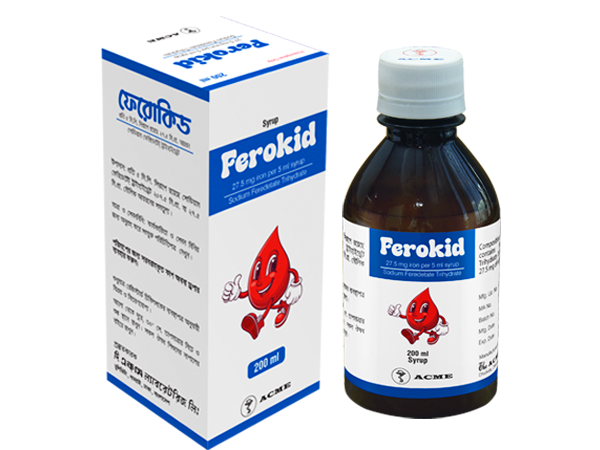
Ferokid Syrup 200ml
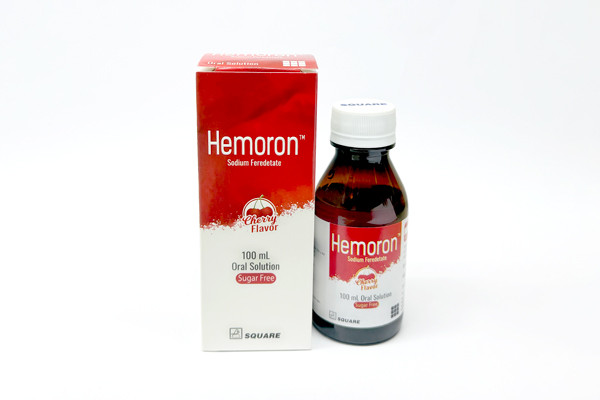
Hemoron Oral Solution 100ml
More From Navana Pharmacuticals Ltd.
Popular products from this manufacturer/brand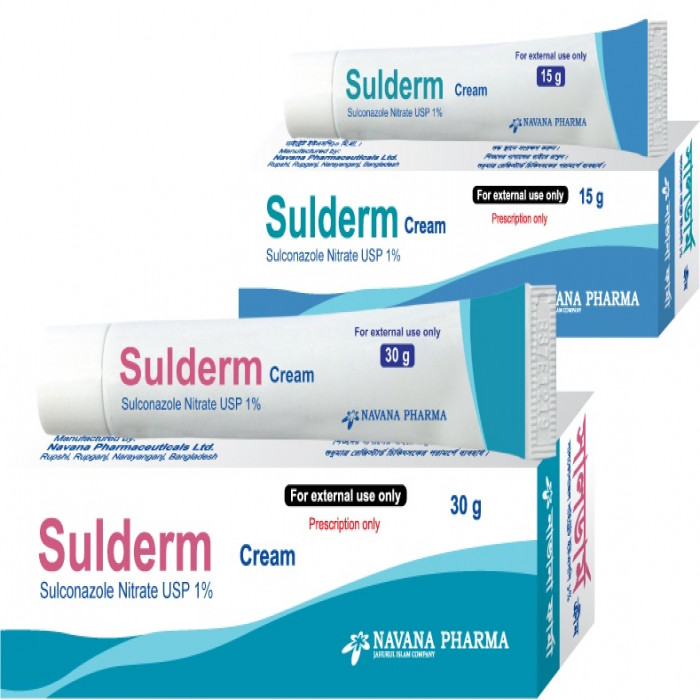
Sulderm 1% Cream
Joytrip 300mcg Tablet
Pizofen 0.5mg Tablet 1 Strip
Itracon 100 | 1 Strip
Clascon 1% Cream
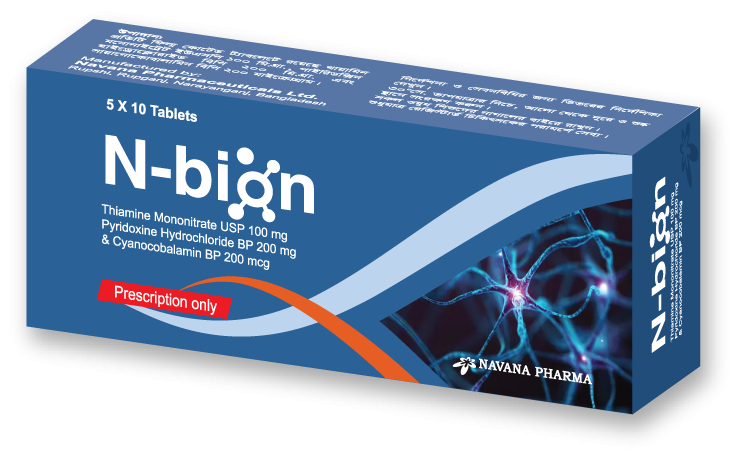
N-Bion 100mg+200mg+200mcg Tablet
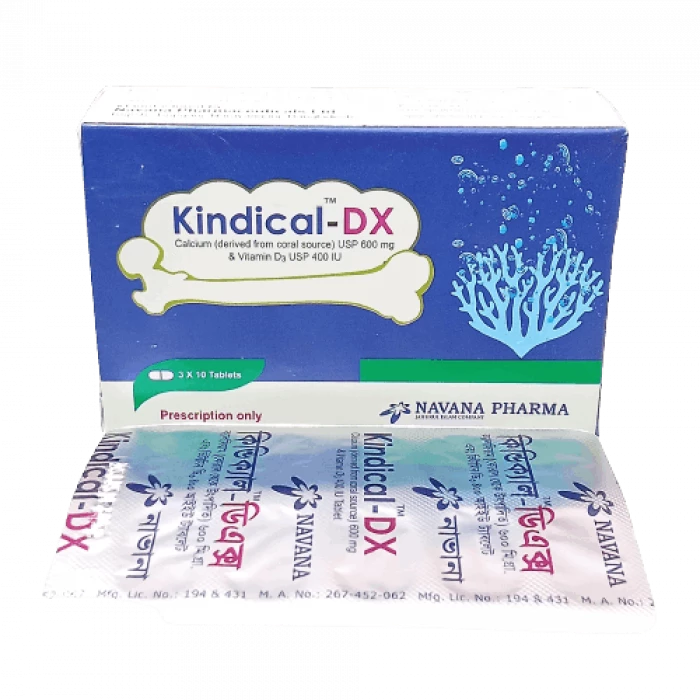
Kindical DX 600mg+400IU Tablet
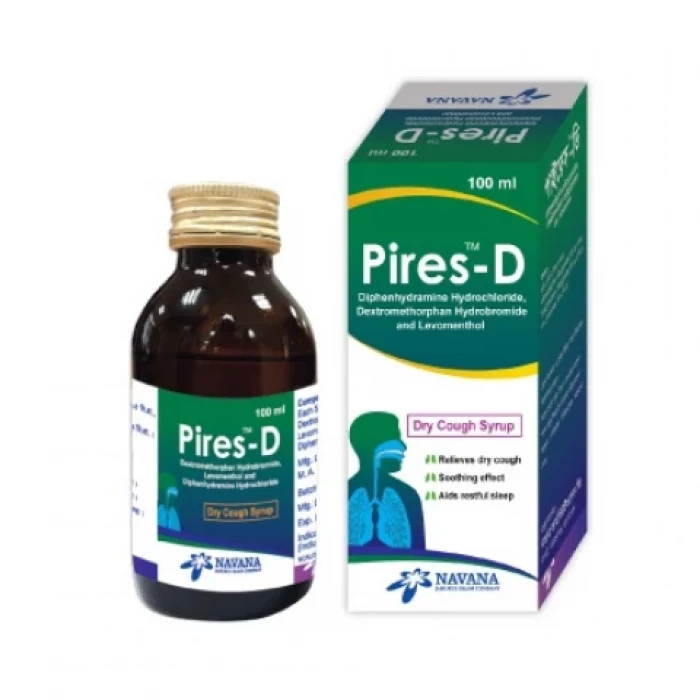
Pires-D Syrup 100ml
Related Posts


⚠️Disclaimer:
At ePharma, we’re committed to providing accurate and accessible health information. However, all content is intended for informational purposes only and should not replace medical advice from a qualified physician. Please consult your healthcare provider for personalized guidance. We aim to support, not substitute, the doctor-patient relationship.
📦Pricing Information, Availability:
Product Availability & Pricing Notice
Please note that pricing, availability, and service offerings are subject to change due to: Market fluctuations, Manufacturer or supplier adjustments, Product discontinuation or temporary unavailability, Advertising errors. All orders depend on stock availability and staff resources. If services are provided on a time-and-materials basis, any shared estimates are for planning purposes only.

Reliable
All products displayed on ePharma are procured from govt. approved pharmaceuticals and verified licensed pharmacies from 2016.

Secure
ePharma uses Secure Sockets Layer (SSL) 128-bit 🔒 encryption and is Payment Card Industry DataSecurity Standard (PCI DSS) compliant.

Affordable
Find affordable medicine substitutes, save up to 50% on health products, up to 30% off on doctor consultations.

Social
Providing health care services under the health and beauty category with more than 170K Facebook audience and 10M+ reach.







Get more features!
Download the app now
✓ Doctor consultation ✓ 24/7 helpline