Mosquito Repellent Lotion, Coil or Spray: Which Is Safer for Children?
Coil makes your child cough, but mosquitoes are everywhere? Compare mosquito nets, repellent lotions, sprays, coils and vaporizers, with safer-use and newborn precautions.
“If we do not use a mosquito coil, the mosquitoes keep coming in. But when we light one, the child starts coughing—what should we do?” During dengue season, many parents face exactly this trade-off.
For children, the safest starting point is physical protection: mosquito nets, door/window screens and loose clothing that covers the arms and legs. Aedes mosquitoes can bite during the day, so daytime naps also need protection. If you use a skin repellent, check the active ingredient, age limit and label directions rather than choosing by brand alone.
Which mosquito-control methods are safer for children?
| Method | Child-safety view | Practical rule |
|---|---|---|
| Mosquito net | First choice | Use during daytime naps too; small nets are useful for newborns |
| Door/window screens | Safe | Repair tears and gaps |
| Long, loose clothing | Safe | Especially useful during daytime and evening exposure |
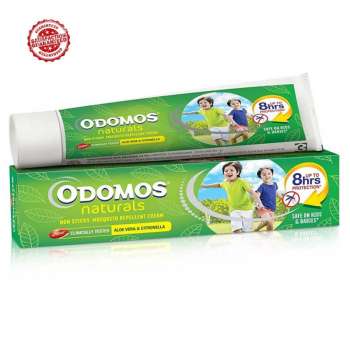
| Skin repellent lotion | Depends on age and ingredient | Follow the label age limit and application directions |
| Electric mosquito bat | Usable | Keep out of children's reach |
| Vaporizer | Use with caution | Avoid poorly ventilated rooms; keep away from the child's head |
| Aerosol spray | Not while a child is in the room | Keep the room empty after spraying and ventilate before return |
| Coil | Avoid in a newborn's room | Consider both smoke exposure and fire risk |
Why are mosquito nets the best place to start?
A Bangladeshi lifestyle-health source specifically favours mosquito nets over coils for child safety. WHO guidance also supports nets for people who sleep during the day, including young children and people who are ill.
Aedes mosquitoes can bite in daylight, so a net is not just a night-time tool. Netting over a stroller or carrier can also provide useful protection outdoors.
How do you choose a mosquito-repellent lotion for a child?
Check the active ingredient
CDC and WHO guidance include registered repellents containing ingredients such as:
- DEET
- Picaridin / Icaridin
- IR3535
CDC also lists oil of lemon eucalyptus (OLE) and PMD, but advises not using OLE/PMD products in children under 3 years.
Do not assume that a product is safer or more effective just because it is labelled “natural.” CDC notes that the effectiveness of some non-registered natural repellents is uncertain.
How should repellent be applied to a child?
- follow the exact age limit and directions on the product label
- do not apply to the child's hands, eyes, mouth, cuts or irritated skin
- for the face, apply to your own hands first and then gently spread it on the child
- do not spray directly onto the face
- do not apply under clothing
- if sunscreen is used, apply sunscreen first and repellent afterwards
- reapply only as often as the label directs
For a newborn or very young infant, ask a paediatrician before using a skin repellent. Until then, rely on nets, screens and covered clothing.
Why avoid coils or sprays in a newborn's room?
A Bangladeshi child-safety report advises against using coils or aerosol sprays in rooms where a newborn is staying. Newborns, young children and people with asthma may be more sensitive to smoke and airborne irritants.
WHO lists coils and vaporizers among general mosquito-protection methods, but newborn-room guidance is intentionally more cautious. These are different contexts, not necessarily conflicting recommendations.
If you use a coil, what precautions matter?
- do not use it in a newborn's room
- keep smoke away from the child's breathing space
- do not sleep in a closed room with a burning coil
- keep it away from bedding, curtains, paper and other flammable materials
- stop using it if the child develops cough or wheeze
This article does not make strong cancer or neurological-harm claims about coils because the supplied source set does not support those conclusions well enough.
How long should you wait after using mosquito spray?
The Bangladeshi source advises keeping the sprayed room closed and empty for at least 10 minutes. Children, pregnant people and those with asthma should not be in the room during spraying. Ventilate the room before they return.
If the product label gives a longer re-entry time, follow the label.
Are plug-in vaporizers safe?
They require caution. The Bangladeshi source advises against using them in a closed room. Keep ventilation in mind, and keep the device away from the child's head and out of reach.
What symptoms mean you should stop using the product?
Stop exposure if a child develops:
- cough
- sneezing
- runny nose
- red or watery eyes
- wheezing
Move the child to fresh air. Seek medical advice if symptoms persist. Breathing difficulty, chest indrawing or bluish lips need urgent care.
If a lotion causes redness, itching or burning, wash the skin with soap and water and stop using it. If it gets into the eyes or is swallowed, seek medical advice.
The real prevention step: stop mosquitoes from breeding
Repellents are only one layer. CDC recommends checking water-holding containers every week:
- empty buckets, tyres, flower-pot trays, toys and other containers
- scrub containers that collect water
- cover, turn over or discard unused containers
- check children's outdoor toys for trapped water
A simple 5-point label check before buying
- What is the active ingredient?
- What age is the product approved for?
- Is it for skin use or room use?
- How often can it be reapplied or when can you re-enter the room?
- What warnings or restrictions are printed on the label?
If you browse mosquito-defense products, compare the ingredient, age limit and use instructions before comparing brands.
Common myths
- “Mosquitoes only bite at night.” Aedes mosquitoes can bite during the day.
- “A light coil is fine in a newborn's room.” Avoid coils and sprays in a newborn's room.
- “Repellent works best on a child's hands.” Do not apply to hands because children touch their mouth and eyes.
- “Natural means safe for very young children.” Not always; OLE/PMD should not be used under age 3.
- “You can enter immediately after spraying.” Allow the recommended waiting time and ventilation.
Frequently asked questions
What is the safest first choice for mosquito protection in children?
Mosquito nets, door/window screens and covered clothing. Use a net during daytime naps too.
Is it safe to burn a mosquito coil in a child's room?
Avoid it in a newborn's room. For older children, consider smoke exposure, ventilation and fire risk.
Which repellent ingredients should parents look for?
Registered products may use DEET, picaridin/icaridin or IR3535. Always follow the product's age restrictions.
Can OLE or PMD be used in young children?
CDC advises against OLE/PMD products in children under 3 years.
How should repellent be applied to the face?
An adult should apply it to their own hands first and then gently spread it on the child's face. Do not spray directly onto the face.
Can newborns use mosquito-repellent lotion?
Ask a paediatrician first. Use nets, screens and covered clothing as the primary protection.
How long after spraying can a child return to the room?
The Bangladeshi source advises at least 10 minutes, followed by ventilation. Follow a longer waiting time if the label specifies one.
What if coil smoke makes the child cough?
Stop the coil, move the child to fresh air and seek medical care if breathing symptoms persist.
Related reading
Sources
- Prothom Alo — “মশা তাড়ানোর উপকরণ ব্যবহারের আগে যেসব বিষয় মনে রাখবেন”, 26 August 2024.
- CDC — Preventing Mosquito Bites, 28 August 2024.
- WHO — Dengue fact sheet, 21 August 2025.
- WHO — Chikungunya fact sheet, 14 April 2025.
This article is for general child-health information. Follow product age restrictions and label directions. Ask a paediatrician before using a skin repellent on a newborn or very young infant. Seek urgent care for breathing difficulty, chest indrawing or bluish lips.
Related Products