Pneumonia Vaccine for Older Adults: Who Should Get It and When
Learn who should consider pneumococcal vaccination, age 50 vs 65 guidance, PCV/PPSV23 schedules, high-risk conditions and flu co-administration.
“He doesn’t really have a high fever or much cough—he just seems confused.” In older adults, pneumonia can look like this. Sudden confusion, weakness or poor intake may be as important as the classic fever-and-cough picture.
That is why pneumonia prevention deserves more attention with age. When people say “pneumonia vaccine,” they usually mean pneumococcal vaccination—vaccines that protect against Streptococcus pneumoniae, a major bacterial cause of pneumonia and also a cause of sepsis and meningitis.
Pneumonia in older adults may look different
| Typical features | Additional or atypical features in older adults |
|---|---|
| Fever, chills | Fever may be absent |
| Cough, sputum | Cough may be mild |
| Chest pain | Confusion or behavioural change |
| Shortness of breath | Sudden weakness or marked fatigue |
| Loss of appetite | Very poor food or fluid intake |
Bangladeshi physicians have highlighted older adults, smokers and people with diabetes, COPD, heart disease or weakened immunity as higher-risk groups.
What is the pneumonia vaccine?
Pneumococcal vaccines help protect against different serotypes of pneumococcus. In adult vaccination, the main categories are:
| Type | Examples | How it is used |
|---|---|---|
| PCV — pneumococcal conjugate vaccine | PCV15, PCV20, PCV21 | Main options in current adult schedules |
| PPSV23 — pneumococcal polysaccharide vaccine | PPSV23 | Used in some schedules after PCV15 |
Which product is available in Bangladesh, which one fits your previous vaccination history, and whether another dose is needed should be decided with a clinician or vaccination provider.
Age 50 or 65: when should adults get pneumococcal vaccination?
International guidance is not identical:
| Guideline | Routine adult age | Key point |
|---|---|---|
| CDC (US) | 50+ years | Adults who never received a PCV or whose history is unknown should receive PCV15, PCV20 or PCV21 |
| NHS (UK) | 65+ years | Routine adult programme; people at higher risk may be vaccinated earlier |
These are not Bangladesh national schedules. A practical approach is to discuss pneumococcal vaccination with your clinician if you are 50+ or have a high-risk medical condition.
Who may need vaccination at a younger age?
- Diabetes
- COPD or chronic lung disease
- Heart disease
- Chronic kidney disease
- Chronic liver disease
- Weakened immunity — HIV, chemotherapy, long-term immunosuppressive treatment and similar conditions
- Absent or poorly functioning spleen
- Cochlear implant or CSF leak
- Smoking — included in CDC risk-based guidance
For chronic lung disease, see our COPD guide.
How many doses are needed?
The answer depends on age, vaccine type and previous pneumococcal vaccination history. Under the current CDC schedule:
- PCV20 or PCV21 generally completes the series without PPSV23
- PCV15 is generally followed by PPSV23
- If PCV13 or PPSV23 was given before, the next step may be different
So there is no single “one injection for everyone” rule. Bringing a previous vaccination record makes the decision much easier.
Can pneumococcal and flu vaccines be given on the same day?
Yes. NHS and other adult-vaccination guidance allow pneumococcal vaccination at the same visit as influenza vaccination. They protect against different infections.
Eligible adults can receive pneumococcal vaccination throughout the year. Reviewing vaccination status before the winter respiratory season is practical, but there is no rule that it must only be given in October or November.
How soon does protection begin?
NHS guidance says some protection usually develops within about 2–3 weeks after vaccination.
What side effects can occur?
- pain or swelling at the injection site
- mild fever
- fatigue
- reduced appetite
Severe allergic reactions are very rare. Tell the vaccinator about any previous anaphylaxis to a pneumococcal vaccine or one of its ingredients. If you have a high fever or are acutely very unwell, discuss timing with a clinician.
Does vaccination mean pneumonia can never happen?
No. Pneumococcal vaccines reduce the risk of pneumococcal disease, but they do not prevent every bacterial or viral pneumonia. Influenza, RSV, COVID-19 and other organisms can also cause pneumonia.
Prevention therefore also includes:
- hand hygiene
- mask use when appropriate during respiratory-infection season
- smoking cessation
- good control of diabetes and other chronic disease
- influenza vaccination when indicated
- early medical assessment when symptoms worsen
Can a pulse oximeter help?
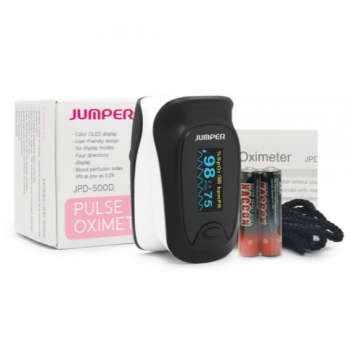
A pulse oximeter does not diagnose pneumonia, but it can help monitor oxygen-saturation trends in selected patients. Home readings should always be interpreted together with symptoms. See our pulse oximeter guide.
When should an older adult go to hospital urgently?
- shortness of breath or very rapid breathing
- sudden confusion or inability to recognize familiar people
- unusual drowsiness or difficulty waking
- bluish lips
- severe chest pain
- very poor food/fluid intake or marked weakness
- rapidly worsening cough, fever or breathlessness in a high-risk patient
For broader cold-weather risk, see our cold-wave care guide for newborns and older adults. Child pneumonia is a different topic; see child pneumonia warning signs.
Common myths
| Myth | Reality |
|---|---|
| “Pneumococcal vaccination is only for children.” | It is also recommended for older adults and many high-risk adults. |
| “If I had the flu vaccine, I do not need pneumococcal vaccination.” | The vaccines target different infections. |
| “Everyone gets the same dose schedule.” | Schedule depends on age, vaccine type and previous vaccination history. |
| “Pneumococcal vaccine is needed every year.” | It is generally not an annual vaccine; follow the relevant schedule. |
| “Vaccination means pneumonia can never happen.” | Risk is reduced, not eliminated; non-pneumococcal pneumonia can still occur. |
| “Pneumonia in older adults always causes high fever.” | Confusion, weakness or poor intake may be prominent. |
Frequently asked questions
What is the pneumonia vaccine?
It usually refers to pneumococcal vaccination, which helps reduce the risk of pneumonia, sepsis and meningitis caused by Streptococcus pneumoniae.
At what age should adults get pneumococcal vaccination?
CDC US guidance recommends routine vaccination from age 50; NHS UK guidance routinely vaccinates from age 65. In Bangladesh, discuss the decision based on your age, medical conditions and previous vaccine history.
Should people with diabetes consider pneumococcal vaccination?
Yes. Diabetes is included in risk-based vaccination guidance. Discuss it with your clinician even if you are younger than the routine age threshold.
What are PCV and PPSV23?
PCV means pneumococcal conjugate vaccine. PPSV23 means pneumococcal polysaccharide vaccine. Which combination is needed depends on the schedule and prior vaccine history.
Can the flu and pneumococcal vaccines be given together?
Yes, they can be given during the same visit.
How long does it take to develop protection?
NHS guidance says some protection usually develops within about 2–3 weeks.
What side effects are common?
Injection-site pain or swelling, mild fever, fatigue and reduced appetite are common; severe allergic reactions are rare.
What are unusual pneumonia signs in older adults?
Confusion, unusual weakness, drowsiness or poor intake can occur alongside or even before classic fever and cough.
Sources
- CDC — Pneumococcal Vaccine Recommendations.
- NHS — Pneumococcal vaccine.
- Prothom Alo — Bangladesh physician guidance on pneumonia prevention.
- The Daily Star Bangla — pneumonia risk groups and symptoms in older adults.
- Jugantor — adult vaccination and pneumococcal vaccine overview.
This article is for general health information. The choice of pneumococcal vaccine, timing and number of doses should be based on age, medical conditions and previous vaccination history. Vaccine availability differs by country and clinic.
Related Products