COPD Symptoms & Treatment: When a Smoker’s Cough Is Lung Disease
Learn COPD symptoms, smoking and pollution risks, COPD vs asthma, spirometry, inhaler treatment, pulmonary rehabilitation and flare-up warning signs.
“It’s just a smoker’s cough. I’m getting older anyway.” That is how many people explain away symptoms for years. A morning cough with phlegm, breathlessness on stairs, and repeated winter chest problems can gradually become “normal” in someone’s mind—while COPD progresses quietly in the background.
COPD, or chronic obstructive pulmonary disease, is a long-term lung disease in which airflow becomes persistently limited and breathing can become progressively more difficult. Chronic bronchitis and emphysema are part of the COPD spectrum. Common clues include long-standing cough, sputum, exertional breathlessness, wheeze and recurrent chest infections. Spirometry is central to confirming the diagnosis.
What are the symptoms of COPD?
| Symptom | How it may appear |
|---|---|
| Breathlessness | At first with walking, stairs or work; later with less exertion |
| Chronic productive cough | For months or years; often worse in the morning |
| Wheezing | A whistling sound, especially when breathing out |
| Repeated chest infections | Often associated with symptom flare-ups |
| Later features | Fatigue, weight loss or ankle swelling may occur |
Bangladeshi pulmonologists have highlighted long-term cough and breathlessness as key COPD symptoms. If these persist for months—especially with smoking or prolonged smoke/dust exposure—medical assessment is warranted.
Who is at higher risk?
- Smoking: the most important preventable risk factor.
- Air pollution: long-term exposure can add to respiratory burden.
- Biomass smoke: wood, straw, coal or traditional cooking smoke, especially in poorly ventilated kitchens.
- Occupational dust and fumes: construction, factories and industrial exposures.
- Early-life respiratory disease and genetic susceptibility: can contribute to lifetime risk in some people.
COPD can occur in people who never smoked. Bangladesh reporting has also highlighted a substantial COPD burden among non-smoking women with heavy biomass-smoke exposure.
How common is COPD in Bangladesh?
Reporting on a national study in Bangladesh indicates that about 12.5% of adults over 40 may have COPD, with a higher burden in dense urban settings. The same reporting noted that fewer than 20% of public secondary-level facilities had spirometry available, helping explain why COPD is often underdiagnosed.
COPD vs asthma: what is the difference?
| Feature | COPD | Asthma |
|---|---|---|
| Typical recognition | Often in adulthood or older age | Can occur at any age; often begins younger |
| Risk pattern | Smoking, pollution, biomass or occupational exposure | Allergy, triggers and family tendency are common |
| Symptoms | Often persistent and slowly progressive | Often variable and trigger-related |
| Airflow limitation | Persistent limitation is characteristic | Often more variable/reversible |
| Testing | Clinical assessment plus spirometry; overlap can occur | |
What is spirometry?
Spirometry measures how much air a person can blow out and how quickly. It provides an objective assessment of airflow limitation and is central to COPD diagnosis. Clinicians may add a chest X-ray, blood tests or other investigations when needed to rule out other causes of symptoms.
Current GOLD strategy emphasizes earlier recognition and better access to spirometry because underdiagnosis often delays treatment.
How is COPD managed?
Established lung damage cannot usually be fully reversed, but treatment can reduce symptoms, lower flare-up risk and slow progression. The main pillars include:
| Management | Why it matters |
|---|---|
| Smoking cessation | One of the most important ways to slow further damage |
| Prescribed inhaler therapy | Helps control airway symptoms; the clinician chooses the drug and regimen |
| Pulmonary rehabilitation | Combines exercise, breathing strategies, education and self-management |
| Vaccination | Clinician-recommended influenza and pneumococcal vaccination can help reduce infection-related exacerbation risk |
| Early flare-up treatment | Sudden worsening needs timely clinical review |
This article does not name prescription inhaler brands, molecules or doses because COPD treatment is individualized. Do not start, switch or stop an inhaler without clinical guidance.
Why inhaler technique matters
Even the right medicine may not reach the lungs effectively if technique is poor. At follow-up, demonstrate your inhaler technique to a doctor or pharmacist. Feeling better is not a reason to stop a prescribed maintenance plan on your own.
Quitting smoking still helps—no matter how long you have smoked
Smoking cessation remains meaningful in both suspected and diagnosed COPD. Behavioural support and appropriate cessation therapy can improve the chance of success. See our quit-smoking guide.
How can you reduce flare-ups during winter and polluted days?
- Reduce unnecessary outdoor exertion when AQI is high.
- A certified, well-fitted respirator can reduce pollution exposure.
- Cover the nose and mouth in cold air.
- Reduce indoor tobacco smoke, mosquito-coil smoke, incense and biomass smoke.
- Follow the prescribed inhaler/action plan.
- Practice hand hygiene and respiratory-infection prevention.
- Review vaccination plans with a clinician.
Read our Dhaka air pollution, AQI and mask guide.
Can a pulse oximeter diagnose COPD?
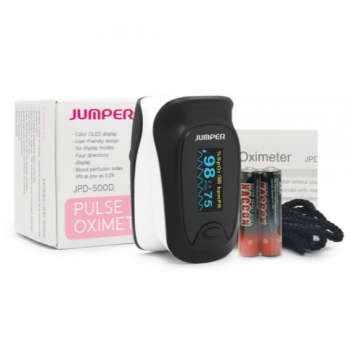
No. A pulse oximeter estimates blood oxygen saturation; it does not diagnose COPD and does not replace spirometry. It may be useful for monitoring oxygen trends in selected patients when a clinician recommends it.
When is urgent medical care needed?
- severe breathlessness even at rest or difficulty speaking
- breathing that does not improve with the usual prescribed reliever plan
- bluish lips or face
- confusion, unusual drowsiness or fainting
- new chest pain or pressure
- coughing up blood
- rapidly worsening breathlessness or sputum changes with fever
Common myths
| Myth | Reality |
|---|---|
| “It’s only a smoker’s cough.” | Persistent cough plus breathlessness may signal COPD and may warrant spirometry |
| “You cannot get COPD if you never smoked.” | Air pollution, biomass smoke and occupational exposure can also contribute |
| “There is no point quitting after decades of smoking.” | Smoking cessation remains important at every stage |
| “Inhalers are addictive.” | Prescribed inhalers are treatment, not addiction; use them as directed |
| “Breathlessness means all exercise should stop.” | Supervised pulmonary rehabilitation can improve functional capacity |
Frequently asked questions
What is COPD?
A long-term lung disease with persistent airflow limitation that can make breathing progressively more difficult; chronic bronchitis and emphysema are part of the spectrum.
What are the most common COPD symptoms?
Exertional breathlessness, chronic productive cough, wheeze and recurrent chest infections.
Can COPD occur in non-smokers?
Yes. Air pollution, biomass smoke, occupational dust/fumes and some genetic or lifetime factors can contribute.
Are COPD and asthma the same?
No. They can share symptoms, but typical onset, trigger patterns and airflow limitation differ. Spirometry helps with assessment.
Which test confirms COPD?
Spirometry is central to diagnosis. Other tests may be added to rule out alternative causes.
Can COPD be cured?
Established structural damage is not usually fully reversible, but smoking cessation, prescribed inhalers, pulmonary rehabilitation, vaccination and flare-up prevention can improve outcomes.
Which vaccines may be relevant in COPD?
Respiratory infections can trigger exacerbations, so clinician-recommended influenza and pneumococcal vaccination plans should be reviewed.
Can a pulse oximeter replace spirometry?
No. Pulse oximetry estimates oxygen saturation; spirometry evaluates airflow. They answer different questions.
Sources
- GOLD — Global Strategy for Prevention, Diagnosis and Management of COPD.
- GOLD — World COPD Day: early diagnosis and management.
- The Daily Star — Bangladesh COPD burden and spirometry access.
- Prothom Alo — Bangladeshi pulmonologists on COPD symptoms, smoking and air pollution.
- NHS 111 Wales — COPD symptoms, testing and management.
This article is for general health information. Persistent cough, sputum or breathlessness should be assessed by a qualified clinician or pulmonologist. Do not start, stop or change prescription inhalers or other medicines on your own.
[executed on device: Aziz-MacBook.local (e21e2c25-9602-4c8d-b57a-8ddf9e985cd7)]
Related Products