How to Quit Smoking: Nicotine Gum, Patches and NRT Guide

Trying to quit smoking? Learn how nicotine gum, patches and lozenges work, how to use combination NRT, the 2 mg vs 4 mg gum rule and what changes after quitting.
“This time I really will quit”—until the tea arrives and the urge for a cigarette suddenly takes over. The first few days may bring headaches, irritability, restlessness and strong cravings. Quitting is difficult not because of weak willpower, but because nicotine dependence affects both the body and daily routines.
An evidence-based quit plan usually combines three things: a quit date, behavioural support and, when appropriate, nicotine replacement therapy (NRT) such as a patch, gum or lozenge. WHO recommends combining effective cessation medicines with behavioural support.
What happens to your body after you quit smoking?
NHS quit-smoking guidance shows that benefits begin quickly:
| Time | What changes |
|---|---|
| 20 minutes | Pulse rate starts returning toward normal |
| 8 hours | Carbon monoxide in the blood falls substantially |
| 48 hours | Carbon monoxide approaches non-smoker levels; taste and smell begin improving |
| 72 hours | Breathing may feel easier and energy may improve |
| 2–12 weeks | Circulation improves |
| 3–9 months | Cough, wheeze and breathing problems can improve |
| 1 year | Heart-attack risk is about half that of a smoker |
| 10 years | Risk of death from lung cancer is about half that of a smoker |
| 15 years | Heart-attack risk approaches that of someone who has never smoked |
How does nicotine replacement therapy work?
Most of the damage from cigarettes comes from smoke toxins such as tar and carbon monoxide. Nicotine is the substance that drives dependence. NRT gives controlled nicotine without tobacco smoke, helping reduce withdrawal and cravings while you work on habits and triggers.
WHO recommends NRT as an effective tobacco-cessation treatment. Adding behavioural counselling improves the chance of quitting successfully.
Patch, gum or lozenge?
| Form | Best use | How to use | Common issues |
|---|---|---|---|
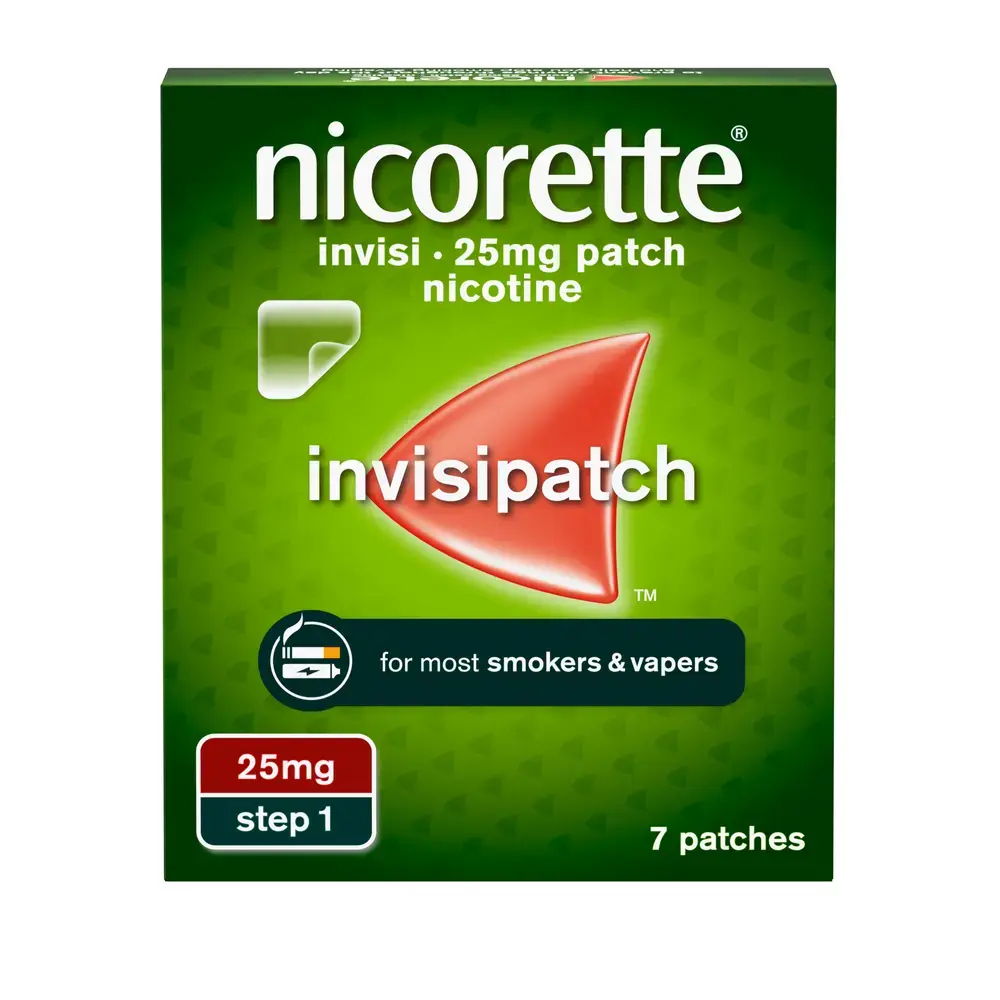
| Patch | All-day baseline craving control | Apply to clean, dry, non-hairy skin; usually replace every 24 hours and rotate sites | Skin irritation, headache, nausea, sleep disturbance |
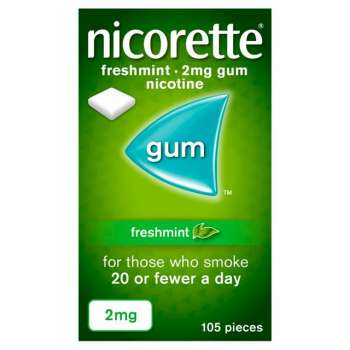
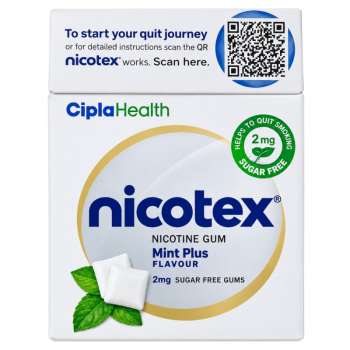
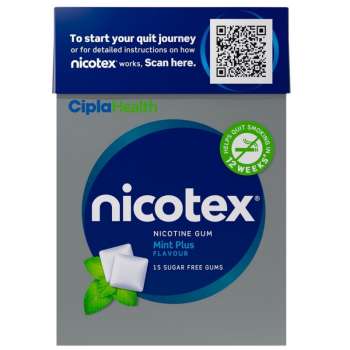
| Gum | Sudden cravings | Use the “chew and park” technique | Jaw discomfort, hiccups, nausea |
| Lozenge | Sudden cravings; an alternative to gum | Let it dissolve slowly; do not chew | Mouth/throat irritation, hiccups, nausea |
The NCSCT July 2026 quick reference supports using a patch together with faster-acting NRT such as gum or lozenges. A Cochrane review summarised by NIHR also found combination NRT more effective than a single form.
Nicotine gum: 2 mg or 4 mg?
NCSCT's practical “30-minute rule” is useful:
- If the first cigarette is within 30 minutes of waking, a 4 mg gum is commonly considered.
- If the first cigarette is after 30 minutes, a 2 mg gum is commonly considered.
Your exact product leaflet, smoking intensity and pharmacist or clinician advice take priority.
How do you use nicotine gum correctly?
- Chew slowly until you notice a peppery taste or tingling.
- Stop chewing and “park” the gum between the cheek and gum.
- After about a minute, chew a few times again and then park it.
- Repeat until the craving has passed or weakened.
NCSCT guidance allows up to 15 pieces a day in its quick-reference advice; always follow the maximum stated on your own product leaflet.
How do you use a nicotine patch?
- Apply to clean, dry, non-hairy skin.
- A 24-hour patch is usually replaced every 24 hours.
- Rotate the application site each day.
- If sleep is disturbed, a 16-hour patch or removing a 24-hour patch at bedtime may be an option in some guidance.
- Ask a pharmacist or clinician if skin irritation is significant.
Patch strengths vary by brand and market, so this guide does not give a universal mg schedule.
Can you use a patch and gum together?
Yes. This is combination NRT: the patch provides background nicotine control while gum or lozenges treat sudden cravings. In the NIHR summary of a Cochrane review involving 63 studies and 41,509 participants, combination NRT produced about 25% higher long-term quit success than a single form (17% vs 14%), with serious adverse events uncommon.
How long is NRT usually used?
NCSCT generally recommends around 8–12 weeks, although some people may need longer. Stopping too early can increase relapse risk. A step-down plan should match the product and level of dependence.
Medication helps—but triggers still matter
Smoking often becomes linked to tea or coffee breaks, work stress, after-meal routines and social situations. A 2026 Ittefaq report also highlighted tea/coffee-associated smoking and mental stress as common barriers to quitting.
- Set a realistic quit date.
- Change routines around your strongest triggers.
- Tell family or friends so they can support the first few weeks.
- WHO recommends brief health-worker advice, more intensive counselling and digital support such as text messages or apps.
Bangladesh context
WHO Bangladesh's 2026 tobacco-control update still cites GATS 2017 as the latest national adult survey figure: 35.3% of adults used tobacco, about 37.8 million people; 18.0% smoked tobacco and 20.6% used smokeless tobacco.
Bangladesh's 2025 amended tobacco-control ordinance bans emerging tobacco and nicotine products including e-cigarettes and heated tobacco products. This guide therefore does not recommend vaping as a quit-smoking option.
What about smokeless tobacco such as jorda, sadapata or gul?
WHO's cessation guideline also applies to smokeless tobacco users. Behavioural support and appropriate cessation treatment can be discussed with a doctor or pharmacist.
Who should get advice before choosing an NRT product?
- pregnancy or breastfeeding
- a recent serious cardiovascular event or significant arrhythmia
- severe skin disease if considering a patch
- jaw or dental problems if considering gum
- multiple medicines or uncertainty about which product is appropriate
NCSCT mentions a 16-hour patch option in pregnancy. WHO lists varenicline, NRT, bupropion and cytisine as effective cessation treatments, but medicine choice during pregnancy or breastfeeding should be clinician-led.
Possible side effects
| Form | Common issues |
|---|---|
| Patch | Skin irritation, headache, dizziness, nausea, sleep disturbance |
| Gum | Jaw discomfort, hiccups, nausea, mouth or throat irritation |
| Lozenge | Mouth or throat irritation, hiccups, nausea, headache |
Common mistakes
- chewing nicotine gum continuously like ordinary gum
- placing a patch on the same site every day
- using only a patch despite frequent breakthrough cravings
- stopping NRT after only a week or two
- buying a product without a quit plan
- treating smokeless tobacco as a safe alternative
Common myths
- “Quitting is only about willpower.” Behavioural support plus effective treatment improves quit success.
- “Nicotine gum is just another cigarette addiction.” NRT provides controlled nicotine without smoke toxins and is used as a structured cessation treatment.
- “You cannot use a patch and gum together.” Combination NRT is evidence-based and can work better than one form alone.
- “I have smoked for years, so quitting now will not help.” Health benefits begin within minutes.
Frequently asked questions
What is the most effective way to quit smoking?
WHO recommends combining effective pharmacotherapy with behavioural support. NRT, varenicline, bupropion and cytisine are among the evidence-based options.
Nicotine gum: 2 mg or 4 mg?
NCSCT's practical rule uses time to first cigarette: within 30 minutes of waking commonly points to 4 mg; 30 minutes or later commonly points to 2 mg. Follow your product leaflet and pharmacist advice.
How should nicotine gum be chewed?
Chew slowly until tingling or a peppery taste appears, then park the gum between the cheek and gum. Repeat the chew-and-park cycle until the craving eases.
Can a nicotine patch and gum be used together?
Yes. Combination NRT can improve quit success by using the patch for baseline control and gum or lozenges for sudden cravings.
How long is NRT usually used?
Common guidance is around 8–12 weeks, with longer use when needed.
Can nicotine patches be used during pregnancy?
Do not self-start treatment. NCSCT mentions a 16-hour patch option in pregnancy; discuss the plan with a clinician.
How quickly do the benefits of quitting begin?
Pulse-rate improvement can begin within 20 minutes; by 1 year, heart-attack risk is about half that of a smoker.
Related reading
Sources
- WHO — Clinical treatment guideline for tobacco cessation in adults, 2024.
- NCSCT — Stop smoking aids quick reference, updated July 2026.
- NIHR Evidence — Combination nicotine replacement therapy, 2019.
- NHS — Benefits of quitting smoking / quit timeline.
- WHO Bangladesh — Tobacco-control update, February 2026; GATS 2017 figures.
- Ittefaq — Smoking-cessation practical advice, 31 May 2026.
This article is for general health information. NRT dose, product choice and duration can vary according to nicotine dependence, pregnancy status and medical history. Read the product leaflet and ask a pharmacist or clinician for advice.
Related Products