

Lung Cancer Symptoms: Can You Get It Without Smoking?
Recognize persistent cough, coughing blood, weight loss and other lung cancer signs, plus risks from secondhand smoke, cooking fumes and air pollution.
A persistent cough deserves an answer
A person who has never smoked may still develop lung cancer. Smoking is the largest preventable risk, but it is not the only one. At the same time, most persistent coughs are not lung cancer: infection, tuberculosis, asthma and COPD may produce overlapping symptoms. The safest approach is to investigate concerning changes, rather than assume either cancer or a harmless cold.
Symptoms that should not be overlooked
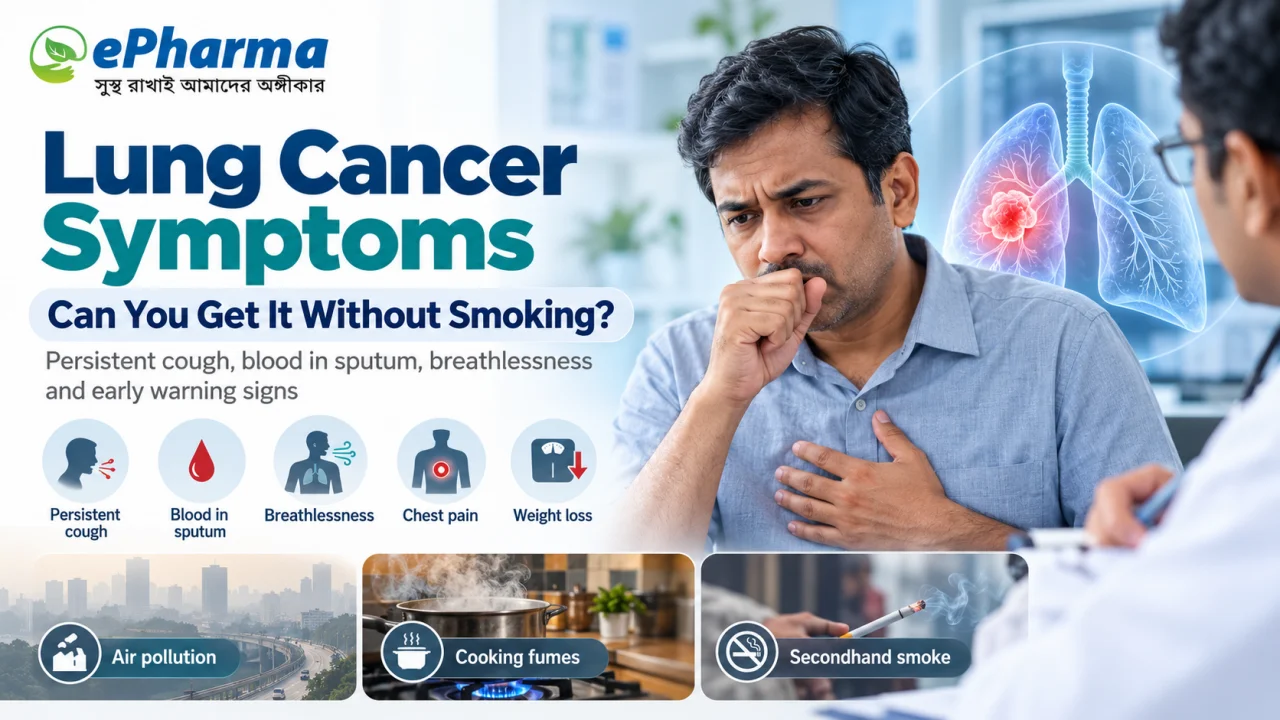
A cough that does not settle, a change in a long-standing cough, blood in sputum, increasing breathlessness, chest or shoulder pain, recurring chest infections, unexplained weight loss, reduced appetite and persistent fatigue all warrant attention. Less common signs include a hoarse voice, difficulty swallowing, facial or neck swelling and finger clubbing. Early lung cancer may cause no obvious symptoms.
When to seek medical help
The NHS advises medical review when a cough lasts longer than three weeks. In Bangladesh, a cough of two weeks or more is also an important reason to consider tuberculosis assessment, so waiting for three weeks is not necessary. Coughing up blood requires prompt assessment; major bleeding, severe breathing difficulty or intense chest pain demands emergency care.
Why lung cancer also occurs in people who never smoke
Secondhand tobacco smoke, ambient air pollution, prolonged exposure to smoke from polluting household fuels, occupational carcinogens such as asbestos, radon and inherited or genetic factors can contribute to risk. The effect depends on dose and duration; exposure alone does not prove an individual will develop cancer.
Cooking smoke and household air pollution
WHO reports that inefficient combustion of wood, coal, biomass and kerosene can expose families to harmful fine particles and carcinogens. Its December 2025 fact sheet estimates that around 11% of adult lung cancer deaths are attributable to carcinogenic exposure from household air pollution. Cleaner household fuels and better ventilation are meaningful preventive measures.
Who should be more alert?
Current or former smokers, people living or working around secondhand smoke, those with long-term poorly ventilated cooking exposure, workers handling carcinogenic dust or chemicals, people in highly polluted environments, and those with a family history of lung cancer should discuss their individual risk with a clinician.
Could it be tuberculosis or COPD?
Tuberculosis, COPD, respiratory infections and lung cancer can share cough, breathlessness, weight loss and sometimes bloody sputum. Symptoms cannot reliably identify the cause. An assessment may include sputum tests for tuberculosis and appropriate chest imaging. Two conditions can coexist.
How lung cancer is diagnosed
After a history and examination, clinicians may arrange a chest X-ray and diagnostic CT scan, followed where indicated by bronchoscopy, needle sampling or tissue biopsy. Pathology is generally needed to confirm the diagnosis. Low-dose CT screening is a separate program for certain higher-risk people without symptoms, not a substitute for investigating a current concerning cough.
Does early detection improve treatment options?
Treatment depends on lung cancer type, stage and overall health and may include surgery, radiotherapy or systemic therapy. Some early-stage cancers are potentially curable, but no individual outcome is guaranteed and a single surgery success percentage does not apply to everyone. Timely specialist assessment matters.
How to reduce avoidable exposure
Stop smoking and keep homes and vehicles smoke-free. Use cleaner cooking methods and adequate ventilation. Follow occupational safety requirements around asbestos and chemical hazards. Correctly fitted particulate respirators may reduce particle exposure in suitable settings, but they do not prevent all hazards or guarantee protection against cancer.
What the related products can and cannot do
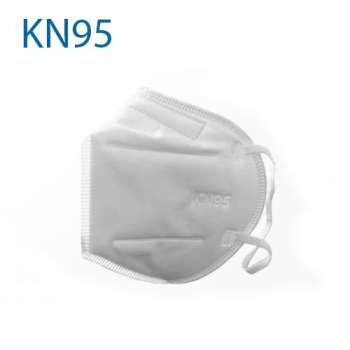
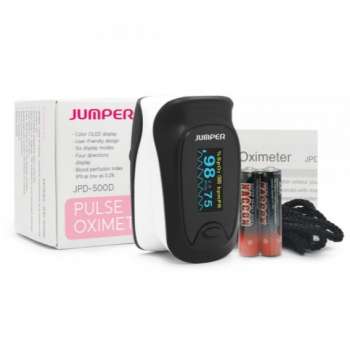
A pulse oximeter estimates blood oxygen saturation; it does not detect lung cancer and normal oxygen readings do not rule out serious disease. KN95-type masks may reduce exposure to some airborne particles when they fit well, but they do not replace workplace-specific respiratory protection or protect against every gas or chemical. Symptoms require clinical assessment, not product purchases.
Related reading: COPD · Air pollution · Smoking cessation
Frequently asked questions
What are early lung cancer symptoms?
Persistent cough, coughing blood, breathlessness, chest pain and unexplained weight loss may occur, though early disease can have no symptoms.
Can nonsmokers develop lung cancer?
Yes. Secondhand smoke, air pollution, indoor cooking smoke, occupational carcinogens and genetics can contribute.
How long should a cough last before seeking help?
Seek assessment for a cough persisting beyond three weeks; earlier if red flags or possible TB.
Does coughing blood always mean cancer?
No, but it always needs prompt medical assessment.
Can household cooking smoke increase risk?
Yes. WHO links carcinogens from polluting household fuels to lung cancer risk.
How is lung cancer diagnosed?
Appropriate imaging and, if indicated, a biopsy for pathology.
Is low-dose CT screening the same as a diagnostic scan?
No. Screening is for selected asymptomatic higher-risk people; symptoms need clinical evaluation.
Can a pulse oximeter detect lung cancer?
No. It measures estimated oxygen saturation, not cancer.
Does quitting smoking help after many years?
Yes. Quitting reduces risk and improves overall health at any age.
References
- NHS — Symptoms of lung cancer
- WHO — Household air pollution and health
- The Daily Star Bangla — Lung cancer prevention
- Prothom Alo — Lung cancer health discussion
- IARC Global Cancer Observatory
For health education only. Seek medical evaluation for coughing blood or a persistent cough.
Related Products