

Enlarged Prostate (BPH): Symptoms, PSA Levels and When to Seek Care

Enlarged prostate symptoms, frequent urination at night, PSA age-related referral thresholds, tests, treatment options and urgent warning signs.
Waking up to urinate again?
Getting up repeatedly at night or waiting for your urine stream to start can feel like an unavoidable part of ageing. But urinary changes that disrupt sleep or daily life deserve a medical review. An enlarged prostate is one possibility; infection, diabetes and other conditions can produce similar symptoms. An enlarged prostate is not automatically cancer.
What is BPH?
The prostate is a small gland beneath the bladder, surrounding the upper part of the urethra. Benign prostatic hyperplasia (BPH) is a non-cancerous increase in prostate tissue, often with age. It may narrow the urinary passage and affect bladder emptying. BPH is not prostate cancer, although separate prostate conditions can coexist.
Common symptoms of prostate enlargement
A weaker or interrupted stream, difficulty starting, straining, dribbling, and a feeling that the bladder is not empty are voiding symptoms. Frequent urination, urgency, leakage and repeated waking at night are storage symptoms. Nocturia alone does not prove BPH; other health issues can contribute.
When is it urgent?
Inability to pass urine with painful lower abdominal swelling is a medical emergency. Visible blood in urine, fever and shaking chills with urinary symptoms, or markedly reduced urine output also needs prompt assessment. Persistent obstruction can contribute to infection, bladder stones and kidney damage. A clinician may use a catheter for acute retention; do not attempt to insert one yourself.
How doctors investigate urinary symptoms
Assessment may include a symptom and medication history, examination of the abdomen and prostate, urinalysis and culture, ultrasound, a post-void residual check, uroflowmetry or a PSA blood test when appropriate. PSA alone cannot diagnose or rule out prostate cancer. A specialist may recommend additional imaging or a biopsy if findings justify it.
What PSA level is normal?
There is no single PSA value that is universally normal. PSA is a protein measured in blood. The UK's NICE NG12 provides age-specific thresholds for urgent referral of people with possible prostate cancer symptoms. These are referral decision points, not universal normal laboratory ranges or automatic cancer diagnoses.
| Age (years) | NICE referral threshold (ng/mL) |
|---|---|
| 40–49 | > 2.5 |
| 50–59 | > 3.5 |
| 60–69 | > 4.5 |
| 70–79 | > 6.5 |
These UK values apply to suspected-cancer referral decisions in symptomatic people, not standalone PSA diagnoses or Bangladesh-specific laboratory cutoffs.
Does raised PSA mean cancer?
No. PSA can increase with benign enlargement, urinary infection, inflammation, ageing, recent ejaculation or vigorous exercise. Cancer may also occur without raised PSA. Cancer Research UK explains that most individuals with an elevated result do not have prostate cancer. Decisions depend on the PSA reading alongside symptoms, age, family history and clinical assessment.
Before your PSA blood test
You may be advised to avoid ejaculation and vigorous exercise for 48 hours beforehand. A urinary infection, recent prostate biopsy or urological procedure may mean the blood test should be delayed. Ask your clinician about timing rather than using an isolated number or trying medicines on your own.
Does every person with BPH need surgery?
No. Mild symptoms may be managed with monitoring and lifestyle changes. Medicines prescribed by a clinician may help when symptoms affect quality of life; surgery can be necessary for severe obstruction or complications. Do not start or stop prescribed treatment without medical advice.
Practical habits to discuss
Reducing large drinks, caffeine and alcohol near bedtime may help nocturia, but avoid daytime dehydration. Staying active, managing weight and preventing constipation can help urinary wellbeing. Some cold and allergy medicines can worsen retention; tell a pharmacist or clinician about existing prostate symptoms before starting a new medicine.
How the related products fit
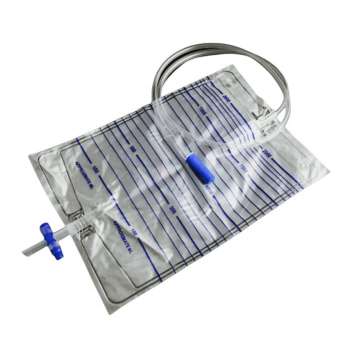
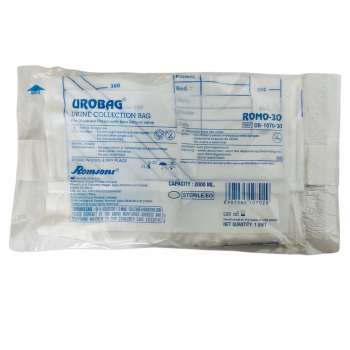
The urine collection bags and adult incontinence care products shown with this article are supportive devices, not treatments for BPH, high PSA or prostate cancer. Collection bags are relevant only to patients who use a catheter under professional direction; absorbent products can help selected people manage leakage. Product selection and sizing should reflect individual needs and clinical advice.
Related reading: Creatinine and kidney health।
Frequently asked questions
What are the signs of an enlarged prostate?
Weak stream, hesitancy, urgency, dribbling, incomplete emptying and waking at night may occur.
Does BPH mean prostate cancer?
No. BPH is benign, but symptoms alone cannot reliably exclude other conditions.
Does a PSA above 4 mean cancer?
No. PSA can be raised for several non-cancerous reasons; interpret results clinically.
What is a normal PSA level?
There is no universal number; NICE age-specific values are referral thresholds for symptomatic patients.
What if I cannot urinate?
Seek emergency medical attention, especially with lower abdominal pain or swelling.
How do I prepare for a PSA blood test?
Discuss infections and recent procedures, and generally avoid ejaculation or strenuous exercise for 48 hours.
Is prostate surgery always required?
No. Management ranges from observation to prescribed treatment and sometimes surgery.
Do urine collection bags treat prostate enlargement?
No. They are supportive catheter-care items only when clinically indicated.
References
- NICE suspected cancer referral PSA thresholds
- Cancer Research UK PSA test
- Cancer Research UK PSA primary care 2026
- NICE male lower urinary tract symptoms
- Prothom Alo — prostate problems
- Prothom Alo — prostate enlargement
For general health education; seek individualized advice from a qualified medical professional.
Related Products