

Tuberculosis Symptoms: A Two-Week Cough, Free Testing and Treatment
TB symptoms, when a cough lasting two weeks needs testing, free diagnosis and treatment in Bangladesh, GeneXpert, DOTS and drug resistance.
When a cough lasts two weeks
A lingering cough can start like an ordinary cold, while fever, night sweats or weight loss develop gradually. In Bangladesh, tuberculosis (TB) is still an important cause to consider. Prompt assessment benefits both the person affected and their household. TB is treatable and usually curable with proper care.
Recognizing TB symptoms
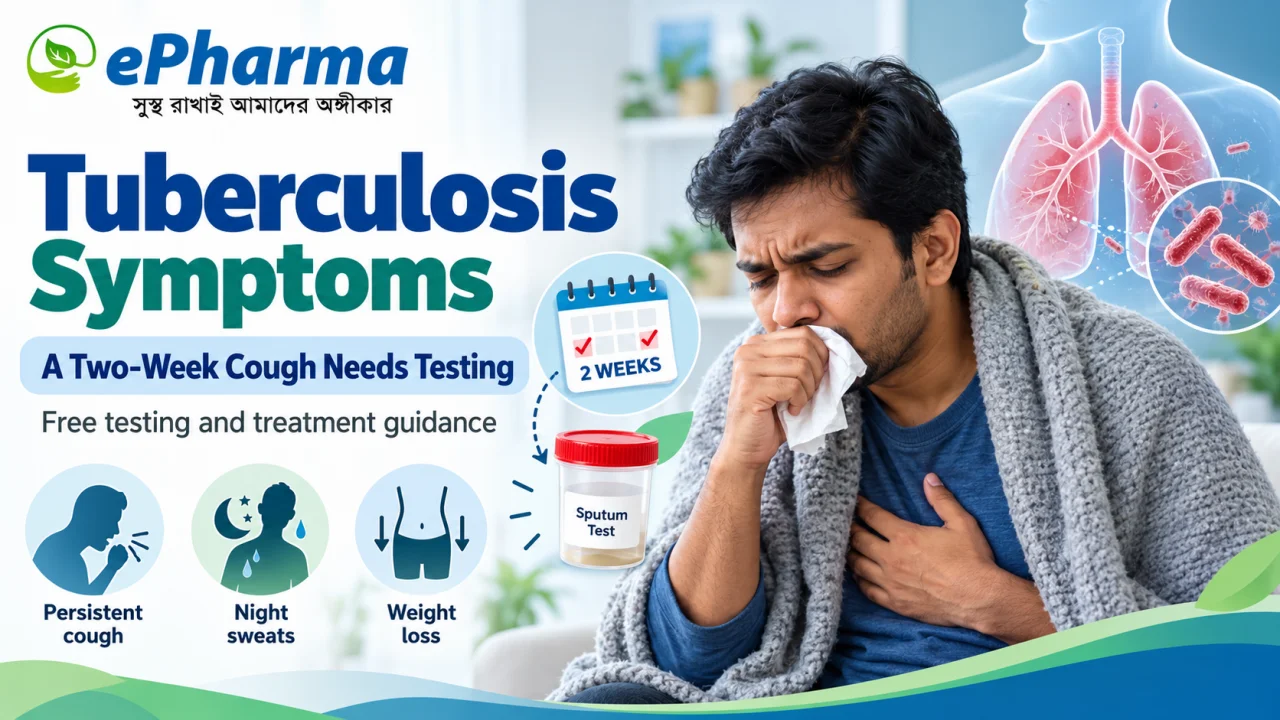
Symptoms may include a long-lasting cough, sputum or sometimes blood in sputum, fever, night sweats, tiredness, loss of appetite, weight loss and chest discomfort. Symptoms can be mild initially. TB can affect organs outside the lungs. A persistent cough also has other possible causes, so symptoms alone cannot establish TB.
Two weeks or three weeks?
A former leader of Bangladesh’s National Tuberculosis Control Programme advised testing after two weeks of cough, whereas some older clinician interviews mention three weeks. In Bangladesh, seeking TB evaluation after two weeks or more of cough is prudent, and sooner when there is coughing blood, fever, night sweats, weight loss or a known household contact.
How tuberculosis spreads
People with infectious TB affecting the lungs or throat can release airborne bacteria through coughing, speaking and sneezing. Poor ventilation increases exposure. Latent TB infection generally does not spread to others. TB is not spread through shared utensils, clothing or handshakes. Appropriate precautions and care are better than stigma.
Free TB testing in Bangladesh
Bangladesh’s National Tuberculosis Control Programme provides designated testing and treatment free through programme facilities, as clinicians explained in a July 2026 Bangladesh Sangbad Sangstha report. Ask your Upazila Health Complex, district hospital or chest clinic about sputum collection and GeneXpert molecular testing. Confirm the current service location and hours.
GeneXpert, sputum samples and X-rays
WHO recommends rapid molecular tests as initial diagnostic tools for people with suspected TB. They can detect the bacteria and certain drug-resistance markers. A chest X-ray helps evaluate the lungs but does not confirm every case on its own. Children and patients with TB outside the lungs may need different samples or investigations.
Why a full treatment course matters
Many patients with drug-susceptible TB receive a six-month course. WHO also recognizes four-month regimens for selected patients. Duration depends on disease site, age, resistance and other factors. Do not stop TB treatment just because symptoms improve. Contact the clinical team promptly if you experience adverse effects or difficulty continuing therapy.
Drug-resistant TB and treatment support
Resistance can arise when treatment is inappropriate or interrupted, but a person may also become infected directly with resistant TB; do not blame every patient. DOTS and other supportive services help people complete therapy. Resistant TB needs special testing and an appropriate specialist-led regimen, sometimes including shorter all-oral options for eligible patients.
What household contacts should do
Support treatment, improve ventilation, and follow advice on cough etiquette. A medical mask for the patient and a fitted respirator for healthcare workers or other higher-risk individuals have different infection-control roles. Discuss screening for household contacts, particularly children and vulnerable people, and possible preventive treatment.
When medical attention is urgent
Coughing up a lot of blood, severe breathlessness or major chest pain requires emergency help. During treatment, yellow eyes or skin, repeated vomiting, significant abdominal pain or a severe rash needs prompt assessment. Follow up if symptoms are not improving.
How the mask products relate
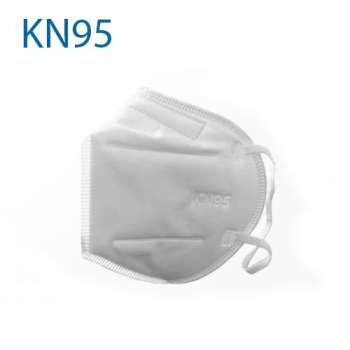
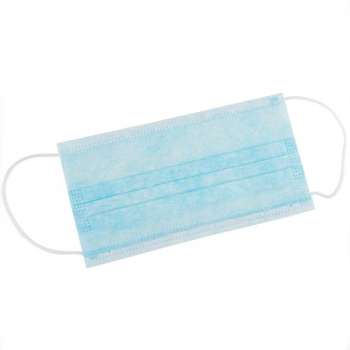
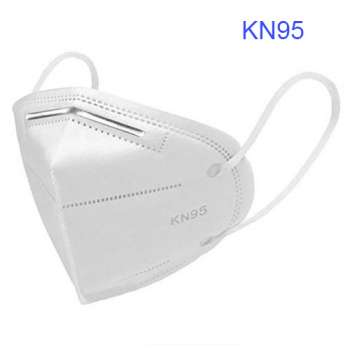
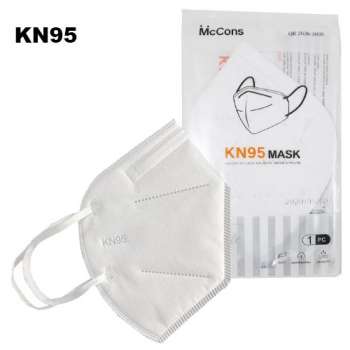
The surgical and KN95-type masks attached to this guide are supportive precautions, not TB treatment. Correct use and fit matter, and they cannot replace ventilation, testing or an effective drug regimen. TB medicines are deliberately not advertised for purchase; use qualified National TB Programme services.
Related reading: Antibiotic adherence · Persistent cough and lung cancer
Frequently asked questions
What are the first signs of TB?
Persistent cough, fever, night sweats, weight loss, fatigue and sometimes bloody sputum.
Should a two-week cough be tested?
In Bangladesh a two-week cough warrants assessment; seek help earlier with warning signs.
Is TB testing free in Bangladesh?
Designated National TB Programme services offer free tests and treatment; verify your nearest facility.
What is GeneXpert?
A rapid molecular test detecting TB and some resistance markers.
How long is TB treatment?
Often six months; selected patients have four-month options, while resistant TB needs different care.
Can I stop when I feel better?
No, follow the clinical treatment plan and report side effects.
Can TB spread through utensils?
No, infectious pulmonary TB spreads primarily through airborne particles.
What should household contacts do?
Ask about screening, ventilation, precautions and preventive treatment.
Is drug-resistant TB curable?
Yes, with appropriate specialized testing and treatment.
References
Related Products