

Child Pneumonia Symptoms: Is a Winter Cough Just a Cold?
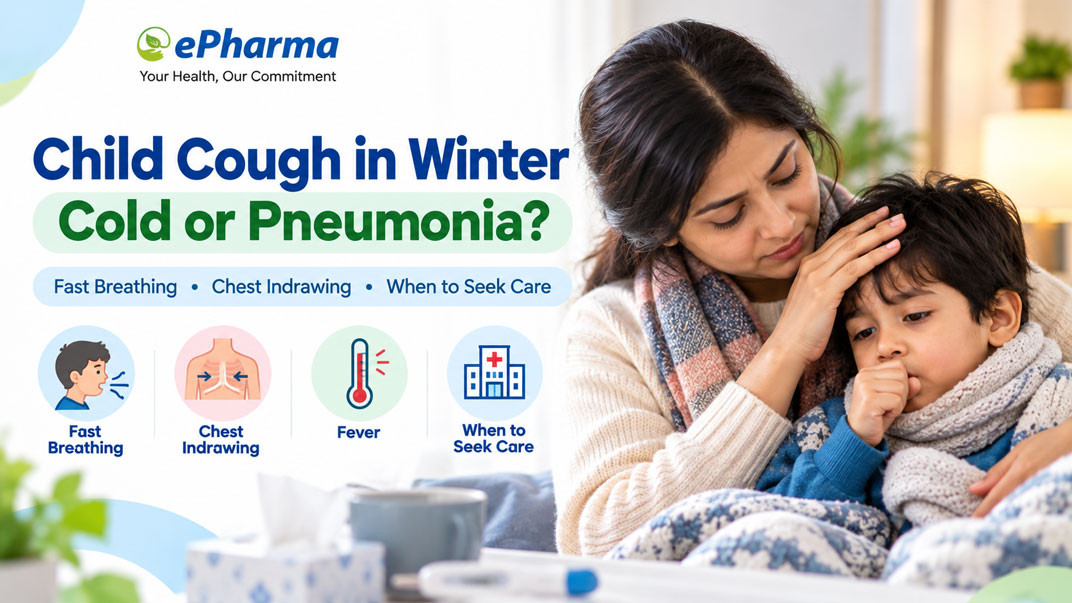
A practical guide to child pneumonia symptoms, fast breathing, chest indrawing, feeding problems, winter home care, and urgent warning signs.
Quick answer: Coughs and colds are common in children during winter, but pneumonia should be suspected when cough is accompanied by fast breathing, lower chest wall indrawing, difficulty feeding or drinking, marked weakness, or bluish lips/tongue. Count breaths for a full minute while the child is calm. WHO child pneumonia guidance uses 50 or more breaths/minute for age 2–11 months and 40 or more for age 12 months–5 years as fast breathing thresholds. These numbers do not diagnose pneumonia on their own—seek urgent care if danger signs are present. Do not start antibiotics or cough syrup on your own.
Many parents ask the same question in winter: “Is this just a cold, or is it becoming pneumonia?” Most viral colds improve on their own, but pneumonia affects the lungs and can worsen quickly in young children. WHO identifies pneumonia as a major infectious cause of death in children under 5, responsible for about 14% of under-5 deaths globally.
Cold or pneumonia: what is the difference?
| What to look for | More consistent with a simple cold | Raises concern for pneumonia |
|---|---|---|
| Nose/throat | Runny nose, sneezing, mild sore throat | May still be present, but breathing symptoms become more important |
| Cough | Mild or dry; child remains fairly active | Cough with fast or difficult breathing |
| Fever | May be absent or mild | May be present, but pneumonia can also occur without high fever |
| Breathing | Normal | Fast breathing, grunting, nasal flaring, visible effort |
| Chest | Moves normally | Lower chest wall pulls inward during inhalation |
| Feeding | Mostly normal | Markedly reduced or unable to drink/feed |
| Overall condition | Interactive, reasonably active | Lethargic, unusually sleepy, difficult to wake |
This table is a decision aid, not a diagnosis. Bronchiolitis, asthma/wheezing, influenza, measles, and other infections can look similar. A clinician should confirm the diagnosis.
Check these 3 things first at home
1. Breathing rate
Count the rise and fall of the chest or abdomen for a full 60 seconds while the child is calm or asleep. WHO childhood pneumonia guidance commonly uses:
- Age 2–11 months: 50 or more breaths/minute = fast breathing
- Age 12 months–5 years: 40 or more breaths/minute = fast breathing
For babies under 2 months, cough or breathing difficulty with poor feeding, fever/low temperature, unusual sleepiness, grunting, or other concerning signs needs prompt medical assessment rather than home interpretation of a cut-off.
2. Lower chest wall indrawing
Remove bulky clothing and watch the lower ribs while the child breathes in. If the lower chest wall repeatedly pulls inward during inhalation, this is an important sign of respiratory distress. WHO also treats fast breathing and lower chest wall indrawing as core signs in under-5 pneumonia assessment.
3. Feeding and drinking
Watch whether the child is breastfeeding, drinking, or eating much less than usual. Being unable to drink or breastfeed, or vomiting everything, is a general danger sign. Very little urine, a dry mouth, or sunken eyes may suggest dehydration.
Go to hospital urgently if you see these signs
- obvious difficulty breathing, very fast breathing, or grunting
- lower chest wall indrawing
- bluish lips or tongue, or abnormal skin colour
- unable to drink or breastfeed
- repeated vomiting of everything
- seizure, fainting, severe drowsiness, or difficulty waking
- severe dehydration or very little urine
- the child looks very unwell even if the fever is not very high
- breathing problems in a baby under 2 months
- significant malnutrition, immune problems, or chronic heart/lung disease
Do not rely on a single home pulse-oximeter number to decide whether a child is safe. Movement, cold fingers, poor probe fit, and device quality can affect readings. If breathing difficulty or chest indrawing is visible, seek care even if a home reading looks reassuring.
How many days of fever is too long?
The number of fever days alone does not diagnose pneumonia. A fever lasting more than about 3 days, worsening fever, or new breathing symptoms should prompt medical review. But do not wait for a day-count threshold if the child has breathing difficulty, chest indrawing, cyanosis, inability to drink, or seizures.
What to do for a blocked nose
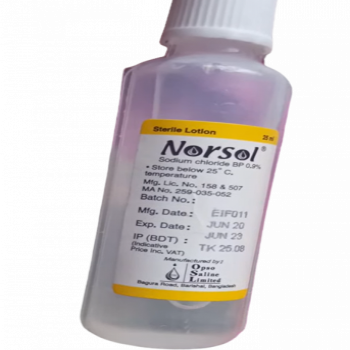
A blocked nose can make feeding difficult, especially in infants. With pharmacist/clinician advice, normal saline nasal drops may help before feeds. Avoid medicated/decongestant nasal drops unless specifically advised for the child.
Home care for a child with cough or respiratory infection
- Continue breastfeeding: especially important for hydration and nutrition in younger children.
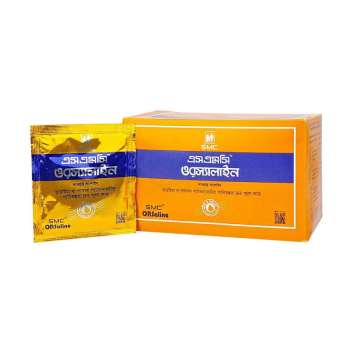
- Offer small frequent fluids: water, soup, or ORS when appropriate. Mix ORS exactly according to the packet instructions.
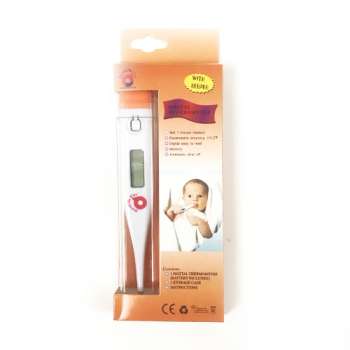
- Track temperature: use a digital thermometer consistently and record the readings.
- Keep the child comfortably warm: avoid both chilling and overheating.
- Avoid smoke: cigarette smoke, mosquito-coil smoke, cooking smoke, and indoor air pollution can worsen respiratory symptoms.
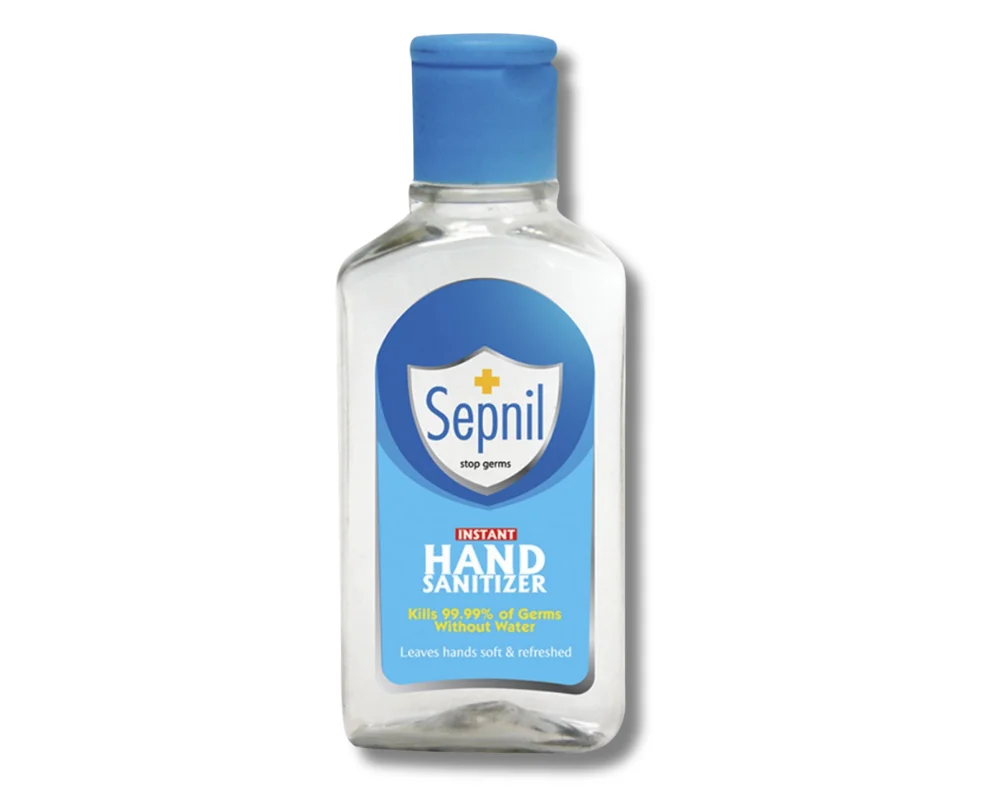
- Use good hand hygiene: this helps reduce spread of respiratory infections.
- Keep sick children home from school/daycare: allow rest and reduce exposure to others.
Does every cough need antibiotics?
No. Antibiotics do not work for the common cold, many viral respiratory infections, or bronchiolitis. But bacterial pneumonia can require prompt antibiotic treatment, and the clinician should choose the correct drug, dose, and duration.
WHO lists amoxicillin as a common first-line antibiotic for many cases of bacterial childhood pneumonia, but child-specific treatment is prescription-based. This article intentionally does not promote an antibiotic product.
Should you give cough syrup to a young child?
Do not give OTC cough/cold syrup to a young child without professional advice. What is safe or useful depends on age, weight, the cause of the cough, and other medical conditions. Persistent cough, wheeze, night-time cough, or repeated episodes need a clinician review.
What about steam or herbal remedies?
Bowls or kettles of hot steam can cause serious burns, so this article does not recommend steam therapy. Herbal mixtures are not a substitute for pneumonia treatment or medical assessment.
Does cold weather itself cause pneumonia?
Cold air does not directly “cause” pneumonia. During winter, people spend more time indoors, respiratory viruses spread more easily, and cold/dry air may irritate the airways. Infection, immunity, nutrition, smoke exposure, and vaccination status are more important drivers of risk.
How to reduce a child's pneumonia risk
- Keep routine vaccines up to date: pneumococcal, Hib, pertussis, measles, and other scheduled vaccines reduce important causes or complications of pneumonia.
- Exclusive breastfeeding for the first 6 months: WHO identifies this as protective.
- Good nutrition: malnutrition increases both risk and severity.
- Keep the home smoke-free: avoid tobacco smoke and household air pollution.
- Handwashing and cough hygiene: reduce infection spread.
- Limit close contact with sick people: especially for newborns and high-risk children.
How are measles and pneumonia connected?
Pneumonia is a major complication of measles. Keeping MR vaccination up to date matters, especially during an outbreak. A child with fever and rash plus cough or breathing difficulty should be assessed promptly.
Useful items to keep at home
- Digital thermometer: to track fever trends
- ORS: for hydration support when intake is poor or there is diarrhoea/vomiting, used exactly as directed
- Hand sanitizer: for caregiver hand hygiene when soap and water are not available
- Normal saline nasal drops: for a blocked nose when advised by a pharmacist/clinician
Related reading
- How to Use a Digital Thermometer Correctly
- Measles Symptoms and Treatment in Children
- Dengue Platelet Count: When Is It Dangerous?
Frequently asked questions
How can I tell if my child's cough could be pneumonia?
Pneumonia is more likely when cough is accompanied by fast breathing, lower chest indrawing, feeding difficulty, visible breathing effort, or a child who looks very unwell. A clinician should confirm the diagnosis.
What breathing rate is considered fast in children?
WHO guidance commonly uses 50 or more breaths/minute for age 2–11 months and 40 or more for age 12 months–5 years. Count for a full minute while the child is calm.
Does a dry cough mean pneumonia?
Not necessarily. Viral cold, allergy, or airway irritation can cause a dry cough. Seek care for persistent cough, wheeze, fever, breathing difficulty, or feeding problems.
Does every cough need antibiotics?
No. Antibiotics do not treat viral coughs. A clinician may prescribe antibiotics for bacterial pneumonia when indicated.
Can I give cough syrup?
Do not give cough/cold medicine to a young child without professional advice. Safety and usefulness depend on age, weight, and the cause of the cough.
What should I do for a blocked nose?
Normal saline nasal drops may be used before feeds when advised by a pharmacist or clinician. Avoid medicated decongestant drops unless specifically recommended.
Which signs mean hospital care is urgent?
Difficulty breathing, lower chest indrawing, blue lips/tongue, inability to drink, repeated vomiting, seizures, severe lethargy, or breathing problems in a very young infant need prompt assessment.
How can pneumonia risk be reduced?
Routine vaccination, exclusive breastfeeding for the first 6 months, good nutrition, smoke-free air, hand hygiene, and reducing exposure to sick contacts all help.
Sources
- World Health Organization — Pneumonia in children
- WHO Integrated Management of Childhood Illness (IMCI) guidance
- Bangladesh paediatric expert guidance published in Prothom Alo
- The Daily Star Bangla — winter respiratory illness and hospital warning signs
- Ittefaq — prevention guidance for winter respiratory infections in children
Updated: October 2026
Related Products