

Winter Blood Pressure and Heart-Attack Risk: Why It Rises and What to Do
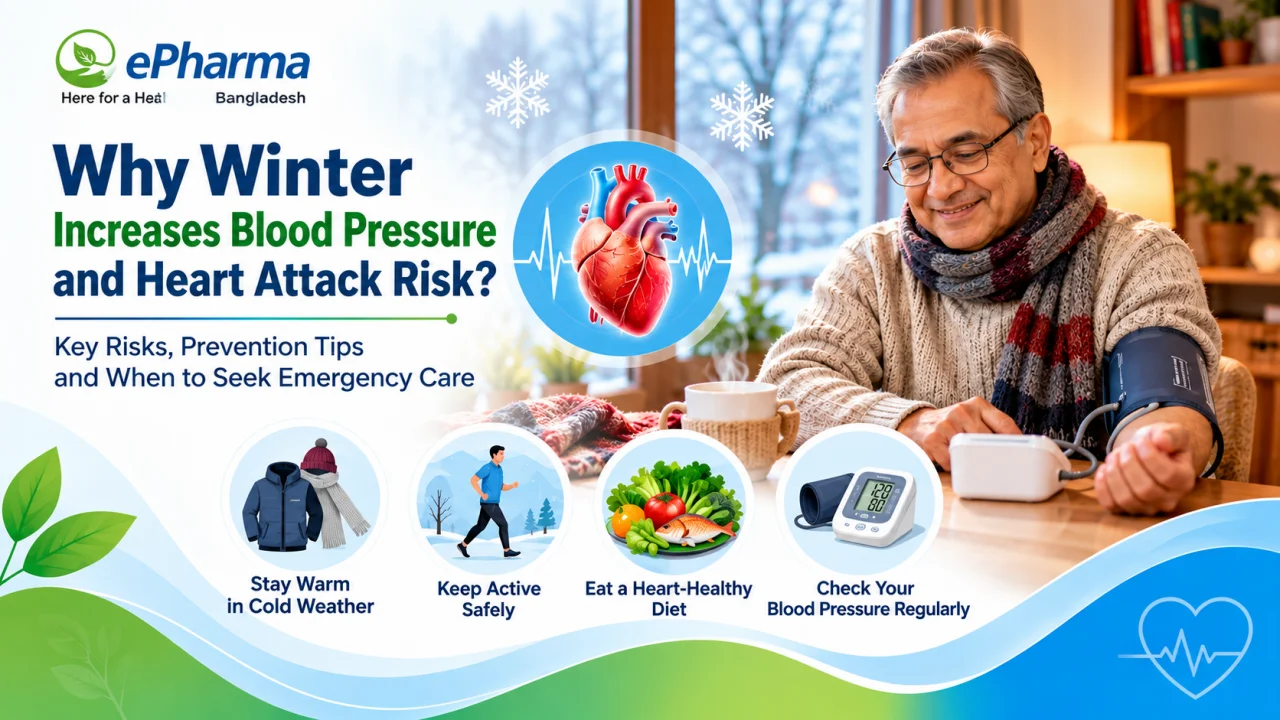
Cold weather can raise blood pressure and strain the heart. Learn who needs extra caution, safe winter habits, home monitoring and heart-attack warning signs.
The first truly cold morning arrives, and someone at home says, “Keep an eye on your blood pressure—winter can be harder on the heart.” There is a real physiological reason behind that advice. Cold weather can narrow blood vessels, raise blood pressure and increase the workload on the cardiovascular system, especially in people who already have heart or metabolic risk.
Winter does not mean you should be afraid to go outside. It means you should be a little more deliberate: stay warm, keep taking prescribed medicines, monitor blood pressure if advised, remain active safely and know the warning signs that should never be ignored.
Why can blood pressure rise in winter?
When the body is exposed to cold, blood vessels can constrict to conserve heat. That increases vascular resistance and may push blood pressure higher. Bangladeshi cardiology consultant Dr Md. Saiful Islam has discussed cold-induced vessel narrowing and increased heart strain, while Dr Himel Biswas has similarly described how narrower vessels can raise blood pressure.
Winter habits can add to the problem. People may walk less, sit for longer and eat more salty, fried or processed foods. Weight, blood pressure and cholesterol control can all suffer when activity falls.
Why can heart-attack risk increase in cold weather?
Cold-related vasoconstriction, increased sympathetic nervous-system activity and extra cardiac workload may combine to increase risk in susceptible people. Dr Saiful Islam has specifically discussed increased sympathetic activation in winter. NHS England has also warned that heart attacks and strokes can rise in the days immediately following a cold snap.
This does not mean cold weather alone causes a heart attack. Risk is more important for people who already have hypertension, heart disease, diabetes, high cholesterol, obesity, advanced age or frailty.
Are cold mornings more risky?
Dr Saif Hossain Khan has written about higher heart-attack risk in the early morning hours and notes that cold weather can add cardiovascular stress. A sensible approach is to avoid sudden heavy exertion immediately after waking and to warm up gradually before exercise or outdoor activity.
We are not reproducing a rigid “count the seconds before getting out of bed” routine because that advice in the source material was not attributed to a named Bangladeshi physician. If you often feel dizzy when standing, rise gradually and discuss it with your clinician.
Who should be especially careful in winter?
- people with hypertension
- people with established coronary or other heart disease
- people with diabetes
- people with high cholesterol or triglycerides
- people with overweight or obesity
- older or frail adults
- people with chronic heart or lung disease
8 practical winter habits for heart and blood-pressure care
1. Keep your body comfortably warm
Use layered clothing, warm socks, a cap or scarf when needed. Older adults and people with heart or lung disease should avoid prolonged exposure to very cold environments.
2. Keep taking prescribed medicines
Dr Saif Hossain Khan has explicitly advised not stopping medicines without medical advice. A winter rise or fall in blood pressure is not a reason to change the dose yourself. Refill regular medicines before you run out.
3. Monitor blood pressure correctly at home
If you have diagnosed hypertension, home monitoring can be useful. Sit quietly for a few minutes, use the correct cuff size and position, and measure consistently. For technique, see How to Measure Blood Pressure at Home.
Do not panic over one unusual reading. But repeated abnormal results or symptoms deserve medical advice. This article deliberately does not repeat threshold numbers because those are covered in the main hypertension guide.
4. Stay active, but avoid sudden exertion
Dr Himel Biswas has advised not stopping exercise just because it is cold. Walking or light activity during a warmer part of the day can be more comfortable. Warm up before morning exercise. If you have known heart disease, ask your clinician what intensity is safe.
5. Reduce salty and heavily processed food
Winter eating can easily drift toward fried snacks, packaged soup, processed foods and rich sweets. A lower-salt, more vegetable-rich pattern supports blood-pressure control. Portion size still matters.
6. Keep weight, diabetes and cholesterol under control
Less activity can worsen weight and glucose control. If you have diabetes, monitor glucose according to your treatment plan. High cholesterol and obesity are also part of the broader cardiovascular risk picture.
7. Avoid smoking and protect sleep
Smoking increases cardiovascular risk. Regular sleep and managing stress matter too; winter should not become a season of inactivity, poor sleep and constant heavy meals.
8. Be sensible about bathing and sudden temperature changes
Dr Saiful Islam has advised older heart patients to avoid very cold water and use comfortably warm water instead. Sudden extremes of temperature are best avoided.
Why do flu and respiratory infections matter?
Winter brings more respiratory infections. Illness and inflammation can add stress to the cardiovascular system, particularly in people with existing disease. NHS England has encouraged at-risk people to discuss seasonal flu vaccination with healthcare professionals. Ask your clinician whether vaccination is appropriate for you.
Heart-attack warning signs you should not ignore
According to NICVD physician Dr Kajol Kumar Karmakar, chest pain is a key warning sign and may spread to the left arm or neck. Other possible symptoms include:
- pressure, heaviness or squeezing in the chest
- shortness of breath
- heavy sweating
- nausea
- fainting or collapse
- palpitations
Not everyone has a textbook presentation. Older adults, women and people with diabetes can have less typical symptoms. Do not sit at home for a long time assuming significant chest discomfort is “just gas.”
What should you do if you suspect a heart attack?
- keep the person as still and calm as possible
- call 999 or get the person to an emergency department quickly
- do not wait at home to see whether symptoms disappear
- do not give aspirin, painkillers or other heart medicines on your own
- if the person is unresponsive and not breathing normally, start CPR if someone trained is available
For a fuller symptom guide, see our Heart Attack guide if available in your language view.
Five winter heart-health mistakes to avoid
- “My pressure is up, so I will increase the dose myself.” Dose changes belong with your clinician.
- “It is cold, so I should stop exercising.” Keep safe activity in your routine.
- “Chest discomfort is probably gas.” Significant or persistent warning symptoms need urgent assessment.
- “Only older people are at risk.” Diabetes, hypertension, obesity and high cholesterol also matter.
- “One normal reading means I do not need to monitor.” If you have diagnosed hypertension, regular monitoring may still be useful.
Useful home health devices in winter
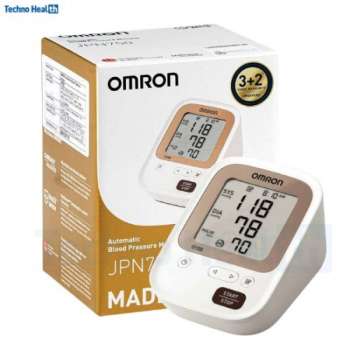
- Digital blood-pressure monitor for home BP tracking
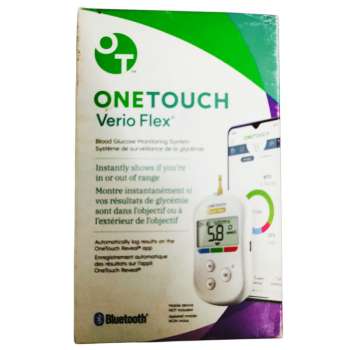
- Glucometer if you have diabetes and have been advised to monitor glucose
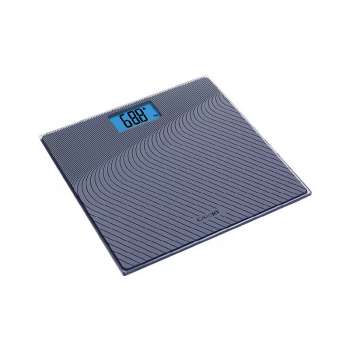
- Weight scale to follow weight trends
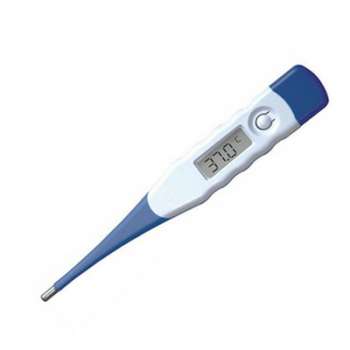
- Digital thermometer when monitoring fever during respiratory illness
These devices support monitoring; they do not replace medical review when symptoms are serious.
Frequently asked questions
Why can blood pressure rise in winter?
Cold can constrict blood vessels and increase vascular resistance, which may raise blood pressure. Reduced activity and salty food can also contribute.
Why can heart-attack risk increase in winter?
Cold-related vasoconstriction, sympathetic activation and extra cardiac workload can increase risk in vulnerable people. Cold is not the only cause.
Should I be more careful in the morning?
The source material notes higher heart-attack risk in the early morning. Avoid sudden heavy exertion and warm up gradually, especially if you have cardiovascular risk factors.
Can I stop or reduce BP medicine in winter?
No. Do not stop or change the dose without medical advice.
Should I stop exercising because it is cold?
No. Choose a warmer time of day, warm up and stay within a safe intensity. Ask your clinician if you have established heart disease.
What are common heart-attack warning signs?
Chest pain or pressure, pain spreading to the arm or neck, shortness of breath, sweating, nausea and faintness are important warning signs.
What should I do if I suspect a heart attack?
Call 999 or go to an emergency department immediately. Do not wait at home and do not give medicines on your own.
How often should I check blood pressure at home?
The frequency depends on your diagnosis and treatment plan. If you have hypertension, consistent home monitoring can be useful; follow your clinician’s advice.
Sources
- Dr Saif Hossain Khan — Prothom Alo, article on morning heart-attack risk, 1 June 2026.
- Dr Md. Saiful Islam — Prothom Alo, article on winter and heart risk, updated 22 November 2023.
- Dr Himel Biswas — Prothom Alo, article on winter and stroke risk, updated 12 January 2026.
- Dr Kajol Kumar Karmakar — Daily Star Bangla, heart-attack symptoms and immediate action, 17 September 2024.
- Jugantor Lifestyle Desk — winter blood pressure and heart-attack lifestyle report, 18 January 2026.
- NHS England — warning on cold snaps and heart-attack/stroke risk, 2017.
This article is for general health information and is not a substitute for personal medical advice. Do not start, stop or change blood-pressure or heart medicines without professional guidance. Seek emergency care for significant chest pain/pressure, breathing difficulty, heavy sweating or fainting.
Related Products