Normal Blood Pressure by Age: BP Chart, High & Low Ranges
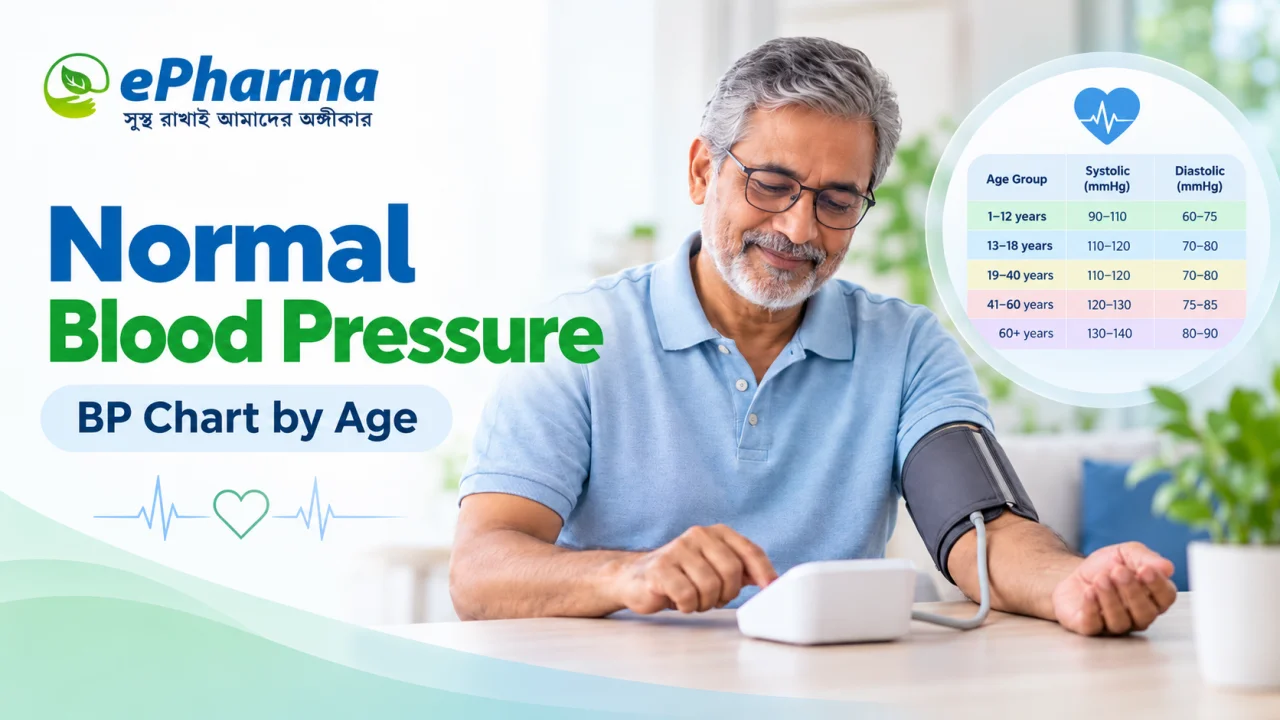
Understand normal, high and low blood pressure, AHA/ESC BP ranges, age-related averages, home thresholds, older-adult targets and emergency readings.
“I’m 60 now—is 150 blood pressure really that high?” It is a common question. Another old rule says systolic pressure can be “100 + your age.” Modern blood-pressure guidelines do not raise the normal adult threshold automatically just because someone is older.
Three ideas need to be kept separate: the normal range, the threshold used to classify hypertension, and an individual treatment target. Average blood pressure tends to rise with age, but a population average is not the same thing as a healthy target.
What do the two blood pressure numbers mean?
- Systolic pressure — the top number, when the heart pumps blood out
- Diastolic pressure — the bottom number, when the heart relaxes between beats
If either number falls into a higher category, the reading is generally interpreted according to that higher category.
Normal blood pressure chart for adults
AHA / ACC classification
| Category | Systolic | Diastolic | |
|---|---|---|---|
| Normal | <120 | and | <80 |
| Elevated | 120–129 | and | <80 |
| Stage 1 hypertension | 130–139 | or | 80–89 |
| Stage 2 hypertension | ≥140 | or | ≥90 |
| Severe hypertension | >180 | and/or | >120 |
European Society of Cardiology classification
| Category | Office BP |
|---|---|
| Non-elevated | <120/70 |
| Elevated BP | 120–139 systolic and/or 70–89 diastolic |
| Hypertension | ≥140 systolic and/or ≥90 diastolic |
ESC keeps the hypertension threshold at 140/90 mmHg. For treated adults, a target around 120–129/70–79 mmHg is recommended when it is well tolerated, with important exceptions requiring individualisation.
So is 130/80 high blood pressure?
The label depends on the guideline:
| Reading | AHA / ACC | ESC |
|---|---|---|
| <120/80 | Normal | Some readings with diastolic 70–79 fall into ESC elevated BP |
| 120–129 / <80 | Elevated | Elevated |
| 130–139 / 80–89 | Stage 1 hypertension | Elevated BP |
| ≥140 / ≥90 | Stage 2 hypertension | Hypertension |
The practical area of agreement is clear: 140/90 or above is hypertension in both major frameworks. Between 120 and 139 systolic, management depends on cardiovascular risk, repeated measurements and other health conditions.
Blood pressure by age: average is not the same as normal
Adult diagnostic thresholds do not automatically rise with age. Older populations tend to have higher average systolic readings, but “I’m older, so 150 is normal” is not a safe interpretation.
One international clinical reference reports these population averages:
| Age | Men — average | Women — average |
|---|---|---|
| 18–39 | 119/70 | 110/68 |
| 40–59 | 124/77 | 122/74 |
| 60+ | 133/69 | 139/68 |
These are population averages, not treatment targets and not Bangladeshi reference ranges. Your appropriate target depends on cardiovascular risk, frailty, heart or kidney disease, orthostatic symptoms and treatment tolerance.
Can targets be more lenient in very old adults?
Yes. For very old or frail adults, people in institutional care, or those with symptomatic orthostatic hypotension, clinicians may use a more individualised target. Some European guidance allows more lenient targets in adults aged 85+ or when lower pressure causes problematic symptoms.
That does not mean hypertension can simply be ignored because of age. It means treatment is balanced against falls, dizziness and overall health.
What is considered low blood pressure?
Below 90/60 mmHg is commonly defined as low blood pressure. A low reading without symptoms is not always a problem, but dizziness, blurred vision, weakness, confusion, fainting or symptoms on standing deserve medical review.
Why are home and clinic thresholds different?
Clinic readings can be higher because of anxiety or a white-coat effect. Repeated home readings can give a better picture.
| Where measured | Common high-BP threshold |
|---|---|
| Clinic / healthcare professional | ≥140/90 mmHg |
| Home average | ≥135/85 mmHg |
Do not diagnose yourself from a single home reading. Use several properly measured readings with the right cuff. See our home BP monitoring guide.
Home BP measurement checklist
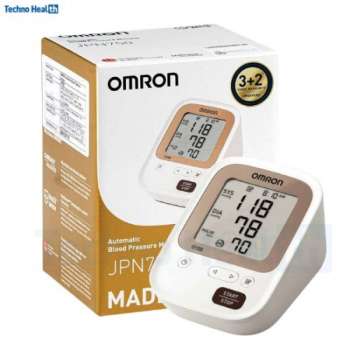
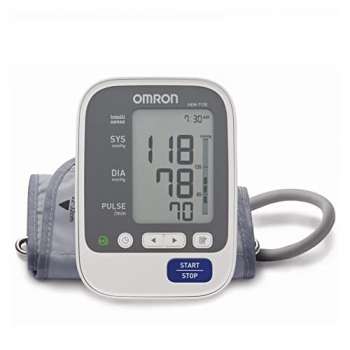
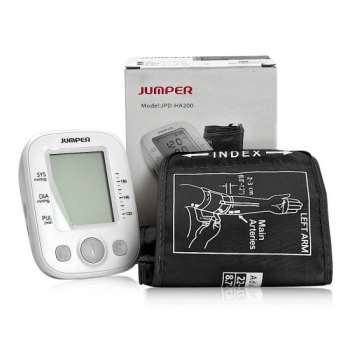
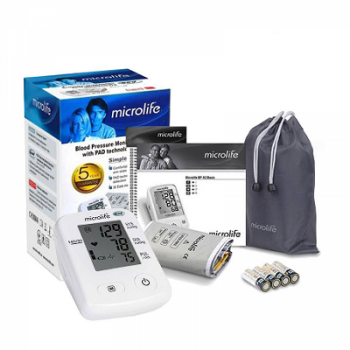
- Prefer a validated automatic upper-arm monitor
- Use the correct cuff size
- Sit quietly for at least 5 minutes first
- Keep your back supported and feet flat
- Support the arm at heart level
- Do not talk during measurement
- When tracking BP, record morning and evening readings over several days
Cuffless smartwatch readings may be useful for trends, but current guidelines do not consider them a replacement for validated cuff-based measurement when diagnosing or adjusting treatment.
Does one high reading mean hypertension?
Usually not. Stress, pain, caffeine, smoking, exercise, a full bladder or an incorrect cuff can temporarily raise blood pressure. Elevated office BP is normally confirmed with repeat office measurements or out-of-office monitoring unless the clinical situation is urgent.
Where does your reading fall?
| Reading | Meaning | What to do |
|---|---|---|
| <90/60 with symptoms | Low BP | Clinical review; prompt assessment for recurrent dizziness or fainting |
| 90/60–119/79 | Healthy range | Healthy lifestyle and periodic checks |
| 120–129 / <80 | Elevated | Review salt intake, activity, weight and risk factors |
| 130–139 or 80–89 | AHA stage 1; ESC elevated BP | Repeated home readings and cardiovascular-risk discussion |
| ≥140 or ≥90 | Hypertension in both major frameworks | Arrange clinical review and confirmation of persistent elevation |
| >180 and/or >120 | Severe hypertension | Repeat correctly after a brief rest; if still severe contact a healthcare professional promptly; emergency symptoms need emergency care |
When is very high blood pressure an emergency?
If BP is above 180/120 and any of the following occur, seek emergency care:
- chest pain or pressure
- shortness of breath
- new weakness, numbness, facial droop or speech difficulty
- sudden vision change
- severe neurologic symptoms or confusion
For stroke recognition, see our BE-FAST stroke guide.
Blood pressure in pregnancy
A reading of 140/90 or above in pregnancy needs clinical attention. After 20 weeks, severe headache, visual symptoms, upper abdominal pain, sudden swelling or seizures require urgent obstetric assessment. Pregnancy-specific diagnosis and targets differ from the general adult chart.
Common myths
| Myth | Reality |
|---|---|
| “Systolic 100 + age is normal.” | Modern adult guidelines do not use this formula. |
| “150 is normal when you are 60.” | Age alone does not raise the normal threshold; treatment targets can be individualised. |
| “No headache means no hypertension.” | High blood pressure is often asymptomatic. |
| “Only the bottom number matters.” | Both systolic and diastolic pressure are clinically important. |
| “My BP is normal now, so I can stop medicine.” | The normal reading may be the result of treatment; do not stop medication yourself. |
| “A smartwatch is enough to diagnose BP.” | Validated cuff-based measurement remains preferred for diagnosis and treatment decisions. |
Related reading
- How to measure blood pressure at home
- Winter blood pressure and heart-attack risk
- Stroke symptoms: BE-FAST
Frequently asked questions
What is a normal blood pressure?
Under AHA/ACC classification, normal adult BP is below 120 systolic and below 80 diastolic. NHS-style patient guidance describes roughly 90/60 to 120/80 as a healthy or ideal range.
What blood pressure is considered high?
AHA/ACC stage 1 starts at 130–139 systolic or 80–89 diastolic, while ESC defines hypertension at 140/90. A clinic reading of 140/90 or a repeated home average of 135/85 or higher needs clinical review.
Does normal BP change with age?
Adult diagnostic thresholds do not automatically increase with age. Treatment targets can be individualised for very old or frail adults.
Is 150/90 normal at age 60?
No. 150/90 is in the adult hypertension range; age alone does not make it normal.
What is low blood pressure?
Below 90/60 mmHg is commonly defined as low blood pressure. Symptoms determine how clinically important it is.
What is a high home blood pressure?
A repeated home average of 135/85 mmHg or higher is commonly considered high.
What should I do with a BP above 180/120?
Repeat the measurement correctly after a brief rest. If it remains severe, contact a healthcare professional promptly. Chest pain, breathlessness, new neurologic symptoms or sudden vision change require emergency care.
Is the “100 + age” formula correct?
No. Modern hypertension guidelines do not use that formula to define normal blood pressure.
Sources
- American Heart Association / ACC — High Blood Pressure Guideline.
- European Society of Cardiology — Elevated Blood Pressure and Hypertension Guideline.
- NHS — Blood pressure test; Low blood pressure.
- Cleveland Clinic Abu Dhabi — population-average blood pressure by age and sex.
- Bangladesh reporting and population research on hypertension awareness and burden.
This article is for general health information. Do not diagnose hypertension or start, stop or change blood-pressure medicines based on a single reading. Very high BP with chest pain, breathing difficulty, new neurologic symptoms or sudden vision change needs emergency care.
Related Products