Diabetes Medicines & Insulin During Ramadan: A Safe Fasting Guide

Learn how diabetes medicines and insulin may change during Ramadan, who is high-risk, when to check glucose and when to break the fast.
“I’ll just move my morning tablet to Suhoor and my evening one to Iftar.” That sounds simple, but fasting changes more than the clock. Meal timing, fluid intake, activity and glucose patterns all change—and that can alter the risk of hypoglycaemia or hyperglycaemia.
So the safest rule is this: do not change diabetes medicines or insulin on your own for Ramadan. Before fasting, agree on three things with your clinician: whether fasting is safe for you, when each medicine should be taken, and exactly when you should break the fast for safety.
Who needs a careful pre-Ramadan medical review?
Fasting may carry higher risk if you have:
- Type 1 diabetes
- frequent or severe hypoglycaemia, or poor hypo awareness
- recent DKA/HHS or very poor glucose control
- moderate to severe kidney disease
- serious heart disease or acute illness
- insulin treatment with limited monitoring or fasting experience
- pregnancy with diabetes
- heavy physical work
IDF guidance emphasizes individual risk assessment before religious fasting. The aim is to respect a person’s wish to fast while reducing avoidable harm.
How do diabetes medicines usually change during Ramadan?
This table is for discussion with your clinician—not for self-adjustment. The plan depends on kidney function, age, HbA1c, hypoglycaemia history, meal pattern and other medicines.
| Medicine class | General Ramadan consideration |
|---|---|
| Metformin | Total daily dose may often remain the same, while timing shifts around Iftar and/or Suhoor |
| Sulfonylureas such as gliclazide or glimepiride | Higher hypoglycaemia risk; timing and dose need review. Older long-acting glibenclamide is generally less preferred |
| DPP-4 inhibitors | Relatively low hypoglycaemia risk; many regimens need little change |
| SGLT2 inhibitors | Dehydration and volume-loss risk must be considered; starting a new agent right at Ramadan is not ideal |
| GLP-1 receptor agonists | Better to be on a stable regimen before Ramadan; nausea and dehydration risk may matter |
| Pioglitazone | Low hypoglycaemia risk, but timing and other risks remain individual |
| Insulin | Timing and amount often need adjustment; the exact plan must be clinician-directed |
Do not “cut back” tablets or insulin by guesswork. Fasting-related hypoglycaemia is particularly important with insulin and some sulfonylureas.
What if you use insulin?
Insulin plans are highly individual. Basal, basal-bolus and premixed regimens may all need timing or dose changes. IDF-DAR provides detailed adjustment tables, but those are not self-treatment instructions. Your clinician should use your glucose records to create a written Ramadan plan.
For injection technique and storage, see our insulin pen guide.
Does checking blood sugar break the fast?
Blood glucose monitoring is an essential part of safer fasting with diabetes. Finger-prick testing does not require eating or drinking, and Ramadan-diabetes guidance encourages regular monitoring rather than avoiding it.
When should you check glucose?
| Time | Why it helps |
|---|---|
| Before Suhoor | Shows the overnight trend |
| Morning | Helps assess the effect of Suhoor medicines or insulin |
| Midday to late afternoon | Helps detect low glucose later in the fast |
| Before Iftar | Safety check after the long fasting period |
| About 2 hours after Iftar | Shows the post-meal rise |
| Any time you feel unwell | Helps match symptoms with glucose |
Incorrect technique can give misleading readings. See our glucometer guide.
At what glucose level should you break the fast?
| Situation | What to do |
|---|---|
| <70 mg/dL (3.9 mmol/L) | Break the fast immediately |
| 70–90 mg/dL (3.9–5.0 mmol/L) | Recheck within 1 hour; act earlier if glucose is falling or symptoms appear |
| >300 mg/dL (16.7 mmol/L) | Break the fast and follow your medical plan |
| Symptoms of hypo/hyperglycaemia, dehydration or acute illness | Do not wait for a number—break the fast and seek guidance |
These are the current IDF-DAR safety thresholds.
What should you do if glucose goes low?
Possible symptoms include trembling, sweating, palpitations, hunger, dizziness, weakness, irritability, blurred vision or confusion.
- Break the fast.
- Take fast-acting carbohydrate according to your hypo plan.
- Recheck glucose after about 15–20 minutes.
- If it remains low, repeat treatment according to the plan.
- If the person is unconscious or cannot swallow safely, do not give anything by mouth; seek emergency care.
What should you eat at Suhoor and Iftar?
Suhoor
- Do not skip Suhoor
- Choose higher-fibre, slower-digesting carbohydrates such as whole grains, brown rice or oats
- Add vegetables and protein such as dal, fish, chicken or eggs
- Limit very salty foods
Iftar
- Avoid starting with a large sugary drink or excessive sweets
- Keep fried-food portions modest
- Spread food across Iftar and the later meal instead of eating everything at once
- Drink adequate fluids between Iftar and Suhoor; if you have kidney or heart disease, follow personalised fluid advice
What about exercise?
Usual light daily activity may be fine for many people. A light walk after Iftar can be practical. Heavy exercise late in a long fast can increase hypoglycaemia risk, especially for people using insulin or sulfonylureas, so discuss your routine with your clinician.
Pre-Ramadan checklist
- Book a clinician review several weeks before Ramadan
- Review HbA1c, kidney function and recent hypo episodes
- Get a written Ramadan medicine/insulin schedule
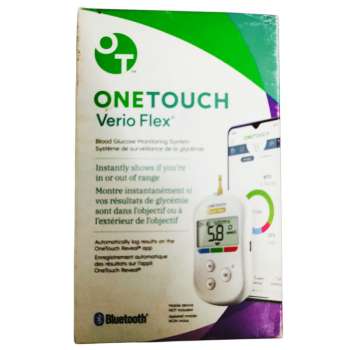
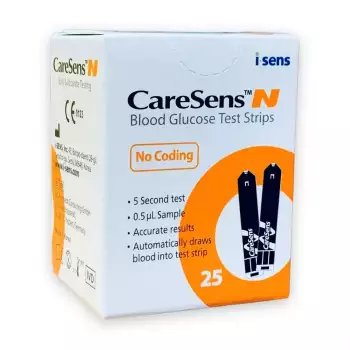
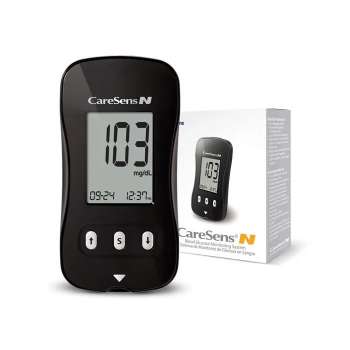
- Check your glucometer and keep enough compatible strips
- Make sure family members know the signs of hypoglycaemia
- Discuss work and exercise routines
- Bring recent glucose records to the appointment
Because Ramadan begins according to moon sighting, a permanent health guide is more useful when it says “plan several weeks in advance” rather than hard-coding a calendar year.
Common myths
| Myth | Reality |
|---|---|
| “Checking glucose breaks the fast.” | Glucose monitoring is part of safer fasting and should not be avoided. |
| “Move the morning tablet to Suhoor and the evening one to Iftar—done.” | Some medicines need more than a timing change; risk and dose may also need review. |
| “Iftar is only 20 minutes away, so I can wait with glucose 65.” | Below 70 mg/dL, break the fast immediately. |
| “Anyone using insulin cannot fast.” | Risk varies. Some people may fast with close medical supervision; for others it is unsafe. |
| “Skipping medicine prevents low glucose.” | Stopping treatment can cause severe hyperglycaemia or DKA. |
| “You need a sugary drink at Iftar to avoid weakness.” | Balanced meals and adequate hydration are safer; sugary rescue is for hypoglycaemia when needed. |
Frequently asked questions
When should I take diabetes medicine during Ramadan?
Timing depends on the medicine class and dosing frequency. Some once-daily medicines may shift to Iftar or Suhoor, but the exact plan should be set by your clinician.
Should insulin be reduced during Ramadan?
Many insulin regimens require timing or dose adjustment, but the exact change depends on insulin type and glucose trends and must be clinician-directed.
Does checking blood sugar break the fast?
Ramadan-diabetes guidance supports regular finger-prick glucose monitoring for safety.
At what glucose level should I break the fast?
Break the fast below 70 mg/dL or above 300 mg/dL. Recheck 70–90 mg/dL within an hour, and do not wait if symptoms or acute illness occur.
How should metformin be taken?
The total daily dose may often remain unchanged while timing shifts around Iftar and/or Suhoor, but your own plan should be confirmed by your clinician.
What should I do for hypoglycaemia while fasting?
Break the fast, treat according to your hypo plan and recheck glucose after about 15–20 minutes. Do not give food or drink to someone who is unconscious.
How long before Ramadan should I see my doctor?
Ideally several weeks to about one month before Ramadan so risk, medicines and monitoring can be planned.
Can I skip Suhoor?
Skipping Suhoor is generally not a good idea for people with diabetes because meal timing is part of the glucose and medication plan.
Sources
- International Diabetes Federation — Diabetes and Ramadan: Practical Guidelines.
- International Diabetes Federation — Diabetes and fasting.
- Diabetes & Primary Care — Ramadan medication-management summary.
- The Daily Star Bangla — Bangladeshi physicians on diabetes and Ramadan.
This article is for general health information. Do not change, stop or restart diabetes medicines or insulin on your own. Seek urgent care for severe hypoglycaemia, persistent very high glucose, vomiting, abdominal pain, breathing difficulty, confusion or unconsciousness.
Related Products