


✔ 100% Authentic Product
👁️ Viewed 192 times
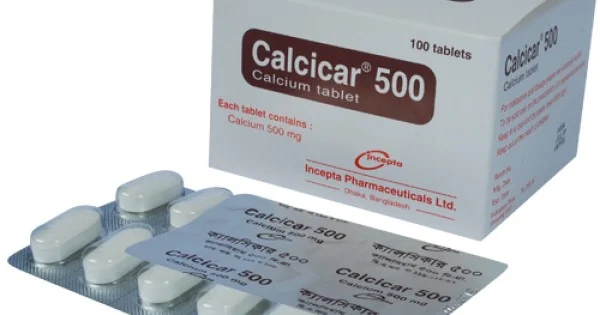
Calcicar 500 Tablet
250 mg / 500 mg Tablets
Calcicar 500 mg is indicated for the prevention and treatment of calcium deficiency associated with:
- Inadequate dietary calcium intake
- Hypoparathyroidism
- Vitamin D deficiency
- Pregnancy and breastfeeding
- Menopause
- Chronic diarrhea
- Malabsorption syndromes (including sprue)
- Achlorhydria
- Pancreatitis
- Chronic kidney disease
- Renal failure
- Hyperphosphataemia
- Metabolic alkalosis
It is also commonly used to manage hyperphosphataemia in patients with chronic kidney disease, including those receiving haemodialysis or continuous ambulatory peritoneal dialysis (CAPD). In some cases, dietary phosphate restriction or additional phosphate binders may be required for optimal phosphate control.
Calcicar 500 mg may also provide temporary relief of dyspeptic symptoms, although prolonged use as an antacid for peptic ulcer disease is generally not recommended.
Discount Price: ৳ 24
MRP:
৳
25
6%
off

100% Genuine Products, Guaranteed

Safe & Secure Payments, Always

Fast, Secure & Efficient Delivery

Proper Packaging
 Cash on Delivery - All over Bangladesh
 Regular Delivery: 24-48 Hours, Dhaka City* Charge Tk.39-59
- Regular Delivery: 48-96 Hours, Other Cities* Charge Tk.99-125
 ফ্রি ডেলিভারিঃ - ১৪৯৯ টাকা+ অর্ডারে, ঢাকা
শহরে
ফ্রি ডেলিভারিঃ - ১৪৯৯ টাকা+ অর্ডারে, ঢাকা
শহরে- ফ্রি ডেলিভারিঃ - ৪৯৯৯ টাকা+ অর্ডারে, ঢাকার
বাহিরে
📲 মোবাইল অ্যাপ অর্ডারে সাশ্রয় বেশী
-
Google Play Store থেকে ডাউনলোড
-
Apple Store থেকে ডাউনলোড
100% Genuine Products, Guaranteed
Safe & Secure Payments, Always
Fast, Secure & Efficient Delivery
Proper Packaging
- Cash on Delivery - All over Bangladesh
- Regular Delivery: 24-48 Hours, Dhaka City* Charge Tk.39-59
- Regular Delivery: 48-96 Hours, Other Cities* Charge Tk.99-125
- ফ্রি ডেলিভারিঃ - ১৪৯৯ টাকা+ অর্ডারে, ঢাকা
শহরে
- ফ্রি ডেলিভারিঃ - ৪৯৯৯ টাকা+ অর্ডারে, ঢাকার
বাহিরে
- Google Play Store থেকে ডাউনলোড
- Apple Store থেকে ডাউনলোড
📲 মোবাইল অ্যাপ অর্ডারে সাশ্রয় বেশী
✅ Description:
Calcicar 500 mg is a calcium carbonate preparation that serves as both a calcium supplement and an antacid, depending on the tablet strength and intended clinical use.
The 250 mg and 500 mg tablets are primarily used to prevent or treat calcium deficiency, while the 1000 mg tablet is formulated for rapid relief of symptoms caused by excess stomach acid, such as heartburn and indigestion.

Relevant Products
Same generic alternatives, ranked by customer interest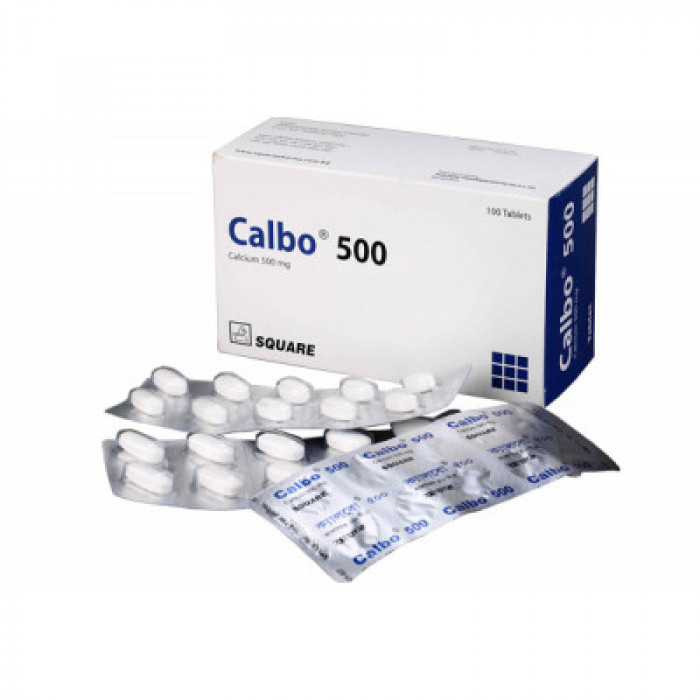
Calbo 500mg Tablet
Ostocal G (30pcs Pot)
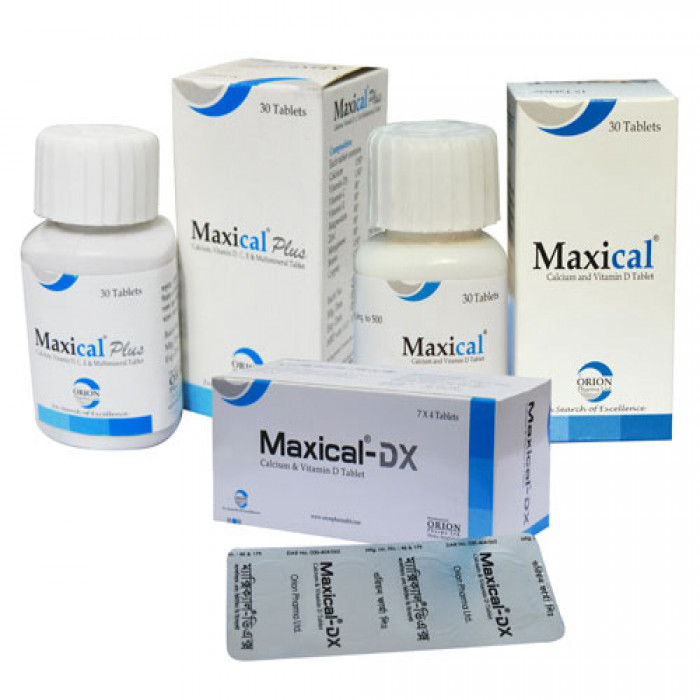
Maxical-DX (28pcs Box)

Ostocal JR 30pcs
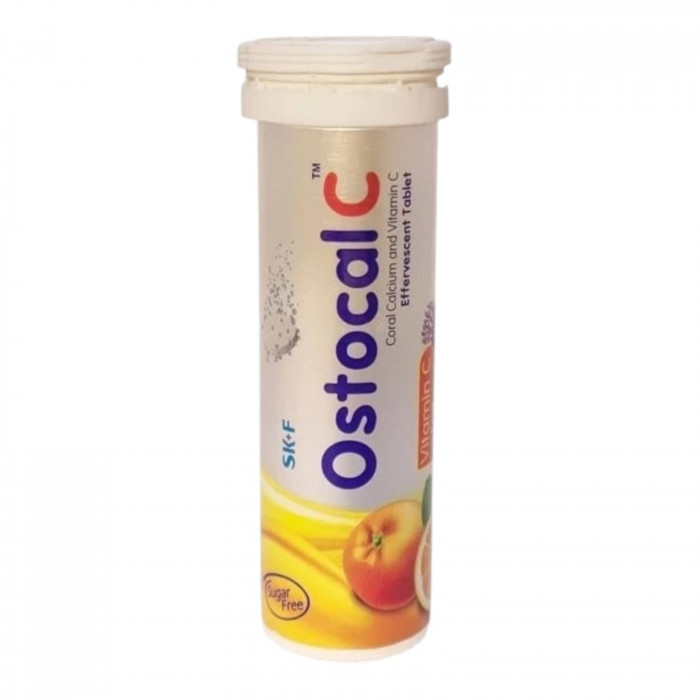
Ostocal C 10Pcs
Corabon-DX 10pcs
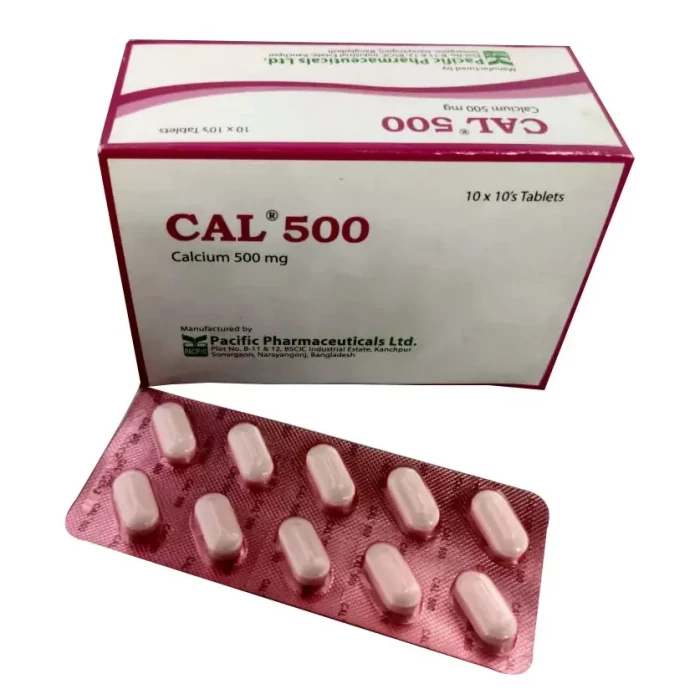
Cal 500mg Tablet 1 Strip
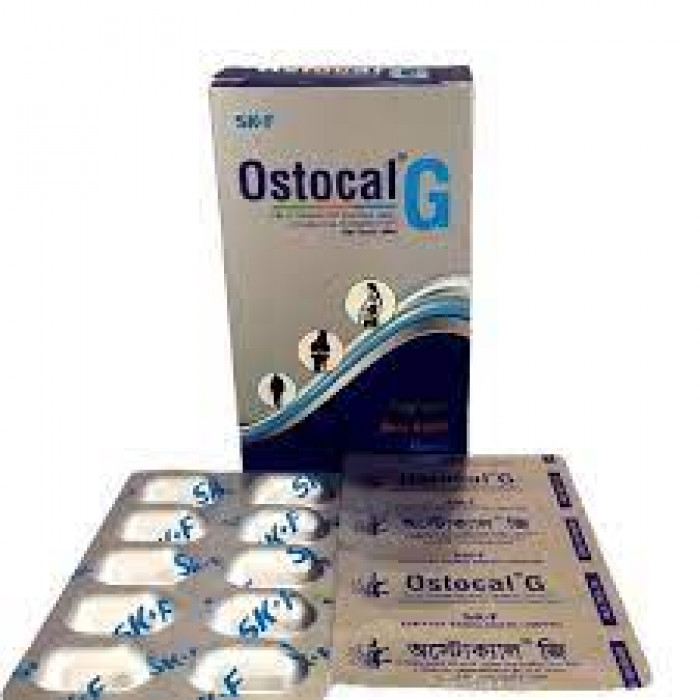
Ostocal G 10pcs
More From Incepta Pharmaceuticals Ltd.
Popular products from this manufacturer/brand
Dermomix Cream
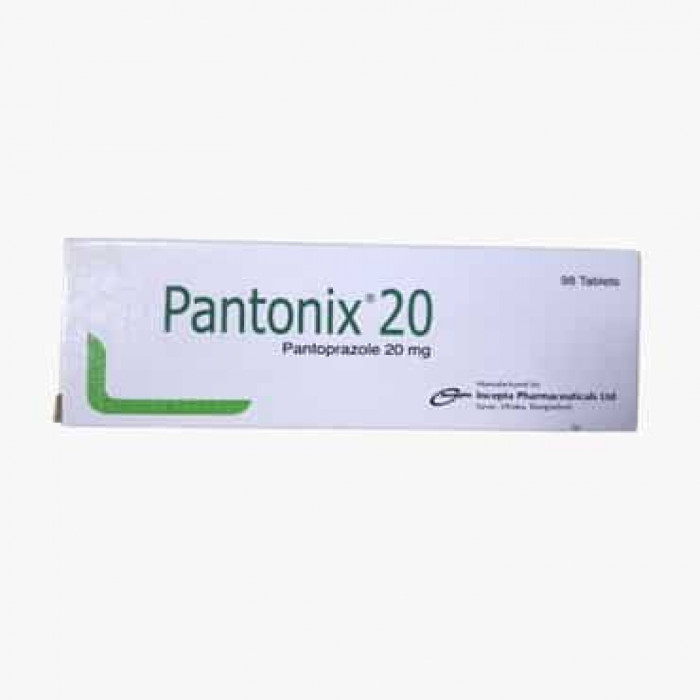
Pantonix 20mg Tablet
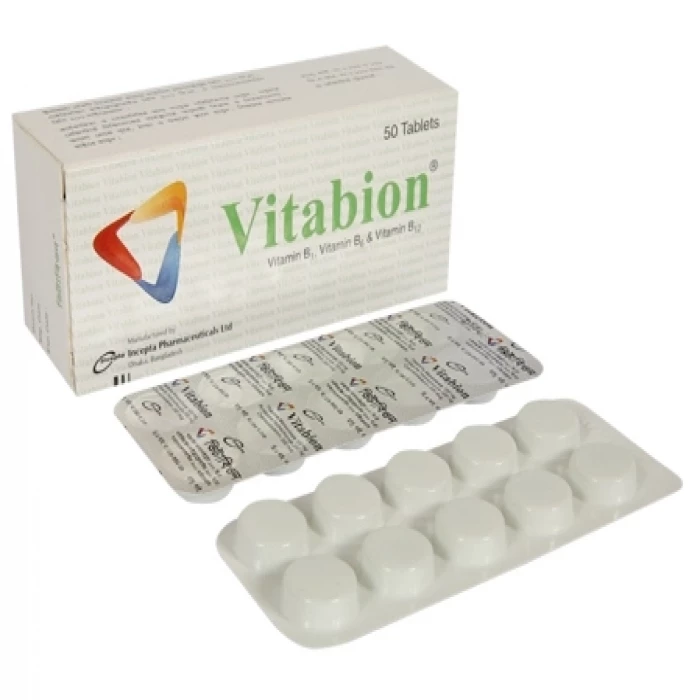
Vitabion 100mg+200mg+200mcg Tablet

Citofer 210mg Tablet 8pcs
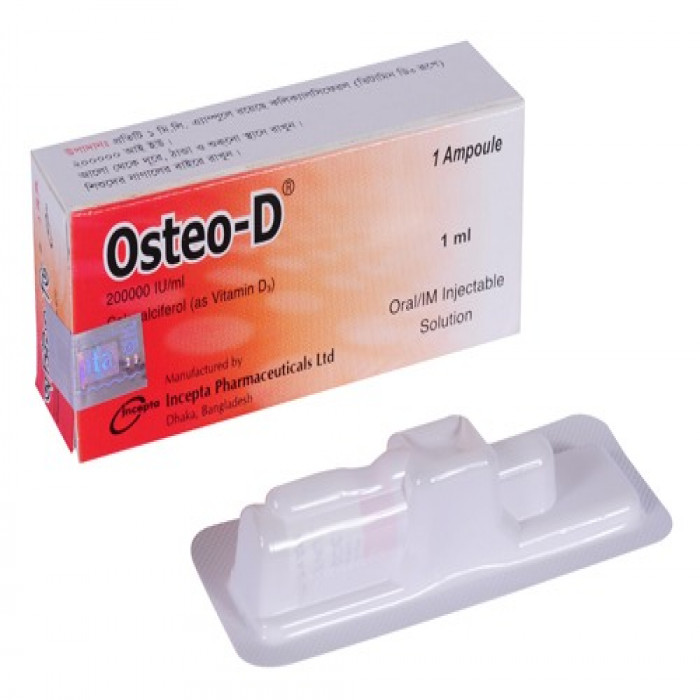
Osteo-D 200000IU/ml Injection
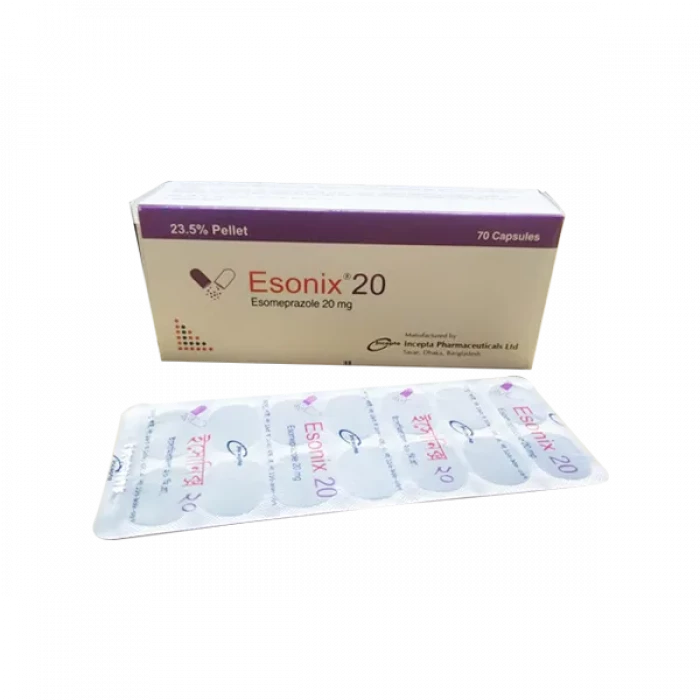
Esonix 20mg Capsule
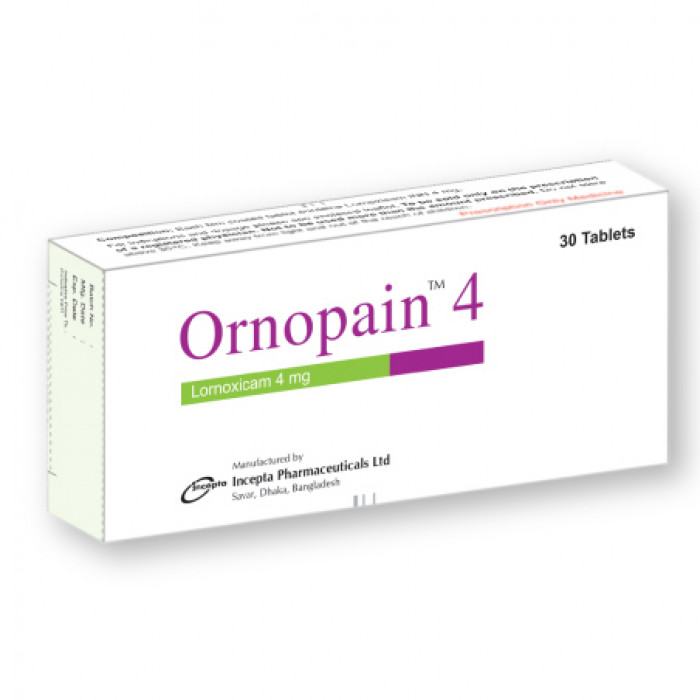
Ornopain 4mg Tablet
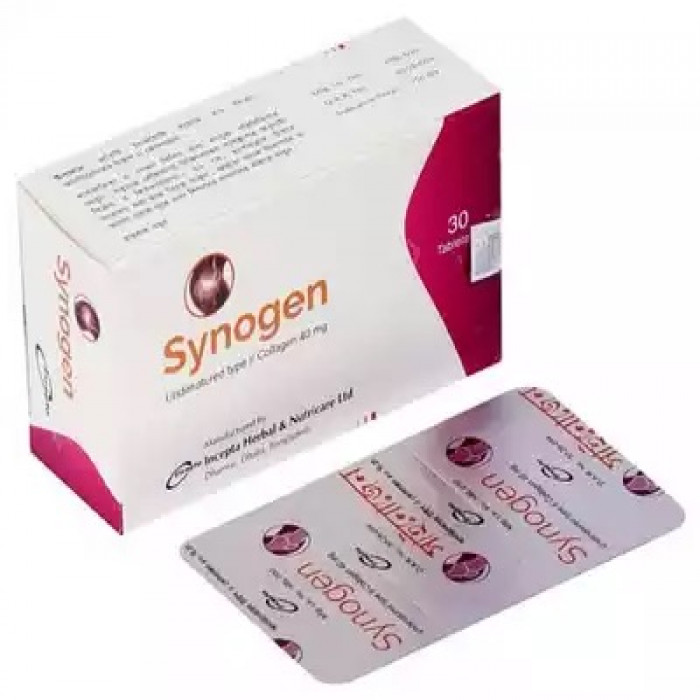
Synogen 40mg Tablet
Related Posts


✔️ Side Effects
- Constipation
- Abdominal bloating
- Gas
- Mild stomach discomfort
- Nausea (occasionally)
✔️ Calcicar 500 mg works through three primary mechanisms:
Acid Neutralization
Calcium carbonate reacts with stomach acid to produce calcium chloride, water, and carbon dioxide, increasing gastric pH and reducing pepsin activity. This helps relieve symptoms of acid reflux and indigestion.
Calcium Supplementation
Approximately 30% of orally administered calcium is absorbed, mainly in the duodenum and upper small intestine through both vitamin D-dependent active transport and passive diffusion. Absorbed calcium supports:
- Bone and teeth mineralization
- Muscle contraction
- Nerve transmission
- Blood clotting
- Cellular signaling
Phosphate Binding
In patients with chronic kidney disease, calcium carbonate binds dietary phosphate within the gastrointestinal tract, forming insoluble calcium phosphate that is eliminated in the stool. This lowers phosphate absorption and helps reduce the risk of secondary hyperparathyroidism and renal bone disease.
✔️ The 1000 mg formulation is indicated for rapid relief of:
- Heartburn
- Acid indigestion
- Sour stomach
- Hyperacidity
- Upset stomach
✔️ Calcicar 500 mg should not be used in patients with:
- Hypercalcaemia
- Hyperparathyroidism
- Hypercalciuria
- Kidney stones (nephrolithiasis)
- Calcified or non-functioning gallbladder stones
- Zollinger-Ellison syndrome
- Digoxin therapy without appropriate monitoring of calcium levels
✔️ Dosage & Administration
250 mg / 500 mg Tablets
| Indication | Recommended Dose |
|---|---|
| Antacid (Adults) | 540–2000 mg daily |
| Antacid (Children) | Approximately half the adult dose |
| Calcium supplementation | 1250–3750 mg calcium carbonate daily (equivalent to 500–1500 mg elemental calcium) |
| Pregnancy & Lactation | 1200–1500 mg elemental calcium daily |
| Chronic kidney disease (phosphate binder) | 2.5–9 g daily, individualized |
1000 mg Tablet
- 2000–3000 mg as needed for hyperacidity.
- May be repeated hourly if necessary or as directed by the physician.
Children
Calcicar 500 mg is safe and effective for controlling phosphate levels in children with chronic kidney disease when used under medical supervision.
Elderly
Older adults, especially those with kidney impairment, may be more prone to constipation and hypercalcaemia. Regular monitoring of calcium and phosphate levels is recommended during treatment.
✔️ Overdose
Excessive intake may lead to hypercalcaemia or milk-alkali syndrome.
Symptoms may include:
- Nausea and vomiting
- Loss of appetite
- Excessive thirst
- Frequent urination
- Muscle weakness
- Confusion
- Metabolic alkalosis
- Reduced kidney function
Treatment consists of discontinuing the medication, maintaining adequate hydration, correcting electrolyte imbalances, and providing supportive medical care. Patients with chronic kidney disease require particularly close monitoring.
✔️ Calcicar 500 mg may interact with:
- Digoxin and other cardiac glycosides: Increased risk of arrhythmias if hypercalcaemia develops.
- Tetracycline antibiotics: Reduced absorption due to calcium binding.
- Fluoroquinolone antibiotics: Decreased antibiotic absorption.
- Vitamin D preparations: Increased risk of hypercalcaemia, particularly in renal impairment.
- Levothyroxine: Reduced absorption; administer several hours apart.
- Iron supplements: Calcium decreases iron absorption.
- Bisphosphonates: Reduced absorption when taken together.
- Thiazide diuretics: Increased risk of elevated blood calcium levels.
✔️ Directions for Use:
- Chew chewable tablets thoroughly before swallowing.
- Take with a full glass of water.
- When used as a phosphate binder, take with or immediately after meals.
- Separate administration from tetracyclines, fluoroquinolones, iron supplements, levothyroxine, and bisphosphonates by at least 2 hours.
✔️ Use Calcicar 500 mg with caution in patients with:
- Chronic kidney disease
- Sarcoidosis
- Heart disease
- Those receiving digoxin or other cardiac glycosides
During prolonged or high-dose therapy, regular monitoring of serum calcium and phosphate levels is recommended.
Excessive calcium intake, especially when combined with absorbable alkali, may rarely result in milk-alkali syndrome, characterized by hypercalcaemia, metabolic alkalosis, and kidney impairment.
✔️ Pregnancy & Lactation
Calcicar 500 mg is generally considered safe during pregnancy and breastfeeding when used at recommended doses for calcium supplementation or relief of heartburn.
✔️ Storage:
- Store at room temperature in a cool, dry place.
- Protect from moisture and direct sunlight.
- Keep out of reach of children.
- Do not use after the expiry date.
⚠️Disclaimer:
At ePharma, we’re committed to providing accurate and accessible health information. However, all content is intended for informational purposes only and should not replace medical advice from a qualified physician. Please consult your healthcare provider for personalized guidance. We aim to support, not substitute, the doctor-patient relationship.
📦Pricing Information, Availability:
Product Availability & Pricing Notice
Please note that pricing, availability, and service offerings are subject to change due to: Market fluctuations, Manufacturer or supplier adjustments, Product discontinuation or temporary unavailability, Advertising errors. All orders depend on stock availability and staff resources. If services are provided on a time-and-materials basis, any shared estimates are for planning purposes only.


Reliable
All products displayed on ePharma are procured from govt. approved pharmaceuticals and verified licensed pharmacies from 2016.

Secure
ePharma uses Secure Sockets Layer (SSL) 128-bit 🔒 encryption and is Payment Card Industry DataSecurity Standard (PCI DSS) compliant.

Affordable
Find affordable medicine substitutes, save up to 50% on health products, up to 30% off on doctor consultations.

Social
Providing health care services under the health and beauty category with more than 170K Facebook audience and 10M+ reach.







Get more features!
Download the app now
✓ Doctor consultation ✓ 24/7 helpline