


✔ 100% Authentic Product
👁️ Viewed 30 times
Ruxonib 1.5% Cream 10g
Ruxolitinib, a Janus kinase (JAK) inhibitor, inhibits JAK1 and JAK2, which mediate the signaling of a number of cytokines and growth factors that are important for hematopoiesis and immune function. JAK signaling involves recruitment of STATs (signal transducers and activators of transcription) to cytokine receptors, activation and subsequent localization of STATs to the nucleus, leading to modulation of gene expression. The relevance of inhibition of specific JAK enzymes to therapeutic effectiveness is not currently known.
Discount Price: ৳ 2,090
MRP:
৳
2200
5%
off
100% Genuine Products, Guaranteed

Safe & Secure Payments, Always

Fast, Secure & Efficient Delivery

Proper Packaging
 Cash on Delivery - All over Bangladesh
 Regular Delivery: 24-48 Hours, Dhaka City* Charge Tk.39-59
- Regular Delivery: 48-96 Hours, Other Cities* Charge Tk.99-125
 ফ্রি ডেলিভারিঃ - ১৪৯৯ টাকা+ অর্ডারে, ঢাকা
শহরে
- ফ্রি ডেলিভারিঃ - ৪৯৯৯ টাকা+ অর্ডারে, ঢাকার
বাহিরে
📲 মোবাইল অ্যাপ অর্ডারে সাশ্রয় বেশী
-
Google Play Store থেকে ডাউনলোড
-
Apple Store থেকে ডাউনলোড
100% Genuine Products, Guaranteed
Safe & Secure Payments, Always
Fast, Secure & Efficient Delivery
Proper Packaging
- Cash on Delivery - All over Bangladesh
- Regular Delivery: 24-48 Hours, Dhaka City* Charge Tk.39-59
- Regular Delivery: 48-96 Hours, Other Cities* Charge Tk.99-125
- ফ্রি ডেলিভারিঃ - ১৪৯৯ টাকা+ অর্ডারে, ঢাকা
শহরে
- ফ্রি ডেলিভারিঃ - ৪৯৯৯ টাকা+ অর্ডারে, ঢাকার
বাহিরে
- Google Play Store থেকে ডাউনলোড
- Apple Store থেকে ডাউনলোড
📲 মোবাইল অ্যাপ অর্ডারে সাশ্রয় বেশী
✅ Description:
Ruxonib is a Janus kinase (JAK) inhibitor, which is indicated for atopic dermatitis and vitiligo.
- Vitiligo: Ruxonib cream is used in the topical treatment of nonsegmental vitiligo in adult and pediatric patients 12 years of age and older.
- Atopic Dermatitis: Ruxonib cream is used in the topical short-term and non-continuous chronic treatment of mild to moderate atopic dermatitis in non-immunocompromised adult and pediatric patients 12 years of age and older whose disease is not adequately controlled with topical prescription therapies or when those therapies are not advisable.
- Absorption: Plasma concentrations of Ruxolitinib were quantifiable in all subjects. There is no evidence of Ruxolitinib accumulation after daily application of Ruxolitinib for 28 days in subjects with atopic dermatitis.
- Distribution: Plasma protein binding is approximately 97%.
- Elimination: The mean terminal half-life of Ruxolitinib following topical application of Ruxolitinib is approximately 116 hours.
- Metabolism: Ruxolitinib is primarily metabolized by CYP3A4 and to a lesser extent by CYP2C9 in vitro.
- Excretion: Ruxolitinib and its metabolites are primarily excreted by urine (74%) and feces (22%). Less than 1% is excreted as unchanged drug.

Relevant Products
Same generic alternatives, ranked by customer interest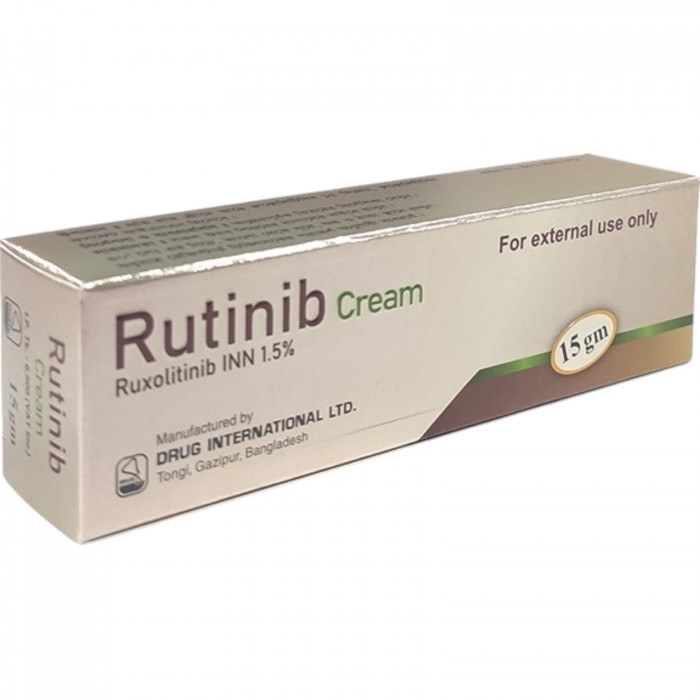
Rutinib Cream 15gm
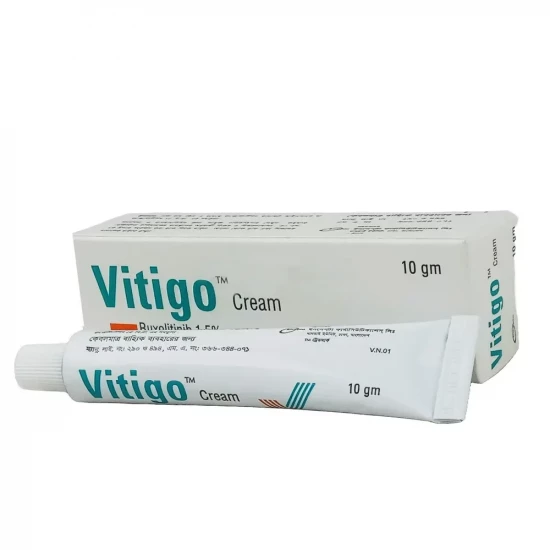
Vitigo 1.5% Cream 10gm
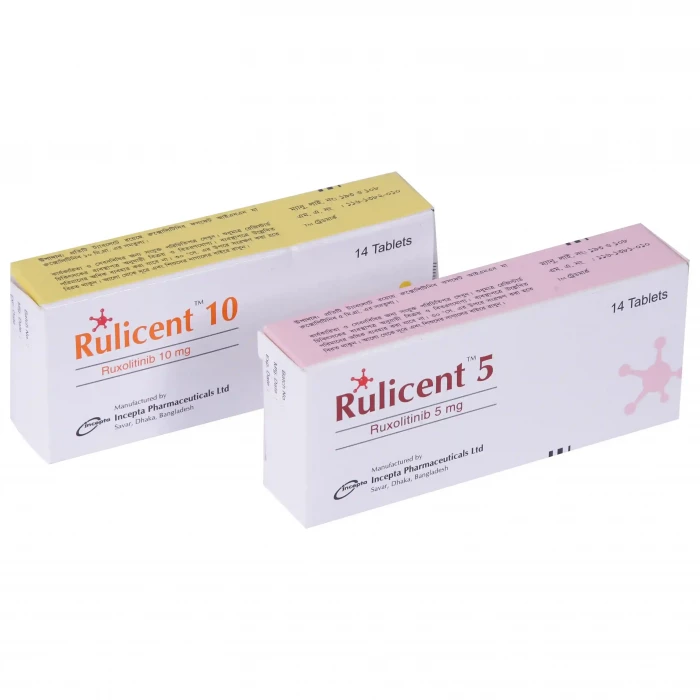
Rulicent 5mg 7pcs Tablet
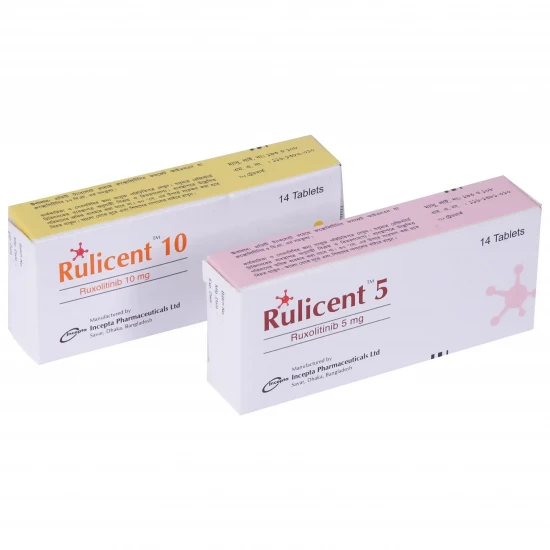
Rulicent 10 | 1 Strip | 7pcs Tablet
More From Ziska Pharmaceuticals Ltd.
Popular products from this manufacturer/brand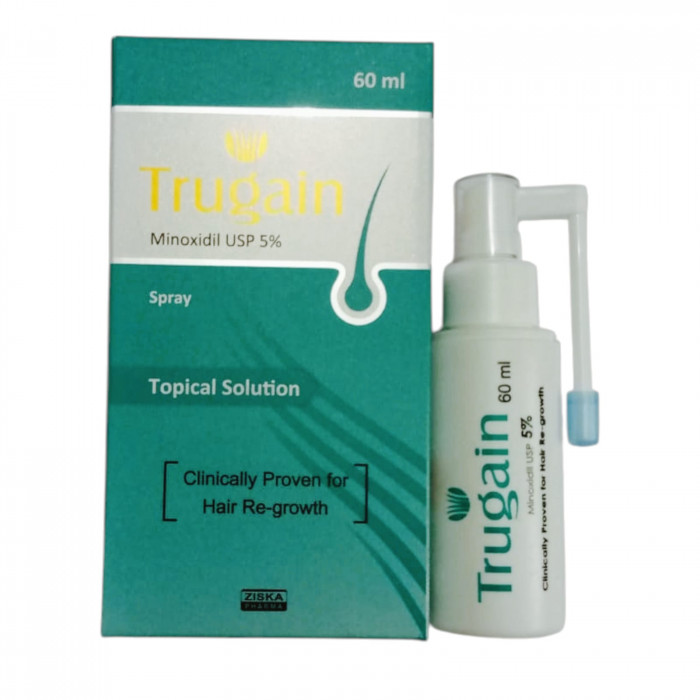
Trugain 5%
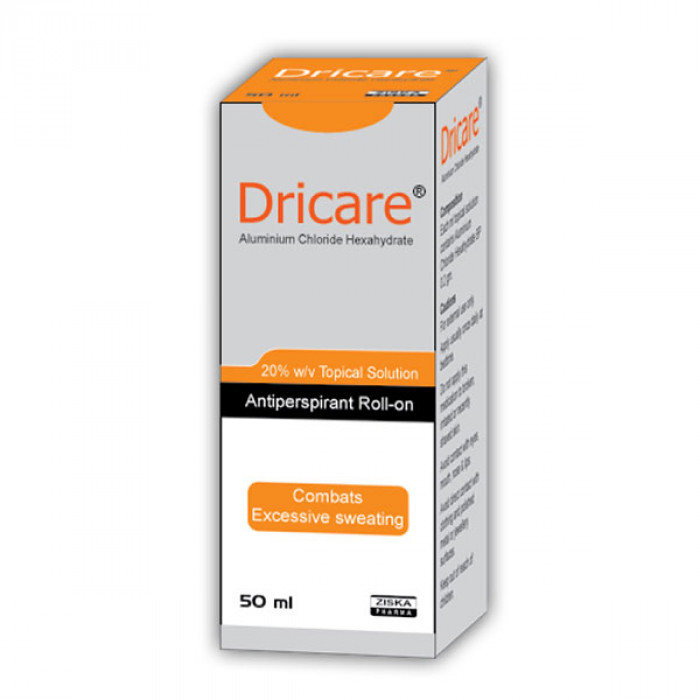
Dricare 20% Spray 50ml
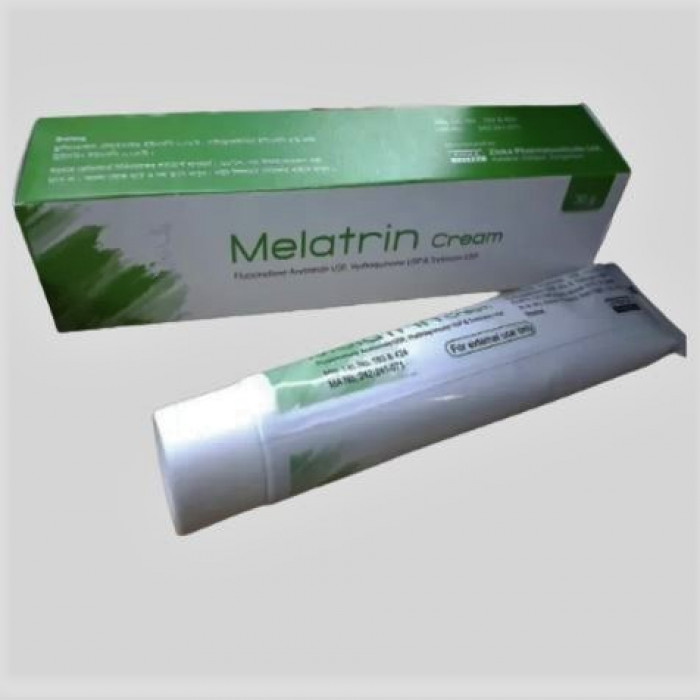
Melatrin Cream 30gm
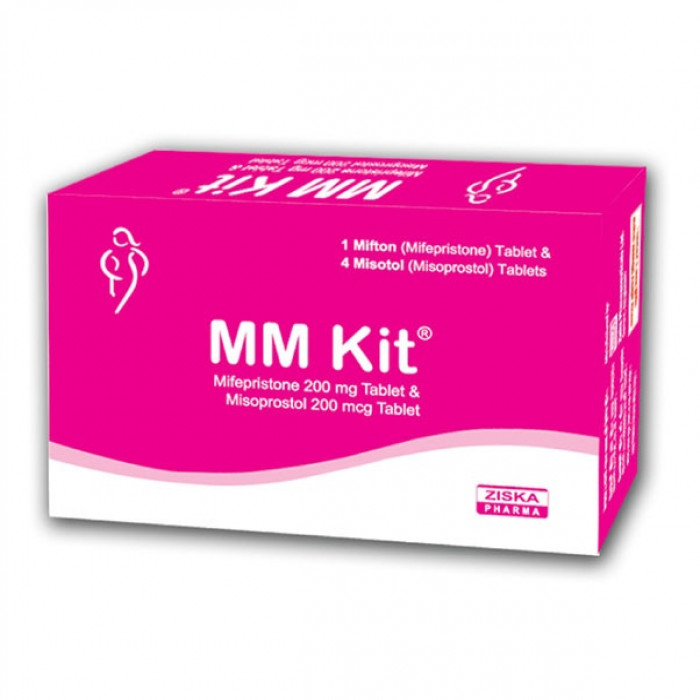
MM Kit
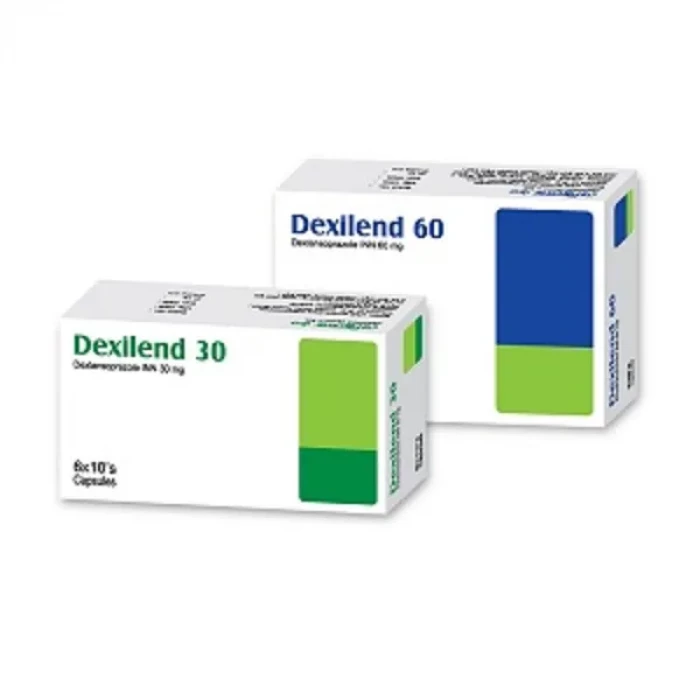
Dexilend 30mg Capsule
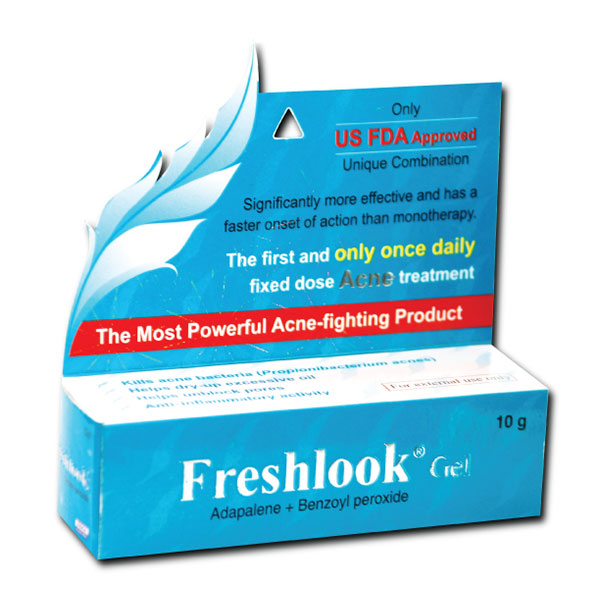
Freshlook Gel 10gm
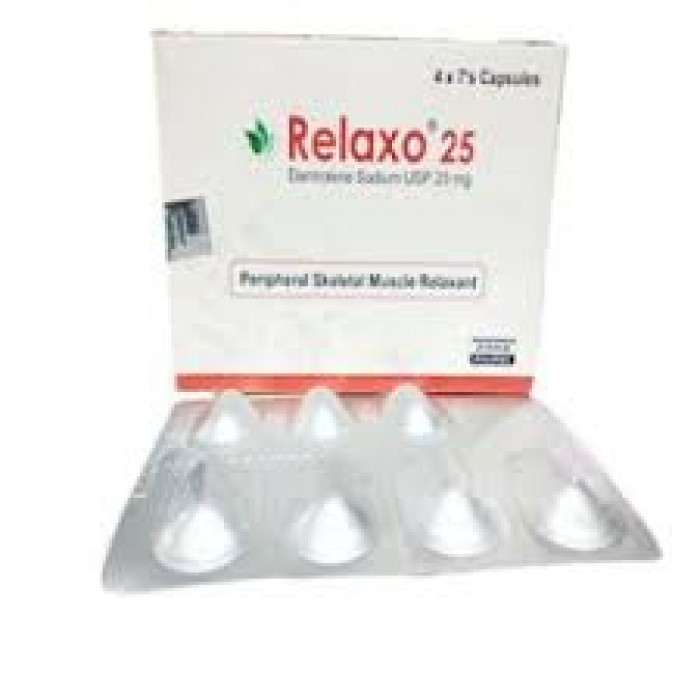
Relaxo 25mg 10Pcs
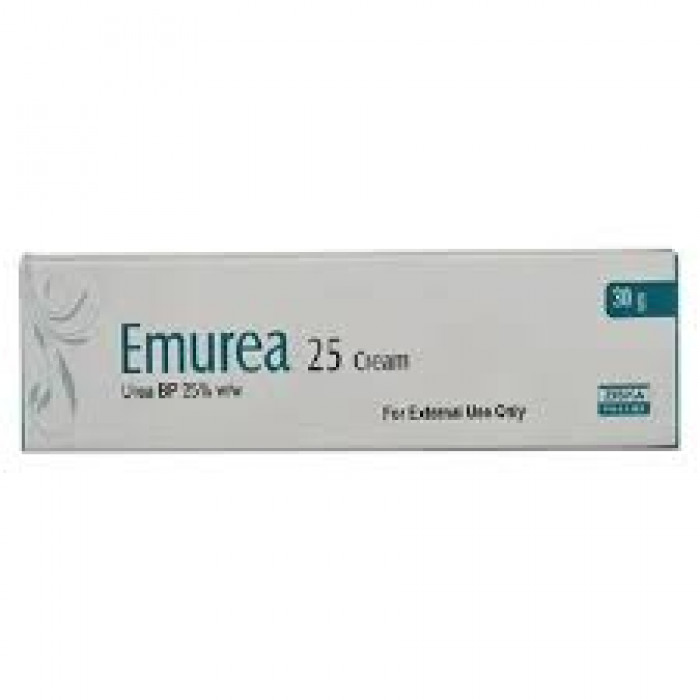
Emurea 25% Cream 30gm
কীভাবে অর্ডার করবেন?How to Order?
How to Orderওয়েবসাইট থেকে অর্ডার করার সহজ ভিডিও গাইড।
অ্যাপ থেকে অর্ডারের সহজ ভিডিও গাইড
অ্যাপ ডাউনলোডDownload ePharma App বিস্তারিত গাইড ›Detailed App Ordering Guide✔️ Dosage & Administration
- Administration Instructions: Ruxolitinib cream should not be used more than 60 grams per week or 100 grams per 2 weeks. It is for topical use only. It is not for intraocular, oral, or intravaginal use.
- Recommended Dosage for Atopic Dermatitis: Patients should apply a thin layer of Ruxolitinib twice daily to affected areas of up to 20% body surface area. When signs and symptoms (e.g., itch, rash, and redness) of atopic dermatitis resolve, it should be stopped. If signs and symptoms do not improve within 8 weeks, patients should be re-examined by a registered doctor.
- Recommended Dosage for Nonsegmental Vitiligo: Patients should apply a thin layer of Ruxolitinib twice daily to affected areas of up to 10% body surface area. Satisfactory patient response may require treatment with Ruxolitinib for more than 24 weeks. If the patient does not find the repigmentation meaningful by 24 weeks, the patient should be re-evaluated by a registered doctor.
- USE IN CHILDREN: The safety and effectiveness of Ruxolitinib in pediatric patients younger than 12 years of age with atopic dermatitis and nonsegmental vitiligo have not been established.
✔️ Interaction
Ruxonib is known to be a substrate for cytochrome P450 3A4 (CYP3A4). Inhibitors of CYP3A4 may increase Ruxonib systemic concentrations, whereas inducers of CYP3A4 may decrease Ruxonib systemic concentrations.
Strong Inhibitors of CYP3A4: Co-administration of Ruxonib should be avoided with strong inhibitors of CYP3A4, as there is a potential to increase the systemic exposure of Ruxonib and could increase the risk of Ruxonib adverse reactions.
✔️ Pregnancy & Lactation
Because of the serious adverse findings in adults, including risks of serious infections, thrombocytopenia, anemia, and neutropenia, women should not breastfeed during treatment with Ruxolitinib and for approximately four weeks after the last dose.
✔️ Side Effects
In atopic dermatitis, the most common side effects are nasopharyngitis, diarrhea, bronchitis, ear infection, increased eosinophil count, urticaria, folliculitis, tonsillitis, and rhinorrhea.
In nonsegmental vitiligo, the most common side effects are application site acne, application site pruritus, nasopharyngitis, headache, urinary tract infection, application site erythema, and pyrexia.
✔️ Contraindications
It is contraindicated in patients with known hypersensitivity to the drug or any of its components.
✔️ Precautions & Warnings
- Serious Infections: Use of Ruxonib should be avoided in patients with an active, serious infection, including localized infections. If a serious infection develops, interrupt Ruxonib until the infection is controlled. The risks and benefits of treatment with Ruxonib should be carefully considered prior to initiating therapy in patients with chronic or recurrent infection. Patients should be closely monitored for the development of signs and symptoms of infection during and after treatment with Ruxonib.
- Mortality: In rheumatoid arthritis (RA) patients 50 years of age and older with at least one cardiovascular risk factor, comparing an oral JAK inhibitor to tumor necrosis factor (TNF) blocker treatment, a higher rate of all-cause mortality, including sudden cardiovascular death, was observed with the JAK inhibitor.
- Non-melanoma Skin Cancers: Non-melanoma skin cancers, including basal cell and squamous cell carcinoma, can occur in patients treated with Ruxonib. Periodic skin examinations should be performed during Ruxonib treatment. Exposure to sunlight and UV light should be limited by wearing protective clothing and using broad-spectrum sunscreen.
- Major Adverse Cardiovascular Events (MACE): Patients who are current or past smokers are at additional increased risk of Major Adverse Cardiovascular Events. Patients who have experienced a myocar- dial infarction or stroke, Ruxonib should be discontinued.
- Thrombosis: Thromboembolic events were observed in trials with Ruxonib. If symptoms of thrombosis occur, Ruxonib should be discontinued and treat appropriately.
- Thrombocytopenia, Anemia, and Neutropenia: Thrombocytopenia, anemia, and neutropenia can occur. Perform CBC monitoring as clinically indicated.
✔️ Storage:
Store below 30°C in a dry place, away from sunlight & keep out of reach of children.
⚠️Disclaimer:
At ePharma, we’re committed to providing accurate and accessible health information. However, all content is intended for informational purposes only and should not replace medical advice from a qualified physician. Please consult your healthcare provider for personalized guidance. We aim to support, not substitute, the doctor-patient relationship.
📦Pricing Information, Availability:
Product Availability & Pricing Notice
Please note that pricing, availability, and service offerings are subject to change due to: Market fluctuations, Manufacturer or supplier adjustments, Product discontinuation or temporary unavailability, Advertising errors. All orders depend on stock availability and staff resources. If services are provided on a time-and-materials basis, any shared estimates are for planning purposes only.


Reliable
All products displayed on ePharma are procured from govt. approved pharmaceuticals and verified licensed pharmacies from 2016.

Secure
ePharma uses Secure Sockets Layer (SSL) 128-bit 🔒 encryption and is Payment Card Industry DataSecurity Standard (PCI DSS) compliant.

Affordable
Find affordable medicine substitutes, save up to 50% on health products, up to 30% off on doctor consultations.

Social
Providing health care services under the health and beauty category with more than 170K Facebook audience and 10M+ reach.







Get more features!
Download the app now
✓ Doctor consultation ✓ 24/7 helpline