


✔ 100% Authentic Product
👁️ Viewed 41 times
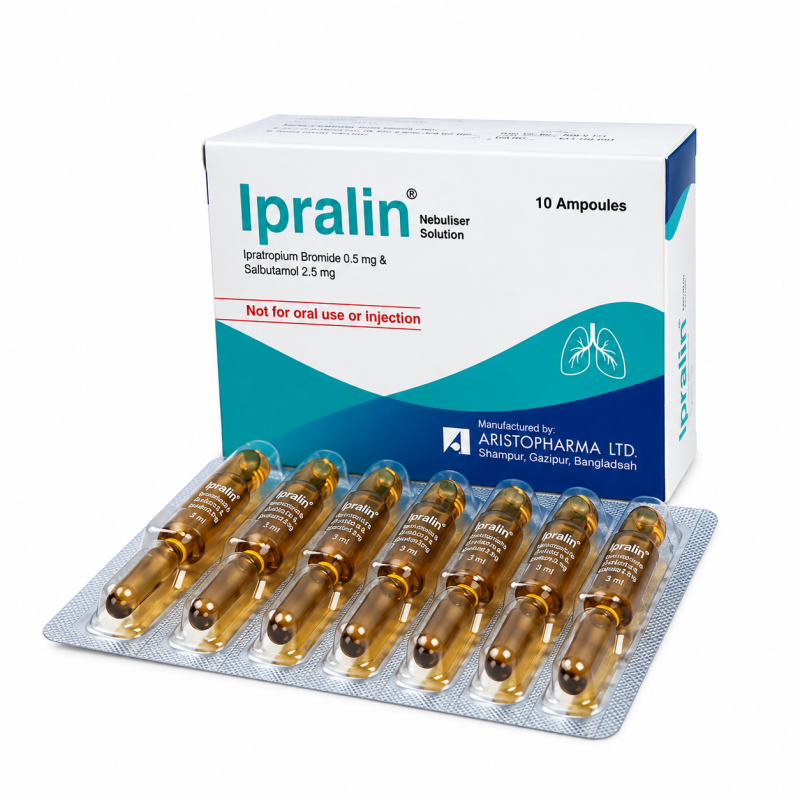
Ipralin (0.5mg+2.5mg/3ml) Nebuliser Solution 10pcs
Following inhalation, Ipratropium Bromide has relatively low systemic bioavailability, with less than 10% of the administered dose reaching systemic circulation. It has limited penetration across the blood-brain barrier. Its bronchodilating effect is primarily localized to the lungs.
Salbutamol is rapidly absorbed after inhalation. Peak plasma concentrations may occur within several hours, and the drug is predominantly eliminated through the kidneys. Its elimination half-life is approximately 4 hours.
When ipratropium bromide and salbutamol sulphate are nebulized together, the combination does not significantly increase systemic absorption of either component. Their additive bronchodilating effect is therefore primarily due to their combined local actions within the airways.
Discount Price: ৳ 188
MRP:
৳
200
6%
off

100% Genuine Products, Guaranteed

Safe & Secure Payments, Always

Fast, Secure & Efficient Delivery

Proper Packaging
 Cash on Delivery - All over Bangladesh
 Regular Delivery: 24-48 Hours, Dhaka City* Charge Tk.39-59
- Regular Delivery: 48-96 Hours, Other Cities* Charge Tk.99-125
 ফ্রি ডেলিভারিঃ - ১৪৯৯ টাকা+ অর্ডারে, ঢাকা
শহরে
ফ্রি ডেলিভারিঃ - ১৪৯৯ টাকা+ অর্ডারে, ঢাকা
শহরে- ফ্রি ডেলিভারিঃ - ৪৯৯৯ টাকা+ অর্ডারে, ঢাকার
বাহিরে
📲 মোবাইল অ্যাপ অর্ডারে সাশ্রয় বেশী
-
Google Play Store থেকে ডাউনলোড
-
Apple Store থেকে ডাউনলোড
100% Genuine Products, Guaranteed
Safe & Secure Payments, Always
Fast, Secure & Efficient Delivery
Proper Packaging
- Cash on Delivery - All over Bangladesh
- Regular Delivery: 24-48 Hours, Dhaka City* Charge Tk.39-59
- Regular Delivery: 48-96 Hours, Other Cities* Charge Tk.99-125
- ফ্রি ডেলিভারিঃ - ১৪৯৯ টাকা+ অর্ডারে, ঢাকা
শহরে
- ফ্রি ডেলিভারিঃ - ৪৯৯৯ টাকা+ অর্ডারে, ঢাকার
বাহিরে
- Google Play Store থেকে ডাউনলোড
- Apple Store থেকে ডাউনলোড
📲 মোবাইল অ্যাপ অর্ডারে সাশ্রয় বেশী
✅ Description:
Ipralin combines the complementary bronchodilating effects of a beta2-adrenergic agonist and an anticholinergic agent.
Salbutamol Sulphate stimulates beta2-adrenergic receptors in the smooth muscles of the airways. This causes relaxation of the bronchial muscles and helps widen the airways from the trachea through the smaller bronchioles, making breathing easier.
Ipratropium Bromide is an anticholinergic bronchodilator. It blocks the action of acetylcholine at muscarinic receptors in the airways, reducing vagally mediated bronchoconstriction. Its effects are primarily localized to the lungs following inhalation.
By combining these two mechanisms, Ipralin provides bronchodilation through both beta2-adrenergic stimulation and muscarinic receptor blockade. The combined effect can provide greater airway opening than either ingredient used alone.
Ipralin Nebuliser Solution contains two bronchodilators, Salbutamol Sulphate and Ipratropium Bromide. It is indicated for the treatment of reversible bronchospasm associated with obstructive airway diseases in patients who require treatment with more than one bronchodilator.
- Hold the ampoule upright and carefully twist off the top.
- Squeeze the prescribed amount of solution into the nebulizer chamber.
- If dilution is required, dilute only according to your doctor's instructions.
- Connect the nebulizer and administer the solution according to the device manufacturer's instructions.
- Breathe calmly and normally through the nebulizer until the treatment is complete.
Avoid allowing the nebulized solution to enter the eyes, particularly in patients at risk of glaucoma.

Relevant Products
Same generic alternatives, ranked by customer interest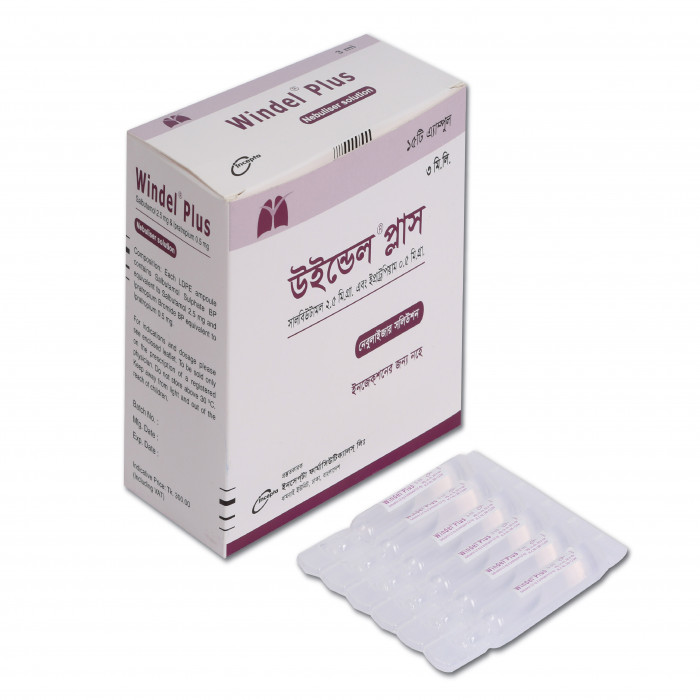
Windel Plus Nebuliser Solution 18pcs
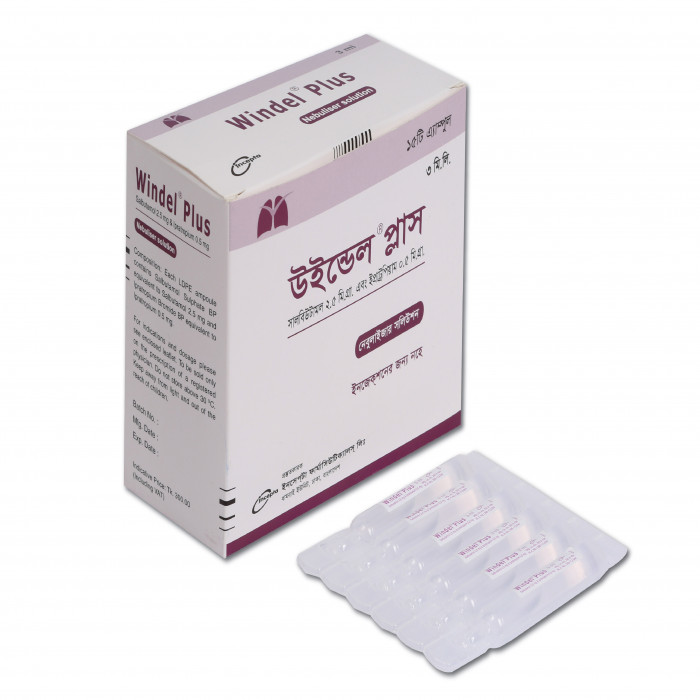
Windel Plus Nebuliser Solution 1 Ampoule
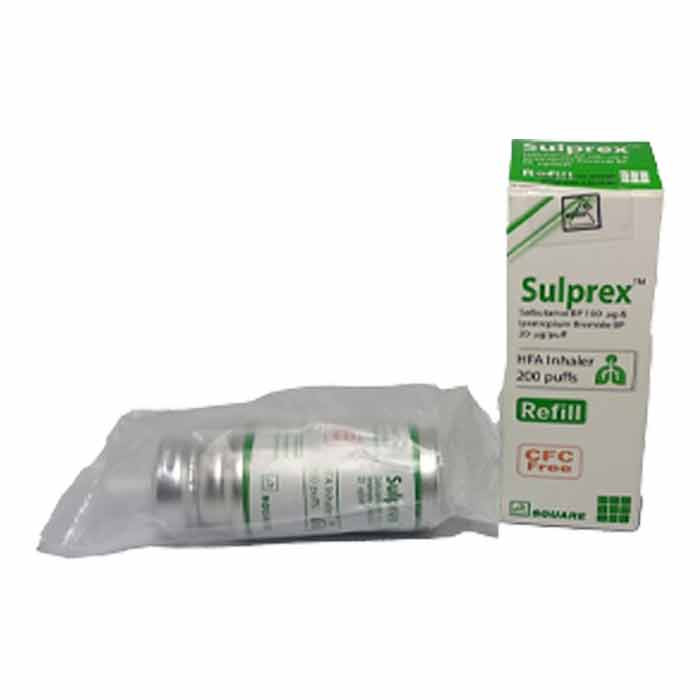
Sulprex HFA Refill | (100mcg+20mcg)/puff
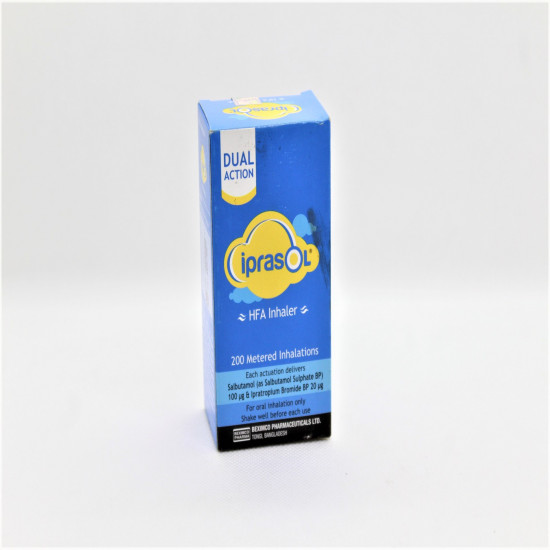
Iprasol HFA Inhaler
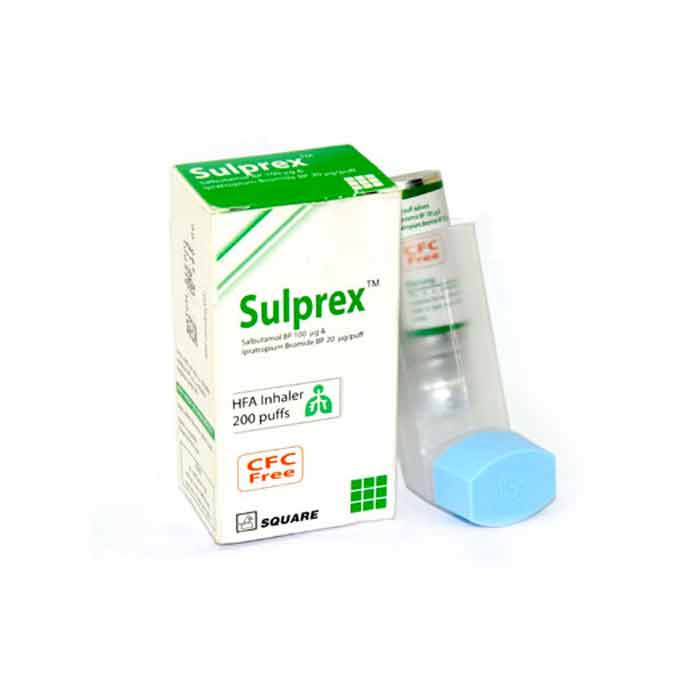
Sulprex HFA Inhaler 100mcg+20mcg/puff
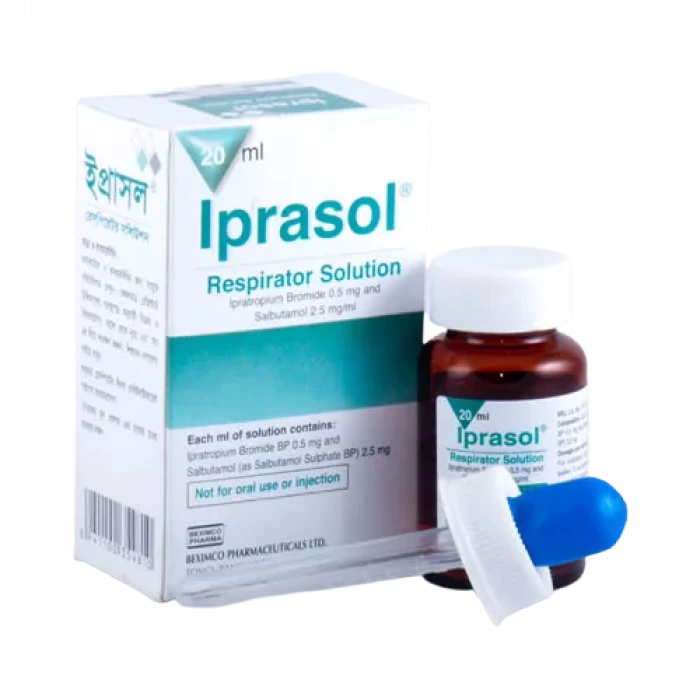
Iprasol Respiratory Solution 20ml
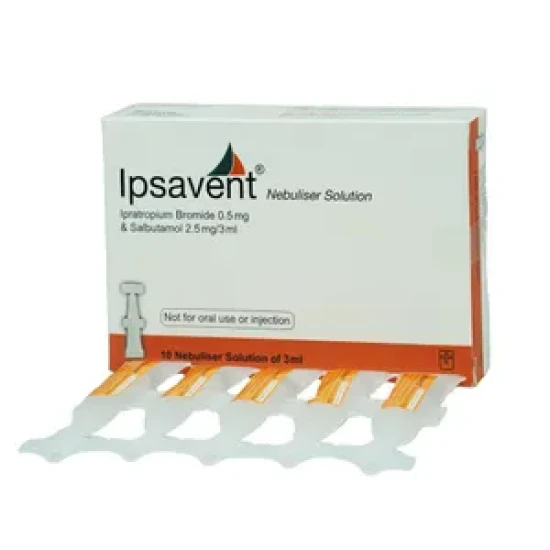
Ipsavent Nebuliser Solution (2.5mg+0.5mg)/3ml
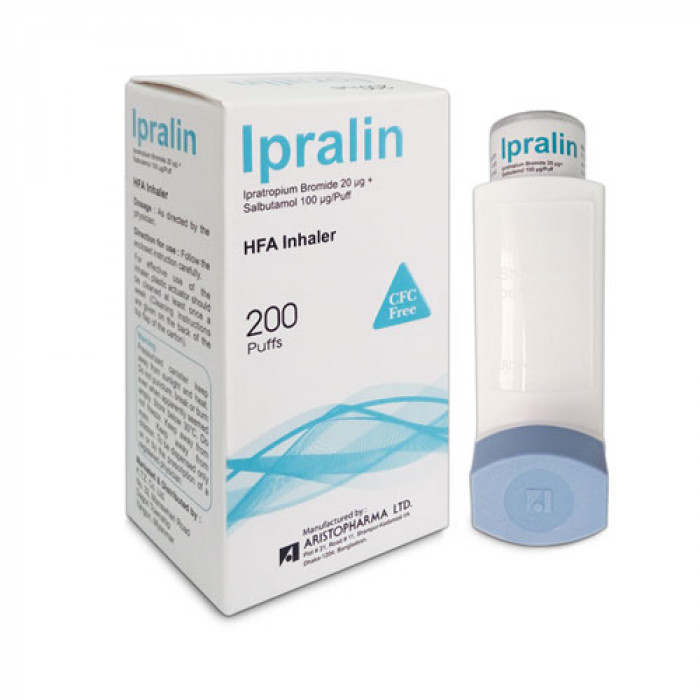
Ipralin HFA Inhaler 20mcg+100mcg/200puff
More From Aristopharma Limited
Popular products from this manufacturer/brand
Docopa 200 Tablet 1 Strip
Neso 500/20mg Tablet
Aristoderm 0.05%+1%+0.1% Cream 10g
Optimox 400mg Tablet
Docopa Syrup 100ml
Afrin 0.025% Nasal Drops
Soneta 0.1% Cream
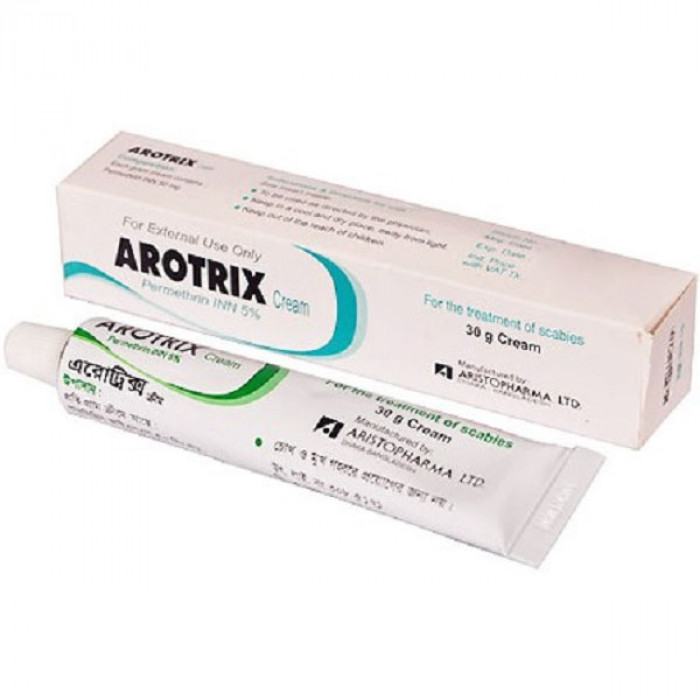
Arotrix 5% Cream 30gm
✔️ Ipralin is used for:
- Reversible bronchospasm associated with obstructive airway diseases
- Airway obstruction where treatment with both a beta2-agonist and an anticholinergic bronchodilator is required
It should be used according to the diagnosis and treatment plan provided by a healthcare professional.
✔️ Overdose
Overdose is expected to produce effects primarily related to salbutamol, as systemic absorption of inhaled ipratropium is relatively low.
Possible symptoms include:
- Rapid heartbeat
- Palpitations
- Tremor
- Flushing
- Changes in blood pressure
- Chest or anginal pain
- Cardiac arrhythmias
- Widening of pulse pressure
- Hypokalemia
✔️ Side Effects
- Fine tremor
- Nervousness
- Headache
- Dizziness
- Palpitations
- Increased heart rate
- Dry mouth
- Hoarseness or dysphonia
- Cough
- Throat irritation
- Nausea
- Vomiting
- Sweating
- Weakness
- Muscle cramps or myalgia
✔️ Ipralin should not be used in patients with:
- Known hypersensitivity to ipratropium bromide, atropine, or atropine-like compounds, salbutamol, or any other component of the formulation
- Hypertrophic obstructive cardiomyopathy or certain significant tachyarrhythmias, where the product is contraindicated according to the prescribing information
✔️ Dosage & Administration
Ipralin Nebuliser Solution should be administered using a suitable nebulizer or, when appropriate, an intermittent positive-pressure ventilator.
Adults and Elderly
The usual dose is:
One 3 mL ampoule, administered by nebulization up to four times daily.
If necessary, additional treatments may be prescribed by a doctor. Do not exceed the prescribed frequency without medical advice.
Children
The dose and frequency for children should be determined by a doctor according to the child's age, weight, severity of airway obstruction, and clinical condition.
If breathing difficulty becomes acute or rapidly worsens and additional inhalations do not provide adequate relief, seek immediate medical attention.
✔️ Pregnancy & Lactation
Pregnancy: Adequate controlled human studies are limited. Ipralin should be used during pregnancy only when the expected benefit to the mother outweighs potential risks to the fetus. Salbutamol may inhibit uterine contractions, so particular caution may be required near delivery.
Breastfeeding: It is not fully established whether clinically significant amounts of salbutamol or ipratropium are excreted into human milk. Because many medicines can enter breast milk, Ipralin should be used during breastfeeding only after consultation with a healthcare professional.
✔️ Use Ipralin with caution in patients with:
- Cardiovascular disease or cardiac arrhythmias
- Hypertension
- Diabetes mellitus
- Hyperthyroidism
- Glaucoma or increased intraocular pressure
- Difficulty passing urine or prostatic enlargement
- A history of sensitivity to beta-agonists or anticholinergic medicines
✔️ Drug Interactions
Ipralin may interact with several medicines and may increase the risk of adverse effects when used together with certain drugs.
- Other beta-agonists: May increase beta-adrenergic adverse effects.
- Systemically absorbed anticholinergics: May increase anticholinergic effects.
- Xanthine derivatives: May increase the risk of hypokalemia and other adverse effects.
- Corticosteroids: May contribute to beta-agonist-associated potassium reduction.
- Diuretics: May increase the risk of hypokalemia.
- Digoxin: Low potassium levels may increase susceptibility to cardiac arrhythmias.
- Beta-blockers: May reduce or antagonize the bronchodilating effect of salbutamol and may worsen bronchospasm in susceptible patients.
- MAO inhibitors and tricyclic antidepressants: May enhance the cardiovascular effects of beta-adrenergic agonists.
- Halogenated hydrocarbon anesthetics: Agents such as halothane, trichloroethylene, and enflurane may increase susceptibility to cardiovascular effects from beta-agonists.
✔️ Storage:
- Store below 30°C.
- Protect from light and moisture.
- Keep away from excessive heat.
- Keep out of reach and sight of children.
- Use the ampoule according to the manufacturer's instructions and do not use damaged or improperly stored ampoules.
⚠️Disclaimer:
At ePharma, we’re committed to providing accurate and accessible health information. However, all content is intended for informational purposes only and should not replace medical advice from a qualified physician. Please consult your healthcare provider for personalized guidance. We aim to support, not substitute, the doctor-patient relationship.
📦Pricing Information, Availability:
Product Availability & Pricing Notice
Please note that pricing, availability, and service offerings are subject to change due to: Market fluctuations, Manufacturer or supplier adjustments, Product discontinuation or temporary unavailability, Advertising errors. All orders depend on stock availability and staff resources. If services are provided on a time-and-materials basis, any shared estimates are for planning purposes only.

Reliable
All products displayed on ePharma are procured from govt. approved pharmaceuticals and verified licensed pharmacies from 2016.

Secure
ePharma uses Secure Sockets Layer (SSL) 128-bit 🔒 encryption and is Payment Card Industry DataSecurity Standard (PCI DSS) compliant.

Affordable
Find affordable medicine substitutes, save up to 50% on health products, up to 30% off on doctor consultations.

Social
Providing health care services under the health and beauty category with more than 170K Facebook audience and 10M+ reach.







Get more features!
Download the app now
✓ Doctor consultation ✓ 24/7 helpline