


✔ 100% Authentic Product
👁️ Viewed 1799 times
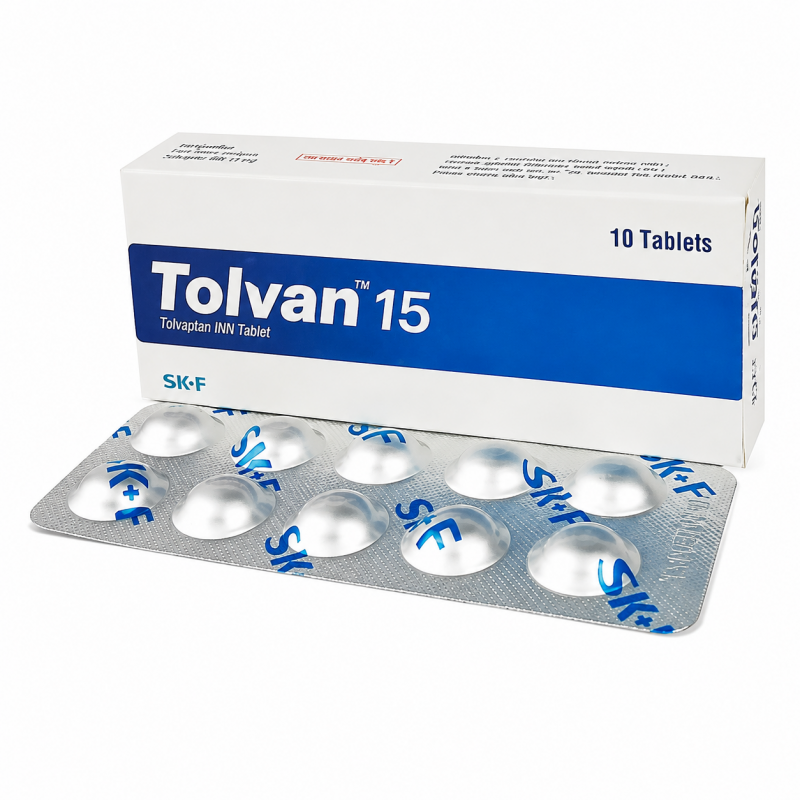
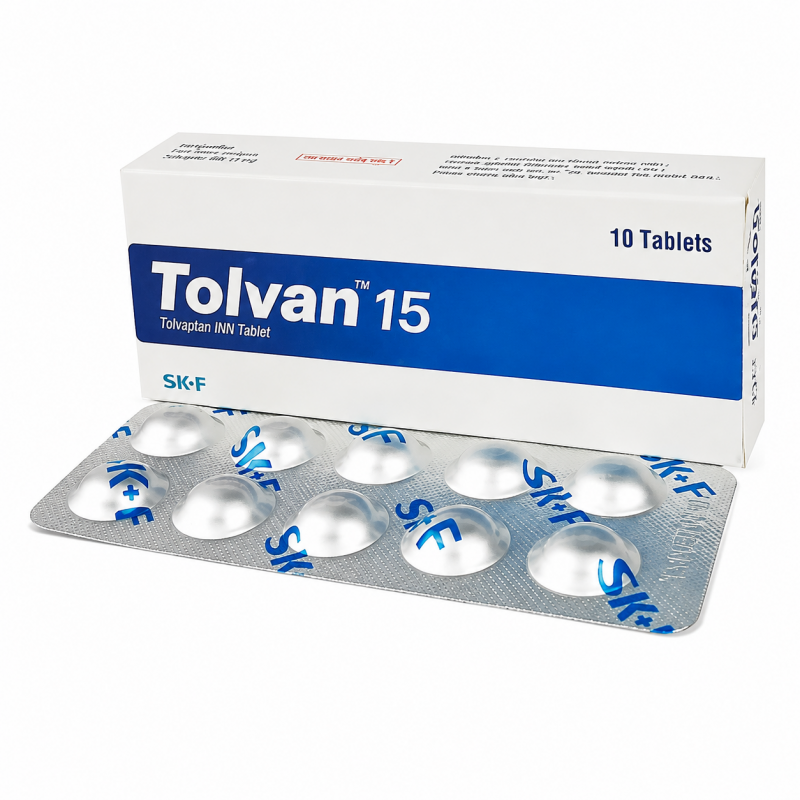
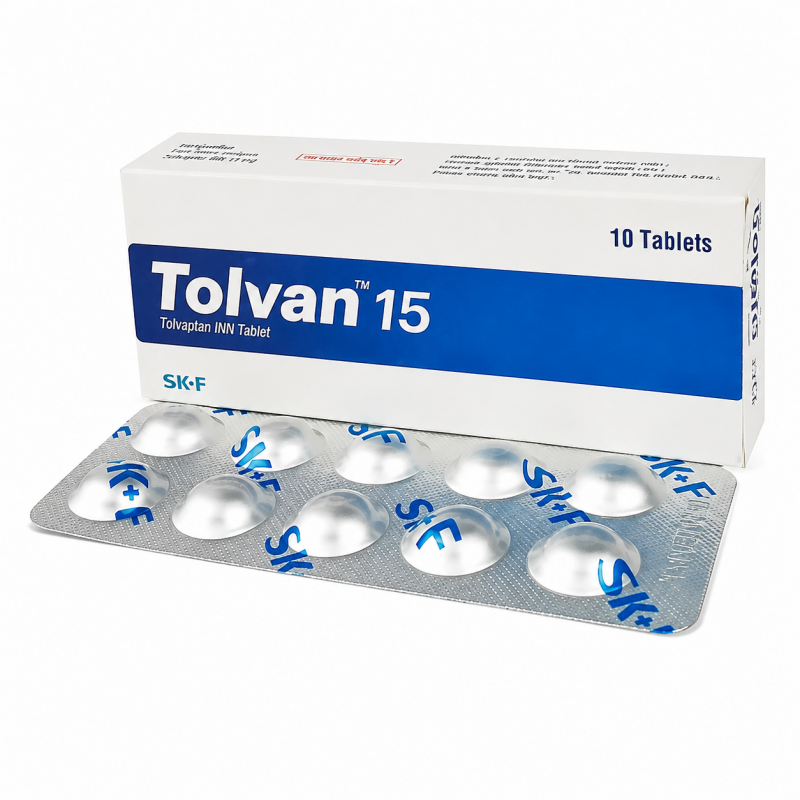
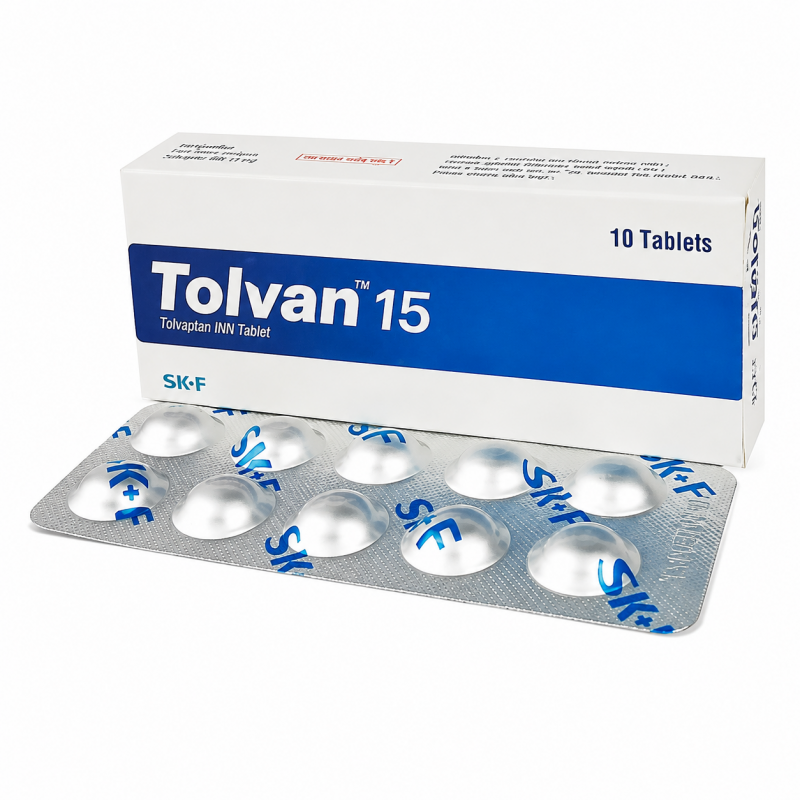
Tolvan 15mg Tablet
Tolvaptan is a selective vasopressin V2-receptor antagonist. It blocks the action of vasopressin, a hormone that promotes water retention. By reducing vasopressin activity, Tolvan increases the excretion of free water through urine while having relatively little effect on sodium and potassium excretion. This process, known as aquaresis, helps increase the sodium concentration in the blood.
Discount Price: ৳ 523
MRP:
৳
550
5%
off
100% Genuine Products, Guaranteed
Safe & Secure Payments, Always
Fast, Secure & Efficient Delivery
Proper Packaging
 Cash on Delivery - All over Bangladesh
 Regular Delivery: 24-48 Hours, Dhaka City* Charge Tk.39-59
- Regular Delivery: 48-96 Hours, Other Cities* Charge Tk.99-125
 ফ্রি ডেলিভারিঃ - ১৪৯৯ টাকা+ অর্ডারে, ঢাকা
শহরে
ফ্রি ডেলিভারিঃ - ১৪৯৯ টাকা+ অর্ডারে, ঢাকা
শহরে- ফ্রি ডেলিভারিঃ - ৪৯৯৯ টাকা+ অর্ডারে, ঢাকার
বাহিরে
📲 মোবাইল অ্যাপ অর্ডারে সাশ্রয় বেশী
-
Google Play Store থেকে ডাউনলোড
-
Apple Store থেকে ডাউনলোড
100% Genuine Products, Guaranteed
Safe & Secure Payments, Always
Fast, Secure & Efficient Delivery
Proper Packaging
- Cash on Delivery - All over Bangladesh
- Regular Delivery: 24-48 Hours, Dhaka City* Charge Tk.39-59
- Regular Delivery: 48-96 Hours, Other Cities* Charge Tk.99-125
- ফ্রি ডেলিভারিঃ - ১৪৯৯ টাকা+ অর্ডারে, ঢাকা
শহরে
- ফ্রি ডেলিভারিঃ - ৪৯৯৯ টাকা+ অর্ডারে, ঢাকার
বাহিরে
- Google Play Store থেকে ডাউনলোড
- Apple Store থেকে ডাউনলোড
📲 মোবাইল অ্যাপ অর্ডারে সাশ্রয় বেশী
✅ Description:
Tolvan is a prescription medicine used to treat hypervolemic or euvolemic hyponatremia, a condition in which the sodium level in the blood is abnormally low. It may be used in conditions such as heart failure, cirrhosis, and syndrome of inappropriate antidiuretic hormone secretion (SIADH).
Tolvaptan is also used to slow the progression of autosomal dominant polycystic kidney disease (ADPKD) in appropriate patients.
- Take Tolvan exactly as prescribed and preferably at the same time each day.
- Drink fluids whenever you feel thirsty to help prevent dehydration.
- Avoid excessive alcohol consumption.
- Treatment initiation or restarting may require hospital monitoring, particularly when used for hyponatremia, because sodium levels need to be corrected carefully.
- Do not change the dose or duration without medical advice.
An excessive dose may cause very frequent urination, intense thirst, dehydration, low blood volume, and an excessive rise in blood sodium. Medical evaluation should include vital signs, electrolyte levels, heart rhythm, and fluid status. Adequate fluid and electrolyte replacement may be required.

More From SK+F
Popular products from this manufacturer/brand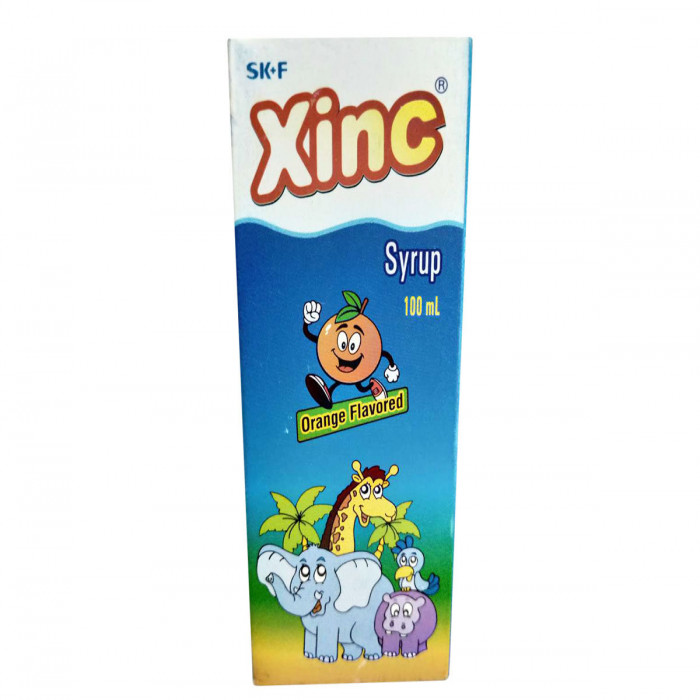
Xinc Syrup
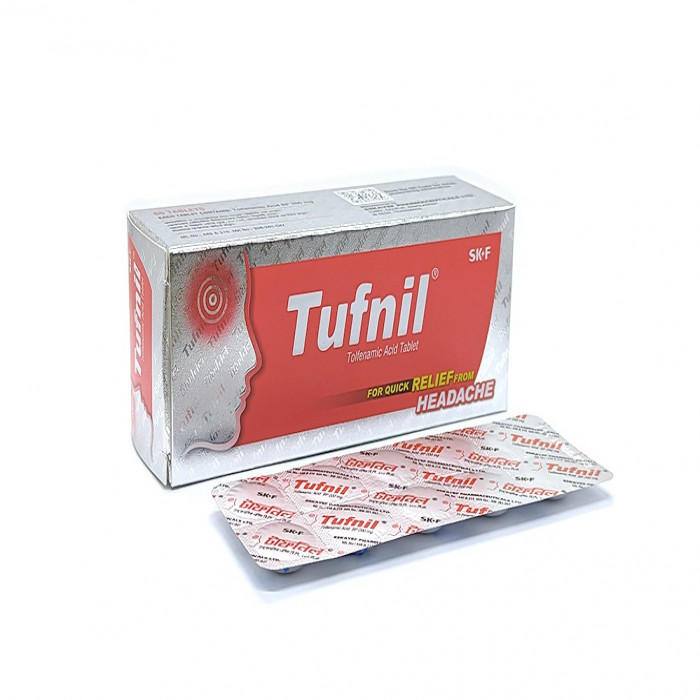
Tufnil 200mg Tablet
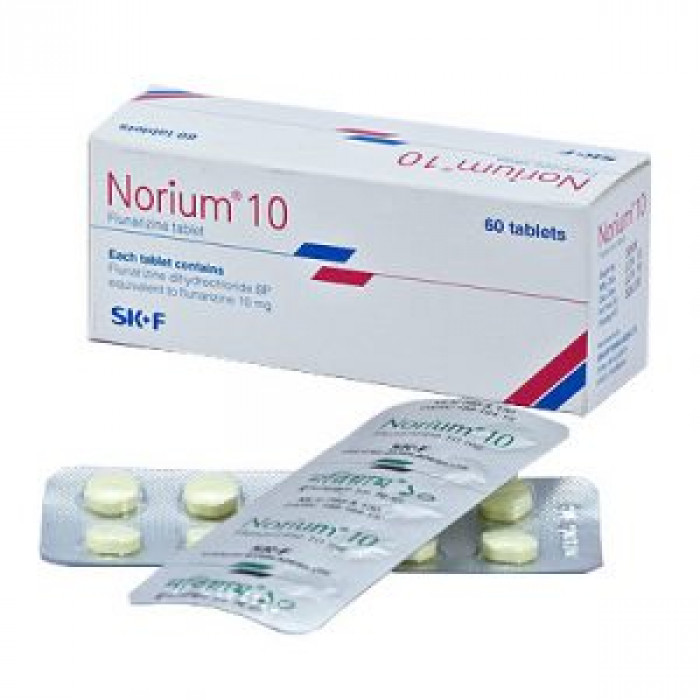
Norium 10mg Tablet
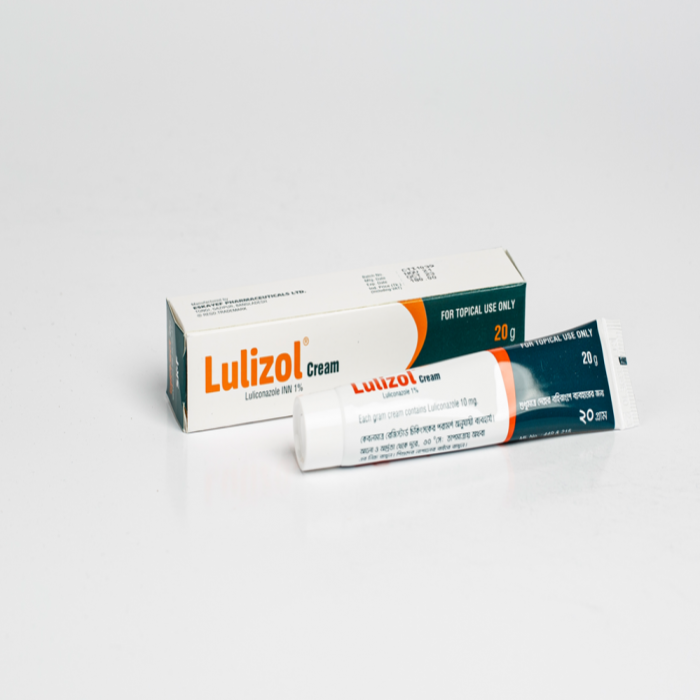
Lulizol 1% Cream 20gm
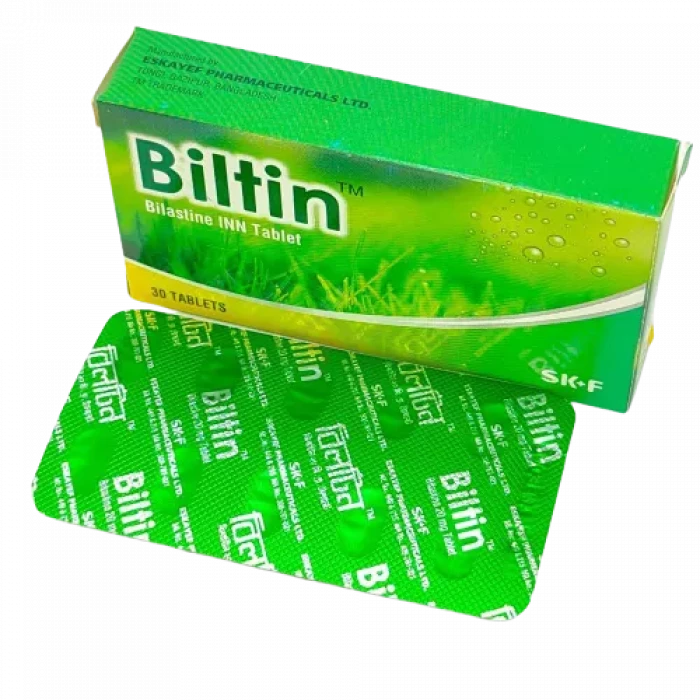
Biltin 20mg Tablet
Dumax 30mg Tablet
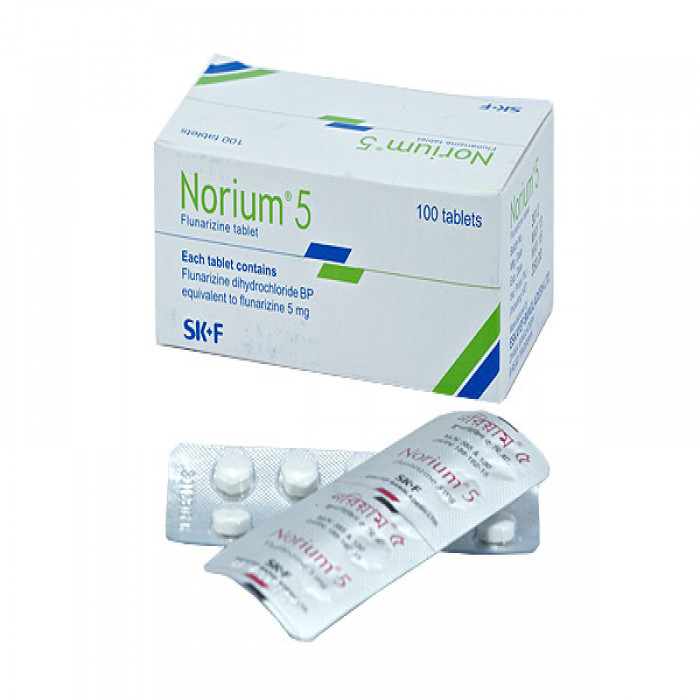
Norium 5mg Tablet
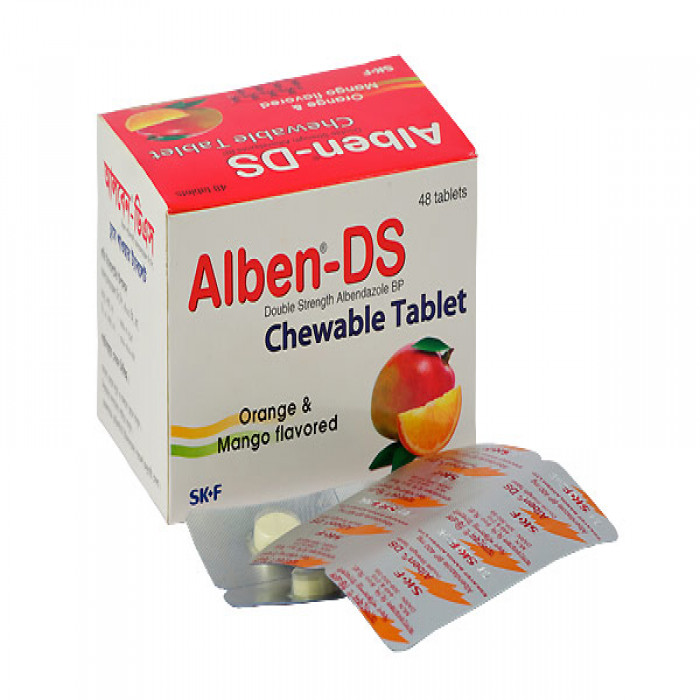
Alben-DS 400mg Chewable Tablet
কীভাবে অর্ডার করবেন?How to Order?
How to Orderওয়েবসাইট থেকে অর্ডার করার সহজ ভিডিও গাইড।
অ্যাপ থেকে অর্ডারের সহজ ভিডিও গাইড
অ্যাপ ডাউনলোডDownload ePharma App বিস্তারিত গাইড ›Detailed App Ordering GuideRelated Posts
✔️ Side Effects
- Increased thirst
- Dry mouth
- Dizziness
- Nausea
- Fatigue or weakness
- Increased urination
- Passing large amounts of urine
- Diarrhea
- Constipation
✔️ Tolvan should not be used in patients with:
- Allergy to tolvaptan or any component of the medicine
- Inability to produce urine (anuria)
- Severe dehydration or volume depletion
- Hypovolemic hyponatremia
- High blood sodium levels (hypernatremia)
- Inability to recognize or respond to thirst
- Pregnancy or breastfeeding
✔️ Dosage & Administration
For Hyponatremia
The usual starting dose is 15 mg once daily, with or without food. Depending on the response, the dose may be increased to 30 mg once daily after at least 24 hours, and then up to a maximum of 60 mg once daily when necessary.
Treatment for hyponatremia should not continue beyond 30 days because of the potential risk of liver injury.
For ADPKD
Treatment generally starts at 60 mg per day, divided into two doses. The dose may be gradually increased according to response and tolerability, with at least 7 days between dose adjustments, up to a maximum of 120 mg per day in divided doses.
The specific dosing schedule must be determined by the treating physician.
✔️ Use in Special Populations
- Children: Safety and effectiveness have not been established.
- Older adults: No major differences in safety or effectiveness have been identified, although individual sensitivity may vary.
- Kidney impairment: Dose adjustment is generally not required based solely on renal function, but use is not recommended in patients with extremely low kidney function (CrCl below 10 mL/min). It is not beneficial in patients who cannot produce urine.
- Liver impairment: Tolvaptan should be avoided in patients with underlying liver disease unless specifically determined appropriate by a specialist.
- Heart failure: Dose adjustment is generally not required solely because of congestive heart failure.
✔️ Drug Interactions
Tolvaptan is primarily metabolized through CYP3A enzymes. Strong CYP3A inhibitors should not be used with Tolvan, while moderate inhibitors should generally be avoided because they can significantly increase tolvaptan levels.
CYP3A inducers such as rifampicin, rifabutin, rifapentine, phenytoin, carbamazepine, and barbiturates may reduce its effectiveness and should generally be avoided.
P-glycoprotein inhibitors such as cyclosporine may increase tolvaptan exposure, and dose adjustment may be necessary.
✔️ Pregnancy & Breastfeeding
Tolvaptan should not be used during pregnancy because human safety data are limited and animal studies have shown potential reproductive risks. Women who could become pregnant should use effective contraception during treatment.
It is not known whether tolvaptan passes into human breast milk, so breastfeeding is not recommended during treatment.
✔️ Precautions & Warnings
Tolvaptan can cause the blood sodium level to rise too quickly. Rapid correction of hyponatremia can cause serious neurological complications, so sodium levels must be monitored carefully.
Tolvaptan can also affect the liver. Your doctor may perform liver-function tests before and during treatment. Seek medical advice if you develop:
- Yellowing of the skin or eyes
- Dark-colored urine
- Unusual abdominal pain
- Other symptoms suggesting liver problems
Inform your doctor if you experience difficulty speaking, swallowing, or moving your arms and legs, problems with muscle control, or significant mood changes.
✔️ Storage:
Store below 25°C in a dry place and protect from light. Keep out of reach of children.
⚠️Disclaimer:
At ePharma, we’re committed to providing accurate and accessible health information. However, all content is intended for informational purposes only and should not replace medical advice from a qualified physician. Please consult your healthcare provider for personalized guidance. We aim to support, not substitute, the doctor-patient relationship.
📦Pricing Information, Availability:
Product Availability & Pricing Notice
Please note that pricing, availability, and service offerings are subject to change due to: Market fluctuations, Manufacturer or supplier adjustments, Product discontinuation or temporary unavailability, Advertising errors. All orders depend on stock availability and staff resources. If services are provided on a time-and-materials basis, any shared estimates are for planning purposes only.

Reliable
All products displayed on ePharma are procured from govt. approved pharmaceuticals and verified licensed pharmacies from 2016.

Secure
ePharma uses Secure Sockets Layer (SSL) 128-bit 🔒 encryption and is Payment Card Industry DataSecurity Standard (PCI DSS) compliant.

Affordable
Find affordable medicine substitutes, save up to 50% on health products, up to 30% off on doctor consultations.

Social
Providing health care services under the health and beauty category with more than 170K Facebook audience and 10M+ reach.







Get more features!
Download the app now
✓ Doctor consultation ✓ 24/7 helpline