



✔ 100% Authentic Product
👁️ Viewed 150 times
Pemabet 0.1mg Tablet
Discount Price: ৳ 95
MRP:
৳
100
5%
off

100% Genuine Products, Guaranteed

Safe & Secure Payments, Always

Fast, Secure & Efficient Delivery

Proper Packaging
 Cash on Delivery - All over Bangladesh
 Regular Delivery: 24-48 Hours, Dhaka City* Charge Tk.39-59
- Regular Delivery: 48-96 Hours, Other Cities* Charge Tk.99-125
 ফ্রি ডেলিভারিঃ - ১৪৯৯ টাকা+ অর্ডারে, ঢাকা
শহরে
ফ্রি ডেলিভারিঃ - ১৪৯৯ টাকা+ অর্ডারে, ঢাকা
শহরে- ফ্রি ডেলিভারিঃ - ৪৯৯৯ টাকা+ অর্ডারে, ঢাকার
বাহিরে
📲 মোবাইল অ্যাপ অর্ডারে সাশ্রয় বেশী
-
Google Play Store থেকে ডাউনলোড
-
Apple Store থেকে ডাউনলোড
100% Genuine Products, Guaranteed
Safe & Secure Payments, Always
Fast, Secure & Efficient Delivery
Proper Packaging
- Cash on Delivery - All over Bangladesh
- Regular Delivery: 24-48 Hours, Dhaka City* Charge Tk.39-59
- Regular Delivery: 48-96 Hours, Other Cities* Charge Tk.99-125
- ফ্রি ডেলিভারিঃ - ১৪৯৯ টাকা+ অর্ডারে, ঢাকা
শহরে
- ফ্রি ডেলিভারিঃ - ৪৯৯৯ টাকা+ অর্ডারে, ঢাকার
বাহিরে
- Google Play Store থেকে ডাউনলোড
- Apple Store থেকে ডাউনলোড
📲 মোবাইল অ্যাপ অর্ডারে সাশ্রয় বেশী
✅ Description:
Pemafibrate 0.1 mg is a modern lipid-lowering medicine belonging to the class of Selective Peroxisome Proliferator-Activated Receptor Alpha Modulators (SPPARMα). It is primarily used to manage dyslipidemia, particularly elevated triglyceride (TG) levels in adults. By selectively activating PPAR-α receptors involved in lipid metabolism, Pemafibrate helps regulate abnormal lipid levels and may improve the overall lipid profile.
Pemafibrate is generally prescribed as an addition to dietary and lifestyle measures. Maintaining a balanced, low-fat diet, exercising regularly, managing body weight, and following other healthy lifestyle practices are important components of effective lipid management.
Composition
- Active Ingredient: Pemafibrate 0.1 mg
- Dosage Form: Tablet
- Strength: 0.1 mg
- Therapeutic Class: Selective PPAR-α Modulator (SPPARMα)
Uses of Pemafibrate 0.1 mg
Pemafibrate may be prescribed for adults with:
- Hypertriglyceridemia or abnormally elevated triglyceride levels
- Dyslipidemia, including mixed abnormalities of blood lipids
- Low HDL cholesterol associated with abnormal lipid metabolism
- Lipid disorders requiring additional treatment alongside diet and lifestyle modification
It is generally used as adjunctive therapy to dietary management and should be taken according to the recommendation of a qualified healthcare professional.
How Pemafibrate Works
Triglycerides and other abnormal lipid levels can contribute to the development of atherosclerotic cardiovascular disease (ASCVD), particularly when combined with other cardiovascular risk factors. Diets high in unhealthy fats, physical inactivity, excess body weight, and other metabolic factors can make lipid control more difficult.
Pemafibrate works by selectively activating PPAR-α, a nuclear receptor that plays an important role in regulating fatty-acid and lipid metabolism. Activation of this receptor promotes the breakdown and utilization of fatty acids and influences the production and clearance of triglyceride-rich lipoproteins.
Compared with conventional fibrates, Pemafibrate has been designed to provide greater selectivity for PPAR-α. Its molecular structure enables strong interaction with the receptor, supporting targeted modulation of lipid metabolism. As a result, it can help reduce elevated triglyceride levels and may improve HDL cholesterol levels in appropriate patients.
Dosage and Administration
The usual adult dose is Pemafibrate 0.1 mg taken orally twice daily. It may generally be taken with or without food. The exact dose and treatment duration should be determined by the treating physician based on the patient's lipid levels, clinical condition, age, kidney and liver function, and response to treatment.
Do not change the dose or stop treatment without consulting a healthcare professional.
Children: The safety and effectiveness of Pemafibrate in children have not been adequately established.
Kidney impairment: Caution is required in patients with significant renal impairment, particularly when eGFR is below 30 mL/min/1.73 m². The physician may consider a lower dose or adjustment of the dosing schedule. The maximum recommended dose in such patients should follow the applicable prescribing guidance.
Liver impairment: Pemafibrate should be used carefully in patients with liver disease or a previous history of hepatic problems, with appropriate monitoring as advised by the physician.
Drug Interactions
Pemafibrate may interact with certain medicines, potentially increasing the risk of adverse effects or altering treatment response.
- Other fibrates: Combining Pemafibrate with other fibrate medicines may increase the likelihood or severity of adverse reactions.
- Statins: Concomitant use with HMG-CoA reductase inhibitors may increase the risk of muscle-related complications, including myopathy and, rarely, rhabdomyolysis.
- Anticoagulants: Patients receiving oral anticoagulants such as warfarin may require closer monitoring because the anticoagulant effect can be altered.
- Cyclosporine and rifampicin: Concomitant use is contraindicated according to the relevant prescribing information.
Always inform your doctor about all prescription medicines, over-the-counter products, vitamins, and herbal supplements you are taking.
Contraindications
Pemafibrate should not be used in patients with:
- Known allergy or hypersensitivity to Pemafibrate or any component of the formulation
- Severe hepatic disease
- Child-Pugh class B or C cirrhosis
- Biliary obstruction
- Gallstones (cholelithiasis), where contraindicated by the applicable product information
- Pregnancy or suspected pregnancy
- Concomitant treatment with contraindicated medicines such as cyclosporine or rifampicin
Side Effects
Some patients may experience gastrointestinal or other adverse effects during treatment. Possible side effects include:
- Nausea
- Diarrhea
- Abdominal discomfort or pain
- Skin rash
- Jaundice
- Gallstone formation
- Muscle-related toxicity
Seek medical attention if unexplained muscle pain, severe weakness, muscle cramps, dark-colored urine, persistent abdominal pain, or signs of liver problems occur.
Pregnancy and Breastfeeding
Pregnancy: Pemafibrate is contraindicated in pregnant or potentially pregnant women because its safety during pregnancy has not been established.
Breastfeeding: Use during breastfeeding should generally be avoided. If treatment is considered essential, the healthcare professional should assess whether breastfeeding should be discontinued.
Precautions and Warnings
Patients taking Pemafibrate should be monitored appropriately, particularly those with pre-existing liver, kidney, gallbladder, or muscle-related conditions.
When Pemafibrate is combined with a statin, there may be an increased risk of muscle toxicity. Patients should promptly report unexplained muscle pain, tenderness, cramps, weakness, or other unusual muscle symptoms. If significant elevation of creatine kinase (CK) or symptoms suggestive of serious muscle injury occur, treatment may need to be discontinued.
Because Pemafibrate may affect liver function, liver function tests should be monitored periodically in patients at risk or when clinically indicated.
Patients with a history of gallstones should be treated cautiously because lipid-lowering fibrate therapy may be associated with gallstone formation.
Pemafibrate may also cause changes in LDL cholesterol in some patients; therefore, the complete lipid profile, including LDL cholesterol, triglycerides, and HDL cholesterol, should be monitored during treatment.
Lifestyle Recommendations
For better control of abnormal lipid levels, Pemafibrate should be combined with healthy lifestyle practices. Patients are generally advised to:
- Follow a balanced, heart-healthy diet
- Reduce excessive intake of saturated and unhealthy fats
- Exercise regularly as recommended by their healthcare provider
- Maintain a healthy body weight
- Avoid excessive alcohol consumption
- Attend scheduled follow-up appointments and laboratory tests
Storage
Store Pemafibrate tablets at a temperature not exceeding 30°C, in a dry place away from direct light and moisture. Keep the medicine in its original packaging and out of reach of children.
Important: Pemafibrate is a prescription medicine and should be used only according to the advice of a registered physician.

More From SK+F
Popular products from this manufacturer/brand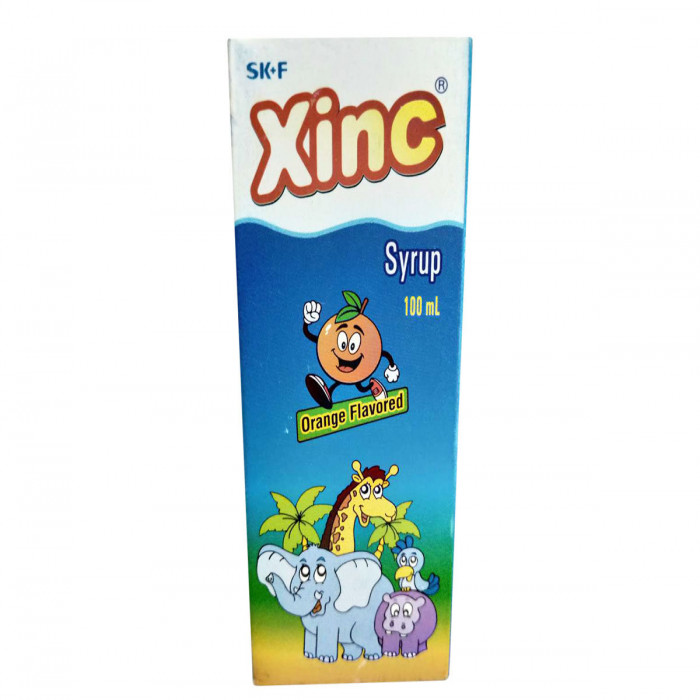
Xinc Syrup
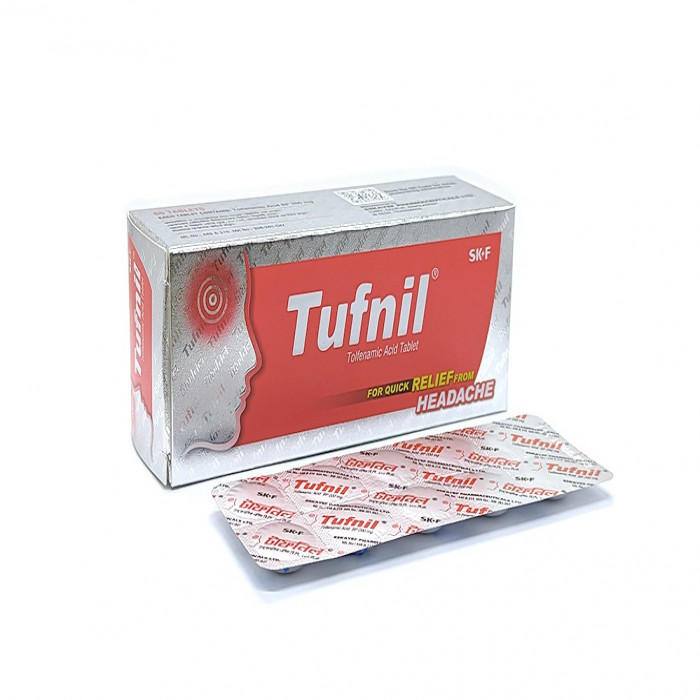
Tufnil 200mg Tablet
Norium 10mg Tablet
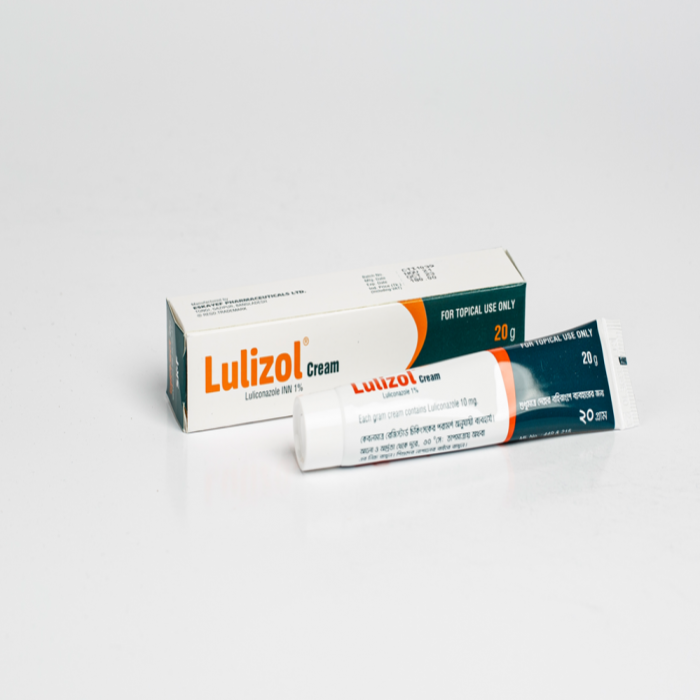
Lulizol 1% Cream 20gm

Biltin 20mg Tablet
Dumax 30mg Tablet

Norium 5mg Tablet
Alben-DS 400mg Chewable Tablet
⚠️Disclaimer:
At ePharma, we’re committed to providing accurate and accessible health information. However, all content is intended for informational purposes only and should not replace medical advice from a qualified physician. Please consult your healthcare provider for personalized guidance. We aim to support, not substitute, the doctor-patient relationship.
📦Pricing Information, Availability:
Product Availability & Pricing Notice
Please note that pricing, availability, and service offerings are subject to change due to: Market fluctuations, Manufacturer or supplier adjustments, Product discontinuation or temporary unavailability, Advertising errors. All orders depend on stock availability and staff resources. If services are provided on a time-and-materials basis, any shared estimates are for planning purposes only.



Reliable
All products displayed on ePharma are procured from govt. approved pharmaceuticals and verified licensed pharmacies from 2016.

Secure
ePharma uses Secure Sockets Layer (SSL) 128-bit 🔒 encryption and is Payment Card Industry DataSecurity Standard (PCI DSS) compliant.

Affordable
Find affordable medicine substitutes, save up to 50% on health products, up to 30% off on doctor consultations.

Social
Providing health care services under the health and beauty category with more than 170K Facebook audience and 10M+ reach.







Get more features!
Download the app now
✓ Doctor consultation ✓ 24/7 helpline