


✔ 100% Authentic Product
👁️ Viewed 1994 times
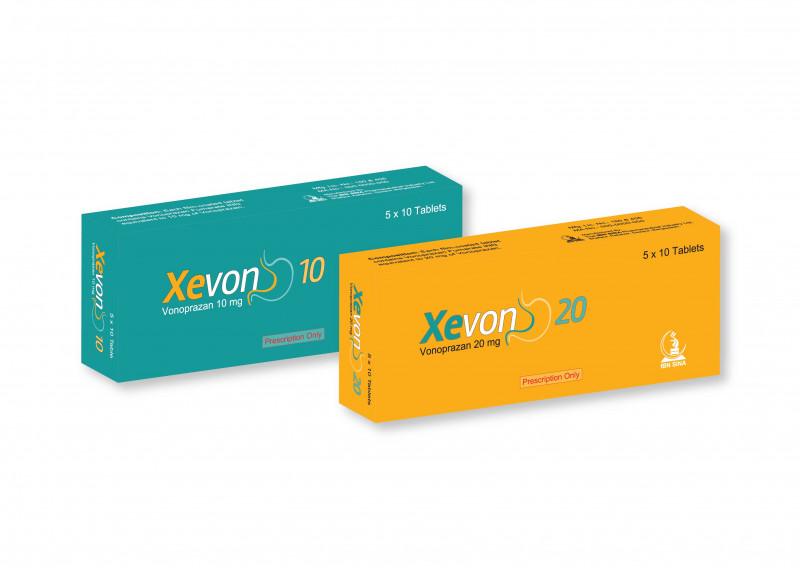
Xevon 20 Tablet 1 Strip
Vonoprazan 20 is indicated for:
- Gastric ulcer, duodenal ulcer, reflux esophagitis, prevention of recurrence of gastric or duodenal ulcer during low-dose aspirin administration, and prevention of recurrence of gastric or duodenal ulcer during NSAID administration.
- Adjunct to Helicobacter pylori eradication in the following: Gastric ulcer, duodenal ulcer, gastric mucosa-associated lymphatic tissue (MALT) lymphoma, idiopathic thrombocytopenic purpura, the stomach after endoscopic resection of early-stage gastric cancer, or Helicobacter pylori gastritis.
Discount Price: ৳ 66
MRP:
৳
70
6%
off

100% Genuine Products, Guaranteed

Safe & Secure Payments, Always

Fast, Secure & Efficient Delivery
Proper Packaging
 Cash on Delivery - All over Bangladesh
 Regular Delivery: 24-48 Hours, Dhaka City* Charge Tk.39-59
- Regular Delivery: 48-96 Hours, Other Cities* Charge Tk.99-125
 ফ্রি ডেলিভারিঃ - ১৪৯৯ টাকা+ অর্ডারে, ঢাকা
শহরে
ফ্রি ডেলিভারিঃ - ১৪৯৯ টাকা+ অর্ডারে, ঢাকা
শহরে- ফ্রি ডেলিভারিঃ - ৪৯৯৯ টাকা+ অর্ডারে, ঢাকার
বাহিরে
📲 মোবাইল অ্যাপ অর্ডারে সাশ্রয় বেশী
-
Google Play Store থেকে ডাউনলোড
-
Apple Store থেকে ডাউনলোড
100% Genuine Products, Guaranteed
Safe & Secure Payments, Always
Fast, Secure & Efficient Delivery
Proper Packaging
- Cash on Delivery - All over Bangladesh
- Regular Delivery: 24-48 Hours, Dhaka City* Charge Tk.39-59
- Regular Delivery: 48-96 Hours, Other Cities* Charge Tk.99-125
- ফ্রি ডেলিভারিঃ - ১৪৯৯ টাকা+ অর্ডারে, ঢাকা
শহরে
- ফ্রি ডেলিভারিঃ - ৪৯৯৯ টাকা+ অর্ডারে, ঢাকার
বাহিরে
- Google Play Store থেকে ডাউনলোড
- Apple Store থেকে ডাউনলোড
📲 মোবাইল অ্যাপ অর্ডারে সাশ্রয় বেশী
✅ Description:
Xevon 20 is a potassium-competitive acid blocker (P-CAB) and does not require activation by acid. It inhibits H+, K+-ATPase in a reversible and potassium-competitive manner. Vonoprazan has a strong basicity and resides on the acid production site of gastric parietal cells for a long time, thereby inhibiting gastric acid production. Vonoprazan exerts a strong inhibitory effect on the formation of mucosal damage in the upper part of the gastrointestinal tract.
- Gastric ulcer and duodenal ulcer: The usual adult dose for oral use is 20 mg of Vonoprazan administered orally once daily an 8-week treatment for gastric ulcer and a 6-week treatment for duodenal ulcer.
- Reflux esophagitis: The usual adult dose for oral use is 20 mg of Vonoprazan administered once daily for a total of 4 weeks of treatment. If that dosing proves insufficient, the administration should be extended, but for no longer than 8 weeks of treatment.
- For the maintenance therapy of reflux esophagitis showing recurrence and recrudescence, the dose for oral use is 10mg of Vonoprazan once daily. However, when the efficacy is inadequate, the dosage may be increased up to 20 mg of Vonoprazan once daily.
- Prevention of recurrence of gastric or duodenal ulcer during low-dose aspirin administration: The usual adult dose is one tablet of 10 mg of Vonoprazan administered orally once daily.
- Prevention of recurrence of gastric or duodenal ulcer during non-steroidal anti-inflammatory drug (NSAID): administration. The usual adult dose is one tablet of 10 mg of Vonoprazan administered orally once daily.
- Adjunct to Helicobacter pylori eradication: For adults, the following three-drug regimen should be administered orally at the same time twice daily for seven days: 20 mg of Vonoprazan, 750 mg of amoxicillin hydrate, and 200 mg of clarithromycin. The dose of clarithromycin may be increased as clinically warranted. However, dosage should not exceed 400 mg twice daily.
If Helicobacter pylori eradication with a three-drug regimen comprising a proton pump inhibitor, amoxicillin hydrate, and clarithromycin has been unsuccessful, as an alternative treatment, adults should be administered the following three drugs orally twice daily for seven days: 20 mg of Vonoprazan, 750 mg of amoxicillin hydrate, and 250 mg of metronidazole.
Vonoprazan can be taken without regard to food or timing of food.

Relevant Products
Same generic alternatives, ranked by customer interest
Vonix 20mg Tablet 1 Strip
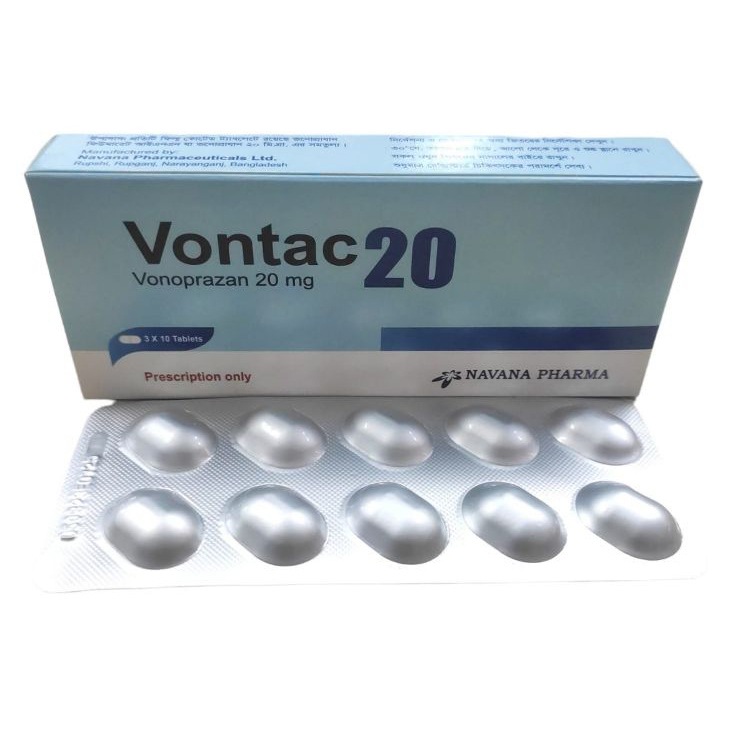
Vontac 20
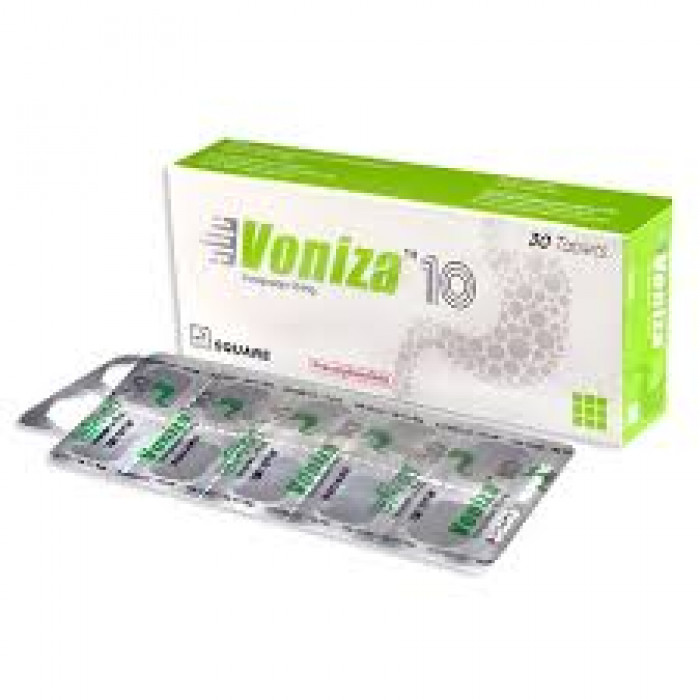
Voniza 10
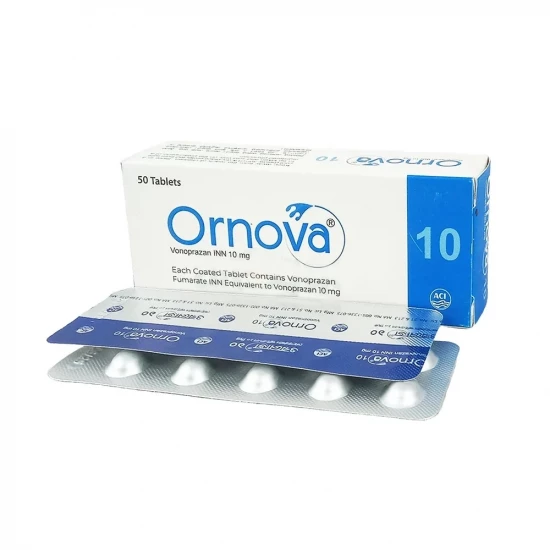
Ornova 10 | 10pcs
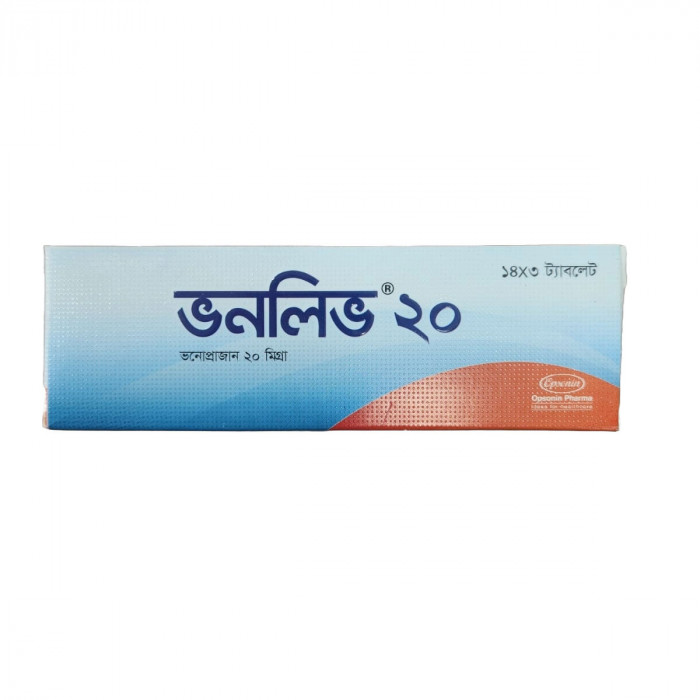
Vonliv 20 Tablet 1 Strip
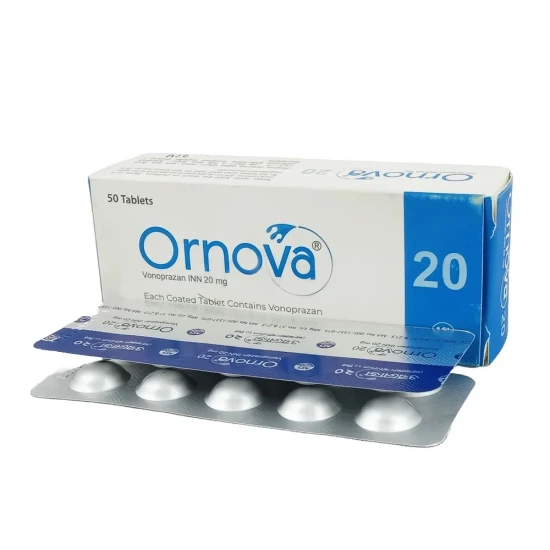
Ornova 20 | 1 Strip
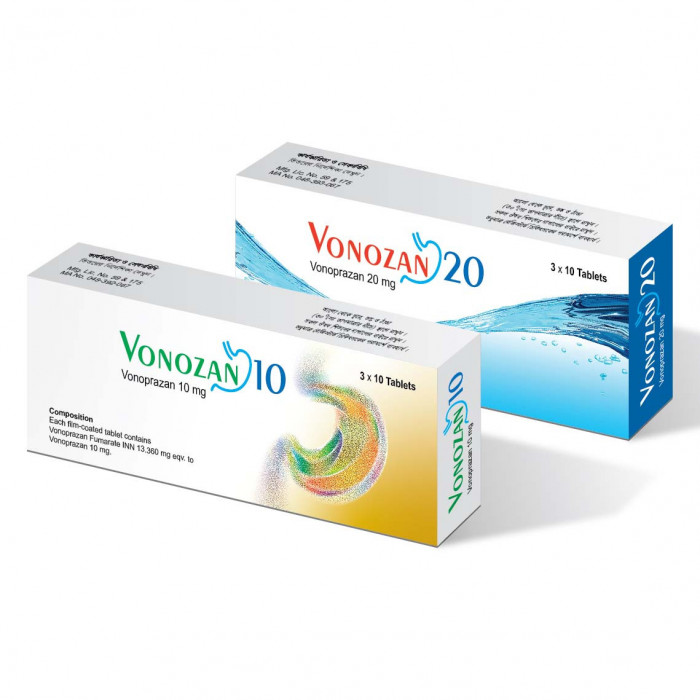
Vonozan 10 Tablet 1 Strip
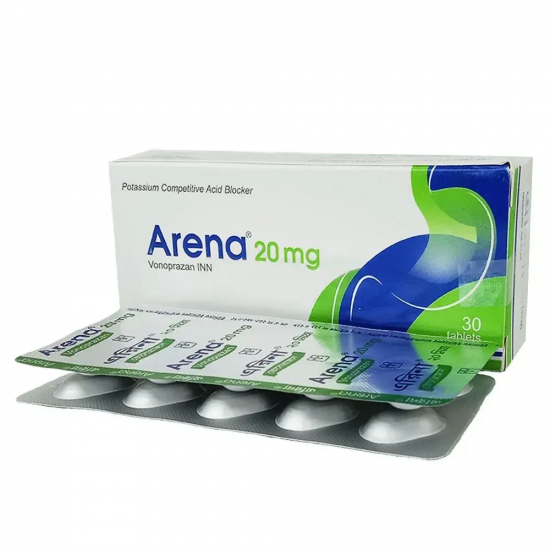
Arena 20, 1 Strip
More From Ibne Sina Pharmaceuticals
Popular products from this manufacturer/brand
Vigogel
Xorel 20mg Tablet 10Pcs
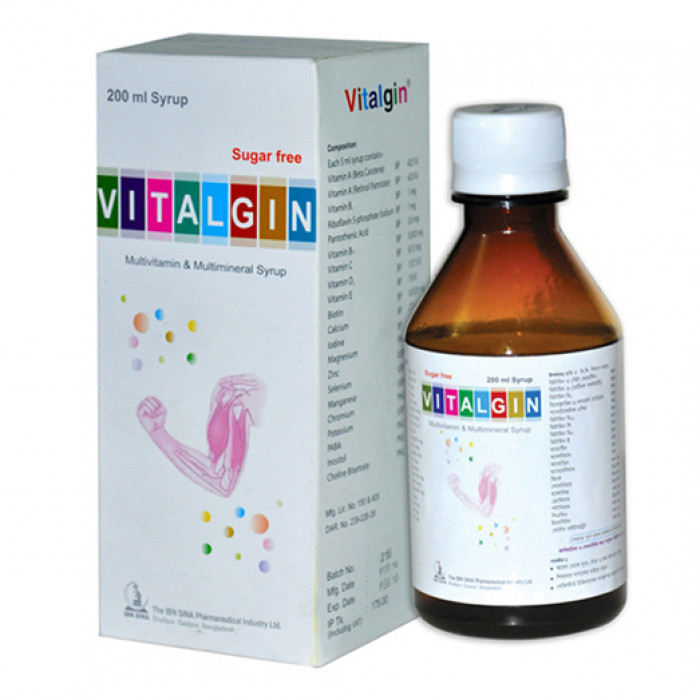
Vitalgin Syrup 200ml
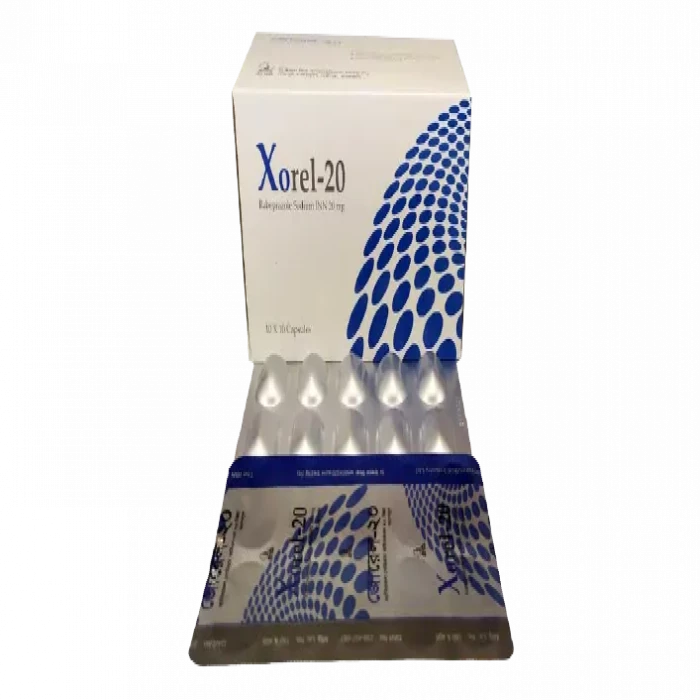
Xorel 20mg Capsule
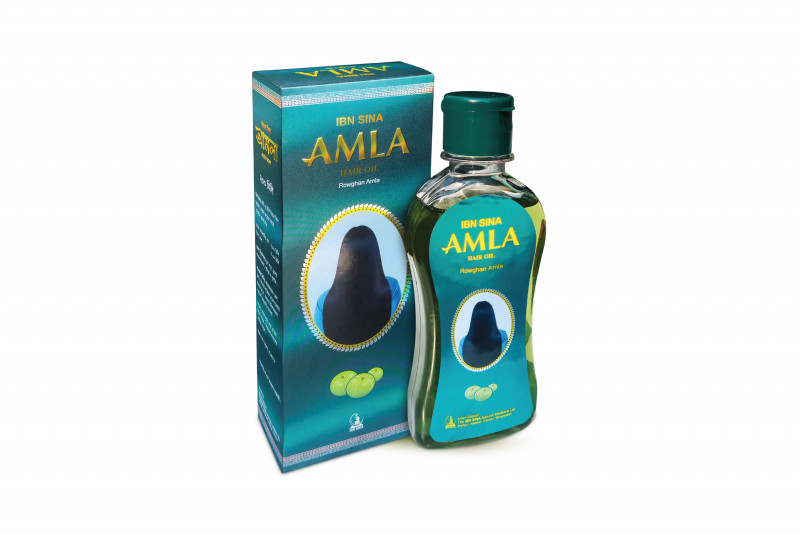
Ibne Sina Amla Herbal Hair Oil 200ml
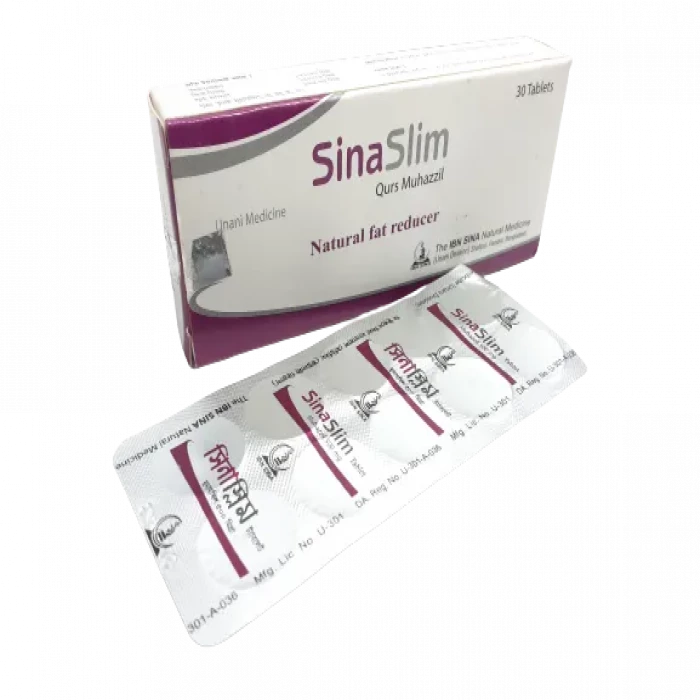
Sinaslim 30pcs Tablet
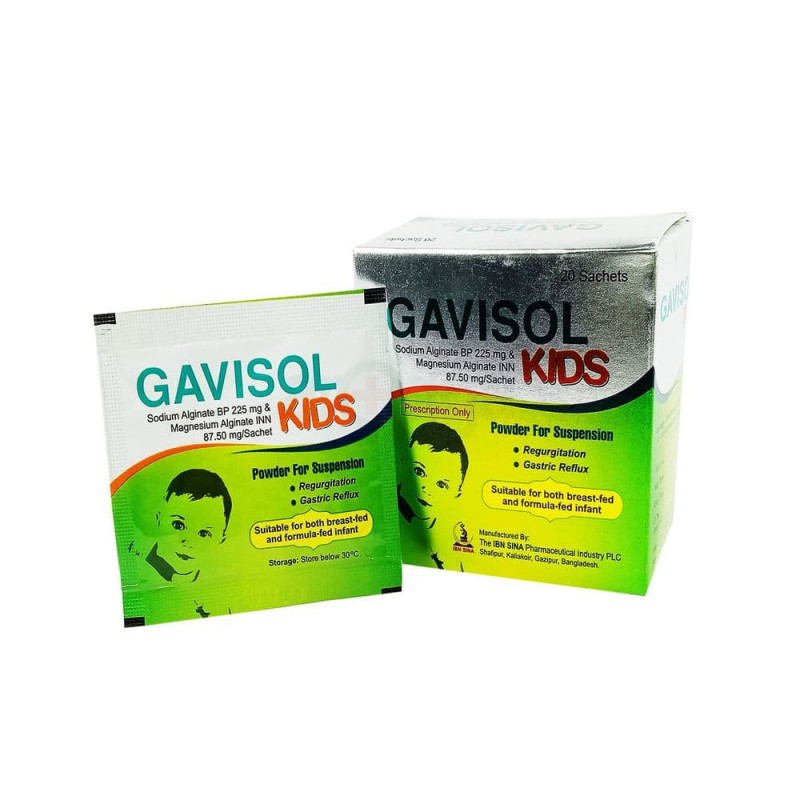
Gavisol 225mg+87.50mg Kids Powder | 20 Sachets
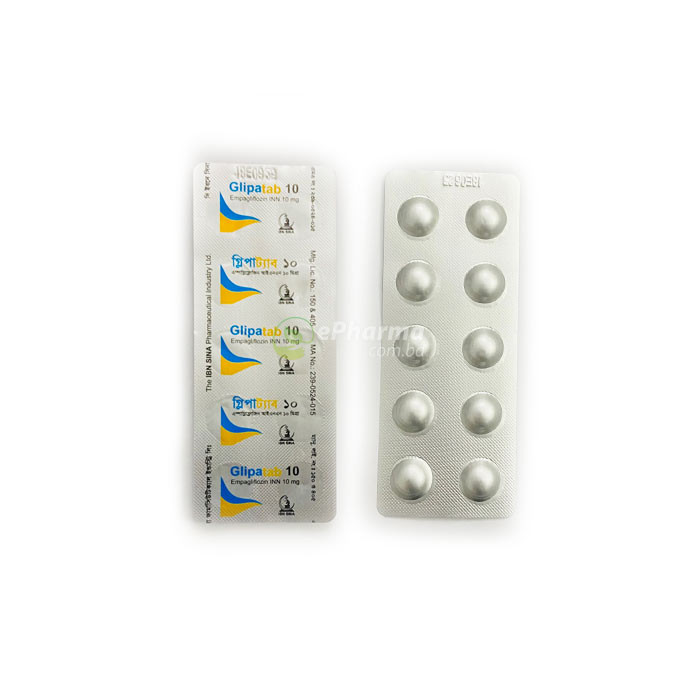
Glipatab 10mg Tablet
Related Posts


✔️ Side Effects
The following side effects have been reported with the use of Xevon: Diarrhea, constipation, drug hypersensitivity (including anaphylactic shock), drug eruption, urticaria, hepatotoxicity, jaundice, rash, nausea, abdominal distension, increased gamma-glutamyl transferase, increased AST, abnormal liver function test, ALT increased, ALP increased, LDH, increased y-GPT, edema, and eosinophilia
✔️ Vonoprazan is contraindicated in:
- Patients with hypersensitivity to Vonoprazan or to any excipient of the product.
- Patients receiving atazanavir sulphate, nelfinavir, or rilpivirine hydrochloride.
✔️ Use in the elderly:
Since the physiological functions, such as hepatic or renal function, are decreased in elderly patients in general, Xevon should be carefully administered.
✔️ Use in children less than 18 years of age:
The safety and efficacy of Xevon in children and adolescents have not been established. Therefore, the administration of Xevon is not recommended in children and adolescents below 18 years of age.
✔️ Patients with hepatic impairment:
No dose adjustment of Xevon is recommended in patients with mild hepatic impairment (Child-Pugh A). Avoid the use of Xevon in patients with moderate to severe hepatic impairment (Child-Pugh B or C).
✔️ Patients with renal impairment:
No dose adjustment of Xevon is recommended in patients with mild to moderate renal impairment (eGFR 30 to 89 mL/min). Avoid the use of Xevon in patients with severe renal impairment (eGFR < 30 mL/min)
✔️ Pregnancy & Lactation
Vonoprazan should be used in pregnant women or women having possibility of being pregnant only if the expected therapeutic benefit is thought to outweigh any possible risk. It is advisable to avoid the administration of Vonoprazan to nursing mothers. However, when the administration is indispensable, nursing should be discontinued.
✔️ Precautions & Warnings
During the treatment, the course of the disease should be closely observed, and the minimum therapeutic necessity should be used according to the disease condition. In the long-term, treatment with Xevon, close observation by such means as endoscopy should be made.
In the maintenance of healing of reflux esophagitis, Xevon should be administered only to patients who experience repeated recurrence and recrudescence of the condition. Administration to the patients who do not necessitate maintenance of healing should be avoided.
When the healing is maintained over a long period and when there is no risk of recurrence, the dose reduction to a dose of 10mg from a dose of 20mg, or suspension of administration, should be considered.
✔️ Storage:
Store below 30°C, in a cool and dry place. Keep away from light. Keep all the medicine out of the reach of children.
⚠️Disclaimer:
At ePharma, we’re committed to providing accurate and accessible health information. However, all content is intended for informational purposes only and should not replace medical advice from a qualified physician. Please consult your healthcare provider for personalized guidance. We aim to support, not substitute, the doctor-patient relationship.
📦Pricing Information, Availability:
Product Availability & Pricing Notice
Please note that pricing, availability, and service offerings are subject to change due to: Market fluctuations, Manufacturer or supplier adjustments, Product discontinuation or temporary unavailability, Advertising errors. All orders depend on stock availability and staff resources. If services are provided on a time-and-materials basis, any shared estimates are for planning purposes only.

Reliable
All products displayed on ePharma are procured from govt. approved pharmaceuticals and verified licensed pharmacies from 2016.

Secure
ePharma uses Secure Sockets Layer (SSL) 128-bit 🔒 encryption and is Payment Card Industry DataSecurity Standard (PCI DSS) compliant.

Affordable
Find affordable medicine substitutes, save up to 50% on health products, up to 30% off on doctor consultations.

Social
Providing health care services under the health and beauty category with more than 170K Facebook audience and 10M+ reach.







Get more features!
Download the app now
✓ Doctor consultation ✓ 24/7 helpline