


✔ 100% Authentic Product
👁️ Viewed 2836 times
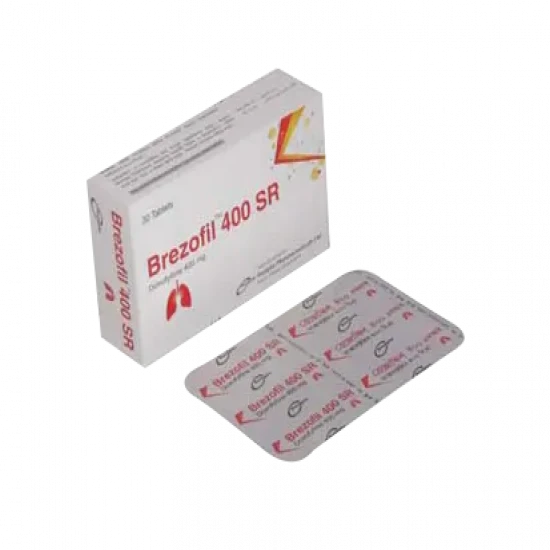
Brezofil SR 400 Tablet 1 Strip
Doxofylline belongs to a group of medicines called bronchodilators. It is used to prevent and manage symptoms of asthma and COPD.
Doxofylline relaxes the airway muscles and widens the air passages in the lungs, making breathing easier. It also has cough-suppressing (antitussive) properties, which help reduce coughing.
Discount Price: ৳ 114
MRP:
৳
120
5%
off

100% Genuine Products, Guaranteed
Safe & Secure Payments, Always
Fast, Secure & Efficient Delivery
Proper Packaging
 Cash on Delivery - All over Bangladesh
 Regular Delivery: 24-48 Hours, Dhaka City* Charge Tk.39-59
- Regular Delivery: 48-96 Hours, Other Cities* Charge Tk.99-125
 ফ্রি ডেলিভারিঃ - ১৪৯৯ টাকা+ অর্ডারে, ঢাকা
শহরে
ফ্রি ডেলিভারিঃ - ১৪৯৯ টাকা+ অর্ডারে, ঢাকা
শহরে- ফ্রি ডেলিভারিঃ - ৪৯৯৯ টাকা+ অর্ডারে, ঢাকার
বাহিরে
📲 মোবাইল অ্যাপ অর্ডারে সাশ্রয় বেশী
-
Google Play Store থেকে ডাউনলোড
-
Apple Store থেকে ডাউনলোড
100% Genuine Products, Guaranteed
Safe & Secure Payments, Always
Fast, Secure & Efficient Delivery
Proper Packaging
- Cash on Delivery - All over Bangladesh
- Regular Delivery: 24-48 Hours, Dhaka City* Charge Tk.39-59
- Regular Delivery: 48-96 Hours, Other Cities* Charge Tk.99-125
- ফ্রি ডেলিভারিঃ - ১৪৯৯ টাকা+ অর্ডারে, ঢাকা
শহরে
- ফ্রি ডেলিভারিঃ - ৪৯৯৯ টাকা+ অর্ডারে, ঢাকার
বাহিরে
- Google Play Store থেকে ডাউনলোড
- Apple Store থেকে ডাউনলোড
📲 মোবাইল অ্যাপ অর্ডারে সাশ্রয় বেশী
✅ Description:
Doxophylline is a newer-generation bronchodilator that differs structurally from theophylline due to the presence of a dioxolane group at position 7. This structural modification allows doxophylline to selectively inhibit phosphodiesterase-4 (PDE-4), resulting in relaxation of bronchial smooth muscle and improved airflow.
Unlike theophylline, doxophylline has lower affinity for adenosine A1 and A2 receptors, which contributes to its improved safety profile and reduced cardiovascular side effects. Additionally, doxophylline inhibits platelet-activating factor (PAF) and suppresses leukotriene production, further supporting its anti-inflammatory and bronchodilatory effects.

Relevant Products
Same generic alternatives, ranked by customer interest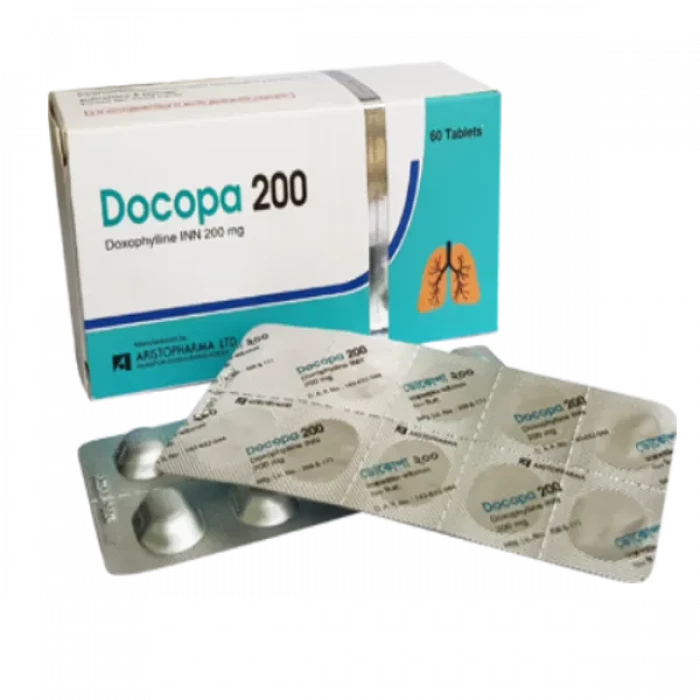
Docopa 200 Tablet 1 Strip
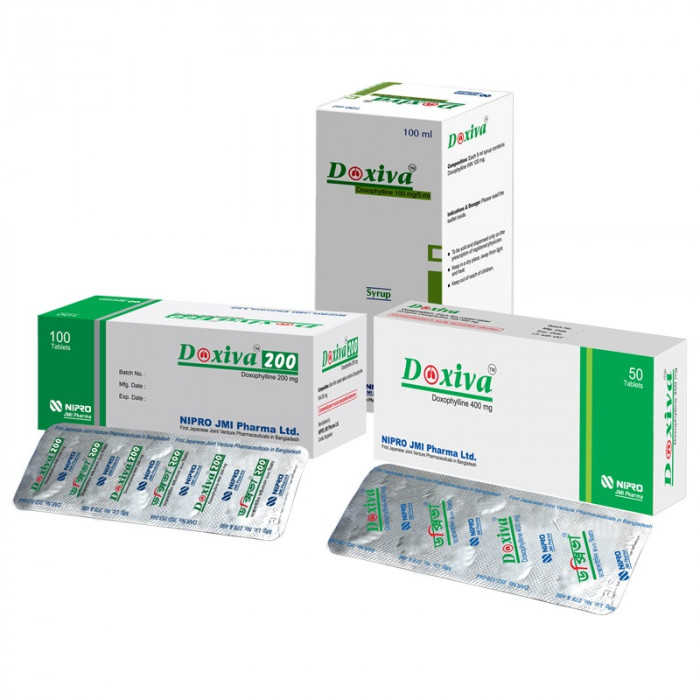
Doxiva 200mg 10pcs
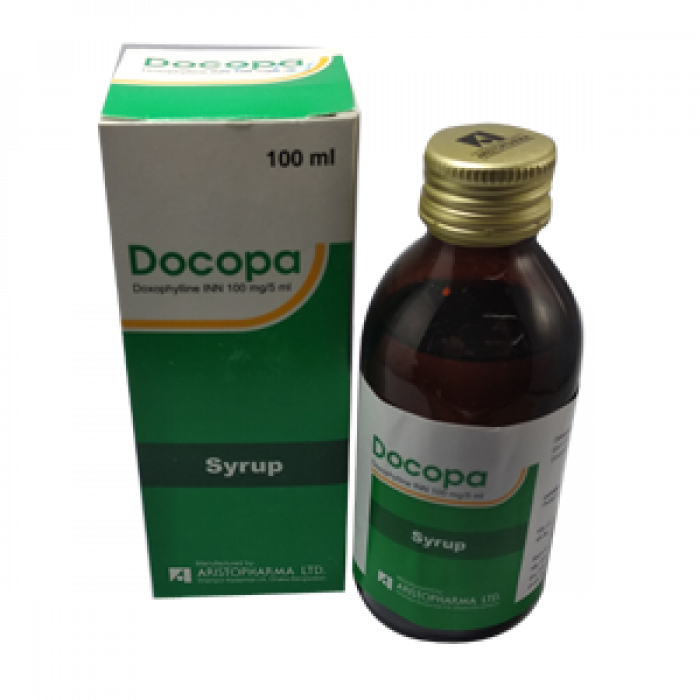
Docopa Syrup 100ml
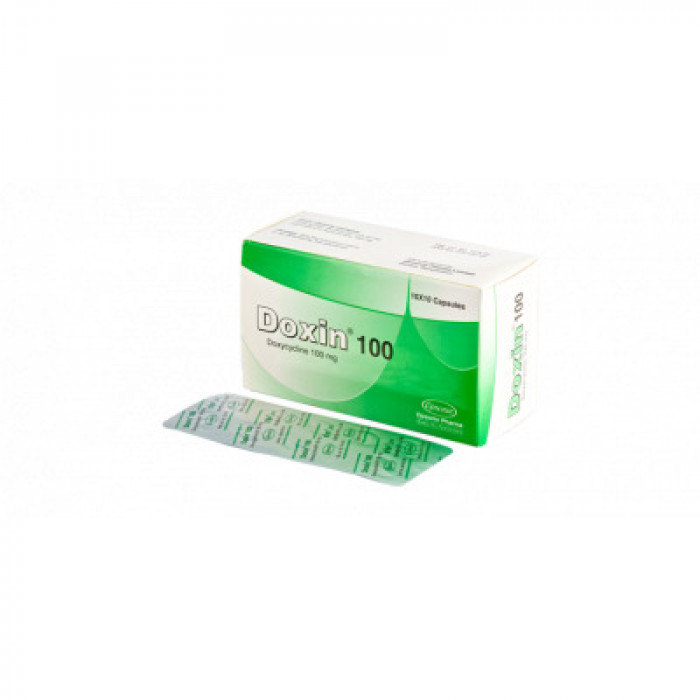
Doxin 100mg Capsule
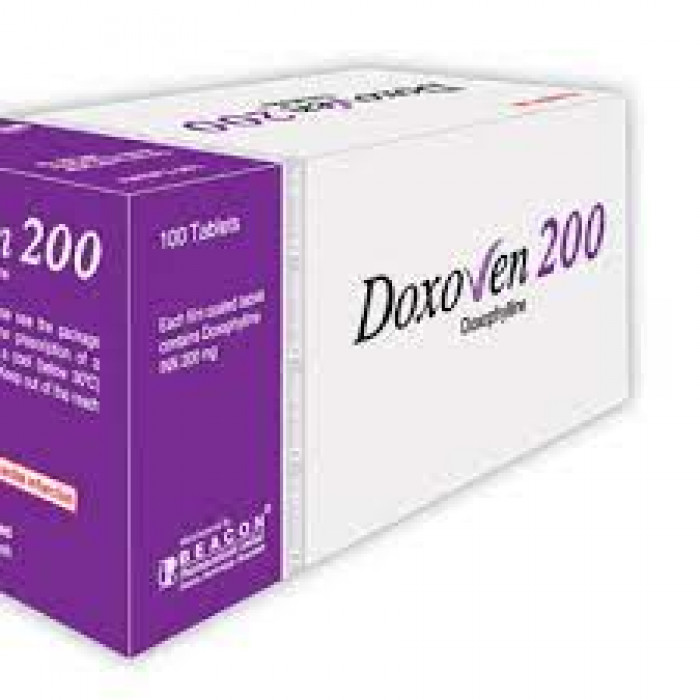
Doxoven 200mg Tablet 1 Strip
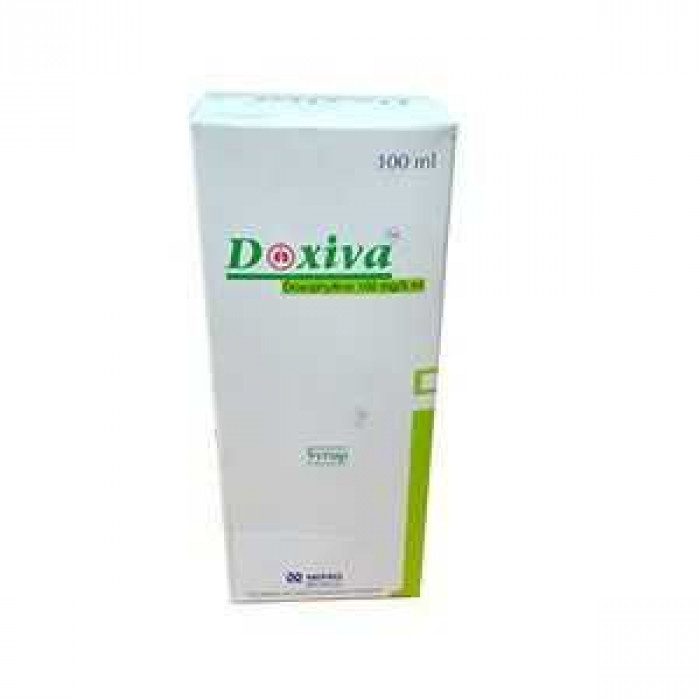
Doxiva Syrup 100ml
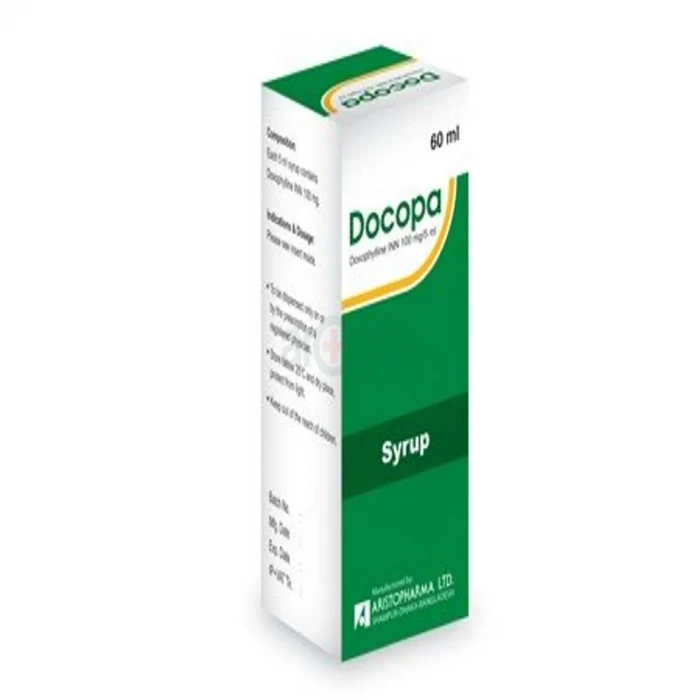
Docopa Syrup 60ml
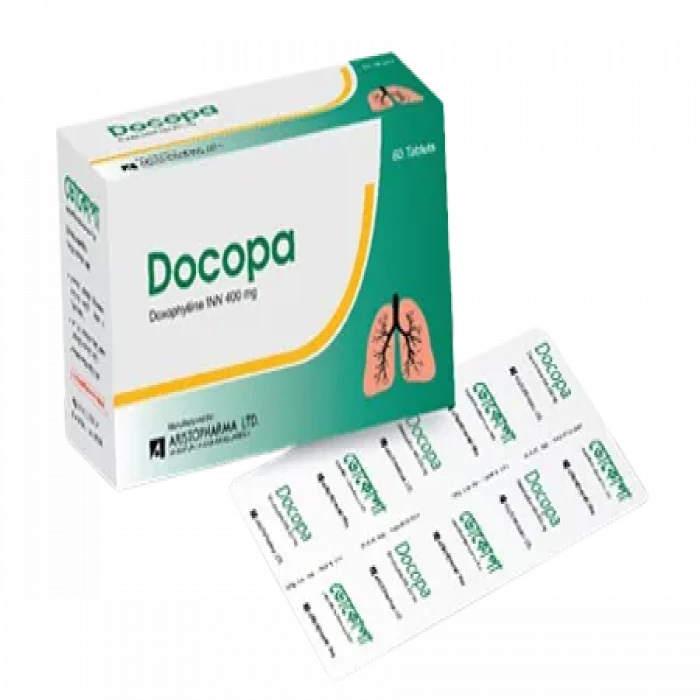
Docopa 400mg Tablet 1 Strip
More From Incepta Pharmaceuticals Ltd.
Popular products from this manufacturer/brand
Cavic-C Plus Effervescent Tablet
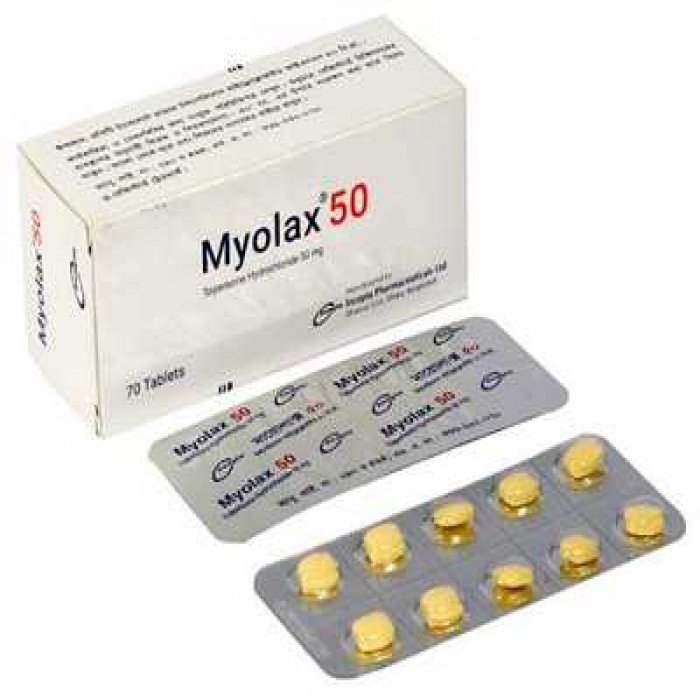
Myolax 50mg Tablet
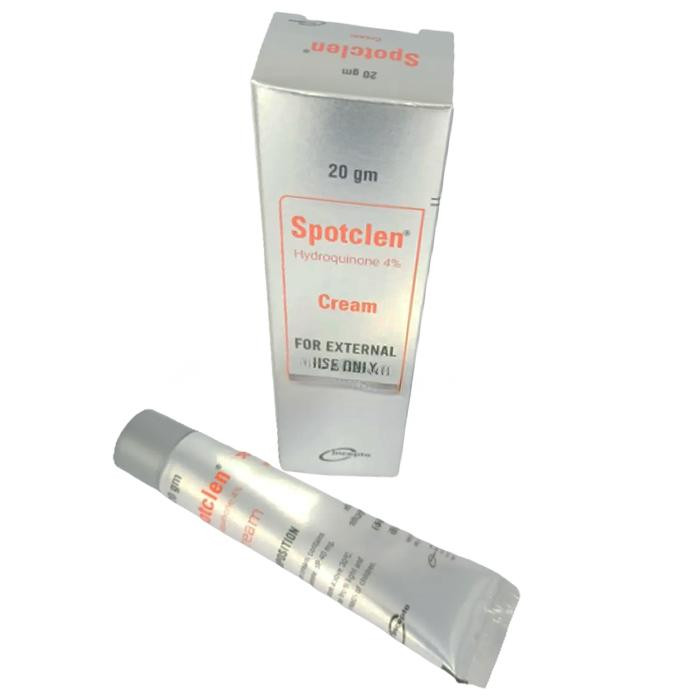
Spotclen 4% Cream

Dancel Shampoo With ZPTO & Conditioner 120ml
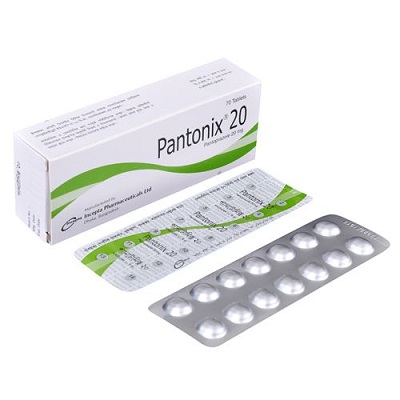
Pantonix 20mg Tablet 14pcs
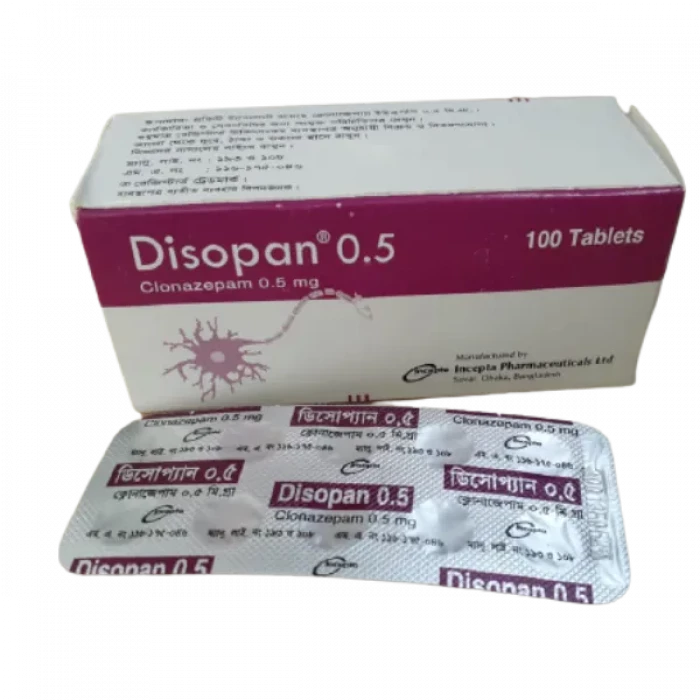
Disopan 0.5mg Tablet
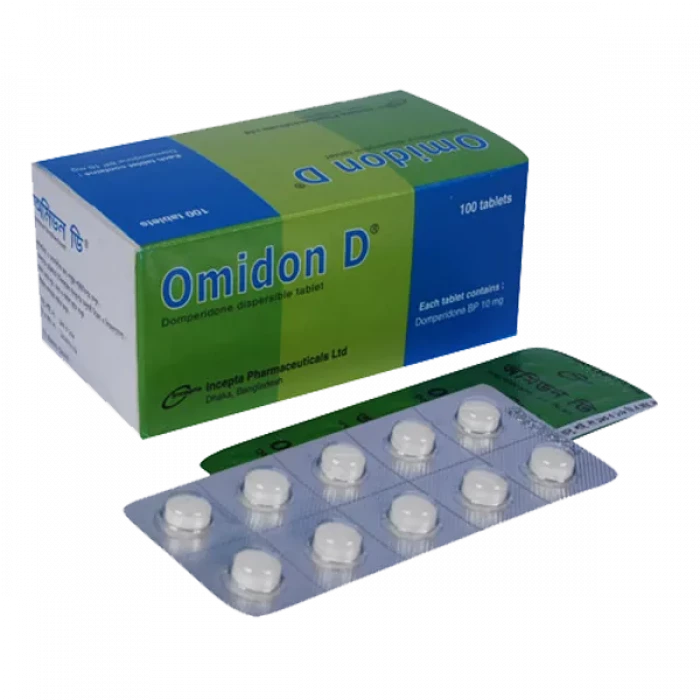
Omidon D Tablet
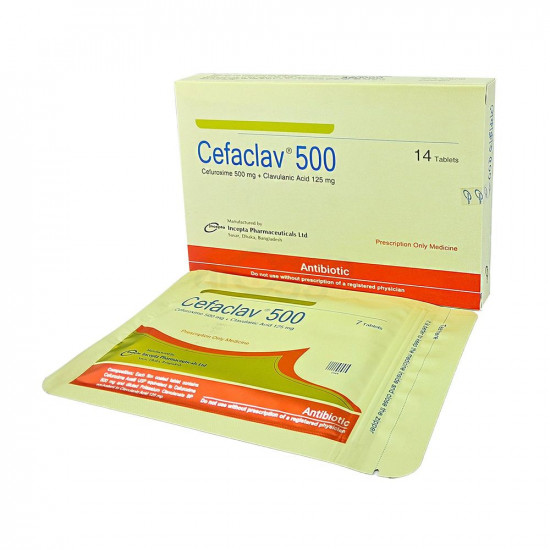
Cefaclav 500 | 7pcs Tablet
কীভাবে অর্ডার করবেন?How to Order?
How to Orderওয়েবসাইট থেকে অর্ডার করার সহজ ভিডিও গাইড।
অ্যাপ থেকে অর্ডারের সহজ ভিডিও গাইড
অ্যাপ ডাউনলোডDownload ePharma App বিস্তারিত গাইড ›Detailed App Ordering GuideRelated Posts

✔️ Brezofil is indicated for the management of:
Bronchial asthma
Bronchospasm
Chronic obstructive pulmonary disease (COPD)
Pulmonary disorders associated with bronchial spasm
✔️ Words of Advice:
- Regular blood tests are recommended while taking Doxofylline to monitor potassium levels and levels of Doxofylline in the blood.
- Doxofylline can cause serious side effects, possibly similar to those that occur when taking too much amount of caffeine. Avoid consuming Doxofylline with caffeinated beverages, such as chocolate and coffee.
✔️ Dosage & Administration
Elderly:
200 mg tablet, two or three times daily
Adults:
400 mg tablet, two or three times daily, or as directed by the physician
Children:
Above 12 years: 10 ml syrup or 200 mg tablet, two or three times daily
6–12 years: 6–9 mg/kg body weight, twice daily
Example: For a child weighing 10 kg, 3 ml (60 mg) twice daily
If the total daily requirement is 400 mg, a Doxophylline sustained-release (SR) tablet may be administered once daily, preferably as prescribed by the physician.
✔️ Interaction
Drug-Drug Interaction: Doxofylline may interact with medicines used to treat gout (allopurinol), antacids (cimetidine), antibiotics (erythromycin, clindamycin, lincomycin), drugs used to lower high blood pressure (propranolol), central nervous system stimulants (ephedrine), flu vaccines (influenza vaccines), and anticonvulsants (phenytoin).
Drug-Food Interaction: Doxofylline may interact with caffeine. Therefore, avoid consuming Doxofylline with chocolate and caffeine-containing foods, such as cocoa beans and tea leaves, as they may increase the risk of severe side effects.
Drug-Disease Interaction: If you have low blood pressure, congestive heart failure, hypoxemia (low oxygen levels in the blood), hyperthyroidism (an overactive thyroid), pulmonary heart disease, stomach ulcers, kidney, liver, or heart disease, inform your doctor before taking Doxofylline.
✔️ Pregnancy & Lactation
Animal studies indicate that doxophylline does not adversely affect pre- or postnatal development. However, due to limited clinical data in pregnant women, use during pregnancy should be carefully considered based on the risk-benefit ratio.
The drug is contraindicated during lactation.
✔️ Brezofil is contraindicated in patients with:
- Known hypersensitivity to doxophylline or other xanthine derivatives
- Acute myocardial infarction
- Hypotension
- Lactation
In cases of overdose, severe cardiac arrhythmias and tonic-clonic seizures may occur and may represent early signs of toxicity. If adverse effects appear, treatment may need to be discontinued and restarted at a lower dose after symptoms resolve, based on the physician's discretion.
✔️ Safety Information:
If you are allergic to Brezofil SR 400 or any other medicines, please tell your doctor. You are recommended to avoid taking Doxofylline with chocolate and caffeinated foods, such as cocoa beans or tea leaves, as they may increase the risk of severe side effects. Doxofylline is contraindicated in breastfeeding mothers. If you are pregnant or planning a pregnancy, please consult a doctor before using Doxofylline. Do not take Doxofylline if you have low blood pressure or have had a heart attack. Brezofil SR 400 should be used with caution in congestive heart failure patients, as these patients have slow drug clearance, leading to high blood levels even after stopping treatment with Doxofylline. If you have low blood pressure, congestive heart failure, hypoxemia (low oxygen levels in the blood), hyperthyroidism (overactive thyroid), pulmonary heart diseases, stomach ulcer, kidney, liver, or heart diseases, inform your doctor before taking Doxofylline. Doxofylline is not recommended for children under 6 years of age, as its safety and efficacy have not been fully established.
✔️ Storage:
Store in a dry place, protected from light and heat.
Keep out of reach of children.
⚠️Disclaimer:
At ePharma, we’re committed to providing accurate and accessible health information. However, all content is intended for informational purposes only and should not replace medical advice from a qualified physician. Please consult your healthcare provider for personalized guidance. We aim to support, not substitute, the doctor-patient relationship.
📦Pricing Information, Availability:
Product Availability & Pricing Notice
Please note that pricing, availability, and service offerings are subject to change due to: Market fluctuations, Manufacturer or supplier adjustments, Product discontinuation or temporary unavailability, Advertising errors. All orders depend on stock availability and staff resources. If services are provided on a time-and-materials basis, any shared estimates are for planning purposes only.

Reliable
All products displayed on ePharma are procured from govt. approved pharmaceuticals and verified licensed pharmacies from 2016.

Secure
ePharma uses Secure Sockets Layer (SSL) 128-bit 🔒 encryption and is Payment Card Industry DataSecurity Standard (PCI DSS) compliant.

Affordable
Find affordable medicine substitutes, save up to 50% on health products, up to 30% off on doctor consultations.

Social
Providing health care services under the health and beauty category with more than 170K Facebook audience and 10M+ reach.







Get more features!
Download the app now
✓ Doctor consultation ✓ 24/7 helpline