


✔ 100% Authentic Product
👁️ Viewed 2154 times
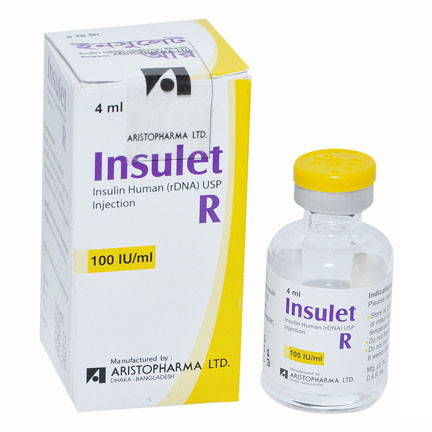
Insulet R Injection 4ml 1 Pc
Insulet R Injection contains regular human insulin, a short-acting insulin used to control blood glucose levels in patients with diabetes mellitus. It is indicated for:
Treatment of type 1 diabetes mellitus.
Treatment of type 2 diabetes when blood glucose is not adequately controlled with diet, exercise, and other prescribed treatments.
Initial stabilization of diabetes in certain emergencies, including diabetic ketoacidosis and hyperosmolar hyperglycaemic states, under hospital supervision.
Management of diabetes during pregnancy, including gestational diabetes, when insulin is required.
Discount Price: ৳ 162
MRP:
৳
170
5%
off
100% Genuine Products, Guaranteed
Safe & Secure Payments, Always

Fast, Secure & Efficient Delivery
Proper Packaging
 Cash on Delivery - All over Bangladesh
 Regular Delivery: 24-48 Hours, Dhaka City* Charge Tk.39-59
- Regular Delivery: 48-96 Hours, Other Cities* Charge Tk.99-125
 ফ্রি ডেলিভারিঃ - ১৪৯৯ টাকা+ অর্ডারে, ঢাকা
শহরে
- ফ্রি ডেলিভারিঃ - ৪৯৯৯ টাকা+ অর্ডারে, ঢাকার
বাহিরে
📲 মোবাইল অ্যাপ অর্ডারে সাশ্রয় বেশী
-
Google Play Store থেকে ডাউনলোড
-
Apple Store থেকে ডাউনলোড
100% Genuine Products, Guaranteed
Safe & Secure Payments, Always
Fast, Secure & Efficient Delivery
Proper Packaging
- Cash on Delivery - All over Bangladesh
- Regular Delivery: 24-48 Hours, Dhaka City* Charge Tk.39-59
- Regular Delivery: 48-96 Hours, Other Cities* Charge Tk.99-125
- ফ্রি ডেলিভারিঃ - ১৪৯৯ টাকা+ অর্ডারে, ঢাকা
শহরে
- ফ্রি ডেলিভারিঃ - ৪৯৯৯ টাকা+ অর্ডারে, ঢাকার
বাহিরে
- Google Play Store থেকে ডাউনলোড
- Apple Store থেকে ডাউনলোড
📲 মোবাইল অ্যাপ অর্ডারে সাশ্রয় বেশী
✅ Description:
Insulet R is available in different insulin concentrations. Check the product label carefully before use.
- Insulin Human R 40 IU/ml: Each ml contains 40 IU of soluble regular human insulin.
- Insulin Human R 100 IU/ml: Each ml contains 100 IU of soluble regular human insulin.
The brand information may also list Insulet N, which contains intermediate-acting isophane (NPH) insulin. Insulet R and Insulet N are different formulations and should not be substituted for one another without medical guidance.
Insulet R should not be administered during an episode of hypoglycaemia (low blood glucose). It should also be avoided in patients with known hypersensitivity to human insulin or any component of the product.

Relevant Products
Same generic alternatives, ranked by customer interest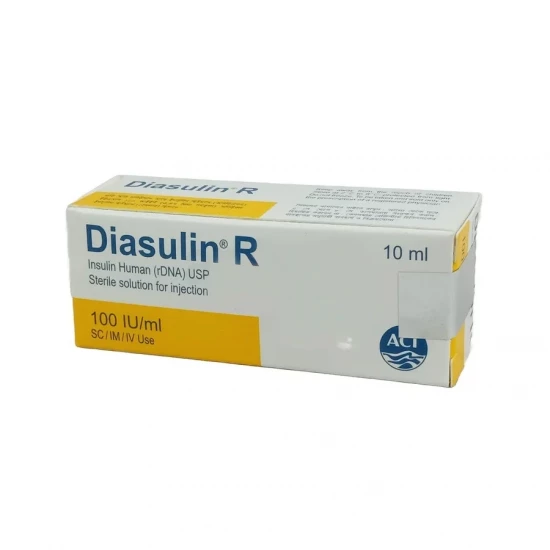
Diasulin R Vial 100 IU/ml

Diasulin N 100IU Vial
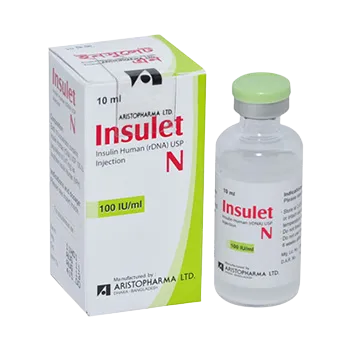
Insulet N SC Injection 10ml 1 Pc
More From Aristopharma Limited
Popular products from this manufacturer/brand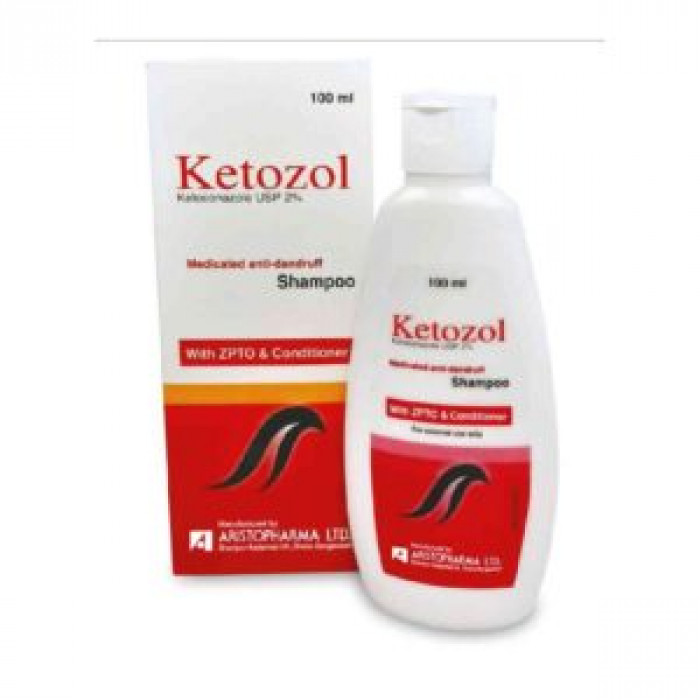
Ketozol 2% Medicated Anti-Dandruff Scalp Shampoo 100ml
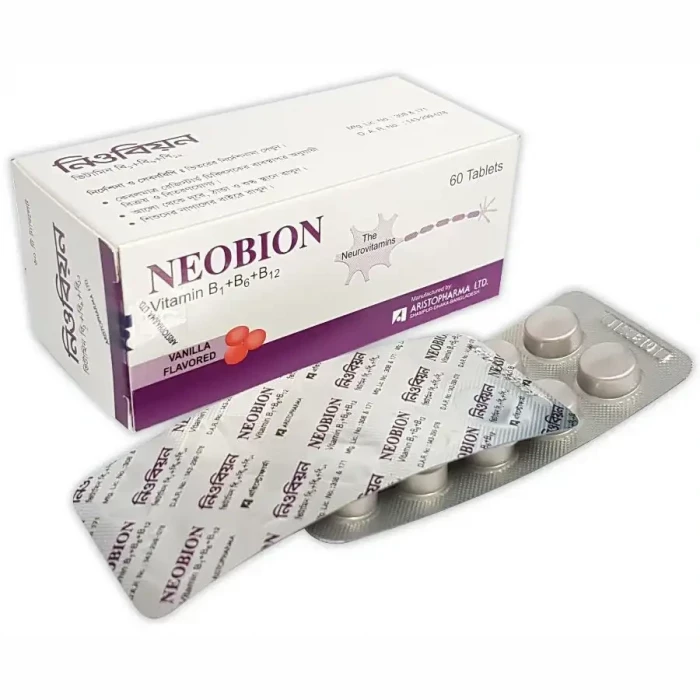
Neobion 100mg+200mg+200mcg Tablet
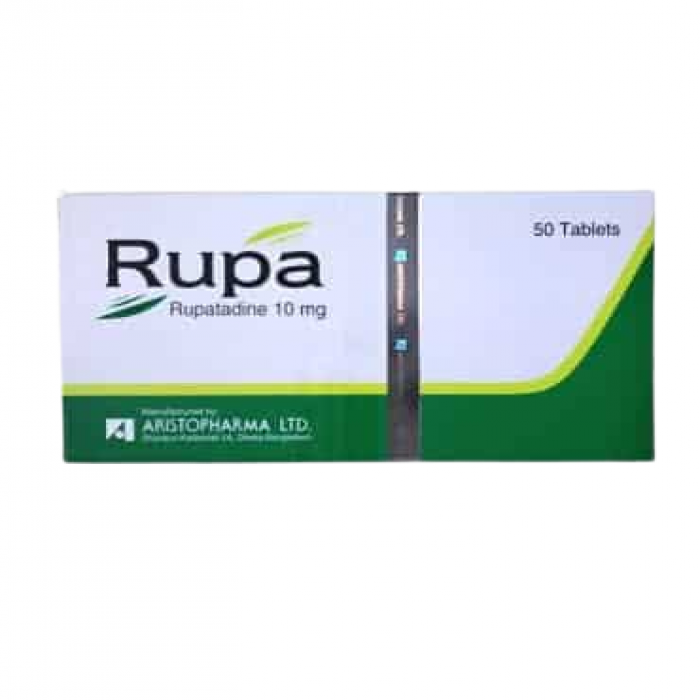
Rupa 10mg Tablet
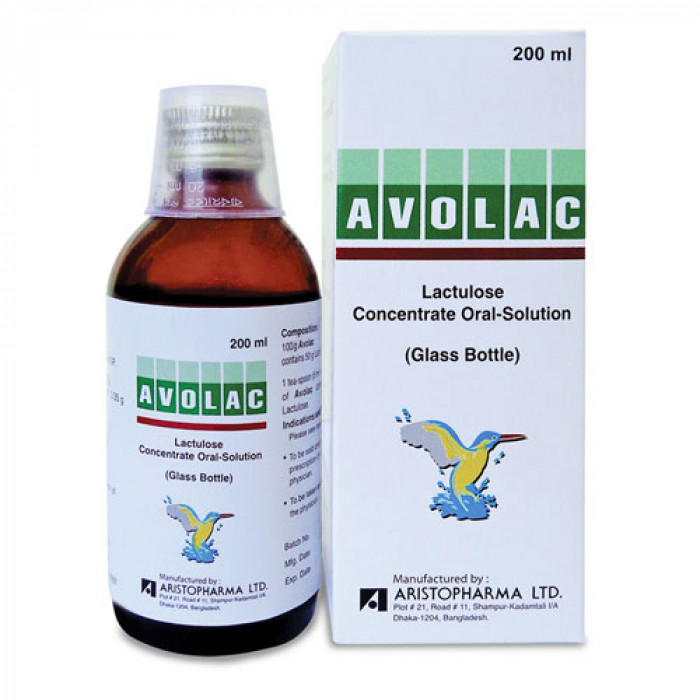
Avolac Oral Solution 200ml
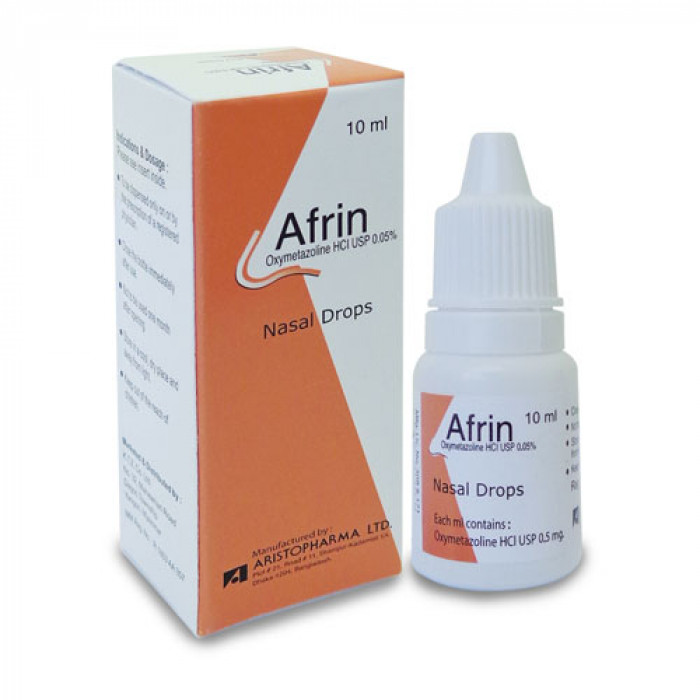
Afrin 0.05% Nasal Drops
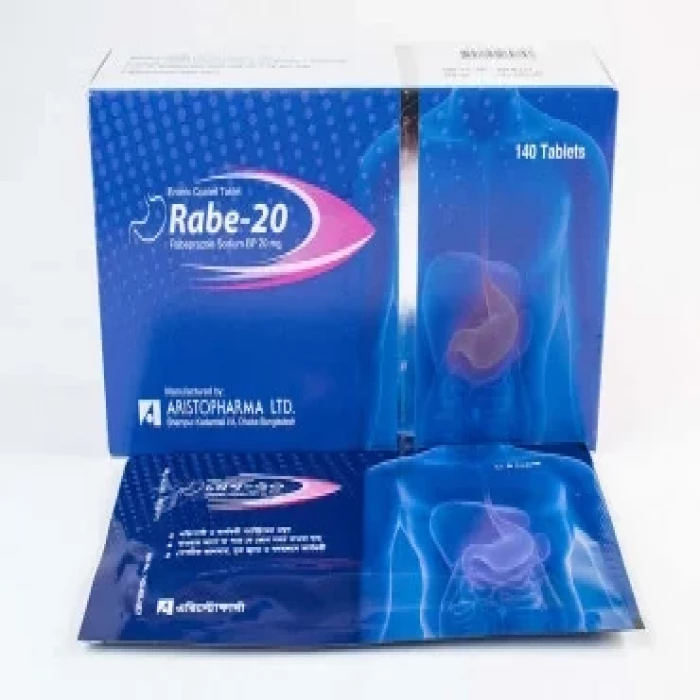
Rabe 20mg Tablet
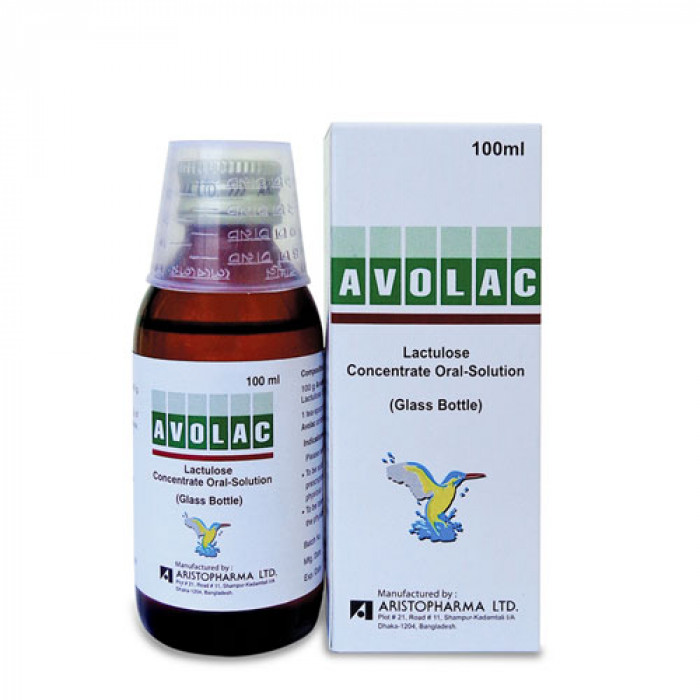
Avolac Oral Solution 100ml
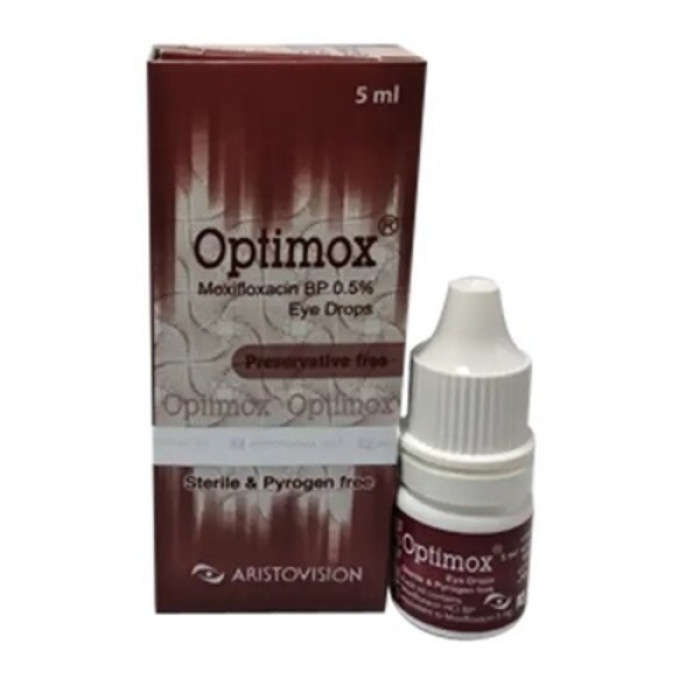
Optimox 0.5% Eye Drops 5ml
কীভাবে অর্ডার করবেন?How to Order?
How to Orderওয়েবসাইট থেকে অর্ডার করার সহজ ভিডিও গাইড।
অ্যাপ থেকে অর্ডারের সহজ ভিডিও গাইড
অ্যাপ ডাউনলোডDownload ePharma App বিস্তারিত গাইড ›Detailed App Ordering GuideRelated Posts

✔️ How does Insulet R work?
Regular human insulin lowers blood glucose by helping muscle and fat cells absorb glucose and reducing glucose production by the liver. It also influences carbohydrate, protein, and fat metabolism.
After subcutaneous injection, regular insulin generally:
Begins to act within approximately 30 minutes.
Reaches peak activity in about 1–3 hours.
Has a duration of action of approximately 4–6 hours.
The actual action profile may vary between individuals and depending on the injection site, dose, and other factors.
✔️ Pregnancy and Breastfeeding
Insulin can be used during pregnancy when clinically indicated and prescribed by a healthcare professional. Good blood glucose control is important for maternal and fetal health. Insulin requirements may decrease during the first trimester and increase during the second and third trimesters. Requirements may change rapidly after delivery.
Insulin is generally compatible with breastfeeding, although the dose, diet, or both may need adjustment.
✔️ Possible side effects include:
- Hypoglycaemia (low blood glucose), the most important potential adverse effect.
- Injection-site redness, swelling, itching, or irritation.
- Lipodystrophy or changes in fatty tissue at injection sites.
- Allergic reactions, including rash or itching.
- Temporary oedema, particularly after starting or intensifying insulin treatment.
- Low potassium levels (hypokalaemia).
- Severe allergic reactions may cause facial or throat swelling, breathing difficulty, or a sudden drop in blood pressure and require emergency medical care.
✔️ Precautions and Warnings
- Incorrect dosing or interruption of insulin treatment can lead to severe hyperglycaemia and, particularly in type 1 diabetes, potentially life-threatening diabetic ketoacidosis.
- Excessive insulin may cause severe hypoglycaemia.
- Switching insulin brands, concentrations, or formulations must be supervised by a healthcare professional.
- Monitor blood glucose as recommended, especially during illness, travel, changes in meals, or changes in activity.
- Consult your healthcare professional before travelling across time zones because injection and meal schedules may need adjustment.
- Do not share needles or syringes.
- Check the vial before use. Regular insulin solution should be clear and colourless; do not use it if cloudy, discoloured, or containing visible particles.
✔️ Dosage
The dose is individualized by the treating physician according to blood glucose levels, food intake, activity, insulin sensitivity, and other clinical factors.
Insulin requirements may vary depending on:
- Type of diabetes and remaining natural insulin production.
- Body weight and insulin resistance.
- Illness, infection, or fever.
- Kidney or liver function.
- Changes in diet or physical activity.
- Pregnancy and other medicines being used.
Do not use general weight-based dosing ranges to calculate your own dose. Follow the prescribed insulin regimen.
✔️ Drug Interactions
Several medicines and substances can affect insulin requirements.
May increase the risk of low blood glucose or reduce insulin requirements:
- Other glucose-lowering medicines.
- Monoamine oxidase inhibitors (MAOIs).
- Some ACE inhibitors.
- Salicylates.
- Non-selective beta-blockers.
- Alcohol.
May increase insulin requirements or raise blood glucose:
- Corticosteroids.
- Thiazide diuretics.
- Thyroid hormones.
- Sympathomimetic medicines.
- Growth hormone.
- Danazol.
Octreotide and lanreotide may increase or decrease insulin requirements. Beta-blockers can mask some warning signs of hypoglycaemia. Alcohol can make blood glucose control less predictable and may increase the risk of delayed hypoglycaemia.
✔️ Management of Hypoglycaemia
Early symptoms may include sweating, shaking, hunger, dizziness, headache, palpitations, or confusion.
If the person is awake and able to swallow, give fast-acting glucose according to their diabetes care plan and recheck blood glucose after 15 minutes. Repeat treatment if the level remains low.
If the person is unconscious or having a seizure, do not give food or drink by mouth. Use prescribed glucagon if available and someone is trained to administer it, and seek emergency medical assistance.
✔️ Administration & Dose Adjustment
Administration
Insulet R is commonly administered by subcutaneous injection into the abdomen, thigh, upper arm, or buttock, as directed by a healthcare professional.
Injection into the abdominal wall may result in faster absorption than injection at some other sites.
Rotate injection sites to help prevent lipodystrophy and changes in the skin or fatty tissue.
Regular insulin is generally administered about 30 minutes before a meal, according to the prescribed plan. Ensure that food is available and follow the specific instructions provided by your clinician.
Intravenous regular insulin may be used in selected emergencies, but only by trained healthcare professionals with appropriate monitoring.
Do not administer intramuscularly unless specifically directed by a qualified clinician.
Important: Insulet R 40 IU/ml and 100 IU/ml have different concentrations. Using the wrong concentration or an incompatible syringe can cause a dangerous dosing error. Always verify the vial strength and use the correct insulin syringe or prescribed delivery device.
Dose Adjustment
Insulin requirements may increase during infections, fever, trauma, or surgery. They may decrease with kidney or liver impairment, reduced food intake, or changes in physical activity.
Any change in dose or insulin formulation must be made under medical supervision.
✔️ Storage Conditions
- Store unopened vials in a refrigerator at 2°C–8°C, according to the manufacturer's instructions.
- Do not freeze insulin.
- Protect the vial from direct sunlight and excessive heat.
- Do not use the solution if it is not clear and colourless.
- Storage conditions and the permitted period of use after opening depend on the exact product label. Follow the manufacturer's instructions for in-use storage and discard the vial as directed.
⚠️Disclaimer:
At ePharma, we’re committed to providing accurate and accessible health information. However, all content is intended for informational purposes only and should not replace medical advice from a qualified physician. Please consult your healthcare provider for personalized guidance. We aim to support, not substitute, the doctor-patient relationship.
📦Pricing Information, Availability:
Product Availability & Pricing Notice
Please note that pricing, availability, and service offerings are subject to change due to: Market fluctuations, Manufacturer or supplier adjustments, Product discontinuation or temporary unavailability, Advertising errors. All orders depend on stock availability and staff resources. If services are provided on a time-and-materials basis, any shared estimates are for planning purposes only.

Reliable
All products displayed on ePharma are procured from govt. approved pharmaceuticals and verified licensed pharmacies from 2016.

Secure
ePharma uses Secure Sockets Layer (SSL) 128-bit 🔒 encryption and is Payment Card Industry DataSecurity Standard (PCI DSS) compliant.

Affordable
Find affordable medicine substitutes, save up to 50% on health products, up to 30% off on doctor consultations.

Social
Providing health care services under the health and beauty category with more than 170K Facebook audience and 10M+ reach.







Get more features!
Download the app now
✓ Doctor consultation ✓ 24/7 helpline