


✔ 100% Authentic Product
👁️ Viewed 2337 times
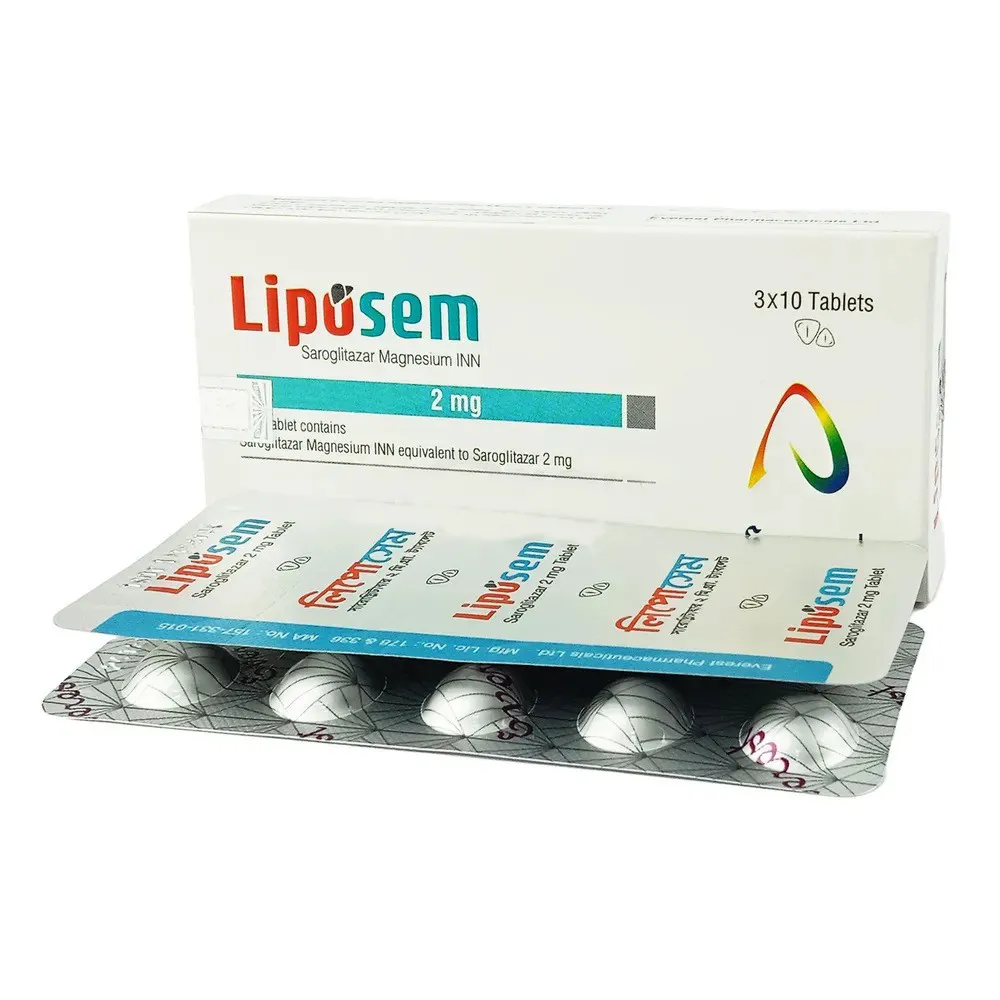
Liposem 2
Liposem 2 is used in the treatment of diabetic dyslipidaemia/hypertriglyceridemia.
• Diabetic Dyslipidemia: Saroglitazar helps regulate cholesterol levels in people with diabetes by lowering triglycerides and LDL (bad cholesterol) while increasing HDL (good cholesterol).
• Hypertriglyceridemia: Saroglitazar reduces high triglyceride levels, which are linked to cardiovascular risks.
• Type 2 Diabetes Mellitus: Saroglitazar improves insulin sensitivity and helps control blood sugar levels.
• Non-Alcoholic Fatty Liver Disease (NAFLD): Saroglitazar helps in managing fat accumulation in liver cells, potentially preventing progression to more severe conditions.
Discount Price: ৳ 672
MRP:
৳
700
4%
off

100% Genuine Products, Guaranteed

Safe & Secure Payments, Always

Fast, Secure & Efficient Delivery

Proper Packaging
 Cash on Delivery - All over Bangladesh
 Regular Delivery: 24-48 Hours, Dhaka City* Charge Tk.39-59
- Regular Delivery: 48-96 Hours, Other Cities* Charge Tk.99-125
 ফ্রি ডেলিভারিঃ - ১৪৯৯ টাকা+ অর্ডারে, ঢাকা
শহরে
ফ্রি ডেলিভারিঃ - ১৪৯৯ টাকা+ অর্ডারে, ঢাকা
শহরে- ফ্রি ডেলিভারিঃ - ৪৯৯৯ টাকা+ অর্ডারে, ঢাকার
বাহিরে
📲 মোবাইল অ্যাপ অর্ডারে সাশ্রয় বেশী
-
Google Play Store থেকে ডাউনলোড
-
Apple Store থেকে ডাউনলোড
100% Genuine Products, Guaranteed
Safe & Secure Payments, Always
Fast, Secure & Efficient Delivery
Proper Packaging
- Cash on Delivery - All over Bangladesh
- Regular Delivery: 24-48 Hours, Dhaka City* Charge Tk.39-59
- Regular Delivery: 48-96 Hours, Other Cities* Charge Tk.99-125
- ফ্রি ডেলিভারিঃ - ১৪৯৯ টাকা+ অর্ডারে, ঢাকা
শহরে
- ফ্রি ডেলিভারিঃ - ৪৯৯৯ টাকা+ অর্ডারে, ঢাকার
বাহিরে
- Google Play Store থেকে ডাউনলোড
- Apple Store থেকে ডাউনলোড
📲 মোবাইল অ্যাপ অর্ডারে সাশ্রয় বেশী
✅ Description:
Liposem Tablet (Saroglitazar) is indicated as an adjunct to diet and lifestyle modification for the treatment of diabetic dyslipidemia and hypertriglyceridemia in patients with Type 2 Diabetes Mellitus whose lipid abnormalities remain inadequately controlled despite statin therapy.
Clinical studies have demonstrated that Liposem effectively:
- Reduces triglyceride (TG) levels
- Lowers Low-Density Lipoprotein (LDL) cholesterol
- Decreases Very Low-Density Lipoprotein (VLDL) cholesterol
- Reduces non-High-Density Lipoprotein (non-HDL) cholesterol
- Increases High-Density Lipoprotein (HDL) cholesterol
In addition to its lipid-lowering effects, Liposem has shown beneficial effects on glycemic control, including reductions in fasting plasma glucose and glycated hemoglobin (HbA1c) levels in patients with Type 2 diabetes.
Use this medicine only as prescribed by a registered physician.
Adults
The recommended dose is:
- Saroglitazar 4 mg once daily (administered as two 2 mg tablets once daily)
The tablet should be taken as directed by the physician.
Pediatric Use
The safety and efficacy of Saroglitazar in patients below 18 years of age have not been established. Therefore, its use in pediatric patients is not recommended.
Geriatric Use
Elderly patients often have multiple comorbidities and may be receiving several concomitant medications. Saroglitazar should therefore be used cautiously in geriatric patients, with appropriate clinical monitoring.

Relevant Products
Same generic alternatives, ranked by customer interest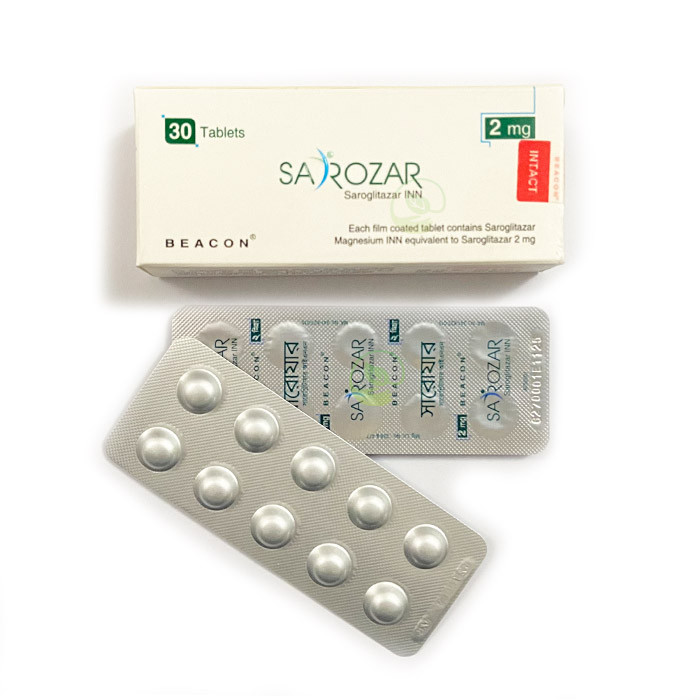
Sarozar 2mg 10pcs
More From Everest Pharmaceuticals Ltd.
Popular products from this manufacturer/brand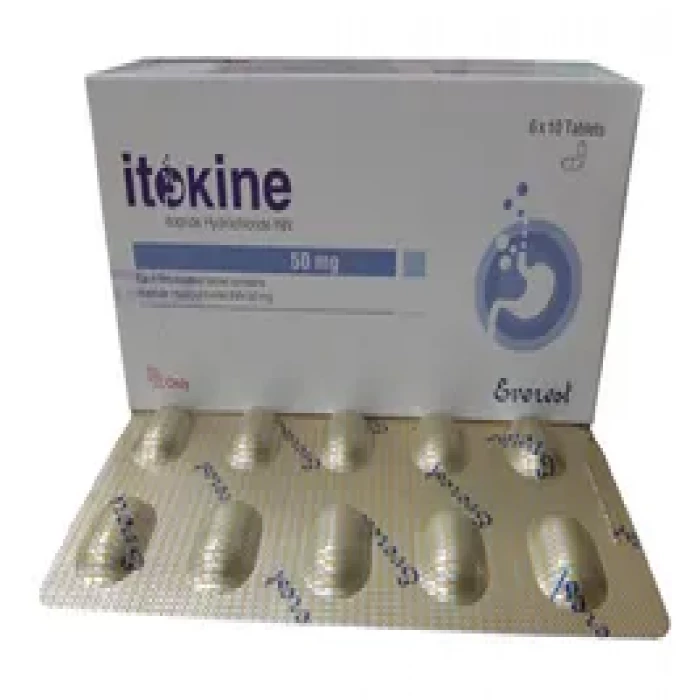
Itokine 50mg Tablet
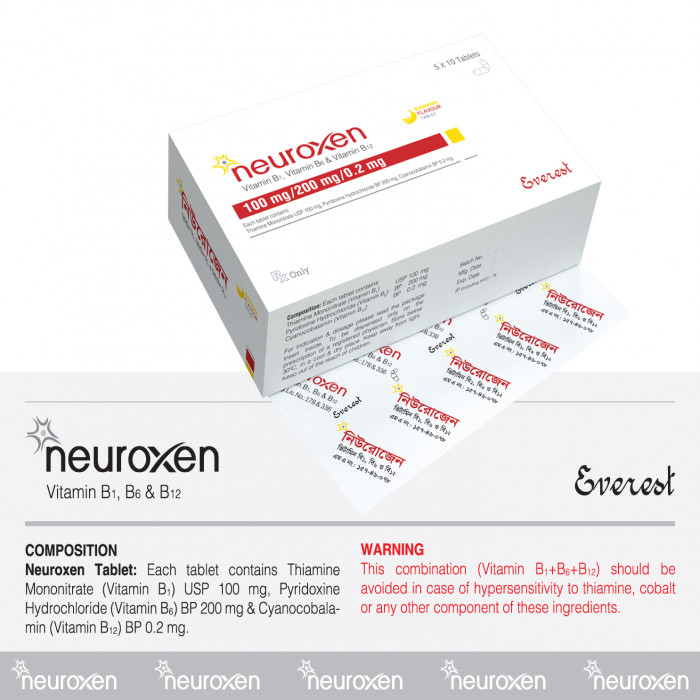
Neuroxen 100mg+200mg+0.2mg Tablet 1 Strip
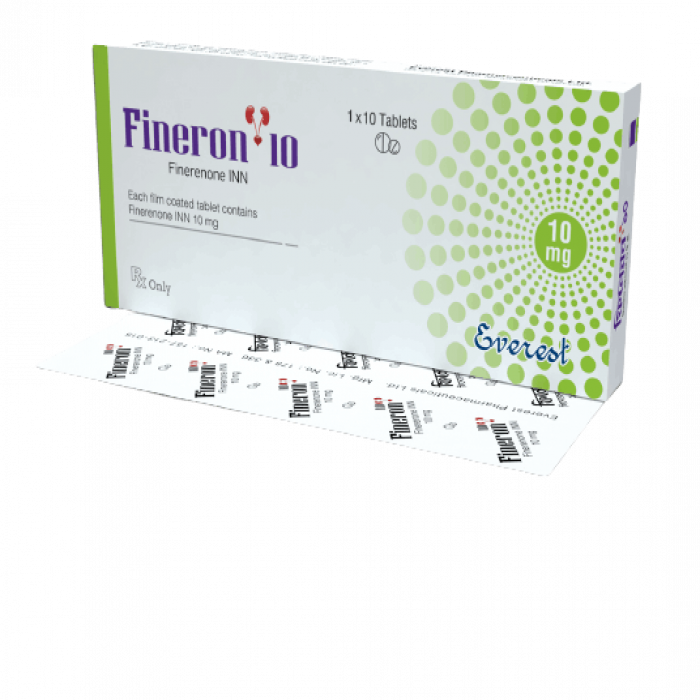
Fineron 10mg Tablet 10pcs
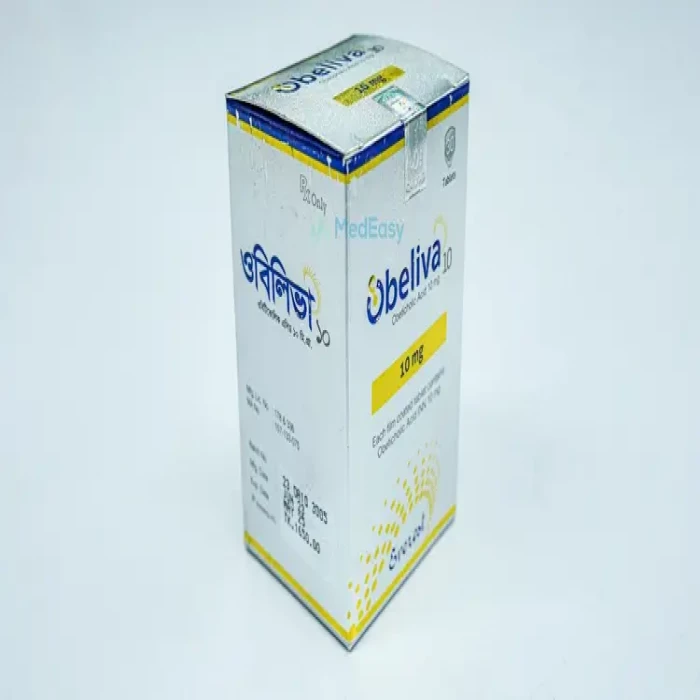
Obeliva 10mg Tablet-30pcs Pot
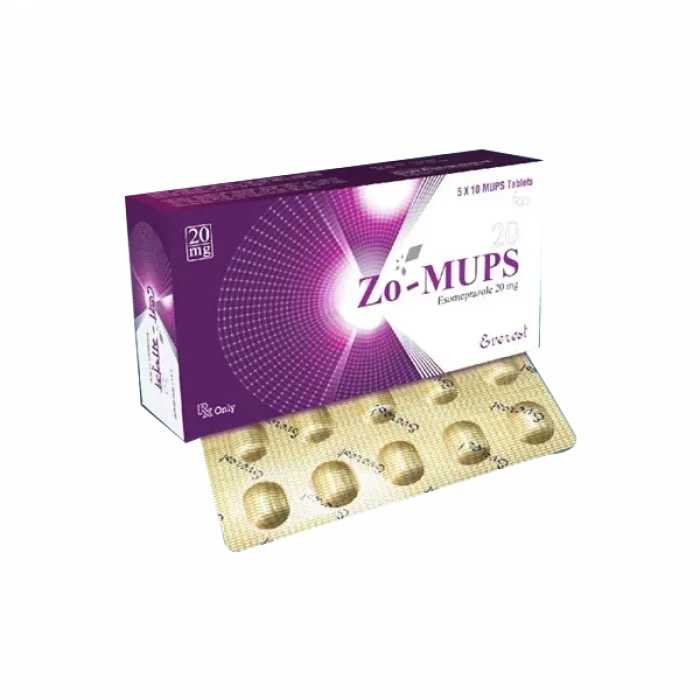
Zo-Mups 20mg (10pcs)
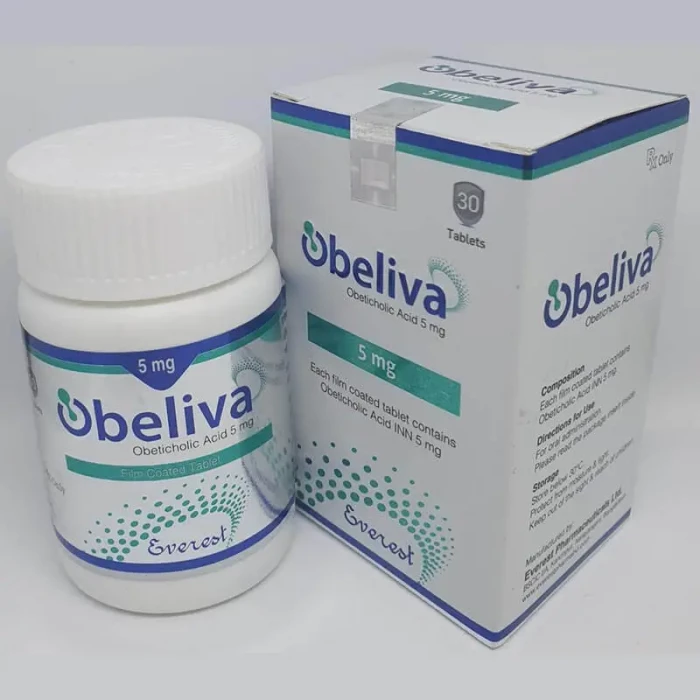
Obeliva 5mg Tablet-30pcs Pot
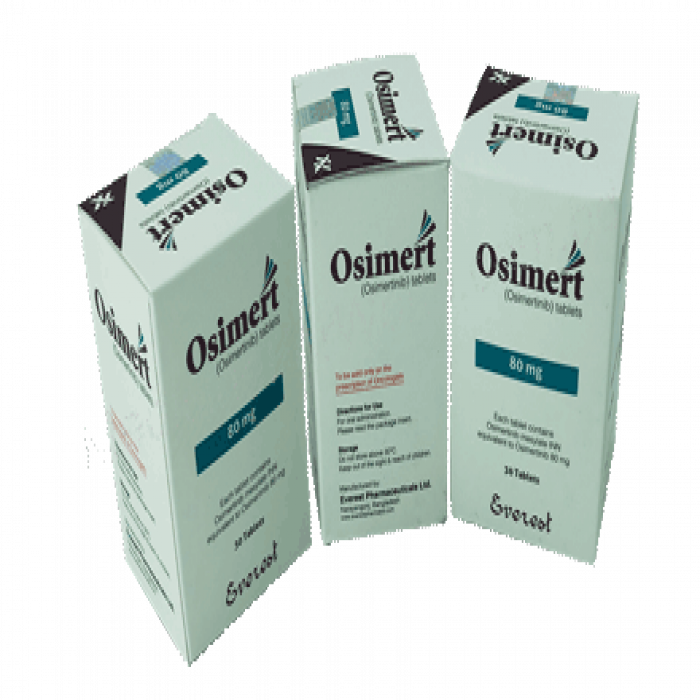
Osimert 80mg-Pot 30Pcs
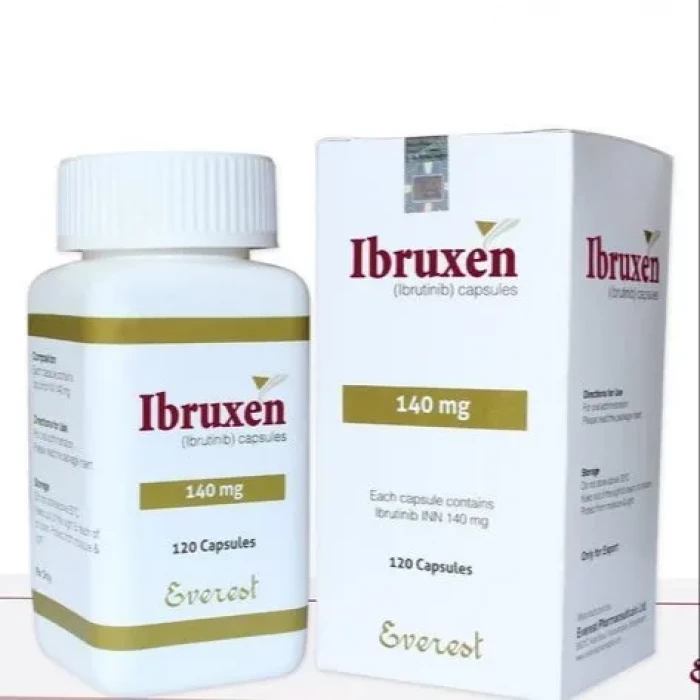
Ibruxen 140mg Capsule
Related Posts

✔️ How does Saroglitazar work?
Saroglitazar is a novel dual Peroxisome Proliferator-Activated Receptor (PPAR) agonist with predominant PPAR-α activity and moderate PPAR-γ activity. Through activation of these nuclear receptors, Saroglitazar exerts both lipid-modifying and glucose-lowering effects.
✔️ Effects on Lipid Metabolism
Activation of PPAR-α:
- Enhances hepatic fatty acid oxidation
- Reduces hepatic triglyceride synthesis and secretion
- Promotes clearance of triglyceride-rich lipoproteins from plasma
- Increases lipoprotein lipase (LPL) activity
- Decreases the production of apolipoprotein C-III, an inhibitor of LPL
- Reduces circulating triglycerides, VLDL, and LDL cholesterol
- Increases synthesis of apolipoproteins A-I and A-II, leading to higher HDL cholesterol levels
✔️ Effects on Glucose Metabolism
Activation of PPAR-γ:
- Improves insulin sensitivity
- Enhances glucose uptake and utilization
- Reduces hepatic glucose production
- Increases expression of genes involved in carbohydrate and lipid metabolism, including adiponectin, fatty acid transport proteins, and lipoprotein lipase
- Decreases postprandial free fatty acid levels
- Improves insulin-mediated suppression of hepatic glucose output
These combined actions contribute to improved glycemic control and reduced metabolic burden on the liver and skeletal muscles.
✔️ Side Effects
In controlled Phase III clinical trials, the most commonly reported adverse reactions (occurring in more than 2% of patients) included:
- Gastritis
- Asthenia (weakness or fatigue)
- Pyrexia (fever)
Most adverse events were mild to moderate in severity and generally did not require discontinuation of therapy.
As with all medicines, adverse event rates observed in clinical trials may differ from those seen in routine clinical practice.
✔️ Drug Interactions
In vitro studies suggest that Saroglitazar has a low potential for clinically significant drug-drug interactions.
Saroglitazar does not significantly inhibit the following cytochrome P450 (CYP) enzymes:
- CYP1A2
- CYP2C9
- CYP2C19
- CYP2D6
- CYP3A4
Additionally, Saroglitazar has not demonstrated clinically relevant induction of CYP3A4 activity in laboratory studies.
Although dedicated clinical interaction studies have not been conducted, available evidence indicates a low likelihood of significant CYP-mediated interactions at therapeutic doses.
✔️ Overdose
No cases of Saroglitazar overdose have been reported during clinical studies.
In the event of overdose:
- Provide supportive and symptomatic treatment
- Monitor vital signs and clinical status
- Institute appropriate medical management based on the patient's condition
There is no known specific antidote for Saroglitazar overdose.
✔️ Pregnancy and Lactation
Pregnancy
Pregnancy Category C
There are no adequate and well-controlled studies evaluating the use of Saroglitazar during pregnancy. Therefore, its safety in pregnant women has not been established.
Saroglitazar should only be used during pregnancy if the expected benefit to the mother outweighs the potential risk to the fetus.
Patients who become pregnant while receiving treatment should consult their physician promptly.
Lactation
It is not known whether Saroglitazar is excreted into human breast milk.
Because of the potential for adverse effects in nursing infants, use of Saroglitazar is not recommended during breastfeeding.
✔️ Liposem is contraindicated in patients with:
- Known hypersensitivity to Saroglitazar or any component of the formulation.
✔️ Saroglitazar should be used with caution in patients with:
- Impaired liver function
- Renal impairment
- History of myopathy or muscle disorders
- Type 2 diabetes with underlying cardiac disease
- Previous or existing congestive heart failure
Patients should be monitored for:
- Fluid retention
- Excessive edema
- Rapid unexplained weight gain
- Signs and symptoms of congestive heart failure
Any sudden increase in body weight should prompt evaluation for fluid accumulation and cardiovascular complications.
✔️ Storage:
- Store below 25°C in a dry place.
- Protect from light and moisture.
- Keep out of the reach of children.
⚠️Disclaimer:
At ePharma, we’re committed to providing accurate and accessible health information. However, all content is intended for informational purposes only and should not replace medical advice from a qualified physician. Please consult your healthcare provider for personalized guidance. We aim to support, not substitute, the doctor-patient relationship.
📦Pricing Information, Availability:
Product Availability & Pricing Notice
Please note that pricing, availability, and service offerings are subject to change due to: Market fluctuations, Manufacturer or supplier adjustments, Product discontinuation or temporary unavailability, Advertising errors. All orders depend on stock availability and staff resources. If services are provided on a time-and-materials basis, any shared estimates are for planning purposes only.

Reliable
All products displayed on ePharma are procured from govt. approved pharmaceuticals and verified licensed pharmacies from 2016.

Secure
ePharma uses Secure Sockets Layer (SSL) 128-bit 🔒 encryption and is Payment Card Industry DataSecurity Standard (PCI DSS) compliant.

Affordable
Find affordable medicine substitutes, save up to 50% on health products, up to 30% off on doctor consultations.

Social
Providing health care services under the health and beauty category with more than 170K Facebook audience and 10M+ reach.







Get more features!
Download the app now
✓ Doctor consultation ✓ 24/7 helpline