


✔ 100% Authentic Product
👁️ Currently Viewing 1601
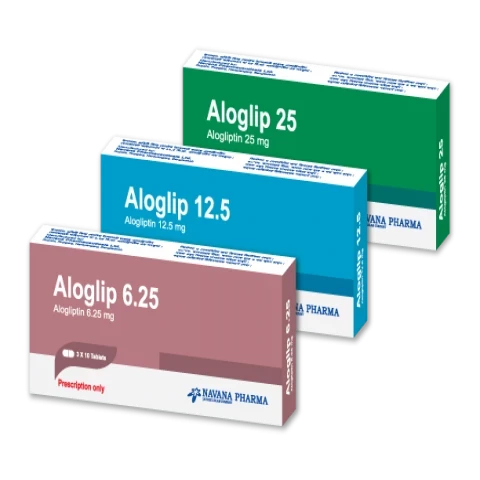
Aloglip 12.5mg Tablet
Aloglip contains alogliptin, a selective DPP-4 inhibitor. It prevents the rapid breakdown of incretin hormones such as GLP-1 and GIP. This increases their activity, helping the pancreas release insulin when blood glucose is elevated and reducing glucagon secretion. As a result, glucose production by the liver decreases, and both fasting and after-meal blood sugar levels are improved.
Discount
Price: ৳ 118
MRP:
৳
120
2%
Off
100% Genuine Products, Guaranteed
Safe & Secure Payments, Always
Fast, Secure & Efficient Delivery
Proper Packaging
 Cash on Delivery - All over Bangladesh
 Regular Delivery: 24-48 Hours, Dhaka City* Charge Tk.39-59
- Regular Delivery: 48-96 Hours, Other Cities* Charge Tk.99-125
 ফ্রি ডেলিভারিঃ - ১৪৯৯ টাকা+ অর্ডারে, ঢাকা
শহরে
ফ্রি ডেলিভারিঃ - ১৪৯৯ টাকা+ অর্ডারে, ঢাকা
শহরে- ফ্রি ডেলিভারিঃ - ৪৯৯৯ টাকা+ অর্ডারে, ঢাকার
বাহিরে
📲 মোবাইল অ্যাপ অর্ডারে সাশ্রয় বেশী
-
Google Play Store থেকে ডাউনলোড
-
Apple Store থেকে ডাউনলোড
100% Genuine Products, Guaranteed
Safe & Secure Payments, Always
Fast, Secure & Efficient Delivery
Proper Packaging
- Cash on Delivery - All over Bangladesh
- Regular Delivery: 24-48 Hours, Dhaka City* Charge Tk.39-59
- Regular Delivery: 48-96 Hours, Other Cities* Charge Tk.99-125
- ফ্রি ডেলিভারিঃ - ১৪৯৯ টাকা+ অর্ডারে, ঢাকা
শহরে
- ফ্রি ডেলিভারিঃ - ৪৯৯৯ টাকা+ অর্ডারে, ঢাকার
বাহিরে
- Google Play Store থেকে ডাউনলোড
- Apple Store থেকে ডাউনলোড
📲 মোবাইল অ্যাপ অর্ডারে সাশ্রয় বেশী
✅ Description:
Aloglip is an oral antidiabetic medicine used along with a healthy diet and regular exercise to improve blood sugar control in adults with type 2 diabetes mellitus.
রেজিস্টার্ড চিকিৎসকের পরামর্শ মোতাবেক ঔষধ সেবন করুন।
The usual recommended dose for adults with normal kidney function or mild renal impairment is:
- Alogliptin 25 mg once daily, or as prescribed by the physician.
The dose should be adjusted in patients with reduced kidney function.
Renal impairment
- Mild impairment (CrCl ≥60 mL/min): 25 mg once daily
- Moderate impairment (CrCl ≥30 to <60 mL/min): 12.5 mg once daily
- Severe impairment (CrCl ≥15 to <30 mL/min): 6.25 mg once daily
- End-stage renal disease or hemodialysis: 6.25 mg once daily
Patients receiving hemodialysis may take alogliptin without regard to the timing of dialysis.
Drug Interactions
Alogliptin is primarily eliminated through the kidneys, with minimal metabolism through CYP450 enzymes. Therefore, it has a relatively low potential for significant drug interactions.
However, when used with insulin or sulfonylureas, the risk of hypoglycemia may increase. Your doctor may reduce the dose of the insulin or insulin-secretagogue when necessary.
Contraindications
Aloglip should not be used in patients who have previously experienced a serious allergic reaction to alogliptin-containing medicines, such as:
- Anaphylaxis
- Angioedema
- Severe skin reactions
Side Effects
Common side effects may include:
- Nasopharyngitis (common cold-like symptoms)
- Headache
- Upper respiratory tract infection
Seek medical attention if symptoms suggesting pancreatitis, severe allergic reactions, or significant liver problems develop.
Pregnancy & Lactation
There are insufficient well-controlled studies of alogliptin in pregnant women. It should be used during pregnancy only when clearly needed and under medical supervision.
It is not known whether alogliptin passes into human breast milk. Breastfeeding women should consult their doctor before using this medicine.
Precautions & Warnings
Acute pancreatitis
Pancreatitis has been reported with DPP-4 inhibitors. If severe, persistent abdominal pain occurs, particularly if it radiates to the back and is accompanied by nausea or vomiting, contact a doctor promptly. If pancreatitis is suspected, alogliptin should be discontinued.
Serious hypersensitivity
Serious allergic reactions, including anaphylaxis, angioedema, and severe skin reactions, have been reported. Discontinue the medicine and seek urgent medical attention if swelling of the face, lips, tongue, or throat, breathing difficulty, or a severe skin reaction develops.
Liver effects
Rare cases of liver injury and hepatic failure have been reported. If symptoms such as yellowing of the skin or eyes, dark urine, unusual fatigue, or persistent nausea occur, medical evaluation is required.
Hypoglycemia
Alogliptin alone generally has a low risk of causing hypoglycemia. However, the risk can increase when it is combined with insulin or sulfonylureas.
Use in Special Populations
- Children: Safety and effectiveness have not been established.
- Elderly: No major differences in safety or effectiveness have been observed, although some older patients may be more sensitive to medicines.
- Mild to moderate liver impairment: Generally, no dose adjustment is required.
- Severe liver impairment: Alogliptin has not been adequately studied; use requires caution.
Overdose
Clinical studies have evaluated doses considerably higher than the recommended dose without serious adverse events. In case of suspected overdose, appropriate medical monitoring and supportive treatment should be provided.
Alogliptin is minimally removed by hemodialysis, so dialysis is unlikely to be useful as a treatment for overdose.
Therapeutic Class
Dipeptidyl Peptidase-4 (DPP-4) Inhibitor
Storage Conditions
Store below 30°C, protected from light and moisture. Keep out of the reach and sight of children.

More From Navana Pharmacuticals Ltd. / এই ব্র্যান্ডের আরও পণ্য
Popular products from this manufacturer/brand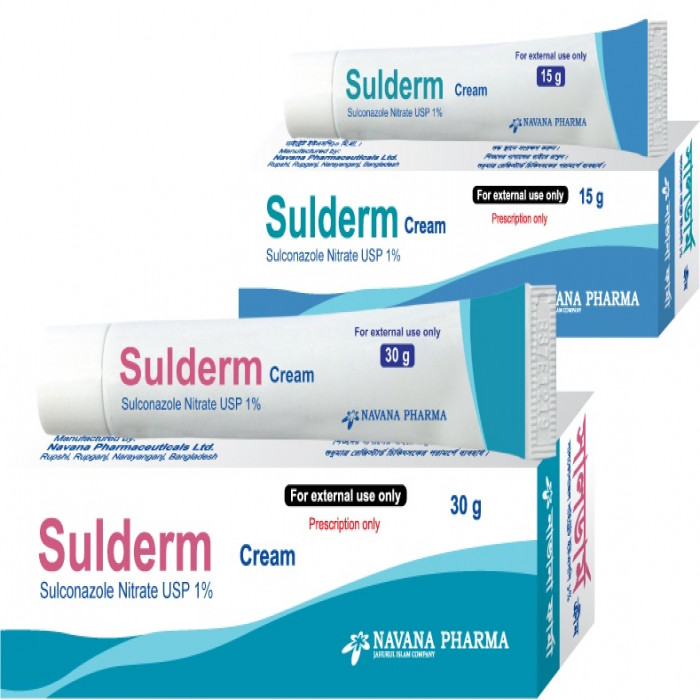
Sulderm 1% Cream
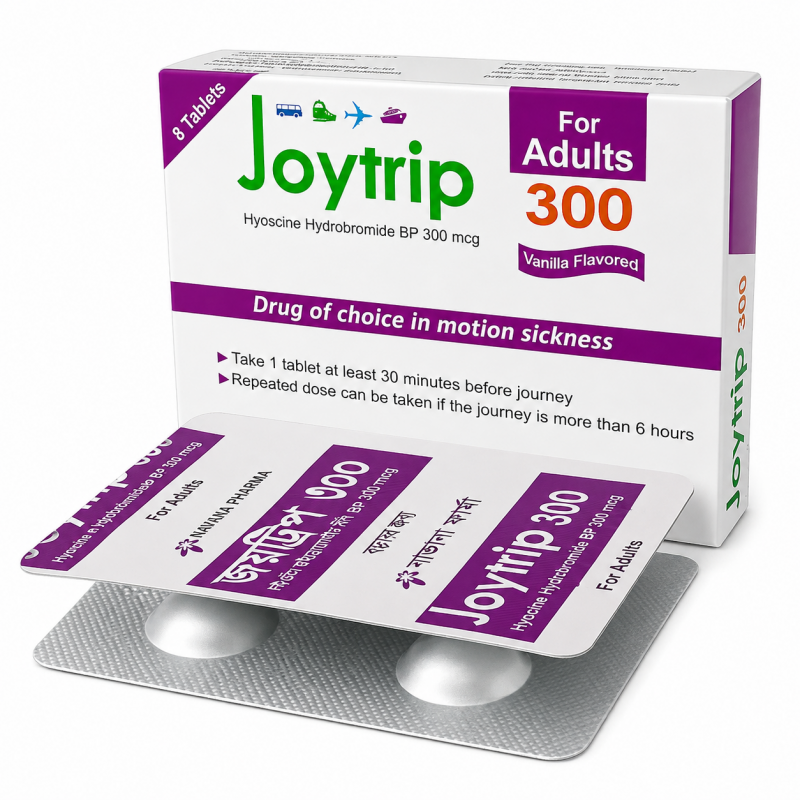
Joytrip 300mcg Tablet
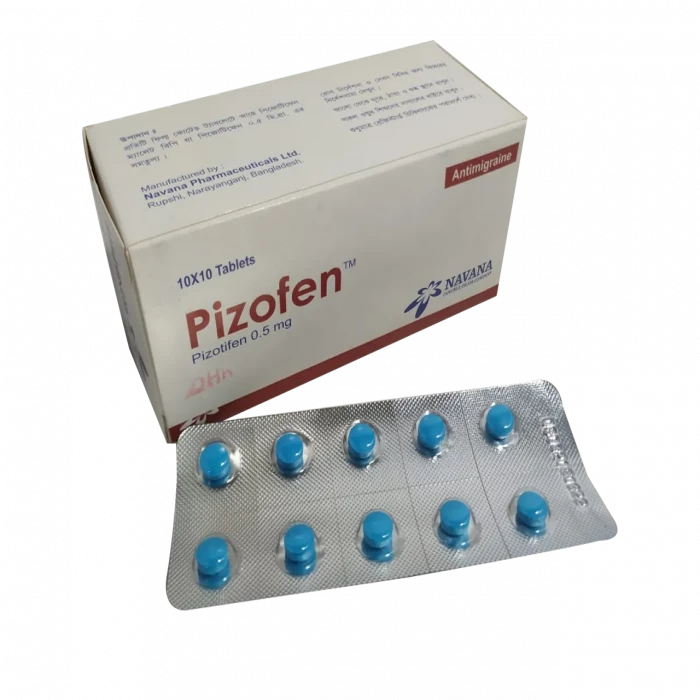
Pizofen 0.5mg Tablet 1 Strip
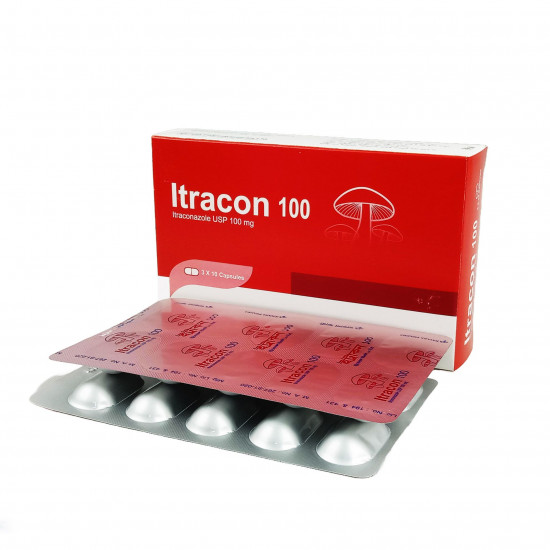
Itracon 100 | 1 Strip
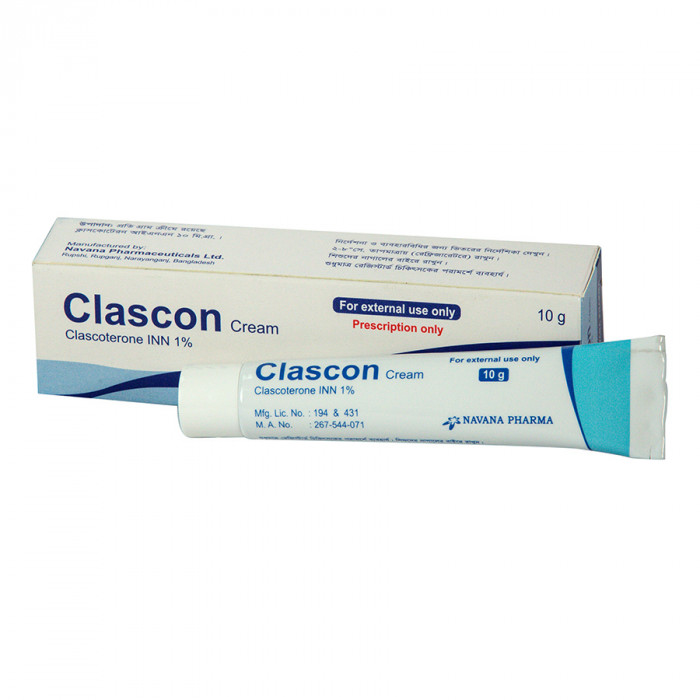
Clascon 1% Cream
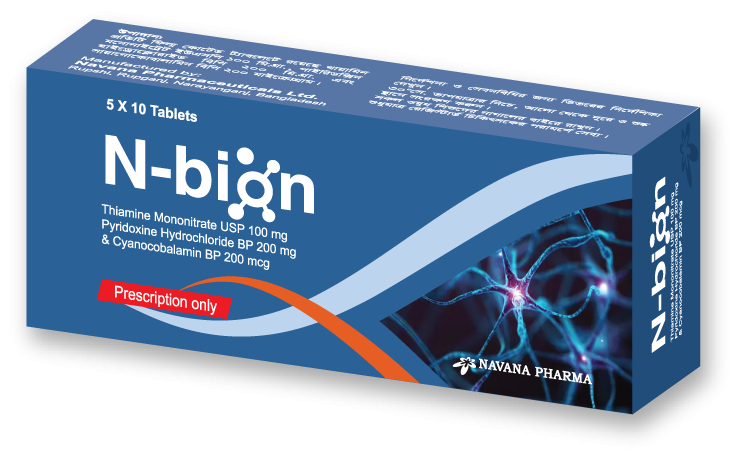
N-Bion 100mg+200mg+200mcg Tablet
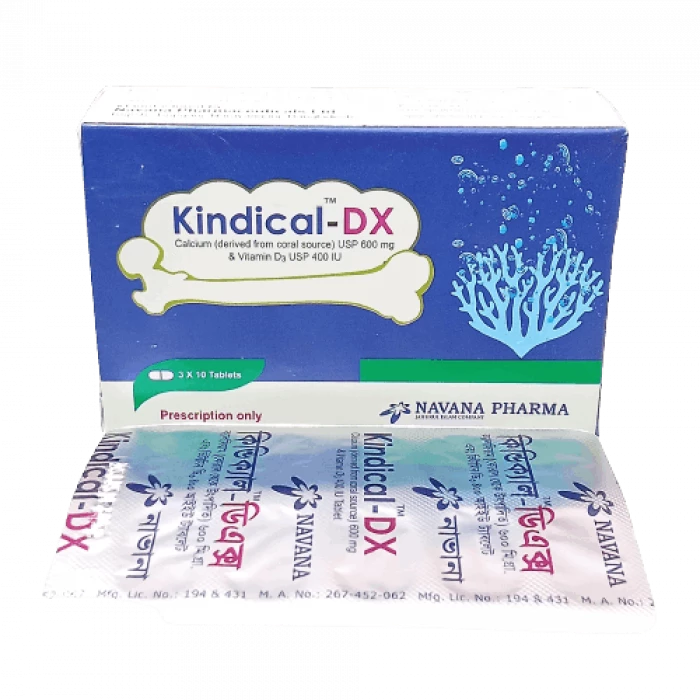
Kindical DX 600mg+400IU Tablet
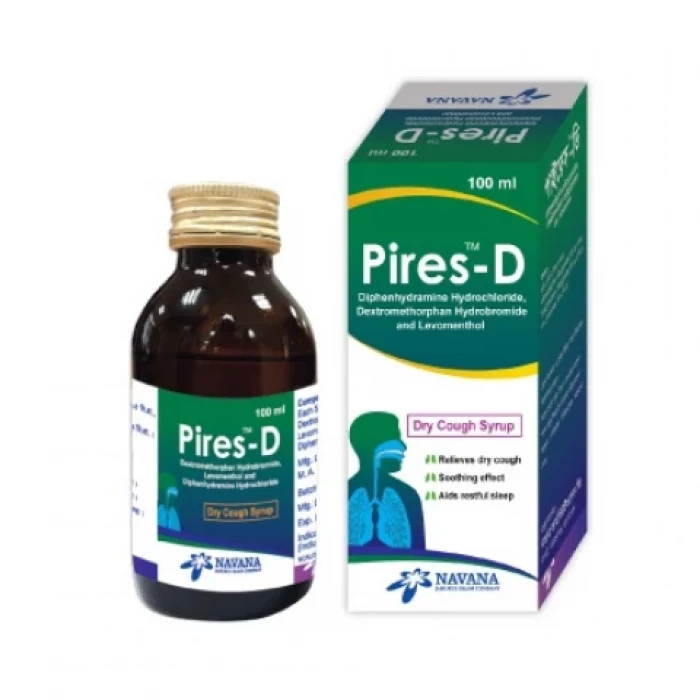
Pires-D Syrup 100ml
Related Posts
⚠️Disclaimer:
At ePharma, we’re committed to providing accurate and accessible health information. However, all content is intended for informational purposes only and should not replace medical advice from a qualified physician. Please consult your healthcare provider for personalized guidance. We aim to support, not substitute, the doctor-patient relationship.
📦Pricing Information, Availability:
Product Availability & Pricing Notice
Please note that pricing, availability, and service offerings are subject to change due to: Market fluctuations, Manufacturer or supplier adjustments, Product discontinuation or temporary unavailability, Advertising errors. All orders depend on stock availability and staff resources. If services are provided on a time-and-materials basis, any shared estimates are for planning purposes only.

Reliable
All products displayed on ePharma are procured from govt. approved pharmaceuticals and verified licensed pharmacies from 2016.

Secure
ePharma uses Secure Sockets Layer (SSL) 128-bit 🔒 encryption and is Payment Card Industry DataSecurity Standard (PCI DSS) compliant.

Affordable
Find affordable medicine substitutes, save up to 50% on health products, up to 30% off on doctor consultations.

Social
Providing health care services under the health and beauty category with more than 170K Facebook audience and 10M+ reach.







Get more features!
Download the app now
✓ Doctor consultation ✓ 24/7 helpline