

Irregular Periods: Causes, Normal Cycle and When to See a Doctor

Learn why periods become irregular, normal cycle lengths, PCOS and thyroid links, pregnancy testing and warning signs needing care.
Does a late period always mean something is wrong?
Sharika's periods sometimes come after 26 days and sometimes take more than 40. She has also noticed acne and weight changes. Ruma, meanwhile, had a brief delay during exams before her usual pattern returned. These fictional examples show why one late period does not prove a disorder, while persistent changes deserve assessment.
How to count your menstrual cycle
Count from the first day of bleeding in one period to the first day of the next. Although 28 days is often quoted as average, NHS and ACOG describe about 21–35 days as a common adult range. A consistent 24-day or 31-day cycle can therefore be normal. Repeated cycles outside this range, or substantial month-to-month variation, warrant assessment. Bleeding commonly lasts about two to seven days.
Adolescence and perimenopause are different
Cycles are often less predictable in the first few years after the first period; adolescent cycles may commonly range from about 21 to 45 days. Yet a gap of 90 days, heavy bleeding or concerning symptoms should not be dismissed as puberty. Cycles may also change during perimenopause, but unexpected or heavy bleeding still needs proper assessment.
Common causes of irregular periods
Pregnancy should be considered first when relevant. Stress, changes in routine or sleep, substantial weight changes, excessive exercise, inadequate nutrition, breastfeeding, and starting or changing hormonal contraception can affect cycles. Conditions such as polycystic ovary syndrome (PCOS) and thyroid disorders are also possible causes. A clinician considers history, symptoms and selective tests rather than assuming one diagnosis.
When PCOS may be relevant
PCOS may be considered when infrequent periods occur alongside acne, increased facial or body hair, thinning scalp hair or weight changes. Neither acne nor irregular periods alone establishes PCOS. Diagnosis in adolescents requires particular care and should not be based on a scan alone.
Can thyroid problems affect periods?
Both underactive and overactive thyroid function can affect menstrual patterns. Fatigue, unusual sensitivity to heat or cold, weight changes, constipation or palpitations may prompt testing, sometimes including TSH. Thyroid disease is one possible cause, not an explanation for every irregular cycle.
When to take a pregnancy test
If pregnancy is possible, a home urine test can usually be taken from the first missed-period day. If you do not know when your period is due, test at least 21 days after the last unprotected sex. An early negative may need repeating after a few days. Severe pelvic pain or bleeding needs medical assessment regardless of a test result.
Tracking the pattern helps
Record the first day of each period, bleeding duration, how often products are changed, pain, spotting between periods and changes to medication or contraception. A few months of notes can clarify a pattern for a clinician. Do not delay care for urgent symptoms just to complete a tracker.
Tests a clinician may consider
Depending on symptoms and history, a clinician may use pregnancy testing, a blood count for anaemia, TSH, selected hormone tests or pelvic ultrasound. Not everyone needs every investigation, and adolescent PCOS assessment differs from adult assessment. Treatment depends on the cause. Avoid taking hormones or medicines advertised to 'bring on a period' without medical advice.
When to book a medical appointment
Make an appointment for recurrent cycles shorter than 21 or longer than 35 days, no periods for three months without a known explanation, bleeding beyond seven days, bleeding between periods or after sex, a substantial new change in pattern, or irregular cycles while trying to conceive. Associated signs of PCOS or thyroid disease also deserve review.
Warning signs needing urgent care
Seek urgent medical assessment if bleeding repeatedly soaks a pad or more in an hour, especially with dizziness, fainting or breathlessness. Severe one-sided pelvic pain, shoulder-tip pain or collapse when pregnancy is possible also needs emergency evaluation for conditions such as ectopic pregnancy.
What these related products can and cannot do
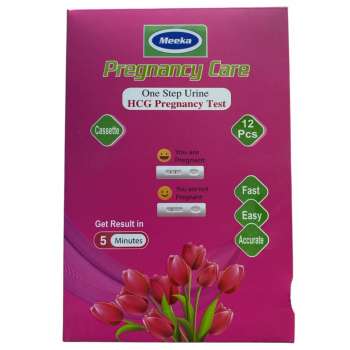
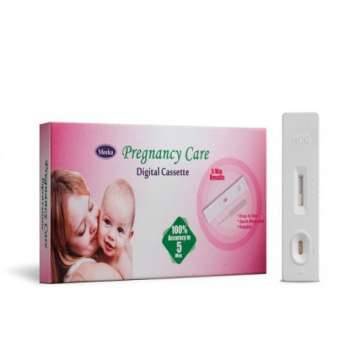
The home pregnancy tests listed below help assess one important possibility behind a missed or irregular period: pregnancy. They cannot diagnose or treat PCOS, thyroid disease or menstrual irregularity. Follow the instructions, expiry date and reading time and seek clinical advice when needed.
Related reading
Frequently asked questions
What are irregular periods?
Cycles that repeatedly vary substantially in timing, bleeding duration or amount.
What is a normal adult cycle length?
Commonly about 21–35 days; adolescents may have a wider range.
What should I do if a period is late?
Take a correctly timed pregnancy test if pregnancy is possible.
Can PCOS cause irregular periods?
Yes, but irregular cycles alone do not establish PCOS.
Can thyroid disease affect periods?
Yes; a clinician may consider thyroid testing when indicated.
Are irregular teen periods normal?
Some variation is common, but a 90-day gap warrants evaluation.
What if no period comes for three months?
Exclude pregnancy and arrange medical evaluation.
When is bleeding an emergency?
Repeated hourly pad soaking with dizziness or faintness needs urgent care.
Can stress delay a period?
Yes, though recurrent changes should not automatically be blamed on stress.
Can I self-treat with period-inducing medicine?
No; seek advice and consider pregnancy before hormonal treatment.
References
Related Products